
Highlights
- Music composer Anirudh Ravichander and Sunrisers Hyderabad co-owner Kavya Maran reportedly opted for a self-respect marriage during their wedding in Greece on November 11.
- DMK leader T R B Rajaa explained how the couple exchanged garlands and chains in the presence of family and friends.
- The marriage tradition originated from Periyar E V Ramasamy's Self-Respect Movement in Tamil Nadu and received legal recognition in 1967.
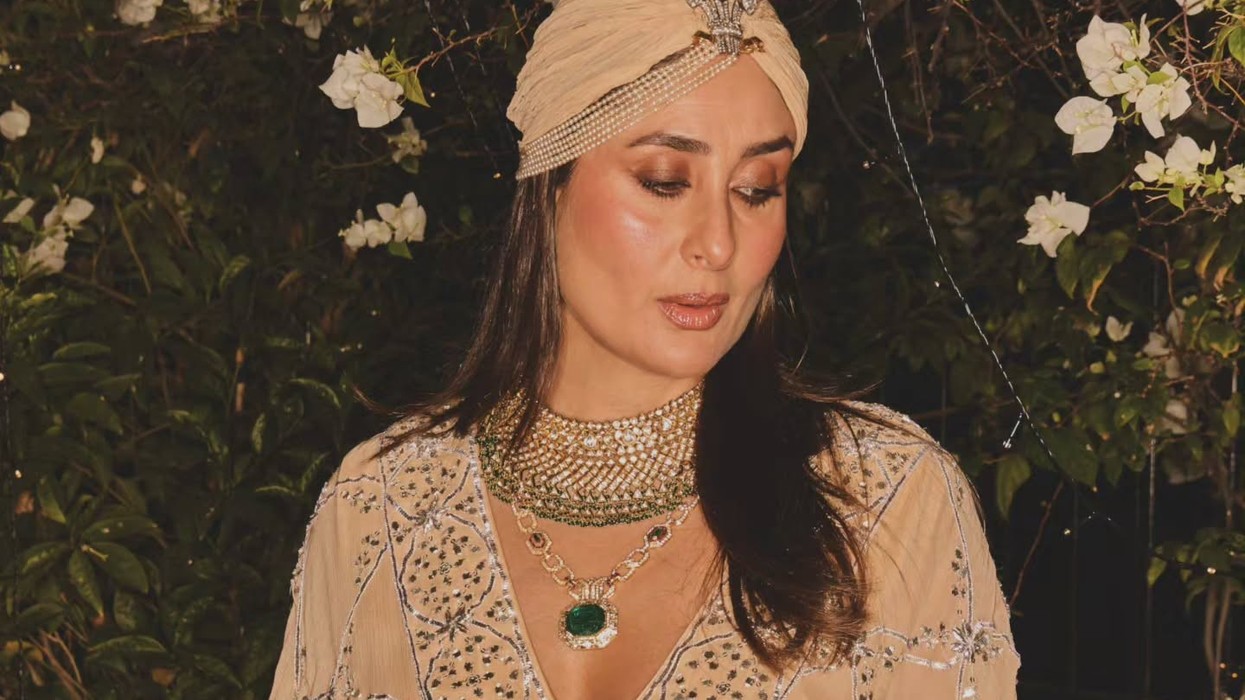
Music composer Anirudh Ravichander and businesswoman Kavya Maran's wedding has attracted attention not only for its lavish setting in Greece but also for the traditional significance of their marriage ceremony.
The couple reportedly opted for a self-respect marriage, a form of union rooted in Tamil Nadu's social reform movement. Following their wedding on November 11, Dravida Munnetra Kazhagam (DMK) leader T R B Rajaa shared details of the rituals, explaining how the couple exchanged garlands and chains in front of their loved ones.
The clarification has sparked interest in the practice and its significance, particularly among those unfamiliar with the marriage tradition.
What happened during Anirudh and Kavya's wedding?
Following speculation about the couple's wedding rituals, Rajaa, the DMK's IT Wing secretary, took to X to explain what happened during the ceremony.
He confirmed that Anirudh and Kavya exchanged garlands and chains as part of their wedding celebrations. He also revealed that their families played a role in the ceremony, with two prominent personalities handing over the chains.
In his post, Rajaa wrote: "YES ... Kavya and Anirudh garlanded each other... #Thalaivar handed over a chain to Kavya and #Superstar handed over a chain to Anirudh... the bride and groom exchanged chains and an union of hearts was blessed by their friends and family."
His explanation followed questions from social media users after a photograph showing Anirudh tying a chain around Kavya's neck circulated online.
What is a self-respect marriage?
A self-respect marriage is a form of marriage that emerged from the Self-Respect Movement founded by social reformer Periyar E V Ramasamy in Tamil Nadu.
The movement challenged caste discrimination, social inequalities and traditional customs that placed restrictions on marriage. It also questioned the necessity of religious priests and elaborate religious ceremonies in solemnizing a union.
Unlike conventional Hindu weddings that may involve priest-led rituals, a self-respect marriage allows couples to declare their commitment to each other directly.
The ceremony can include exchanging garlands, rings or other symbols of commitment in the presence of witnesses. The emphasis is on the mutual consent and equality of the couple rather than religious rituals.
When did self-respect marriages become legally recognised?
Self-respect marriages received legal recognition in Tamil Nadu in 1967 through an amendment to the Hindu Marriage Act, 1955.
The amendment, introduced under Section 7-A, provided legal recognition to marriages conducted through customary forms associated with the self-respect and reformist traditions.
It allowed eligible couples to solemnize their marriages through a declaration of their commitment, with the exchange of garlands, rings or other forms of symbolic commitment in the presence of relatives, friends or other witnesses.
The provision removed the requirement for conventional religious ceremonies or the involvement of a priest for marriages that meet its conditions.
Anirudh Ravichander and Kavya Maran's wedding
Anirudh, known for composing music for several Tamil films, married Kavya, the co-owner and chief executive of Sunrisers Hyderabad, on November 11 in Greece.
The wedding brought together prominent personalities from the entertainment and business worlds. The couple's ceremony has since attracted attention through photographs shared online, with their choice of wedding rituals adding a cultural dimension to the celebrations.
Their reported decision to follow the self-respect marriage tradition has also brought renewed attention to a practice that has played an important role in Tamil Nadu's social reform history.