

- Apple's job listing describes an AI agent that can browse websites, operate apps, run commands and write and debug code.
- The project remains in its early stages, with a possible launch by the end of 2027.
- Apple is also preparing tighter controls on third-party AI agents seeking extensive access to Mac computers.
Apple is working on an artificial intelligence (AI) agent that could operate a Mac computer much like a human user, marking another step in the company's effort to compete in the rapidly developing market for autonomous AI tools.
The proposed assistant would go beyond answering questions or generating text. It could navigate websites, move between applications, execute commands, write and debug code, and complete multi-step tasks with limited human intervention.
The plans emerged through a job listing for a senior engineering manager published on Apple's careers website on November 17. Bloomberg first reported the development, identifying the vacancy as evidence of the company's work on a general-purpose computer-use agent.
The job description outlines a system capable of working across browsers, applications, command lines, code and application programming interfaces (APIs), selecting the appropriate tools for each task.
“Imagine an AI agent that can use a computer the way a capable person does,” the listing states.
Apple says the team is building the foundation for this technology, with an emphasis on privacy, reliability and safety.
The project is still in its early stages. Bloomberg reported that Apple has considered introducing the service as soon as the end of 2027, although the company has not announced a launch date or confirmed its final features.
What could Apple's AI agent actually do?
The proposed technology is designed to handle tasks that currently require users to move between different applications and services.
For example, an AI agent could potentially browse several websites, collect information, transfer details into a document, execute commands and work with software development tools as part of a single assignment.
Apple's job description also refers to agents coordinating specialised sub-agents, suggesting the company is exploring systems that can divide complex assignments into smaller tasks and manage them together.
This represents a shift from conventional chatbots, which primarily respond to individual instructions, towards systems that can plan and carry out a sequence of actions.
The technology could have applications in everyday productivity, research, administration and software development. However, Apple has not yet disclosed which tasks its eventual product will support or how much control users will have over its actions.
The company also says privacy and security will be central to the system's design. This is particularly important for an assistant that may need to access applications, execute code, interact with online services and handle user information.
Why is Apple tightening controls on rival AI agents?
Apple's reported development comes as competition intensifies between technology companies building AI systems that can operate computers.
OpenAI and Anthropic have introduced tools that allow AI systems to interact with websites and applications, while Meta has expanded its Muse agent lineup.
Apple is now looking to develop its own offering while also tightening the rules governing how external AI tools access its computers.
According to Bloomberg, an upcoming macOS 27.3 update is expected to introduce warnings when users attempt to give third-party agents extensive control over their devices.
The move follows an October 2026 notification to developers in which Apple said it would introduce additional safeguards for applications seeking broad access to system controls. Users will have to take explicit action before granting such permissions.
The timing is significant. While Apple is exploring ways to give its own AI agent greater control over computers, it is also seeking stronger safeguards around access by competing services.
For Apple, the challenge will be balancing the convenience of autonomous AI with the privacy and security standards associated with its products.
The company has faced pressure to strengthen its position in AI as rivals move beyond conversational assistants towards systems that can complete tasks independently.
If the project moves from development into a consumer product, it could change how Mac users interact with their computers. Instead of opening several applications and carrying out each step themselves, they may eventually be able to describe an outcome and allow an AI agent to work through the process.
But with development still at an early stage, it remains to be seen how much autonomy Apple will offer and whether its approach can compete with tools already available from other AI companies.













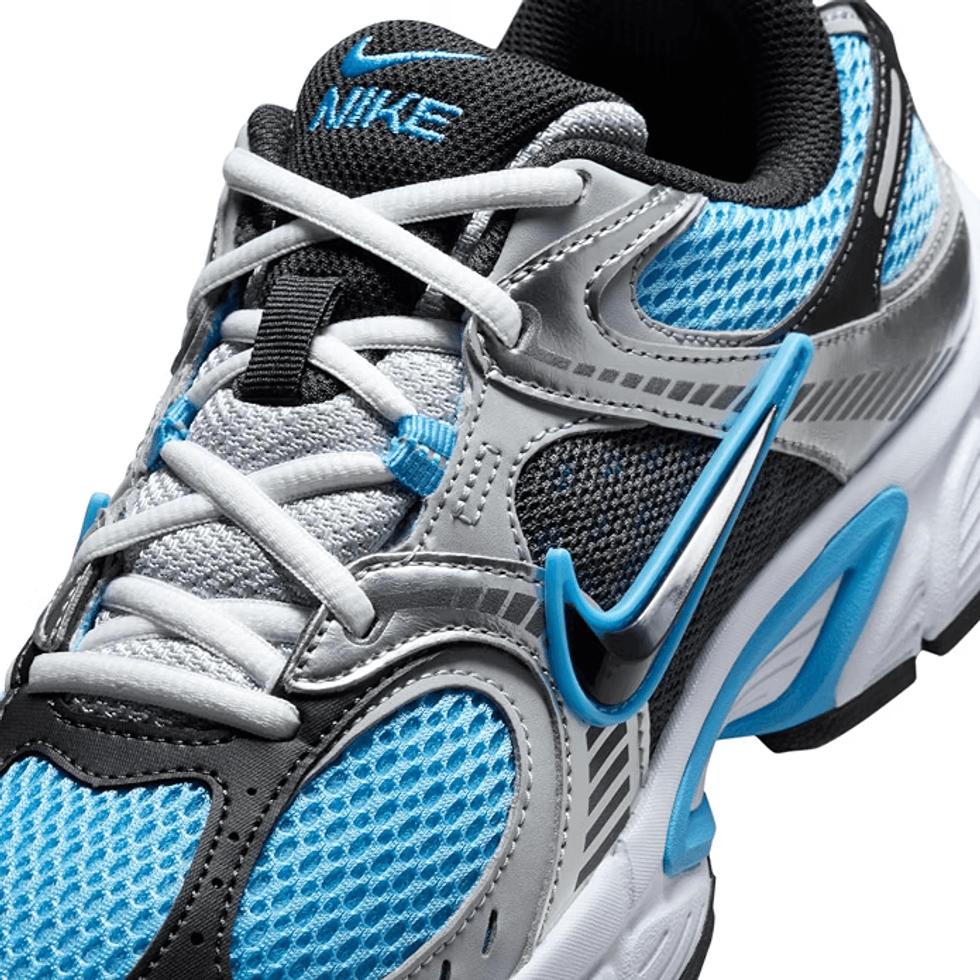







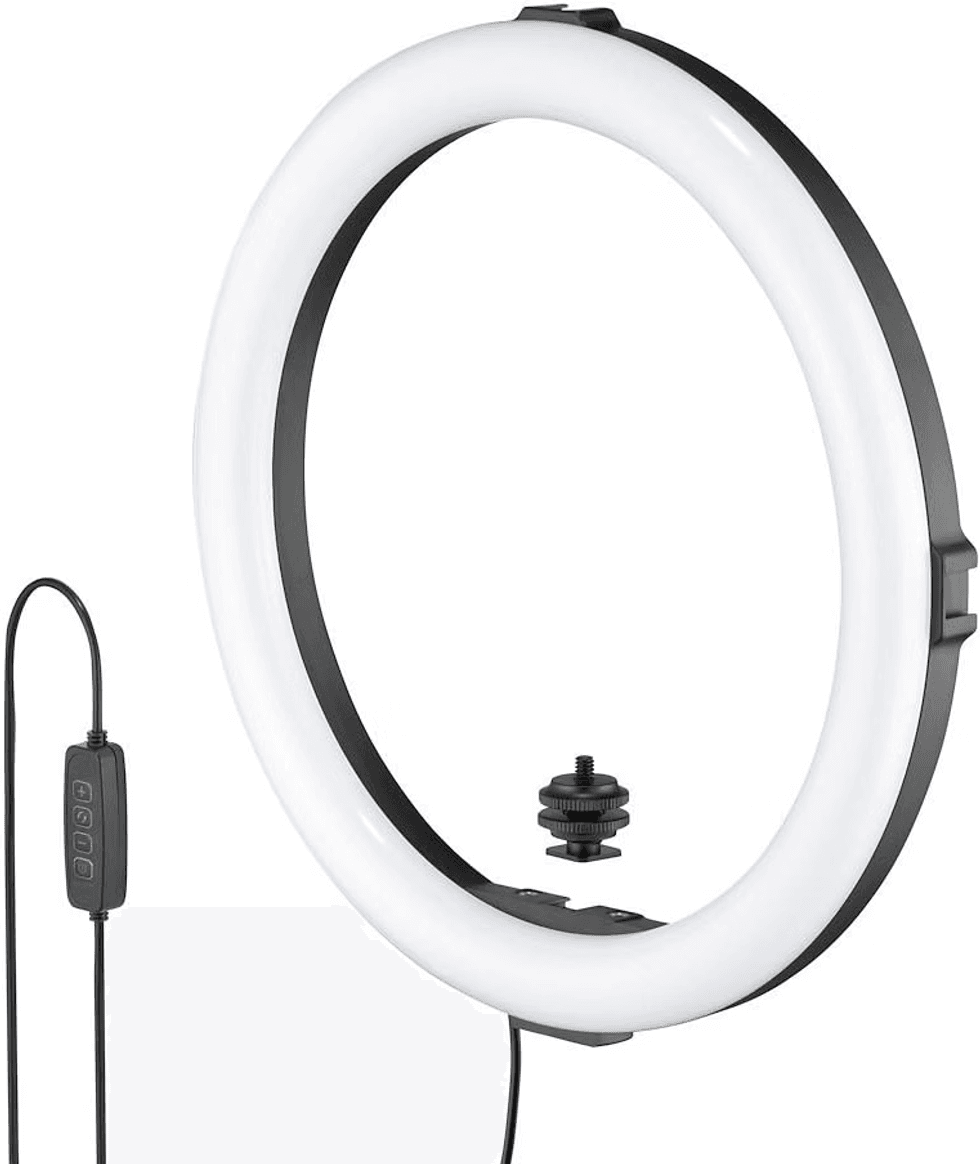
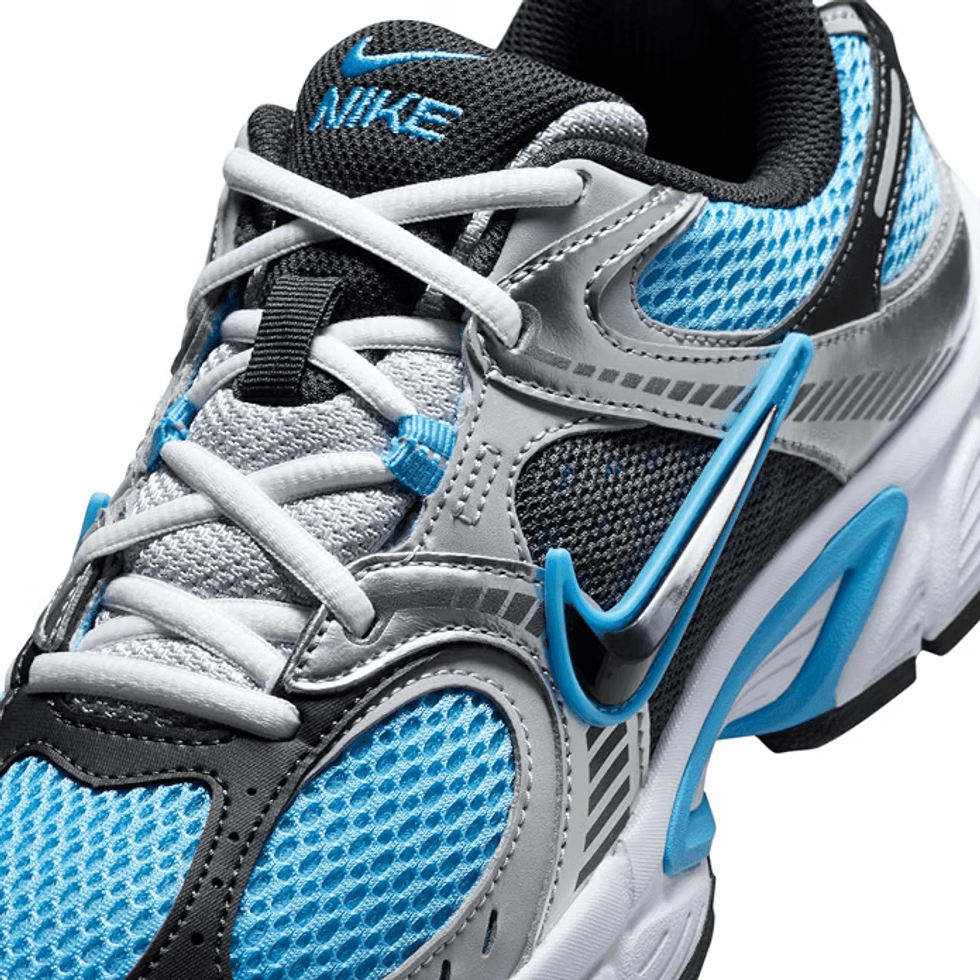 Nike V5 RNR Sneakers Amazon
 Impala Adjustable Roller Skates Amazon
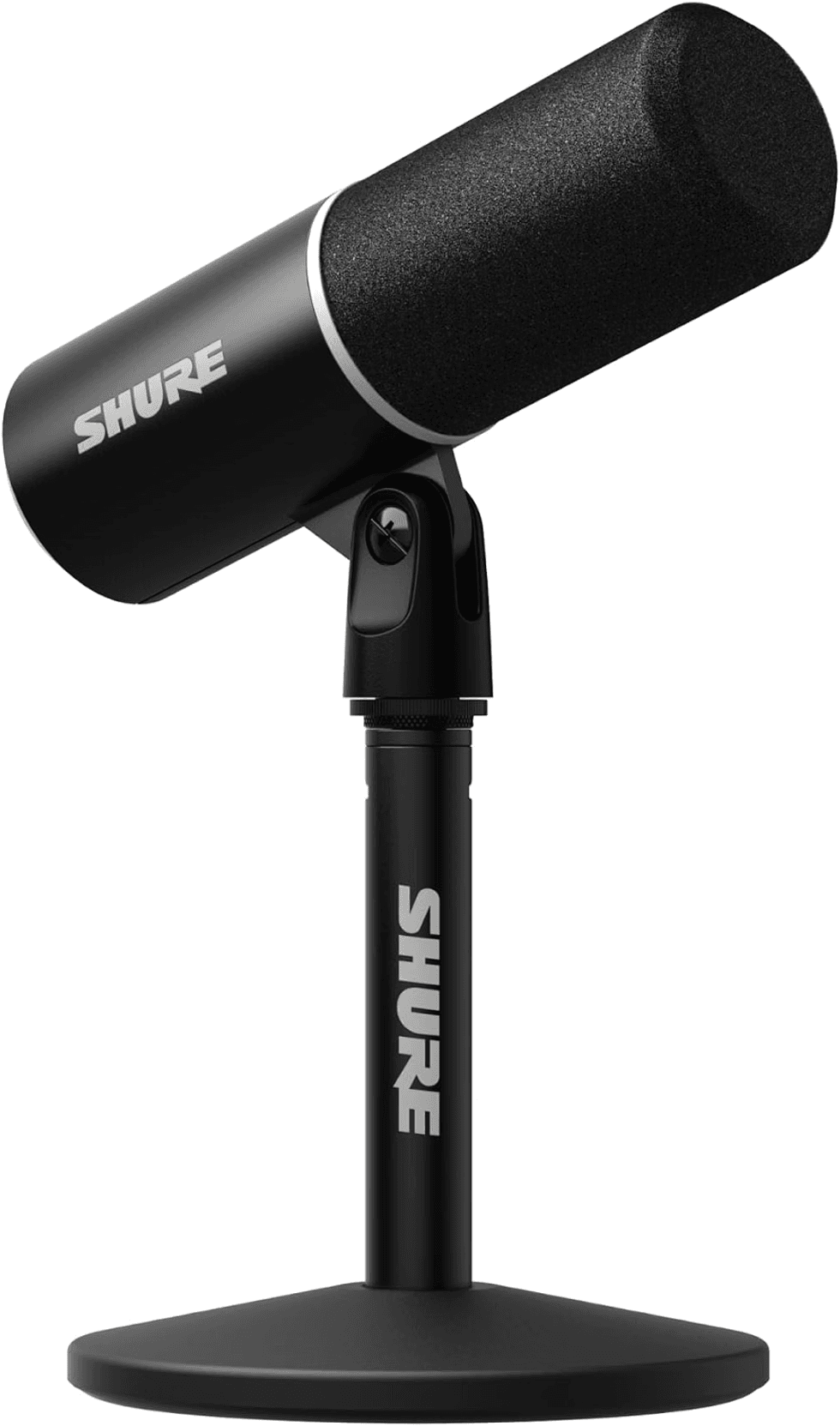
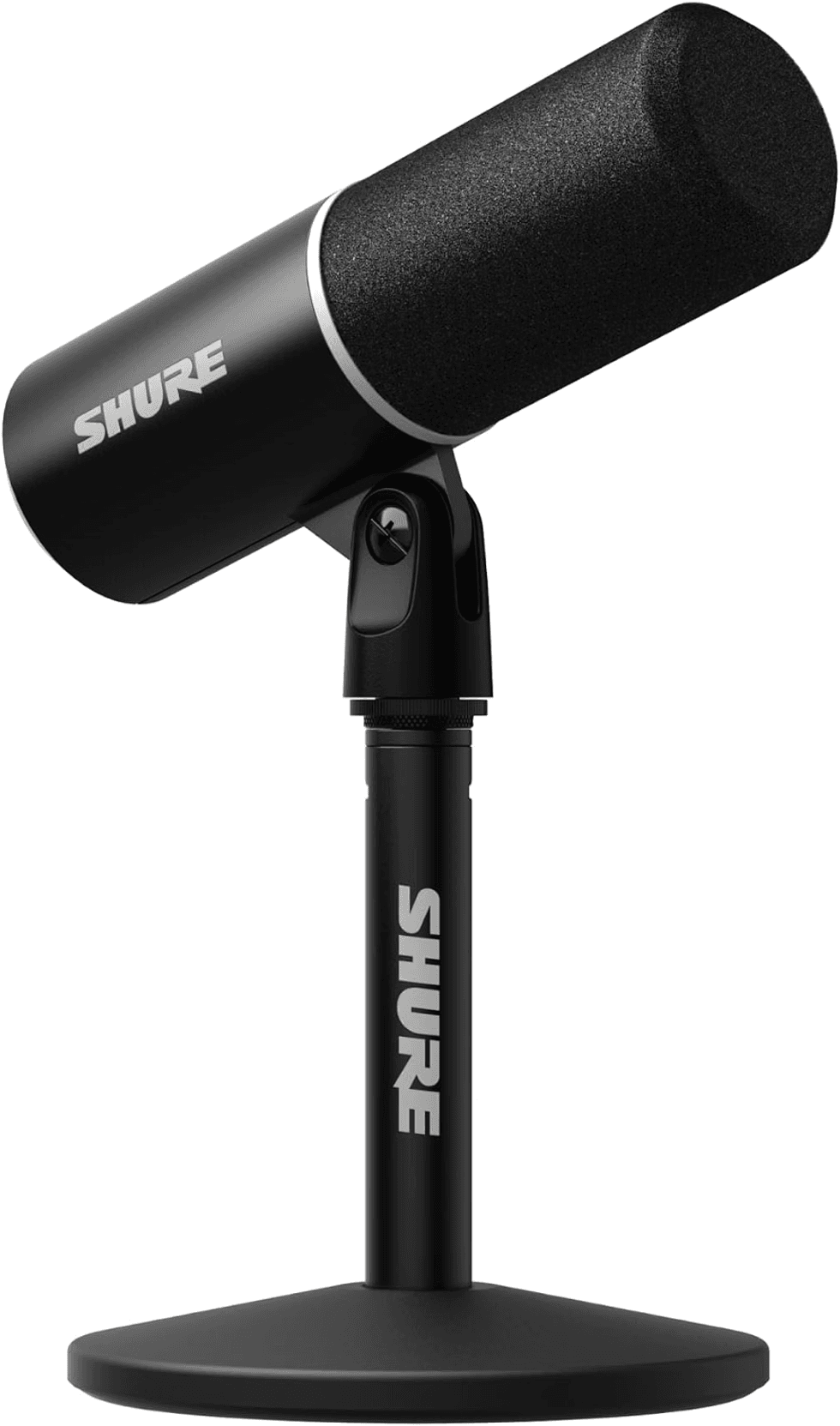 Shure USB Podcast Microphone Amazon
 DJI Wireless Podcast Microphone Amazon
 Levi’s Utility Jacket Amazon
 Steve Madden Kitten-Heel Sandals Amazon
 Lionel Classic Electric Toy Train Set Amazon
 Uniqlo Red Cardigan Amazon
 West Elm Ski-Themed Ceramic Mug Amazon
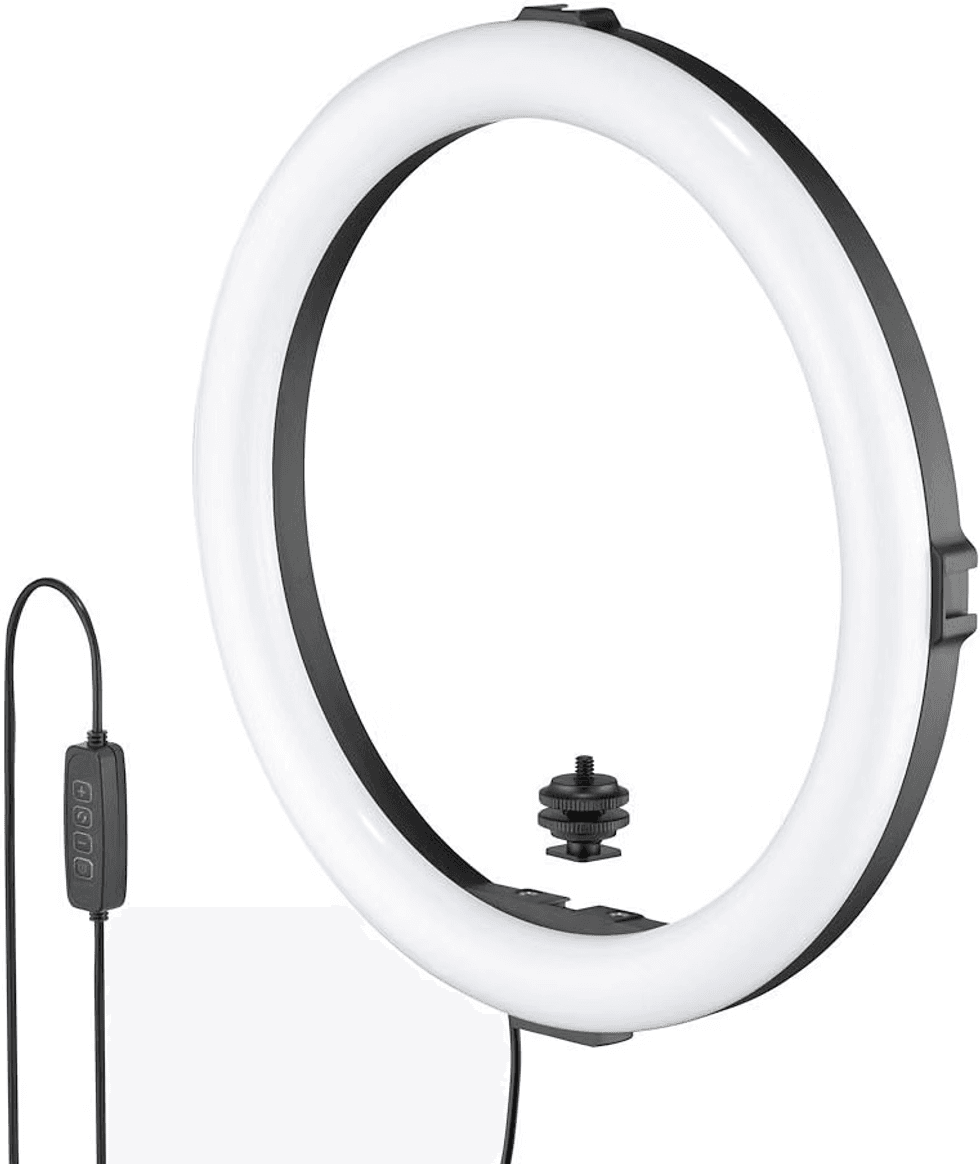 Joby Travel Mini Ring Light Amazon