
Highlights:
- Bill Ritter retired after revealing an early-stage Alzheimer's diagnosis
- He first noticed memory problems nearly two years ago
- Ritter said he began forgetting names and places
- His wife Kathleen was among the first to notice changes
- He plans to continue raising awareness about Alzheimer's disease
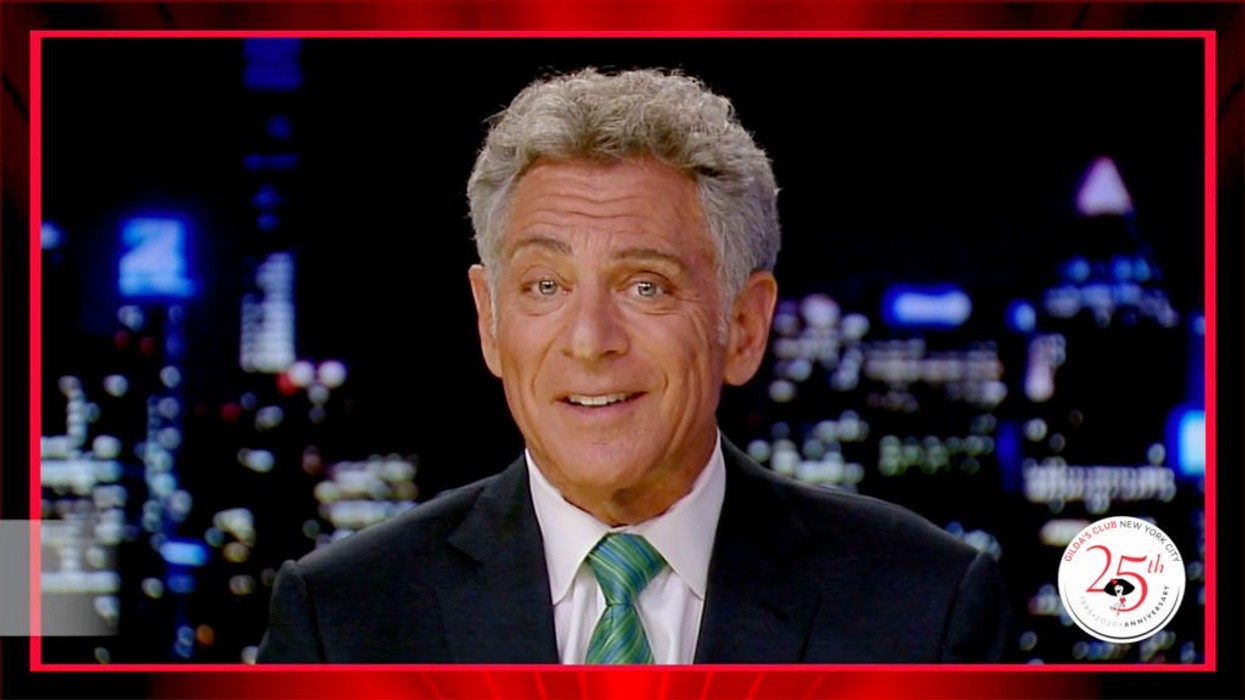
Veteran television journalist Bill Ritter is opening up about the early warning signs that eventually led to his Alzheimer's diagnosis, sharing a deeply personal account just days after announcing his retirement from ABC 7 New York.
Speaking on Good Morning America, the 76-year-old broadcaster revealed that the first symptoms appeared almost two years ago. At first, they seemed minor. He found himself forgetting people's names and struggling to recall places that should have been familiar.
"I realized I was forgetting people's names and places," Ritter said. "I didn't know why this was happening."
While the changes were subtle, his wife Kathleen noticed them as well. According to Ritter, most people around him did not see anything unusual, but the couple knew something felt different.
Initially, Ritter believed the issue might be related to his demanding work schedule. After decades in television news, he thought exhaustion could be affecting his memory. To reduce stress, he gradually stepped back from some of his responsibilities at WABC-TV.
He first left the station's 11 p.m. newscast and later stopped anchoring the 5 p.m. broadcast. Eventually, he focused only on the 6 p.m. news program.
For the first time in decades, he was getting regular sleep.
"I was sleeping at night for the first time in 25 years," Ritter recalled. Yet despite the lifestyle changes, his symptoms did not improve.
That realization convinced him that he needed medical answers.
"We said, 'I have to get tested,'" he said. Ritter now encourages others not to ignore potential warning signs.
According to him, many people convince themselves that everything is fine, but seeking professional evaluation can be critical. Looking back, he believes getting tested was one of the most important decisions he made.
Ritter publicly disclosed his diagnosis during his final 6 p.m. newscast, explaining to viewers why he was stepping away from the anchor desk.
When doctors confirmed he had early-stage Alzheimer's disease, his thoughts immediately turned to his father, who died with the illness in 1998.
"My first reaction was thinking about my dad," Ritter said.
Then came fear.
"And a couple of seconds later, I was scared," he admitted. "It was scary."
Despite the shock, Ritter said his concern quickly shifted away from himself and toward his family.
As a husband and father, he worried most about the emotional impact the disease would have on those closest to him. He praised his wife and children for their strength and support, insisting they were the truly brave ones in the situation.
The Emmy Award-winning journalist also explained why he felt compelled to be honest with viewers about his diagnosis.
For decades, his career was built on facts, truth, and transparency. He believed the same standards should apply to his personal life.
After sharing his story publicly, Ritter received an overwhelming response. Hundreds of people reached out through emails, messages, and social media posts. Many shared their own experiences with Alzheimer's and thanked him for speaking openly about the disease.
Although he has retired from daily anchoring duties, Ritter is not stepping away from journalism completely. He plans to continue working with ABC 7 and hopes to use his platform to educate the public about Alzheimer's disease.
Ritter says he does not know exactly what the future will look like, but he is determined to move forward with purpose. His goal now is to bring more people into the conversation, raise awareness, and help families facing similar challenges feel less alone.










 A US military image of the strike on the vessel off OmanUS Centcom