
Highlights:
- Indian buyers retreat from North Texas housing market
- Home prices fall across key Dallas suburbs
- Visa restrictions and layoffs fuel uncertainty
- Some homeowners selling properties at losses
- H-1B workers remain key to regional housing demand
INDIAN homeowners in north Texas are cutting asking prices, selling at losses and delaying home purchases as visa restrictions, tech layoffs and economic uncertainty hit a housing market fueled by H-1B workers, according to a news report.
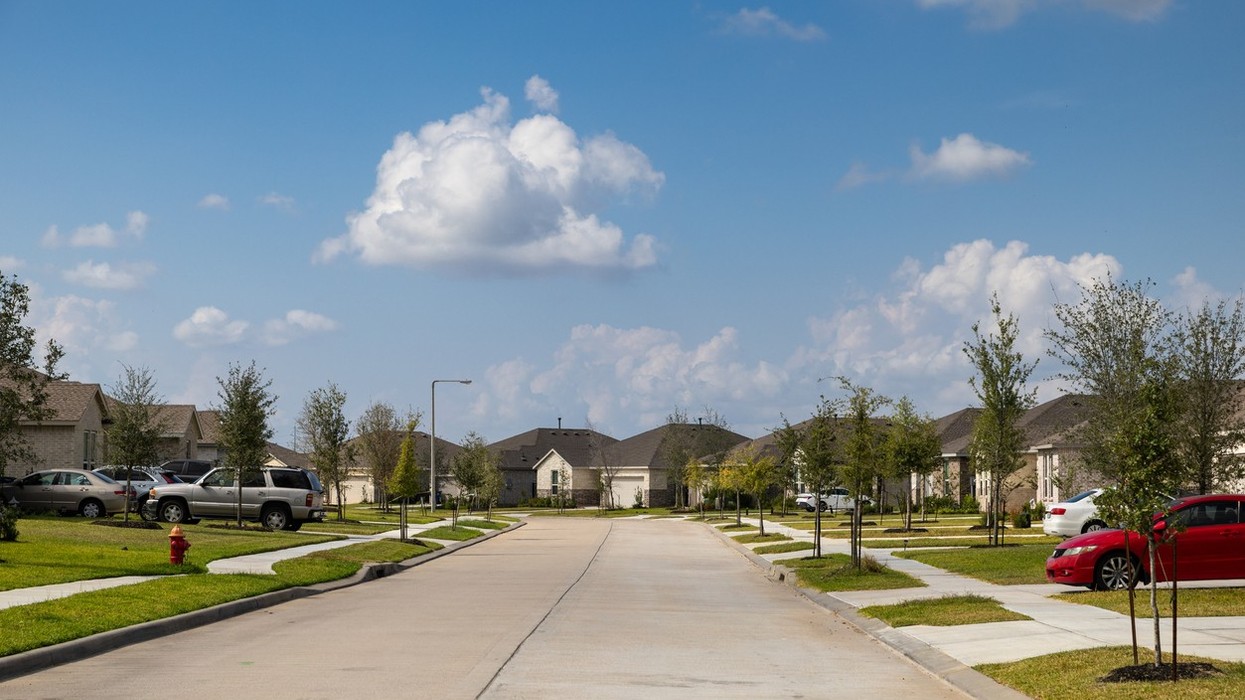
The shift is being felt across suburbs north of Dallas, including Frisco, Prosper and Celina, where Indian-born technology workers helped drive a housing boom over the past decade. Builders, real estate agents and immigration lawyers told Bloomberg that fewer buyers are entering the market while some homeowners are looking to leave amid uncertainty surrounding jobs and immigration status.
For years, south Asians were a major force in the region’s housing growth.
Zach Schneider of Tradition Homes was quoted as saying they once accounted for about 70 per cent of the company’s sales. However, in the past year, that share has fallen below 30 per cent.
The Dallas-Fort Worth metro area attracted more corporate headquarters relocations than any other US region since 2018, according to CBRE Group Inc.
For the four years ended September 30, 2024, the area received almost 32,000 new H-1B approvals, more than Silicon Valley, Seattle, San Francisco and Washington, DC, and second only to the New York City metro area.
The influx of Indian professionals helped fuel rapid growth across North Texas. Census data cited by Bloomberg showed Celina’s population more than trebled in five years, while Collin County recorded the largest percentage increase in Indian residents among large US counties.
That momentum has slowed. Redfin data showed home prices in Collin County suburbs north of Dallas fell almost nine per cent in February from a year earlier, compared with a four per cent decline across the wider metro area.
The downturn comes as president Donald Trump’s administration has tightened H-1B rules through new fees and higher salary thresholds. Texas governor Greg Abbott also ordered state agencies and public universities to freeze new H-1B petitions, while attorney general Ken Paxton expanded investigations into businesses suspected of fraud or abuse.
Real estate agent Neeraj Gupta, who arrived in Dallas on an H-1B visa in 2000, said some clients are selling despite losses while others are struggling to cover mortgage payments.
One client with two homes worth more than $1 million each in Frisco is considering returning to India, while another homeowner now owes more than his property is worth.
Florida International University professor Eli Beracha told Bloomberg that H-1B workers played a major role in housing demand. Fewer visa holders can leave homes built for expected buyers sitting on the market, he said.
Among those affected is Ravi Vavilala, who bought a home in Celina in 2023 for $895,000. After being laid off from his IT job while undergoing treatment for stage 4 kidney cancer, he put the house up for sale. His asking price has since fallen to $873,000, below what he paid.
Immigration lawyer Sharadha Kodem said many clients are dealing with layoffs and visa deadlines.
Those who lose H-1B jobs generally have 60 days to find a new sponsor or risk leaving the country. Some are willing to return to India but need more time to sell their homes.
The uncertainty has had severe consequences for some families. Priya Narayanaswamy’s husband Anand lost his job and later died by suicide after writing that he feared he could not compete with AI. The family listed their home, but did not find a buyer, and Narayanaswamy eventually returned to India with her children.
Looking back at the debate over immigrants and the economy, she told Bloomberg: “I want to sit back and watch. How will this economy be without us?”









 Seattle Seahawks players celebrate after winning Super Bowl LX in FebruaryGetty Images
 Seattle Seahawks players during a gamexx
 Celebrations after the team’s Super Bowl LX triumphxx
 Vinod Khosla with his wife NeeruGetty Images