

The inability to stand on one leg for 10 seconds in middle-aged and older people is related to a higher risk of mortality and a shorter life expectancy, a study has concluded.
According to the research carried out by experts from universities and clinics in the UK, US, Finland, Australia and Brazil, failing the test was linked with an 84 per cent increased risk of dying within ten years.
While assessments of balance are currently not a routine part of health checks, researchers feel they should be used in clinics to pinpoint those with a shorter life expectancy.
The one-leg test was conducted on 1,702 middle-aged people placing the front of their free leg against the back of the leg that was touching the ground and the results are published in the British Journal of Sports Medicine.
The researchers drew on data on participants in a long-running exercise study in Brazil. These were aged 61 on average when they underwent tests, and about two-thirds were men.
Some 20.5 per cent of participants failed the test, with the likelihood of doing so increasing as they became older.
The failure rate was about five per cent for those aged 51 to 55, eight per cent among those aged 56 to 60, 18 per cent for those aged 61 to 65, and 37 per cent for those aged 66 to 70, The Times reported.
After the age of 70, participants were more likely than not to fail the test, with 54 per cent of those aged 71 to 75 unable to complete the challenge.
During seven years of follow-up on average, 123 of the participants died from causes including cancer, cardiovascular disease, respiratory disease and complications of Covid-19. Among those who failed the test, 17.5 per cent died, compared with 4.5 per cent of those who passed – a 288 per cent higher risk, the newspaper said, citing the study.

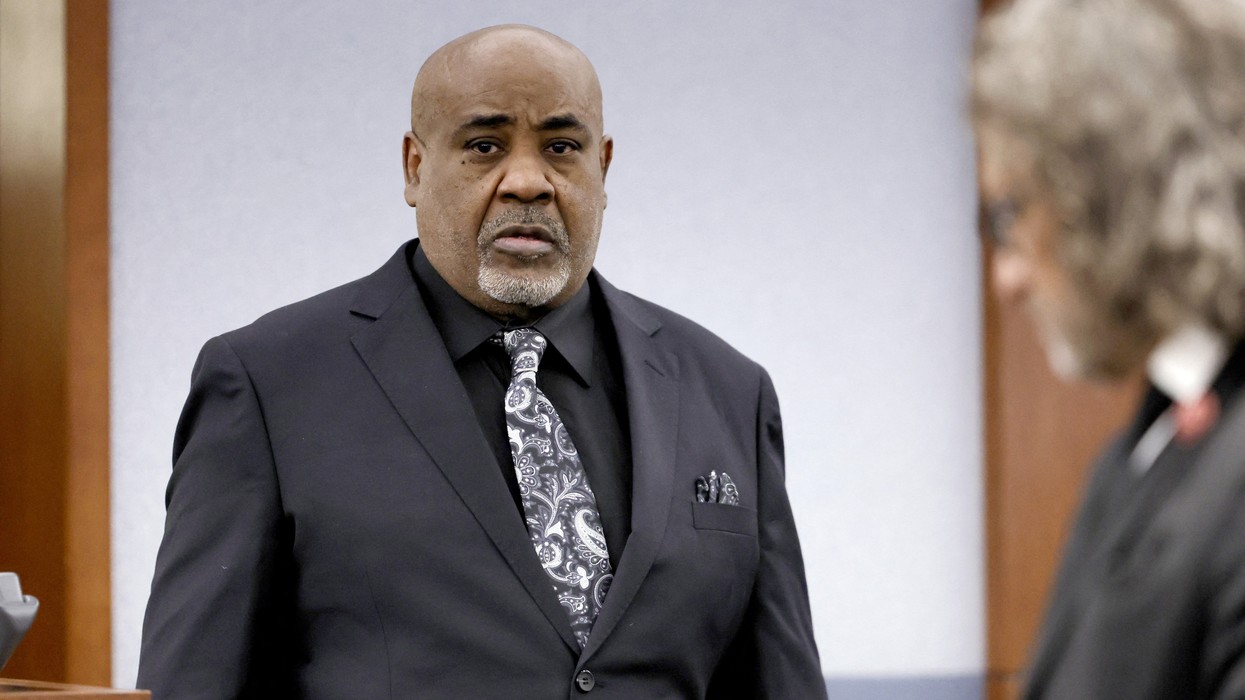
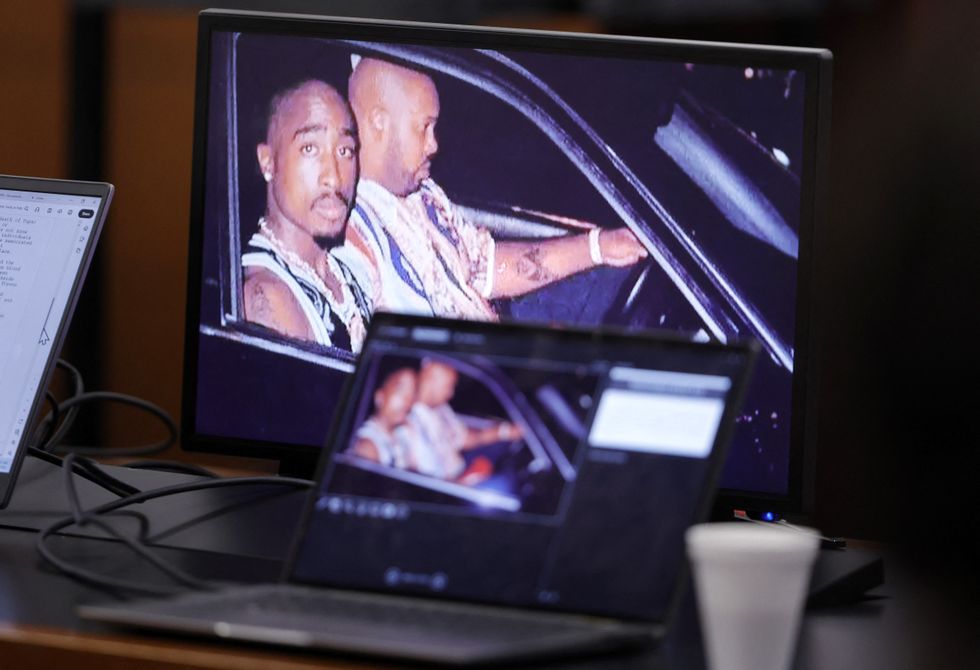 A 1996 photo of rapper Tupac Shakur (L) and Marion "Suge" Knight is shown on screens during closing arguments in the Duane Davis murder trial, related to the 1996 killing of rapper Tupac Shakur, at Clark County District Court at the Regional Justice Center in Las Vegas, Nevada, on August 31, 2026. Getty Images



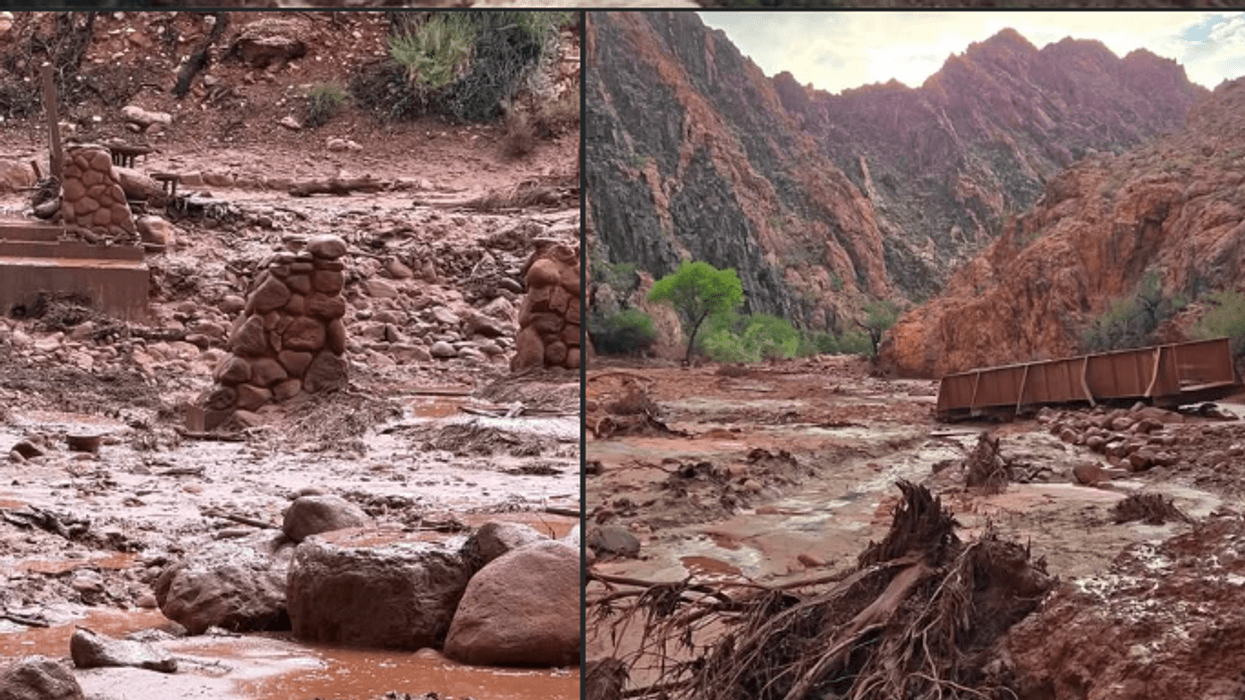
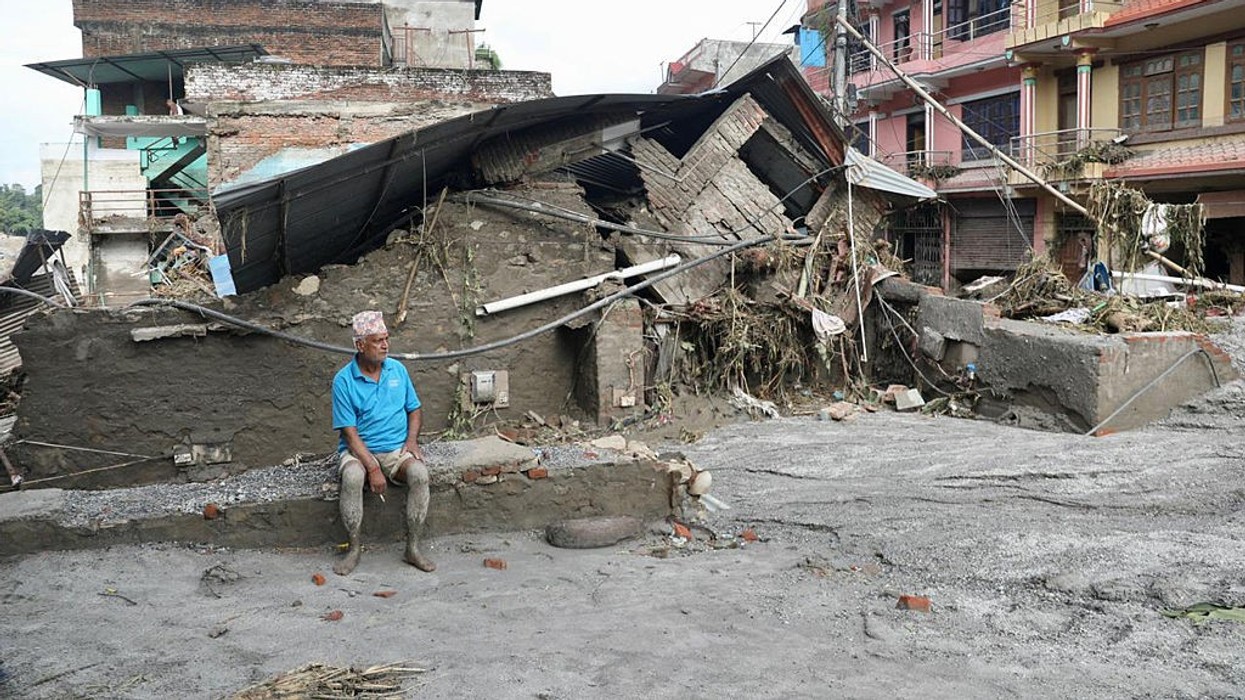
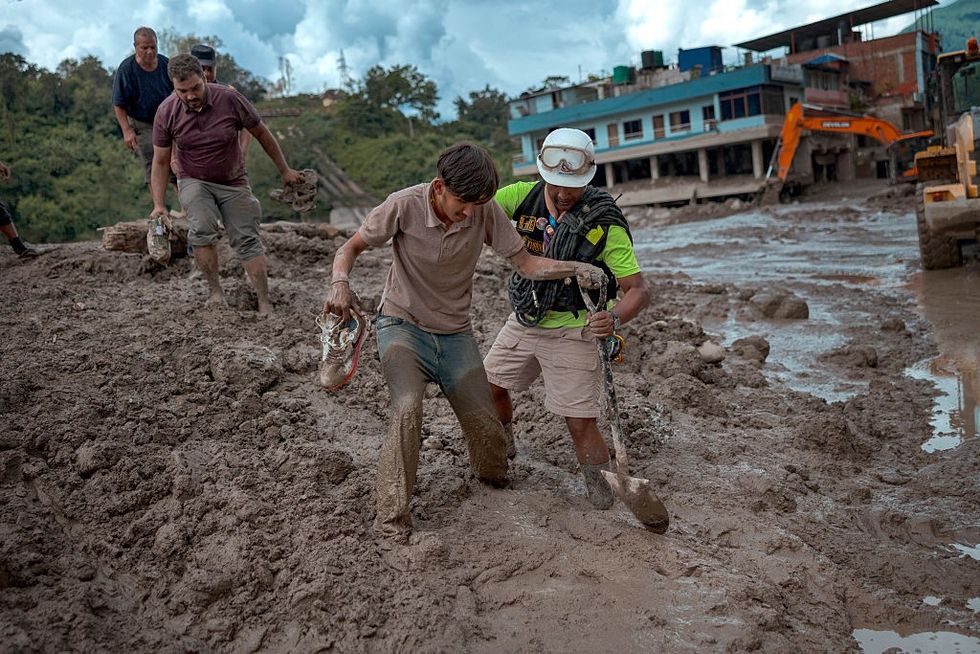 A rescuer assists a resident through heavy mud following flash floods on August 27, 2026 in Trishuli, Nepal. A sudden flood swept through the Bhote Koshi River basin in northern Rasuwa on August 26, damaging settlements, roads and energy infrastructure as rescue teams searched for residents and foreign travellers reported out of contact. Hundreds were reported missing, as the death toll started to climb.Getty Images
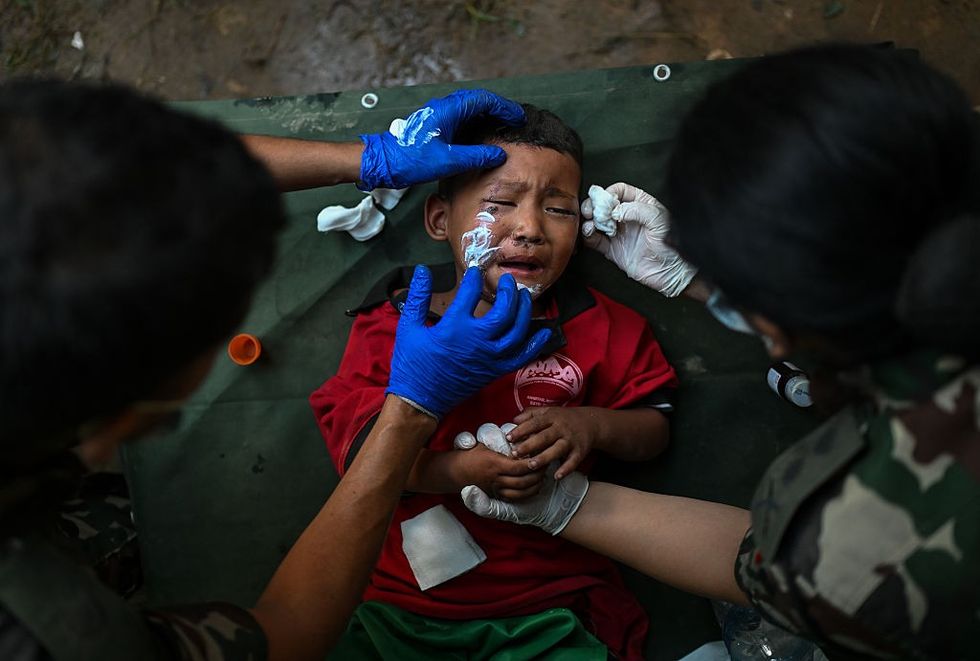 Rescue personnel provide medical treatment to a child at an army rescue camp in Trishuli Batar, Nepal, on August 27, 2026. A sudden flood swept through the Bhote Koshi River basin in northern Rasuwa on August 26, damaging settlements, roads and energy infrastructure, as rescue teams searched for residents and foreign travellers reported out of contact. Hundreds were reported missing as the death toll began to climb. Getty Ima
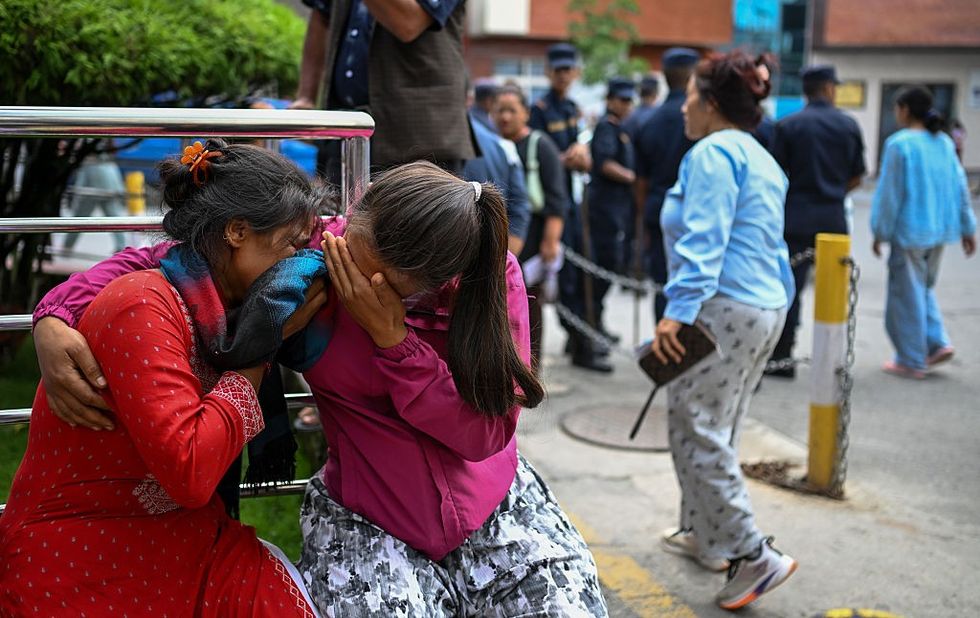 Family members of missing flood victims react at the emergency ward of the Maharajgunj Medical Campus, part of the Tribhuvan University Teaching Hospital, on August 28, 2026 in Kathmandu, Nepal. Authorities said the flash floods were triggered after a mass of ice, mud and rock collapsed into a Himalayan river near the Nepal-China border, leaving hundreds dead or missing and causing widespread damage in affected districts. Authorities continued the gruelling search for victims, many buried under metres of mud, as both China and Nepal issued fresh flooding alerts.Getty Images