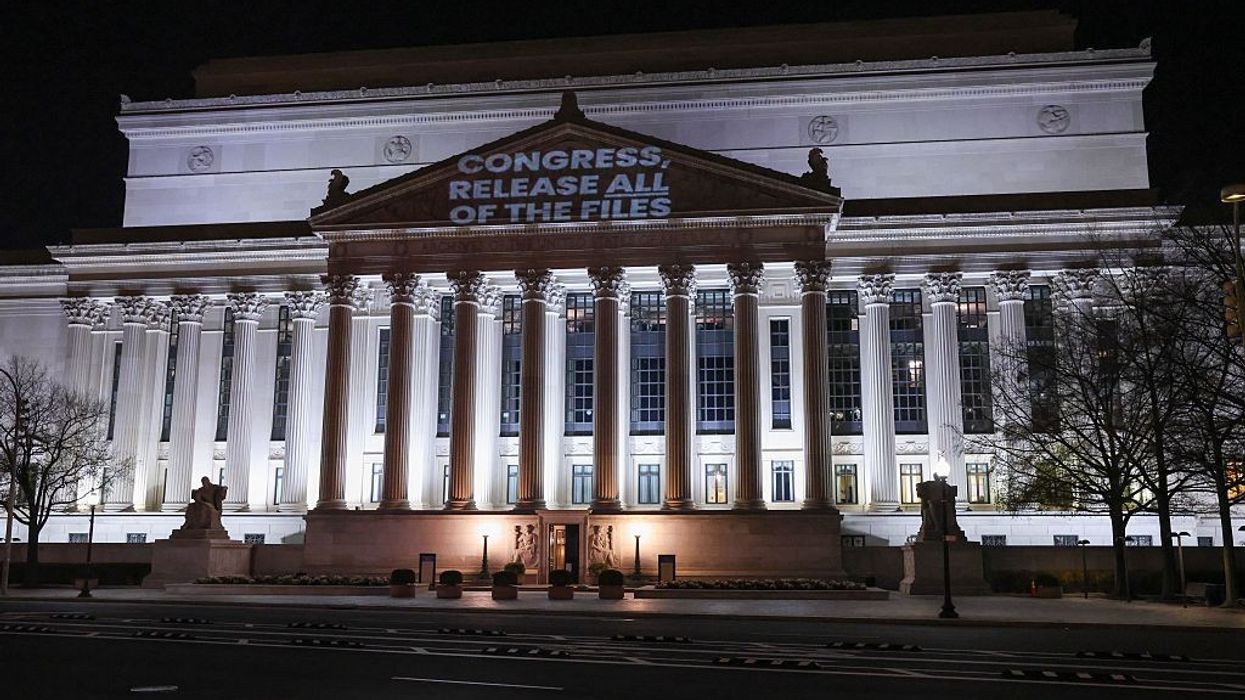

Highlights:
- Congress overwhelmingly approved releasing unclassified Justice Department files on Jeffrey Epstein.
- President Trump reversed his prior opposition and now says he supports full disclosure.
- The bill mandates release within 30 days but allows withholding details tied to ongoing investigations or victim identities.
- Newly revealed emails referencing Trump reignited public and political scrutiny, though no wrongdoing by Trump is alleged.
- Epstein survivors and bipartisan lawmakers say transparency is essential for accountability and justice.
Congress has decisively ordered the release of US Justice Department files on the late financier and convicted sex offender Jeffrey Epstein, sending the measure to president Donald Trump's desk after bipartisan, fast-moving votes in both chambers. The House approved the legislation by a sweeping 427-1 margin, and the Senate passed it moments later through unanimous consent, bypassing debate or amendments.
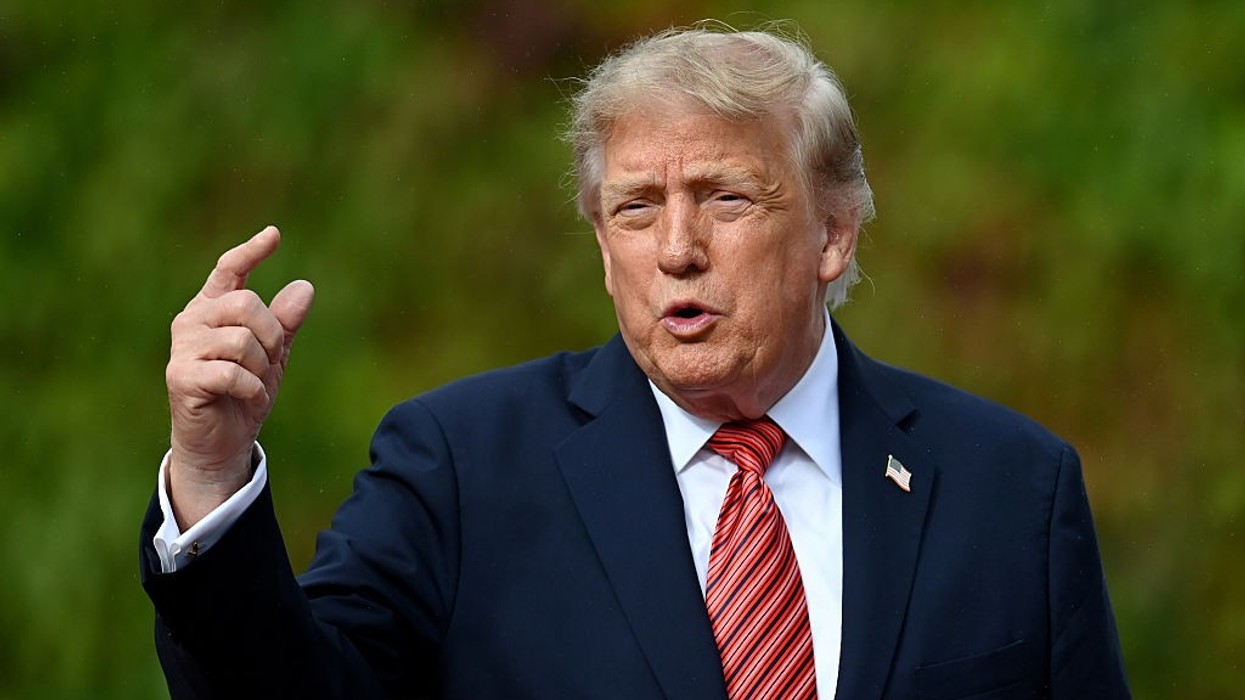
The rapid turnaround came only days after president Trump abruptly shifted from opposing to supporting the release of the records. Previously, he had criticized lawmakers who pushed for transparency. Still, after public pressure from many of his supporters, and renewed media attention following the publication of more than 20,000 Epstein-related documents, Trump endorsed full disclosure, saying he had 'nothing to hide.'
The lone House vote against the bill came from Republican Clay Higgins of Louisiana, who argued that releasing the full set of records could risk 'innocent people being hurt.' His objection stood in stark contrast to the political momentum behind the efforts, which united lawmakers from both parties and surprised much of the Republican leadership. Speaker Mike Johnson, who had recently dismissed the push as a 'Democrat hoax,' ultimately voted in favor.
The legislation requires Attorney General Pam Bondi to release all unclassified Epstein-related material within 30 days of enactment. These include internal Justice Department communications, flight logs, investigative documents, and records identifying individuals or entities connected to Epstein and his longtime associate Ghislaine Maxwell. However, the attorney general retains authority to withhold information that could jeopardize ongoing federal investigations or reveal victims' identities.
Epstein died in a New York jail in 2019, in what was ruled a suicide, while awaiting trial on federal sex-trafficking charges. Thousands of documents collected during two federal investigations, including interviews with victims and witnesses, remain unreleased.
Trump and Epstein had previously socialized in overlapping circles, but Trump says their relationship ended long before Epstein's 2008 convictions and denies any involvement in criminal behavior.
The renewed debate intensified last week after Democrats on the House Oversight Committee released several email chains between Epstein and Maxwell. One 2011 email referenced Trump in connection with a victim.
The White House clarified that the victim was Virginia Giuffre, who died earlier this year and emphasized her long-standing statements that she never saw Trump engage in abuse. Press Secretary Karoline Leavitt accused Democrats of selectively leaking the emails to create a false narrative.
The bipartisan push for transparency was spearheaded by Representatives Thomas Massie, a Kentucky Republican, and Ro Khanna, a California Democrat. Massie, who has faced criticism from Trump over the effort, said colleagues who opposed release would be seen as having “voted to protect pedophilias.”
Representative Marjorie Taylor Greene also broke with Trump over the issue, calling his stance “one of the most destructive things” to the MAGA movement since 2016.
At a press conference, several Epstein survivors urged the immediate release of the investigative files. Survivor Annie Farmer called years of secrecy an “institutional betrayal,” arguing that inadequate investigation allowed further abuse to occur. The bill now awaits Trump’s signature, which he is expected to give.








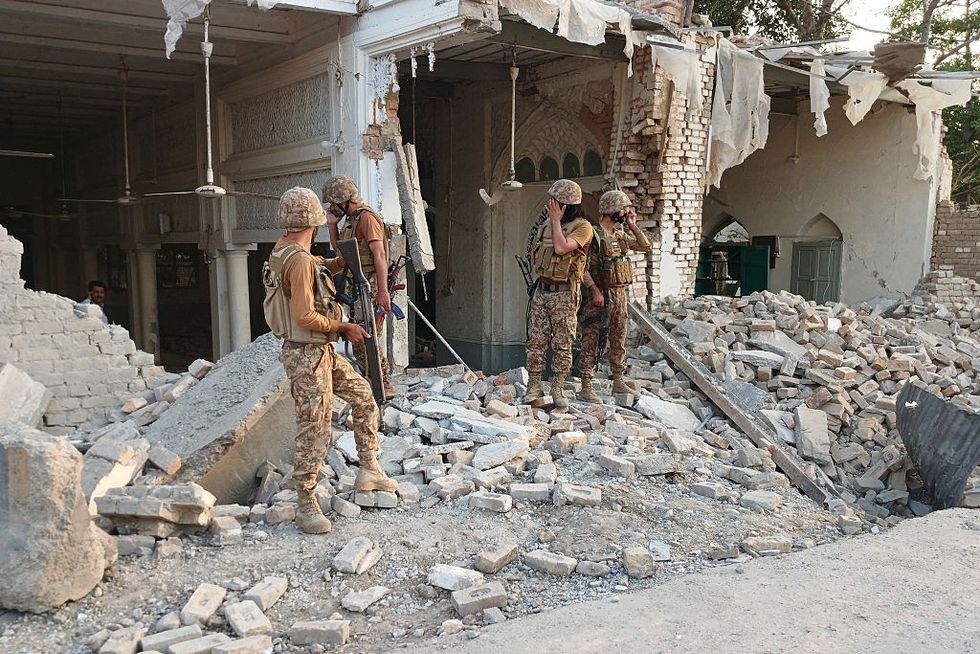 Army personnel stand amid the rubble following an explosion inside the police headquarters at Kohat in Pakistan's Khyber Pakhtunkhwa province on September 18, 2026. An explosion at a historic police headquarters in northern Pakistan on September 18 killed at least eight people and wounded 35 more, officials said, with the country's president swiftly blaming a militant group. Getty Images
 Mourners read the holy Quran while sitting around the grave of a paramilitary personnel of the Frontier Corps (FC) who was killed during the Afghanistan-Pakistan border clashes, in Kohat on October 17, 2025. A ceasefire along the frontier between Afghanistan and Pakistan was holding on October 16, officials on both sides said, after dozens of troops and civilians were killed in cross-border clashes.Getty Images