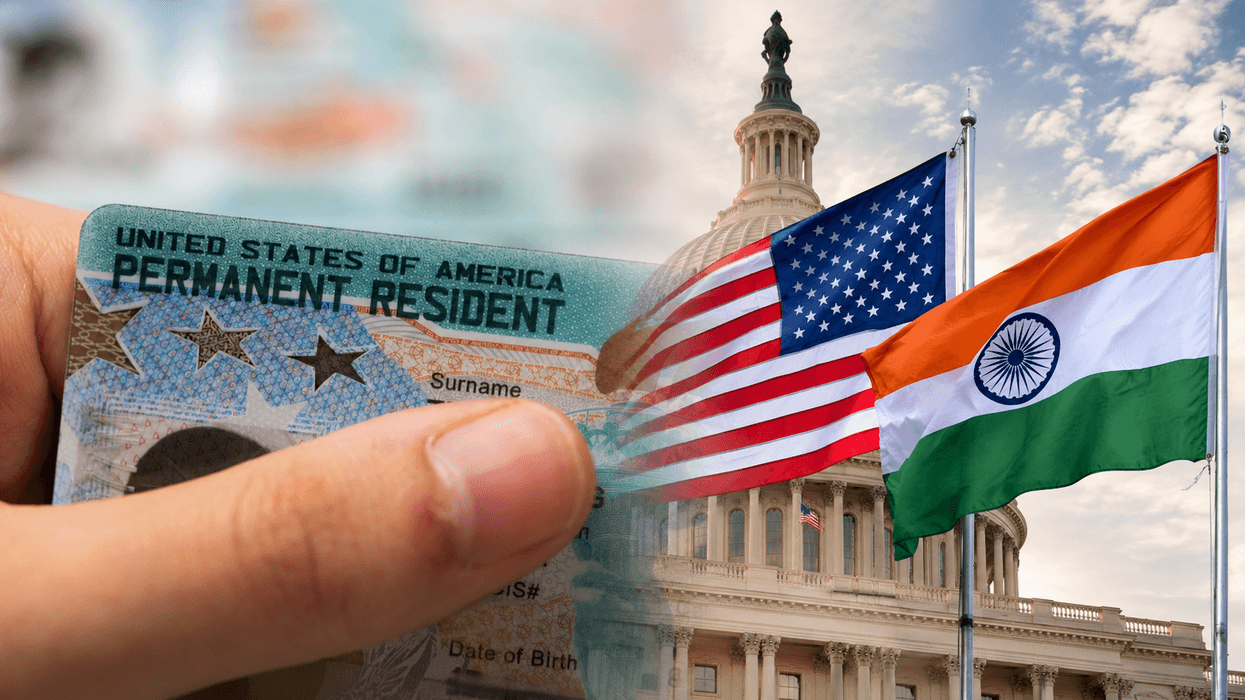

A CENTURY-OLD immigration provision could offer some Indian H-1B professionals a new route to permanent residency under legislation reintroduced by California Senator Alex Padilla.
While the proposal would not eliminate the decades-long employment-based green card backlog, it could provide an alternative pathway for some long-term US residents.
The bill has drawn attention because Indian nationals make up the largest share of applicants waiting for employment-based green cards. For hundreds of thousands of Indian professionals, permanent residency has become a waiting game measured not in years but decades, with many remaining on temporary work visas long after arriving in the United States.
Padilla’s proposal would revive a little-used provision of US immigration law known as the Registry, allowing some long-term residents to apply for permanent residency outside the employment-based green card system. It does not remove the per-country cap or increase the number of employment-based green cards, but it could offer a different route for those who qualify.
The legislation has also renewed debate over an immigration system that many lawmakers, employers and immigrant advocates argue no longer reflects today’s workforce, particularly for Indian professionals who have been disproportionately affected by the backlog.
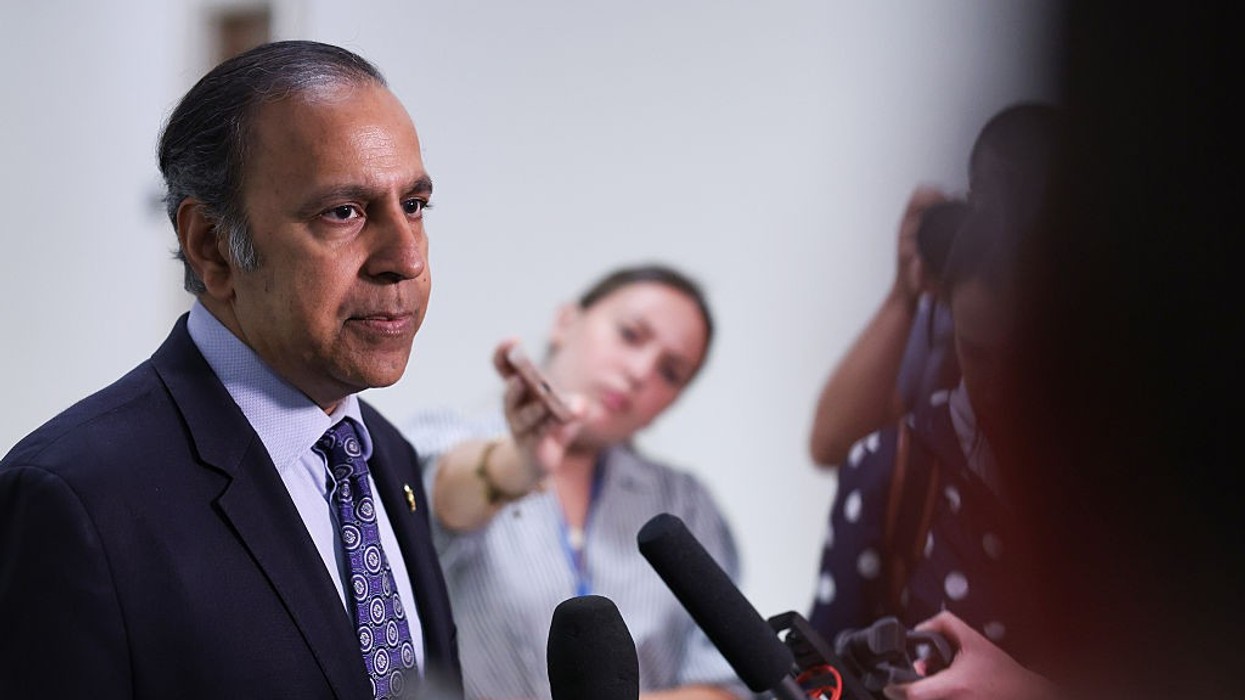
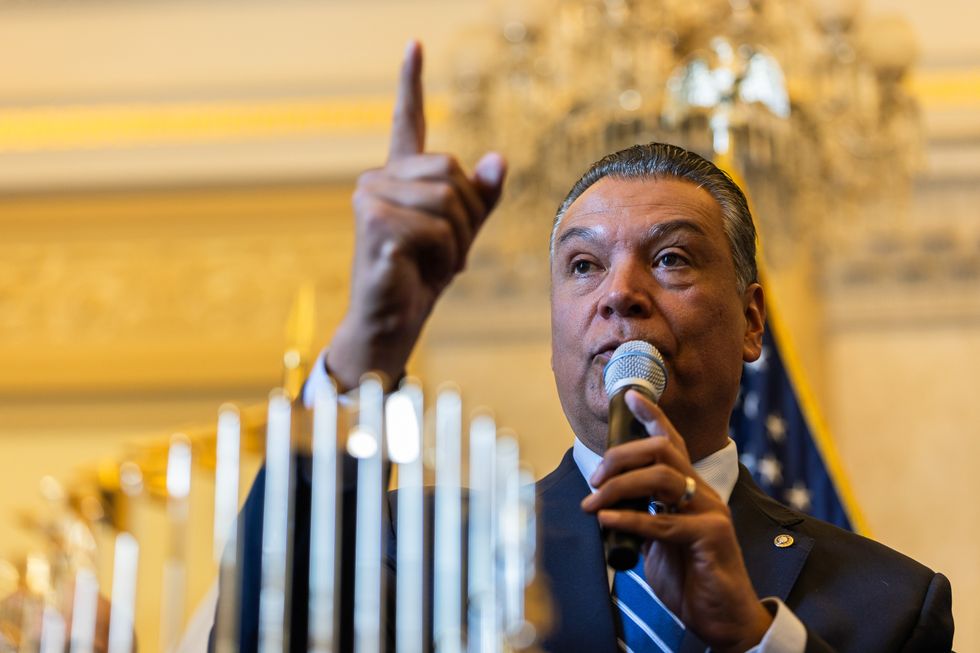 Alex PadillaGetty Images
The US issues only a limited number of employment-based green cards each year. Federal law also caps most employment-based green cards issued to any one country at roughly 7 per cent, regardless of its population or the number of applicants.
Indian nationals have been hit hardest by that system, and the roots go back to the same law that created it.
The Immigration Act of 1990 established both the H-1B visa category and the current 140,000 annual ceiling on employment-based green cards, with the 7 per cent per-country limit applied to that ceiling.
In the decades since, demand for H-1B talent, and the pool of workers seeking to convert that status into a green card, grew enormously, driven first by the rise of Silicon Valley and later by the expansion of the technology, healthcare, and research sectors, with Indian professionals filling a large and growing share of those roles.
The annual green card ceiling and its per-country limit, however, have remained essentially unchanged since 1990. The result is a system built for a far smaller applicant pool than the one it now has to process.
Indian nationals receive the largest share of H-1B visas annually and make up a large share of the skilled workforce employed by US technology companies, healthcare providers, and research institutions. Because demand far exceeds the country cap, available green cards are exhausted quickly while new applicants continue entering the system.
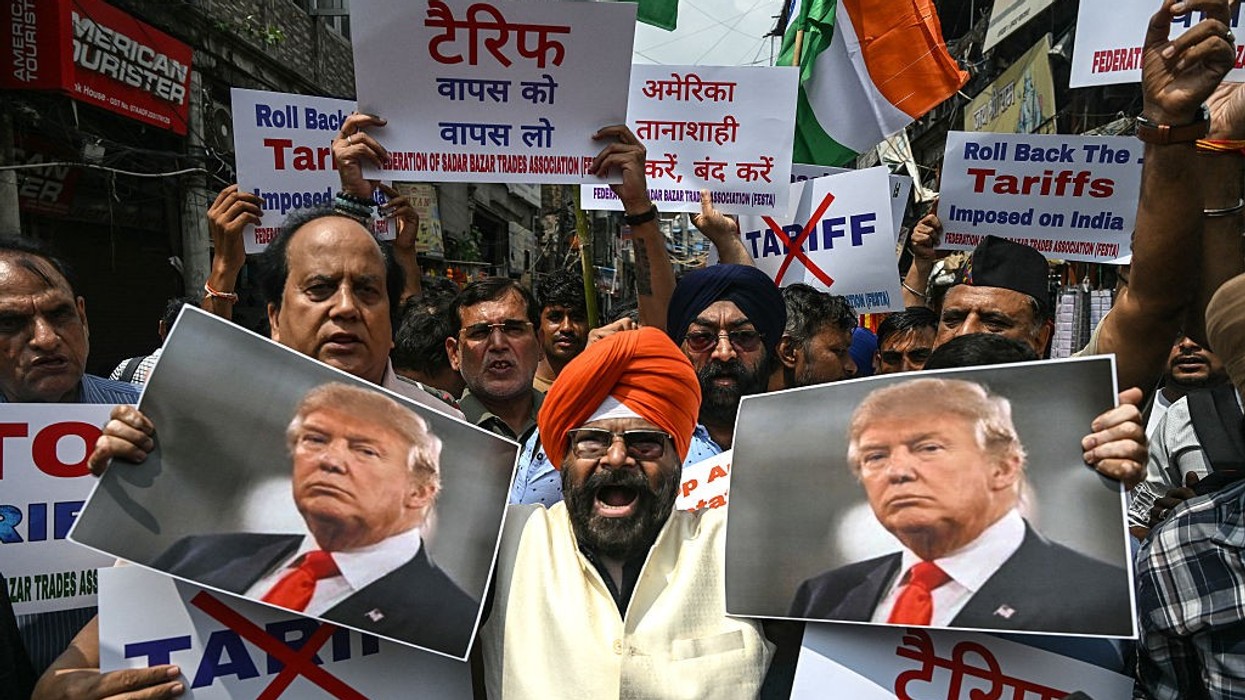
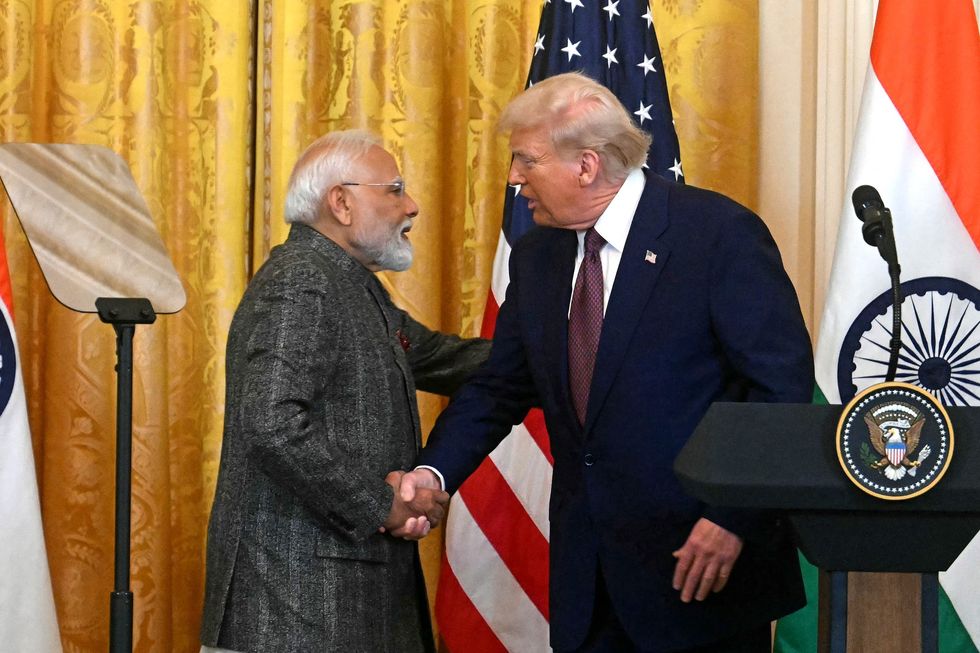 Narendra Modi and Donald Trump during a meeting in 2025Getty Images
According to figures cited by Padilla’s office, Indian nationals account for around 80 per cent of the employment-based green card backlog, with waiting periods stretching from more than a decade to several decades, depending on the visa category and priority date.
The impact extends well beyond immigration paperwork. Professionals remain tied to temporary work visas, career moves become more complicated, spouses may face employment restrictions, and some children risk losing their dependent status before their parents receive permanent residency.
Employers feel it too: prolonged backlogs give skilled employees more reason to consider opportunities in countries offering faster paths to permanent residency, at a time when competition for the same talent is global.
Rather than changing the employment-based immigration system itself, Padilla’s proposal revives a little-known provision of US immigration law known as the Registry.
First enacted in 1929 and last updated in 1986, the Registry allows certain long-term US residents to apply for lawful permanent residency if they meet residency and other eligibility requirements. But because eligibility is tied to an arrival date of January 1, 1972, the provision has become virtually obsolete.
According to Padilla’s office, only 305 people adjusted their immigration status through the Registry between 2015 and 2019.
His bill, the Renewing Immigration Provisions of the Immigration Act of 1929, would replace the fixed 1972 cutoff with a rolling seven-year residency requirement. Anyone who has lived continuously in the United States for at least seven years before applying could become eligible for permanent residency without Congress having to repeatedly update the law.
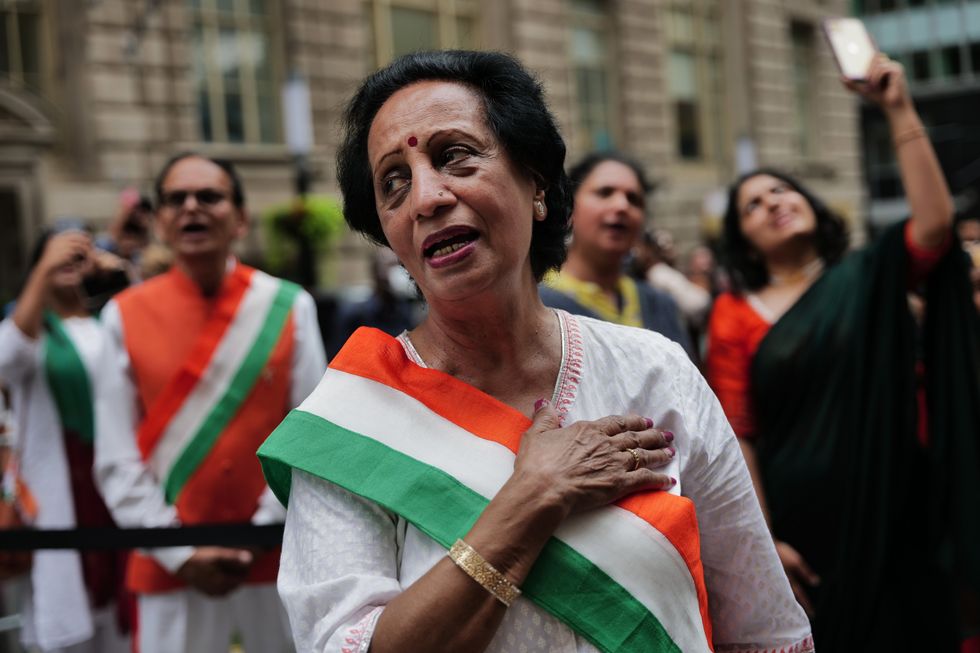
 Many Indian H-1B professionals wait years or even decades for permanent residency in the USx
Unlike the employment-based green card process, eligibility under the Registry would not depend on employer sponsorship or country-specific quotas.
That means some long-term H-1B professionals could pursue permanent residency through a different pathway instead of remaining in the employment-based queue. The proposal would not remove the 7 per cent country cap or eliminate the employment-based backlog. Instead, it offers a potential alternative for long-term residents who meet the eligibility requirements.
Padilla says the legislation is intended to modernize an immigration provision that has remained largely unchanged for decades.
“Congress cannot continue to ignore millions of long-term residents who contribute to our economy and communities every day,” he said while reintroducing the bill. “It’s past time to modernize our immigration laws and create a fair pathway to lawful permanent residency.”
He also linked the proposal to president Donald Trump’s immigration policies. “A year ago, I introduced this bill to push back against the Trump administration’s cruel treatment of hardworking immigrants,” Padilla said. “Since then, president Trump’s campaign of fear has only escalated, with families living under constant uncertainty despite having built their lives in this country.”
According to Padilla’s office, the proposal could make more than eight million long-term US residents eligible to apply for permanent residency. Besides H-1B professionals, those who could benefit include Dreamers, people with Temporary Protected Status, and children of long-term visa holders, provided they meet the residency and other eligibility requirements.
For Indian professionals, however, the bill’s significance lies elsewhere.
Unlike previous proposals that sought to increase employment-based green cards or remove the per-country cap, Padilla’s legislation creates an alternative pathway to permanent residency. Eligible H-1B professionals who have lived in the United States for at least seven years could pursue permanent residency outside the employment-based queue.
Despite support from Senate Democratic whip Dick Durbin, representative Zoe Lofgren, and more than 30 labor, immigration, and civil rights organizations, the bill faces long odds in a Republican-controlled Congress, where immigration remains one of the most divisive political issues. Every cosponsor in the Senate and the House is a Democrat; no Republican has signed on to either version of the bill.
 x
x
The proposal also joins a long list of immigration reform efforts that have failed to become law. Over the years, Congress has repeatedly considered measures to ease the employment-based green card backlog, including bills to remove or raise the per-country cap that disproportionately affects Indian applicants. While some advanced through one chamber of Congress, none ultimately addressed the problem.
Padilla’s bill takes a different approach by updating an overlooked provision of immigration law rather than changing the employment-based green card system itself. Whether that strategy attracts broader support remains uncertain.
For Indian-Americans, the legislation offers hope—but not the breakthrough many have sought.
It leaves untouched the per-country cap that created the employment-based green card backlog and does not increase the annual number of employment-based green cards. Professionals who do not qualify under the revised Registry would remain in the existing queue.
For those who do qualify, however, the impact could be significant. An alternative route to permanent residency could end years of uncertainty and reduce dependence on temporary work visas. For employers, it could also mean an easier case for retaining senior H-1B talent who might otherwise look elsewhere.
The broader challenges would remain. For many Indian families, the backlog continues to shape major life decisions, from changing jobs and buying homes to planning their children’s future in the US. As long as the employment-based system remains unchanged, those concerns are unlikely to disappear.
Padilla’s proposal is unlikely to end the decades-long green card backlog facing Indian professionals. But it has once again drawn attention to an immigration system that many lawmakers, businesses, and immigrant advocates argue no longer reflects the realities of today’s workforce.
Whether the bill advances or stalls, it has revived debate over an issue that has lingered in Washington for years. For the hundreds of thousands of Indian professionals still waiting for permanent residency, the central question remains unchanged: when and how will Congress finally address the employment-based green card backlog?










Katrina Kaif reacts to postpartum beauty comments, reveals her 'skin became sensitive' and 'feeling best matters more'