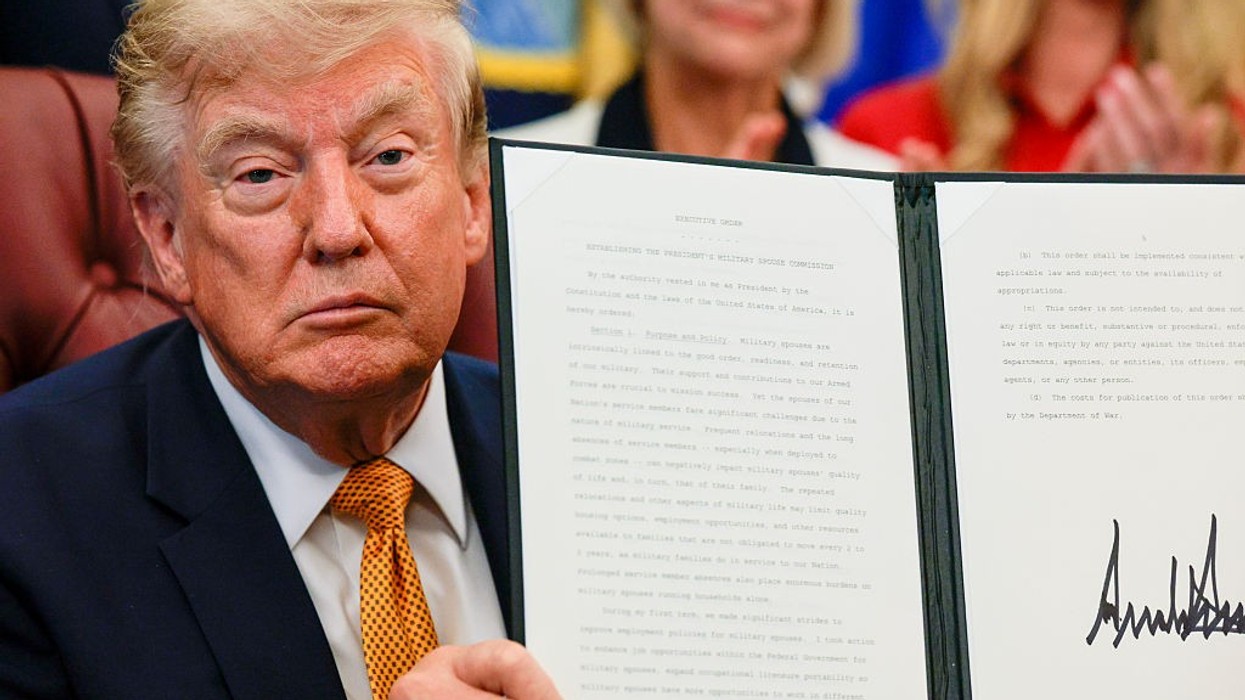

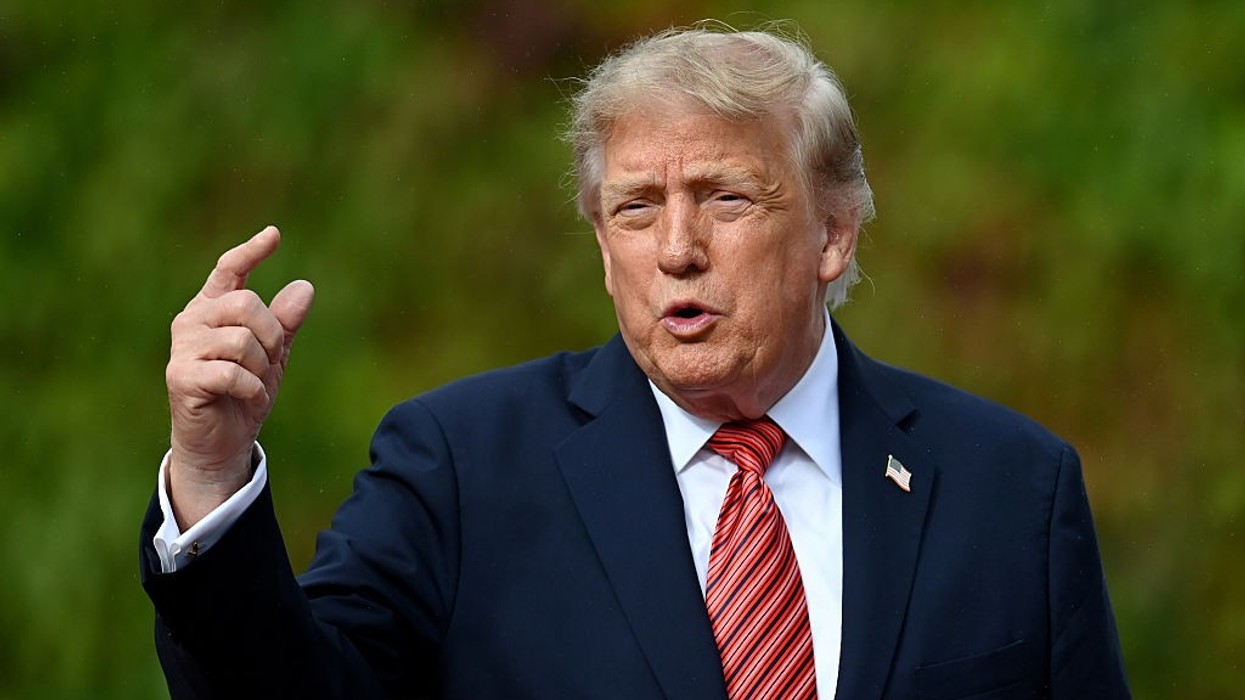
President Donald Trump has renewed his push to curb birthright citizenship by signing two executive orders aimed at restricting birth tourism and expanding the categories of people his administration says should not receive citizenship documents at birth. The move comes just weeks after the U.S. Supreme Court rejected his earlier attempt to narrow birthright citizenship, setting the stage for another legal battle over the interpretation of the Fourteenth Amendment.
One of the executive orders targets individuals who engage in commercial “birth tourism,” seeking to deny entry to those who travel to the United States primarily to give birth so their children can obtain U.S. citizenship. The second order broadens the administration’s definition of people it considers ineligible for birthright citizenship documents, including children of foreign citizens who lobby on behalf of foreign governments.
The latest action comes after the Supreme Court, on June 30, rejected Trump’s previous executive order seeking to end birthright citizenship. The ruling reaffirmed the more than century-old interpretation of the Fourteenth Amendment, under which nearly everyone born on U.S. soil is recognized as an American citizen.
Speaking to reporters in the Oval Office after signing the executive orders, Trump criticized the Supreme Court’s decision while defending his administration’s latest move.
“We had a very unfortunate decision in the Supreme Court concerning birthright, it was close, but a very, very unfortunate decision. So we're making adjustments,” the president said.
Trump was joined during the signing by White House Deputy Chief of Staff Stephen Miller, Commerce Secretary Howard Lutnick, U.S. Trade Representative Jamieson Greer, and White House Staff Secretary Will Scharf.
Referring to the origins of birthright citizenship, Trump said the Fourteenth Amendment, ratified on July 9, 1868, was enacted following the Civil War to guarantee citizenship to formerly enslaved people and others born in the United States.
“This was done right after the Civil War. This was for the babies of slaves, and what's happening now? People are building businesses around it,” Trump said.
Stephen Miller, widely regarded as the architect of Trump’s immigration agenda, argued that birth tourism has created incentives for foreign nationals to misuse the U.S. immigration system.
“People come to the US pretending to be a tourist, but the real reason they're here is to have a child, to make that child an automatic citizen,” Miller said.
“It gives them access, under this broken system, to welfare benefits, ultimately to the voting booth, and all the other rights and privileges that belong solely to Americans,” Miller said.
According to the executive order, citizenship documents should not be granted to children whose parents engaged “in a commercial transaction to ensure that the person's mother is present in the United States, or a territory of the United States, to give birth.”
The order also identifies other categories, including children of members of terrorist groups, children of certain foreign government employees, and children born in U.S. territories “where citizenship is not conferred by Federal statute.”
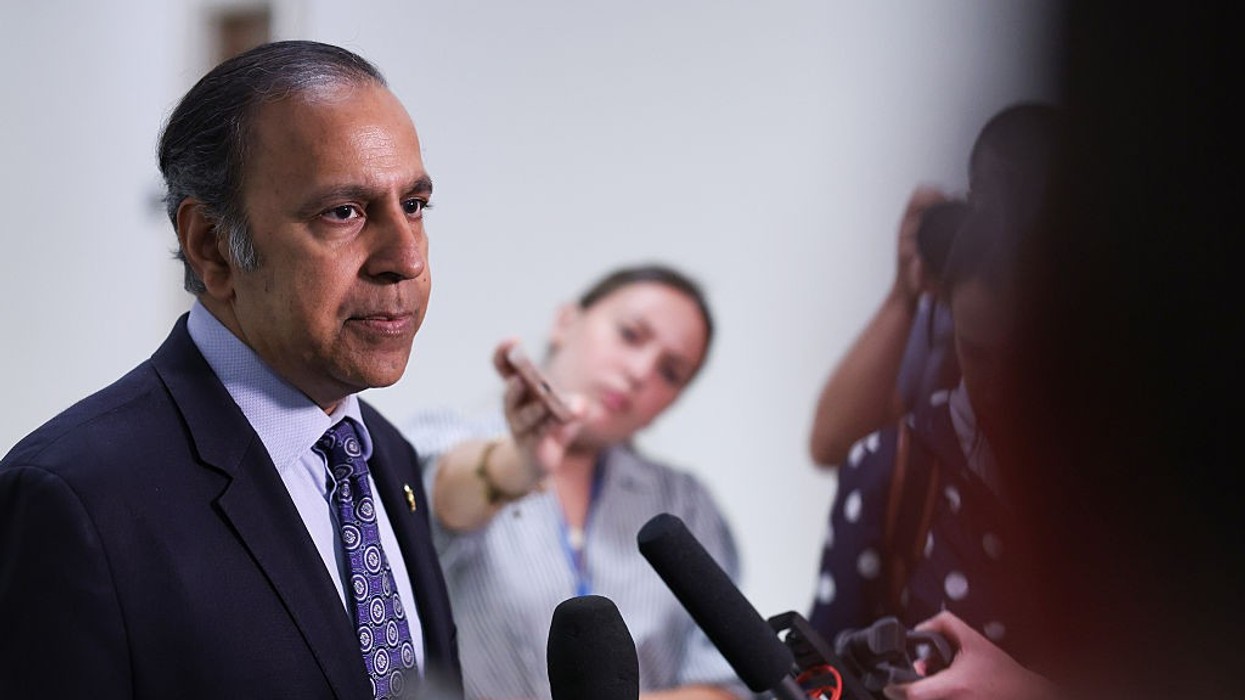
The executive actions immediately drew criticism from immigration attorneys and civil rights organizations, which argued that the measures conflict with the Constitution.
“Trump's new EO on birthright citizenship is also blatantly unconstitutional when it precludes citizenship if the parents of the person engages in a commercial transaction to ensure that the person's mother is present in the United States, or a territory of the United States to give birth," New York-based immigration attorney Cyrus Mehta said in a post on X.
"The meaning of commercial transaction is too vague and violates the 14th Amendment. It should be struck down,” he added.
The Migration Policy Institute estimates that between 22,000 and 26,000 babies are born annually in the United States through birth tourism, although government data recorded about 9,600 births to mothers with foreign addresses in 2024.
The American Civil Liberties Union also criticized the executive orders, saying, “The Supreme Court already decided this issue: Birthright citizenship is guaranteed by the Constitution. Any executive order that tries to attack birthright citizenship will meet the same fate as President Trump's last one.”


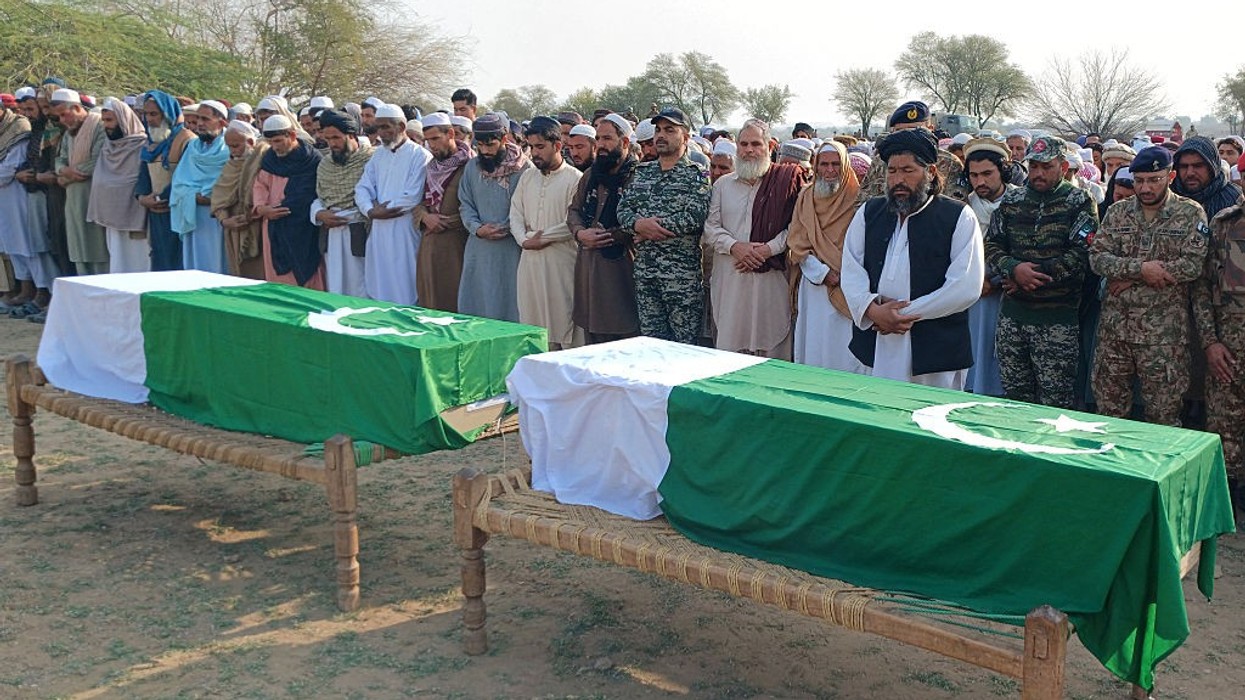
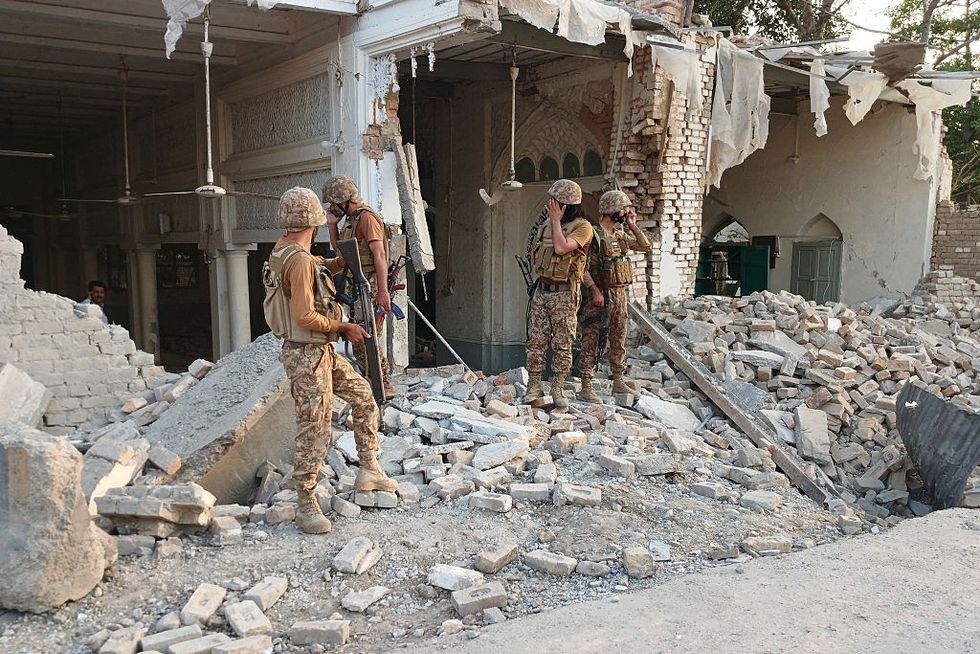 Army personnel stand amid the rubble following an explosion inside the police headquarters at Kohat in Pakistan's Khyber Pakhtunkhwa province on September 18, 2026. An explosion at a historic police headquarters in northern Pakistan on September 18 killed at least eight people and wounded 35 more, officials said, with the country's president swiftly blaming a militant group. Getty Images
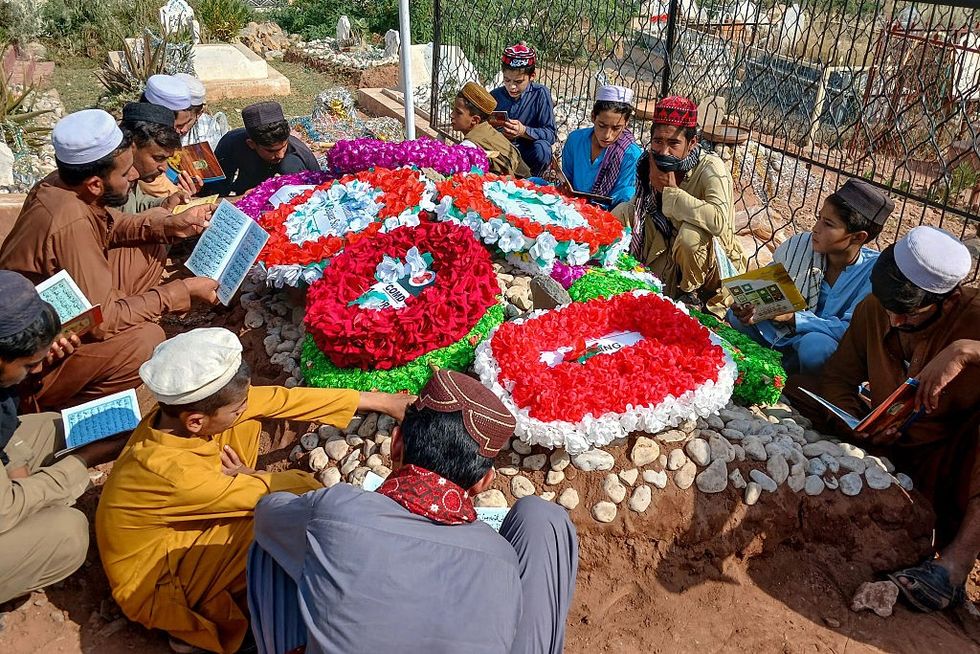 Mourners read the holy Quran while sitting around the grave of a paramilitary personnel of the Frontier Corps (FC) who was killed during the Afghanistan-Pakistan border clashes, in Kohat on October 17, 2025. A ceasefire along the frontier between Afghanistan and Pakistan was holding on October 16, officials on both sides said, after dozens of troops and civilians were killed in cross-border clashes.Getty Images