RISHI SUNAK did not imagine that his premiership would end up like this. His intention was to lead an economy-first government, rebuild trust in politics and deliver on many fronts.
Sunak has become the embattled leader of a single-issue government and mutinous party. Every week seems to be immigration week now. Cut legal migration on Monday. Make a Treaty with Rwanda on Tuesday. Publish an emergency bill on Wednesday. Take back control was the plan – but a loss of control has been the outcome.
Proposing the biggest ever cuts to net migration was made easier by the government having first tripled the levels since 2019. Sunak is a late convert to cutting the numbers after supporting Boris Johnson’s liberal post-Brexit policies as Chancellor. The changes to study and work visas were largely pragmatic: increasing salary thresholds while exempting NHS, social care and teaching visas. International student visas remain unlimited, though restrictions on dependents for short masters courses were re-announced.
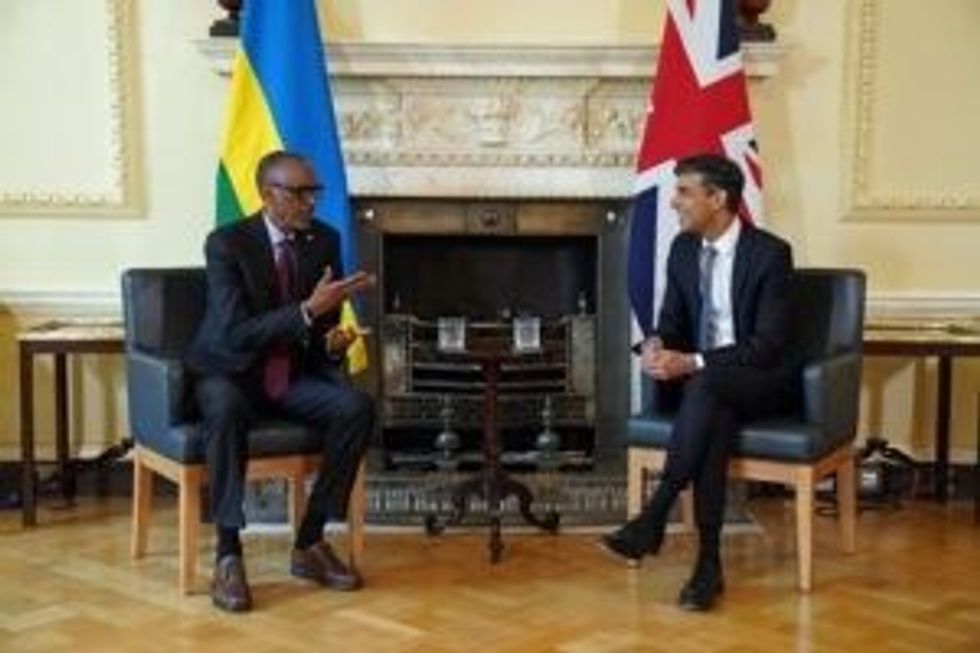 President of Rwanda, Paul Kagame (L) and Rishi Sunak are seen during a bilateral meeting at 10 Downing Street, during his visit to the UK on May 4, 2023 (Photo by Stefan Rousseau – WPA Pool/Getty Images)
There were rushed changes to family migration rules too, which are both unnecessary and cruel. To set an identical salary threshold of £38,000 to both a hypothetical future worker and an existing family unit – renewing a visa here, or wanting to come back to live in Britain – views the family life of British citizens as having no ethical value beyond a utilitarian calculus of economic contribution and service use. Much pain will be caused for a comparatively marginal impact on migration numbers. Annual net migration by 2024-2025 could well be on course to dip back rather closer to 250,000 than to 750,000. MPs across parties – including the Labour opposition – should find more confidence to differentiate proposals for sensible reductions from those that are damaging or hurtful.
Stopping the boats is much harder. James Cleverly was the third Home Secretary in two years to fly to Rwanda for a signing ceremony. His hosts have doubled their money to £290 million despite the policy being on hold. The government’s case for the UK-Rwanda Treaty is that its new provisions, buttressed by reforms on the ground, have addressed every reason that led the UK Supreme Court to find Rwanda unsafe and the policy unlawful. If the government believed this was true, it would have no need to propose its Safety of Rwanda Bill, with its extraordinary demand that the courts must always find Rwanda safe, regardless of the evidence.
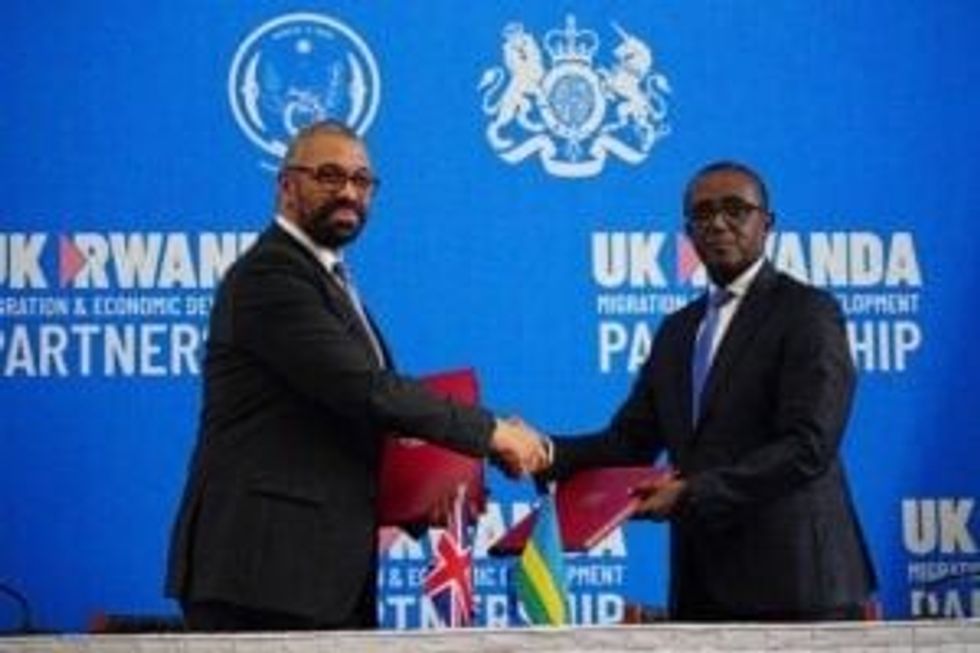 British Home Secretary James Cleverly meeting Rwandan Minister of Foreign Affairs Vincent Biruta sign a new treaty with Rwanda on December 5, 2023 in Kigali, Rwanda (Photo by Ben Birchall – Pool/Getty Images)
In proposing this emergency legislation, Sunak took a big hole and dug it deeper. The bill was published early to overshadow Suella Braverman’s post-sacking Commons statement – a cunning plan which backfired once it triggered the resignation of immigration minister Robert Jenrick. The Conservative right-wing insists the law must disapply every treaty and court process, but Damian Green’s One Nation group will not accept a bill which does that. The House of Lords could delay the bill beyond the election if the two chambers do not agree.
The 2019 Conservative manifesto contains no hint of the Rwanda policy. It did, however, pledge to “continue to grant asylum to refugees fleeing persecution”, to “ensure judicial review is available to protect the rights of individuals against an overbearing state” and to protect rights “no matter where in the world you and your family come from”.
 The new family migration rules view British citizens as having no ethical value beyond a utilitarian calculus of economic contribution and service use, says Katwala (Photo by Luke Dray/Getty Images)
Rishi Sunak and David Cameron do not want to ditch the European Convention on Human Rights – because doing so would undermine the Good Friday Agreement and the post-Brexit deal. Having been unable to persuade Robert Jenrick of this case, the UK government made a surprise breakthrough with Paul Kagame. Rwanda’s unanticipated declaration, that it could not deal with the UK if we left the ECHR, emerged just as Jenrick resigned, enabling Sunak to make this the key riposte to his departing minister. Many in Westminster suspect this new Rwandan red line was cooked up in London rather than Kigali. Rishi Sunak must hope David Cameron’s diplomatic skills will prevent any proof emerging, or the consequences could be devastating.
 Sunder Katwala
Has Sunak been the victim of bad luck, poor judgment or being dealt an impossible hand? Perhaps all three. Political leaders often over-compensate most when pursuing an agenda at odds with their own instincts. Sunak took care to make promises he felt he could keep on the economy and public services, but his pledges to “stop the boats” and remove every asylum seeker within days were absolute and impossible.
The Conservative party appears ungovernable – and the Rwanda policy less likely than ever to actually happen. The headache of finding a workable alternative will fall to the next government. The Together With Refugees coalition has launched a campaign this week, Fair Begins Here, to mobilise the voices of those who believe in the principle of Britain protecting refugees. More focus on fixing the asylum system in Britain, rather than Rwanda, would be one foundation for a controlled and compassionate policy that might actually work.



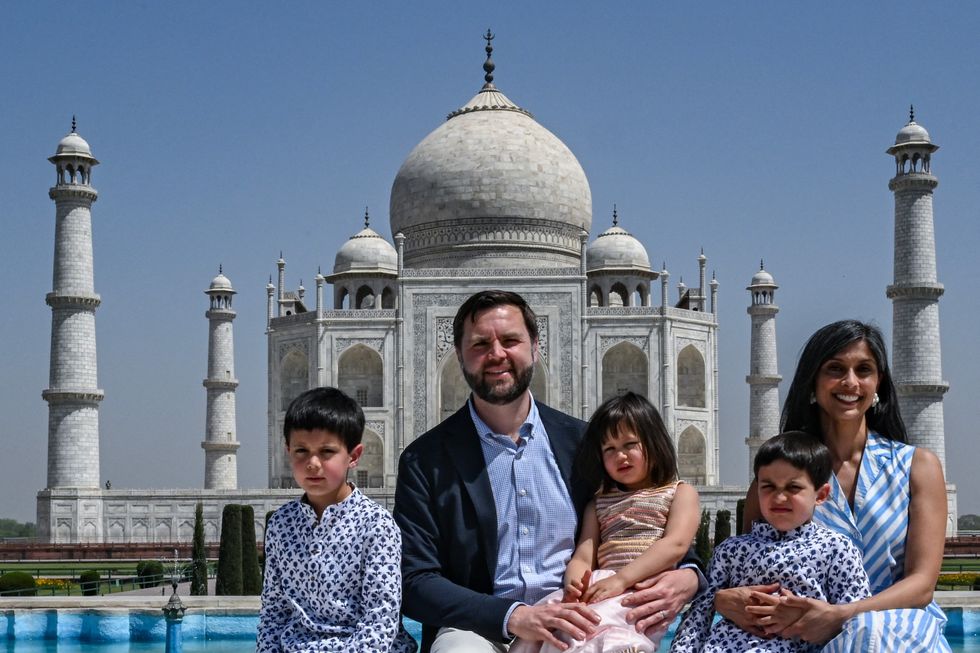 The couple during their visit to the Taj Mahal in Agra earlier this yearxx





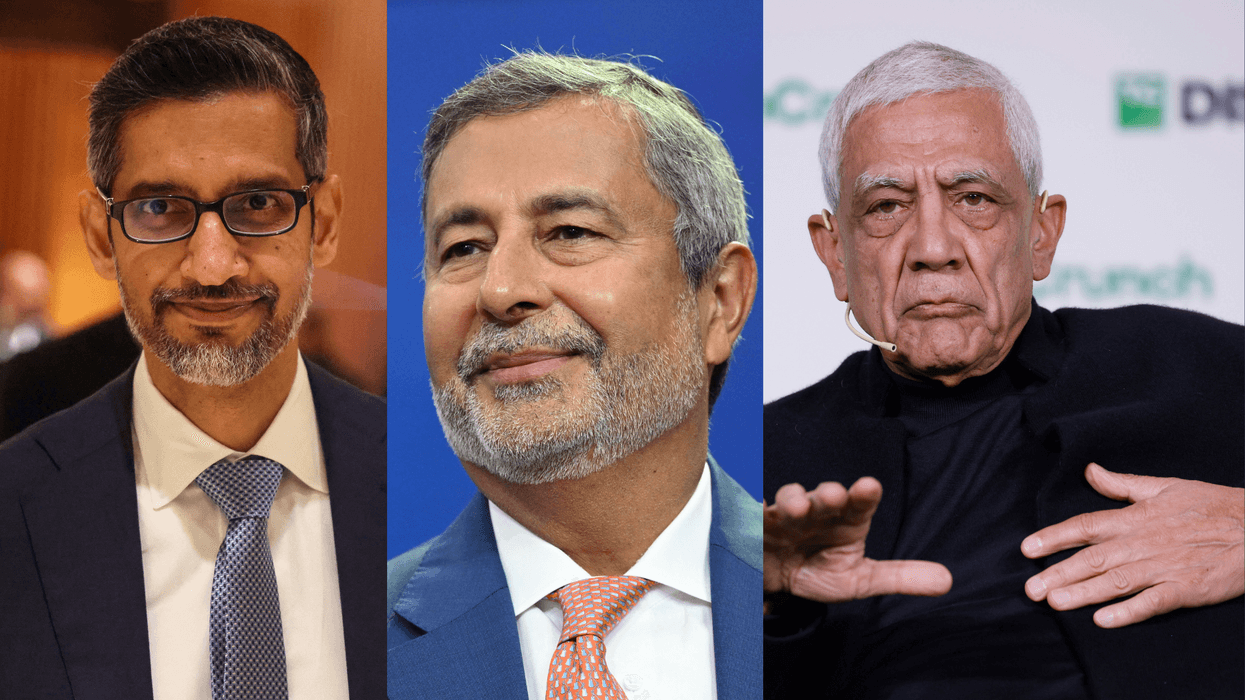
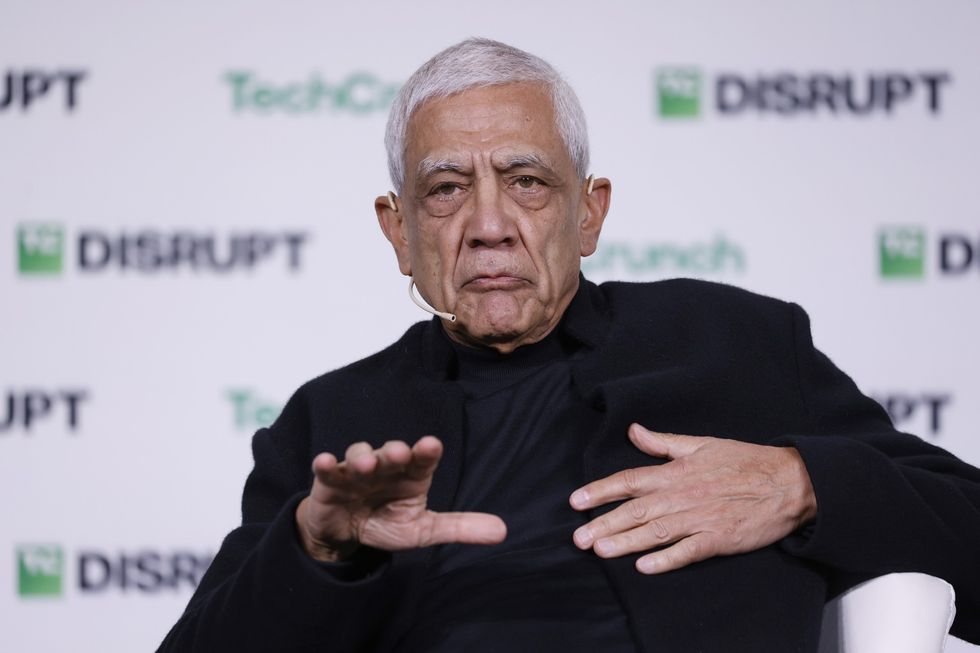 SAN FRANCISCO, CALIFORNIA - OCTOBER 28: Vinod Khosla, Founder, Khosla Ventures, speaks onstage during day two of TechCrunch Disrupt 2025 at Moscone Center on October 28, 2025 in San Francisco, California. (Photo by Kimberly White/Getty Images for TechCrunch)Getty Images
 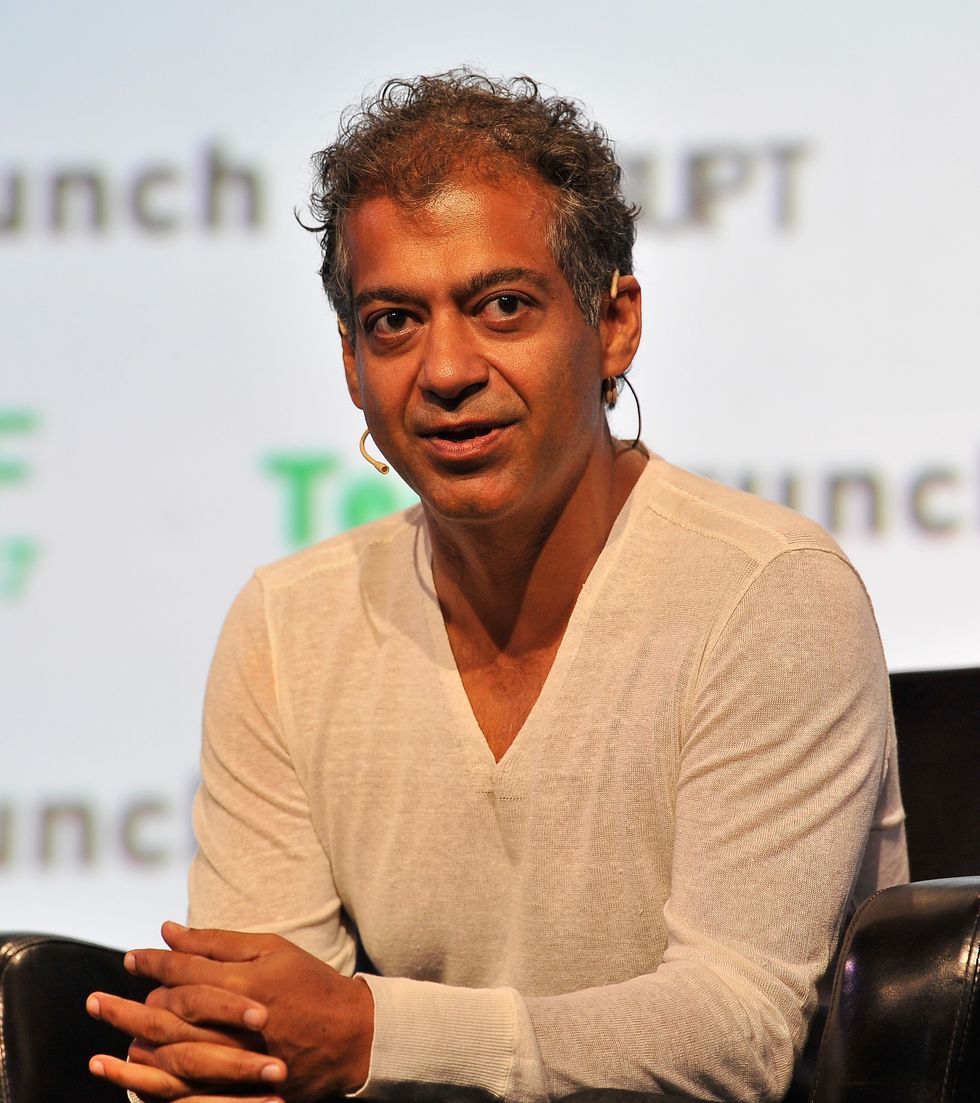 SAN FRANCISCO, CA - SEPTEMBER 18: AngelList Co-Founder and CEO Naval Ravikant speaks onstage during TechCrunch Disrupt SF 2017 at Pier 48 on September 18, 2017 in San Francisco, California. (Photo by Steve Jennings/Getty Images for TechCrunch)Getty Images
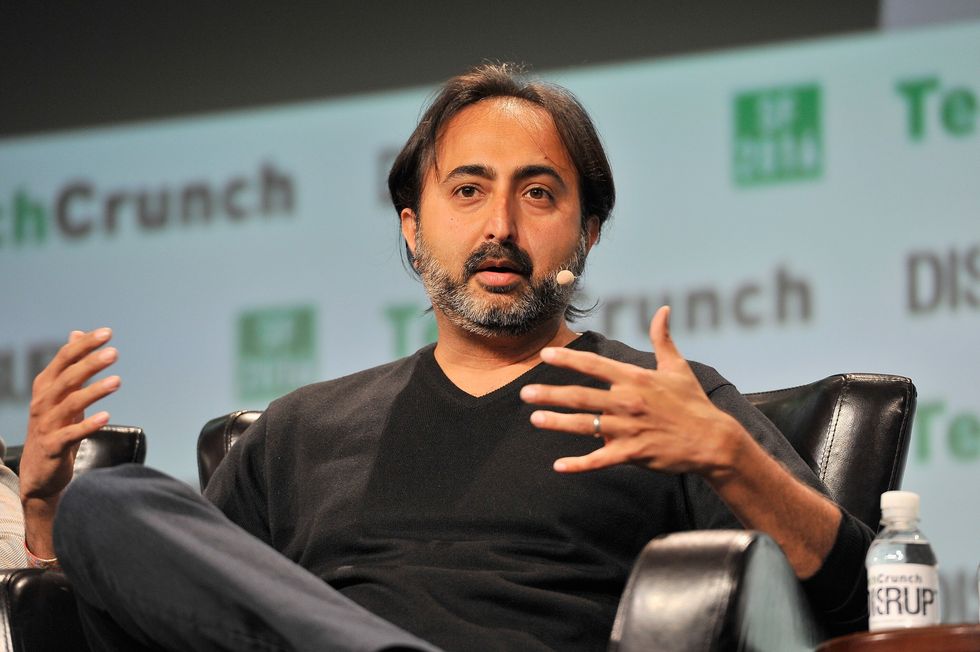 SAN FRANCISCO, CA - SEPTEMBER 14: Managing Director of General Catalyst Hemant Taneja speaks onstage during TechCrunch Disrupt SF 2016 at Pier 48 on September 14, 2016 in San Francisco, California. (Photo by Steve Jennings/Getty Images for TechCrunch)Getty Images
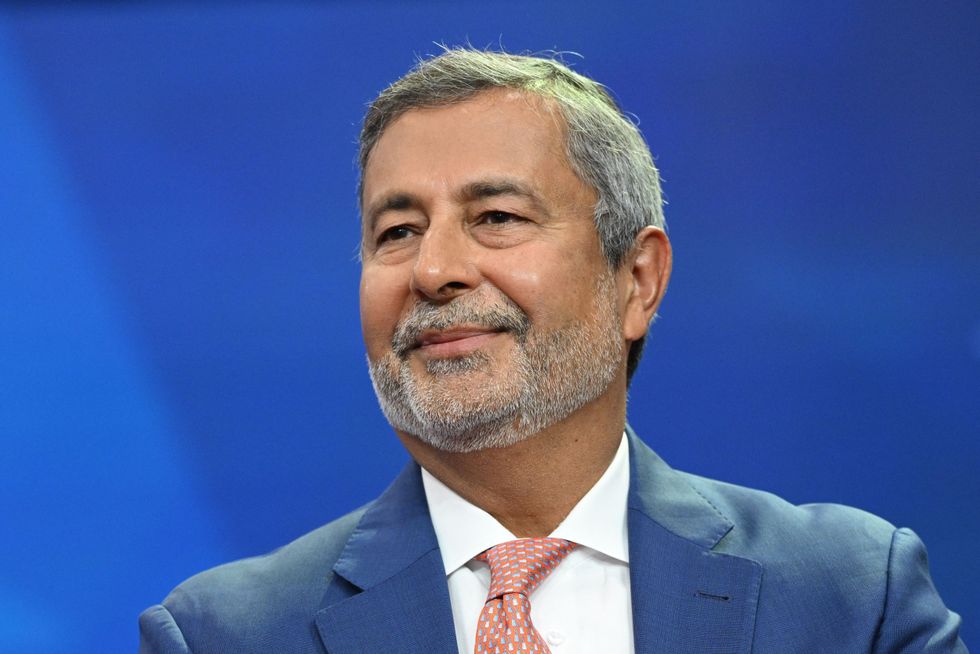 CEO of Micron Technology Sanjay Mehrotra, listens to US President Joe Biden speak about manufacturing, at the SRC Arena and Events Center of Onondaga Community College in Syracuse, New York on October 27, 2022. (Photo by MANDEL NGAN / AFP) (Photo by MANDEL NGAN/AFP via Getty Images)Getty Images
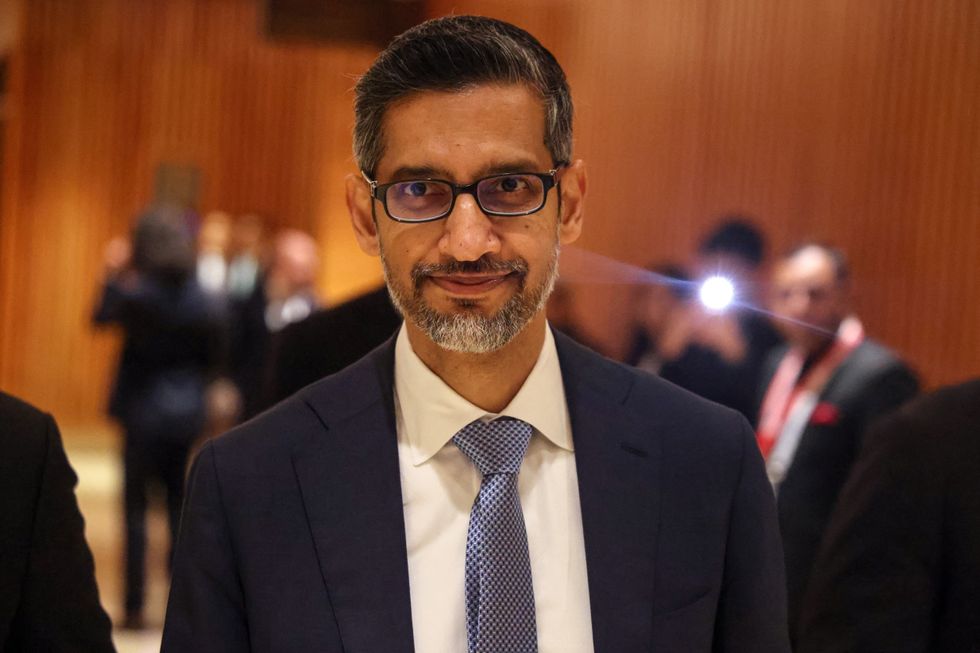 Google CEO Sundar Pichai looks on during the AI Impact Summit in New Delhi on February 19, 2026. (Photo by Ludovic MARIN / AFP via Getty Images)Getty Images
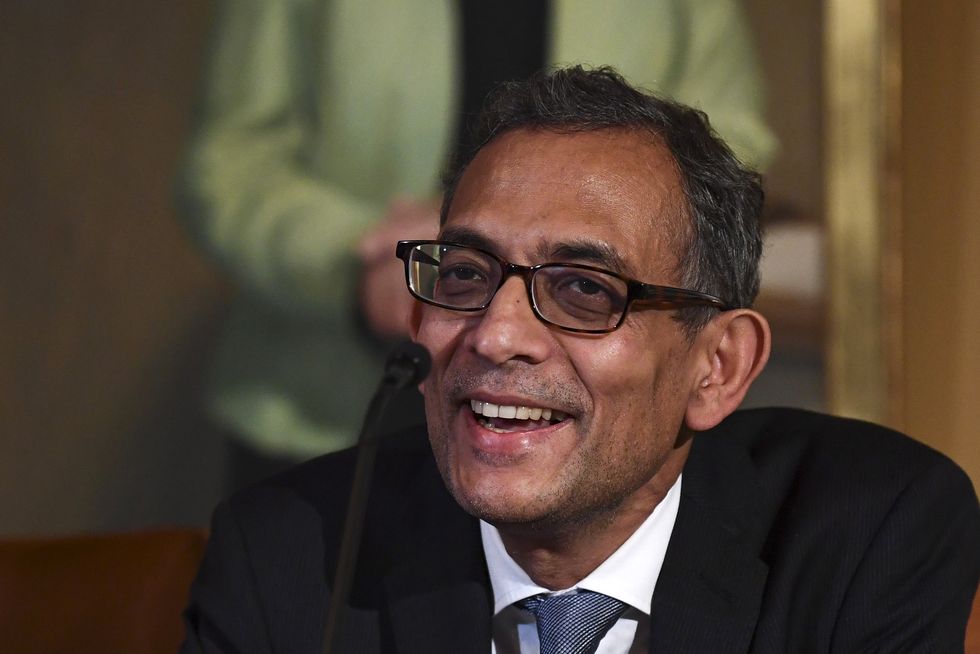 Indian born Abhijit Banerjee, laureate of Prize in Economic Sciences in Memory of Alfred Nobel 2019, speaks during a press conference with the Nobel physics, chemistry and economics laureates at the Royal Swedish Academy of Sciences, on December 7, 2019 in Stockholm, Sweden. (Photo by Jonathan NACKSTRAND / AFP) (Photo by JONATHAN NACKSTRAND/AFP via Getty Images)Getty Images
 NEW YORK, NEW YORK - FEBRUARY 12: Padma Lakshmi attends Gold House's Lunar New Year Gold Celebration at Chinese Tuxedo on February 12, 2026 in New York City. (Photo by Noam Galai/Getty Images for Gold House)Getty Images
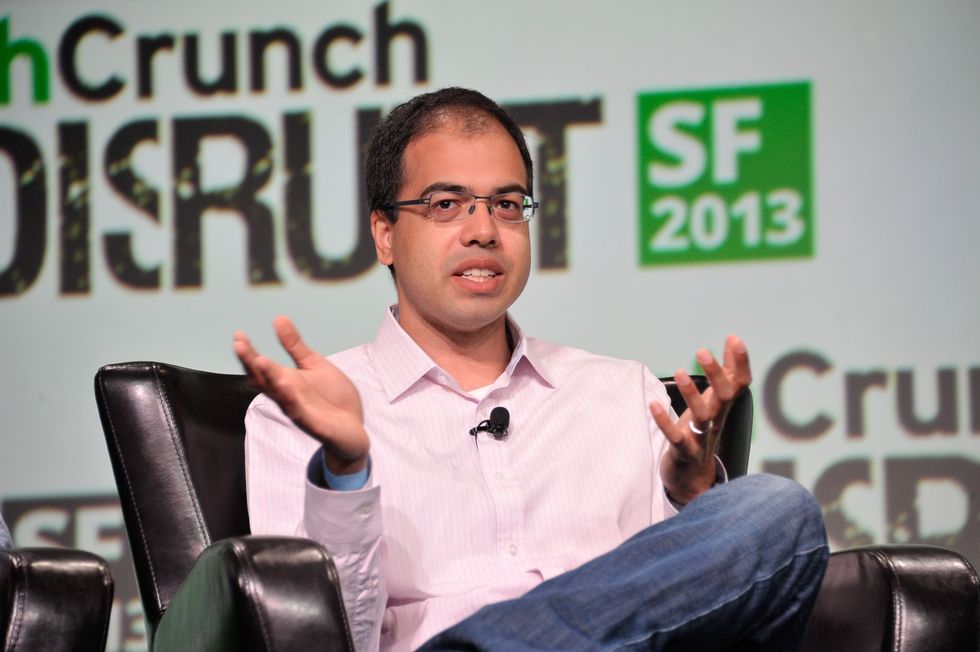 SAN FRANCISCO, CA - SEPTEMBER 10: Sanjit Biswas attends Day 2 of TechCrunch Disrupt SF 2013 at San Francisco Design Center on September 10, 2013 in San Francisco, California. (Photo by Steve Jennings/Getty Images for TechCrunch) Getty Images
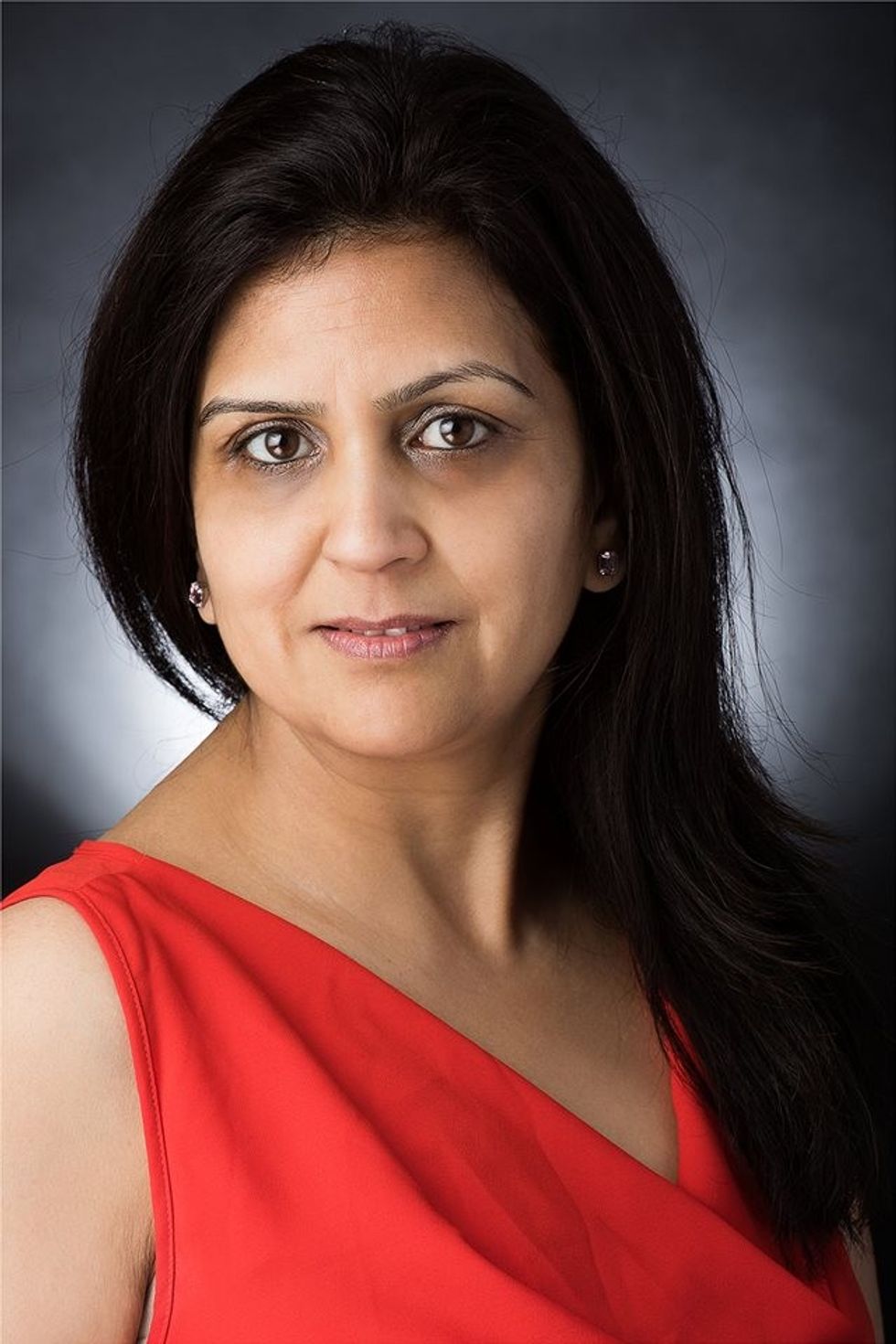 Neerja Sethi (Photo credits: iMDB)
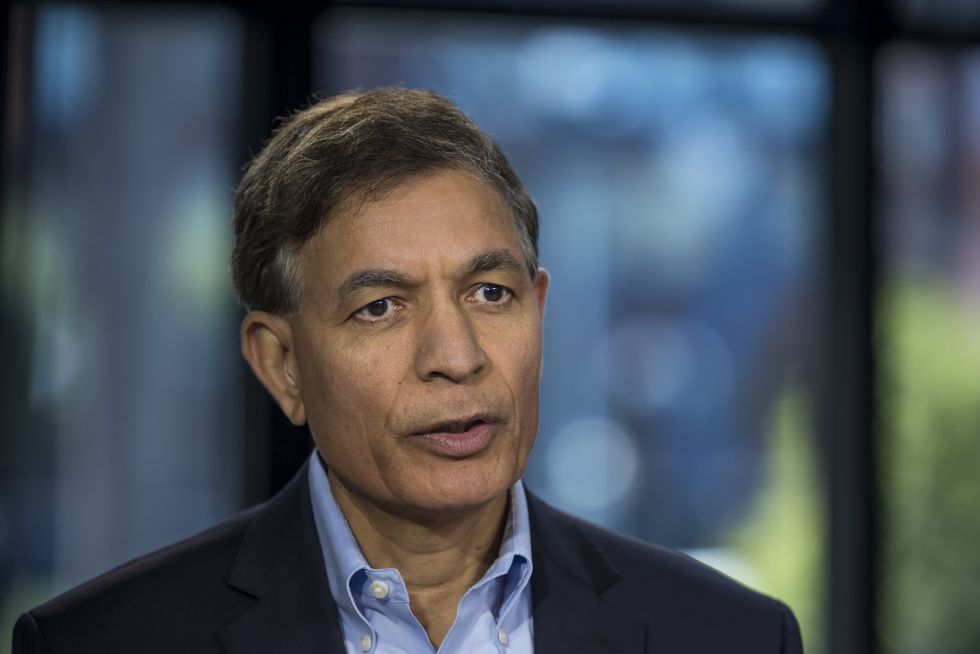 Jay Chaudhry(Photo credits:
 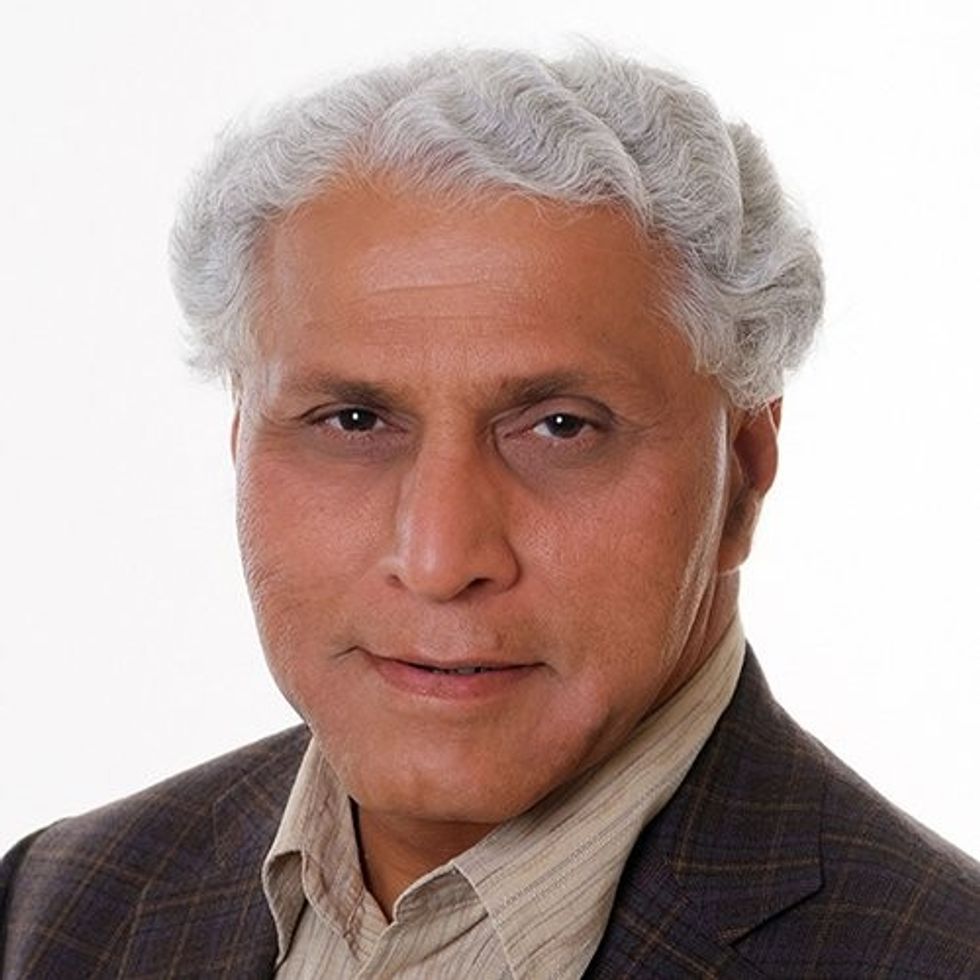 Romesh T Wadhwani(Photo credits: www.csis.org)