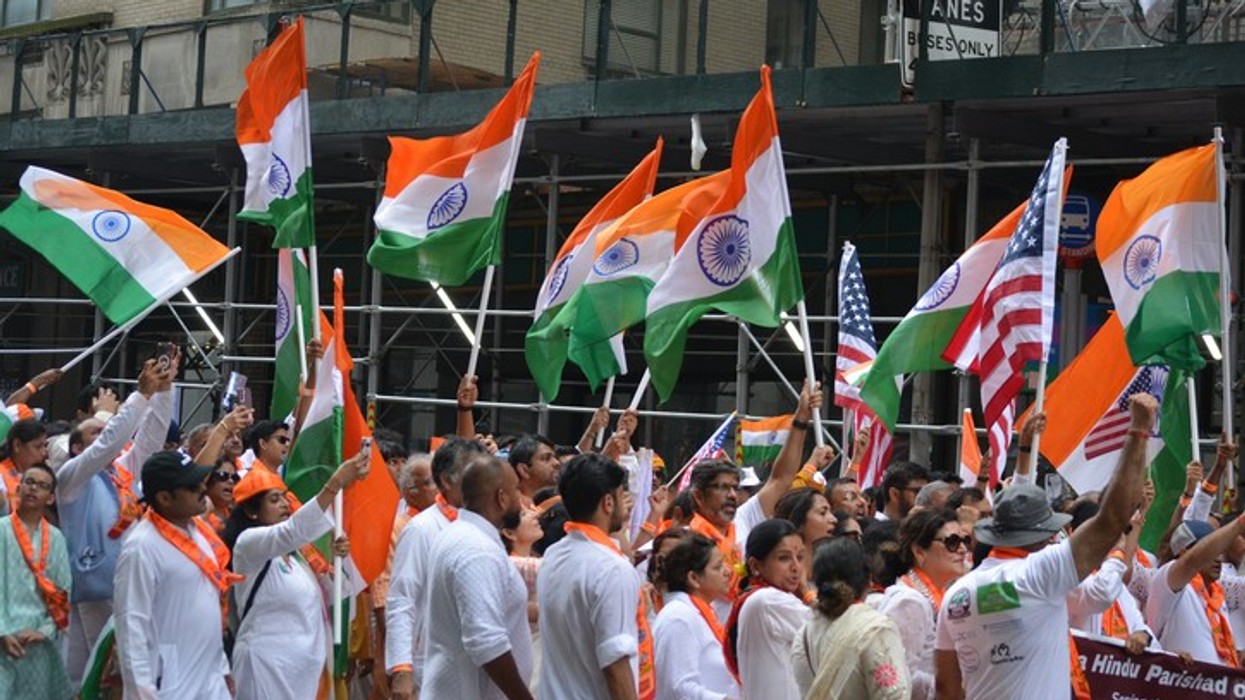

INDIAN AMERICANS are more likely to take more liberal positions on political issues in the United States while adopting more conservative positions on similar issues in India, according to a new study that also found many support the Democratic Party in the US while backing Prime Minister Narendra Modi in India.
Researchers said the findings are based on a nationally representative survey of 1,200 Indian Americans conducted before the 2020 US presidential election. Respondents were asked about similar policy issues in both the United States and India to examine whether their political views remained consistent across the two countries.
The survey found that 56 per cent of respondents identified with the Democratic Party, while 15 per cent identified with the Republican Party. Nearly half approved or strongly approved of Modi’s performance as prime minister. Among Democrats, 47 per cent approved of Modi, compared with 37 per cent who disapproved. Overall, 24 per cent of respondents were “Modi Democrats,” making them the largest group across combinations of US party identification and approval of Modi.
Researchers said the same pattern was reflected in respondents’ views on policy issues.
Indian Americans were more likely to express liberal views on several policy issues when answering questions about the United States than when responding to comparable questions about India.
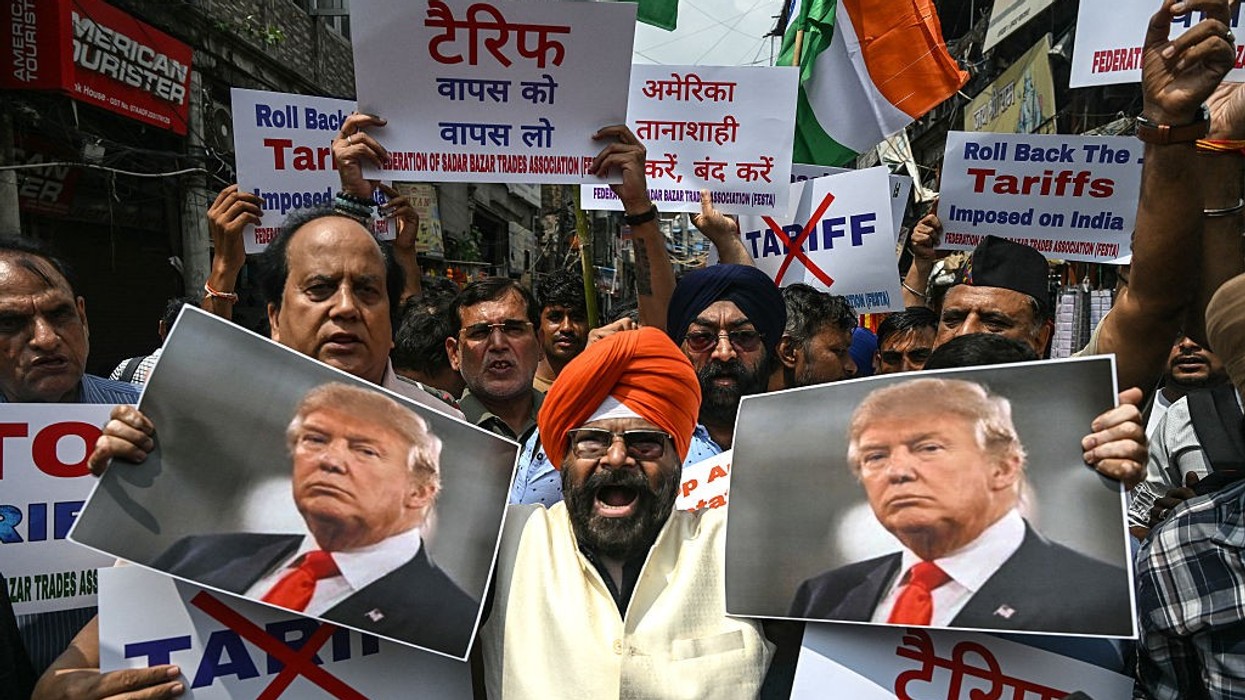
On religious equality, 60 per cent opposed president Donald Trump’s 2017 travel ban on several Muslim-majority countries, while 49 per cent opposed India’s Citizenship Amendment Act (CAA). On immigration, 55 per cent supported less stringent action against undocumented immigrants in the United States, while 45 per cent opposed the proposed National Register of Citizens (NRC) in India. The study said both differences were statistically significant. mOn affirmative action, 54 per cent supported affirmative action in the US, compared with 47 per cent in India, although the difference was not statistically significant. Responses on police use of force against protesters and media censorship were similar in both countries.
The researchers found the differences were largely driven by religion.
Muslim Indian Americans, who are minorities in both the US and India, generally held similar political views across both countries. Hindu Indian Americans, who are a majority in India but a minority in the US, expressed more liberal views on policy issues in the US while taking more conservative positions on similar issues in India.
The researchers said those differences remained after accounting for factors including education, income, immigration status, age, gender and voting behavior. They also found the differences could not be explained by education, income or year of immigration, experiences of discrimination, engagement with India, political sophistication or pathways of socialization.
The survey also asked respondents the same policy questions without referring to either country. In four of the five issues, respondents were more likely to support liberal positions when questions were asked in the abstract than when they referred to the US or India. Differences between religious groups also became much smaller.
Researchers said the findings suggest responses to general survey questions may not fully reflect how people think about the same issues when they are tied to a specific national context.
The study also examined views on nationalism. More than two-thirds of both Hindu and Muslim respondents viewed white nationalism as a threat in the US. Eighty per cent of Muslim respondents and 69 per cent of Hindu respondents held that view, although the difference was not statistically significant.
Views on Hindu nationalism showed a larger divide between the two groups. Seventy-four per cent of Muslim respondents viewed Hindu nationalism as a threat, compared with 40 per cent of Hindu respondents.
Researchers said the findings suggest political attitudes may change depending on whether people see themselves as members of a majority or minority group in a particular political setting. They said the results also highlight the importance of asking survey questions in a specific national context rather than in abstract terms, as responses may differ even when the policy issues are similar.
The study said its findings are based on descriptive survey data and do not establish cause-and-effect relationships.
The researchers said the findings contribute to understanding the political views of Indian Americans, one of the largest immigrant groups in the United States, while also highlighting differences within the community. They said the approach of asking respondents about both their home country and country of residence could also be used to study political attitudes among other diaspora communities.





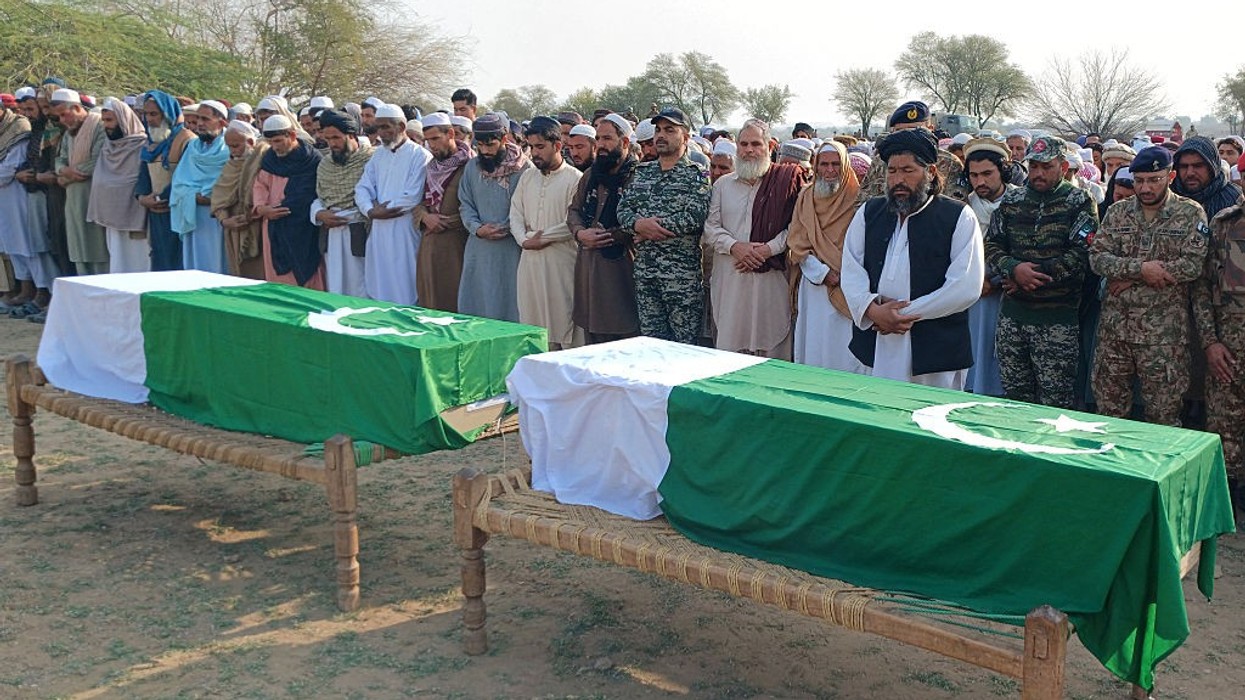
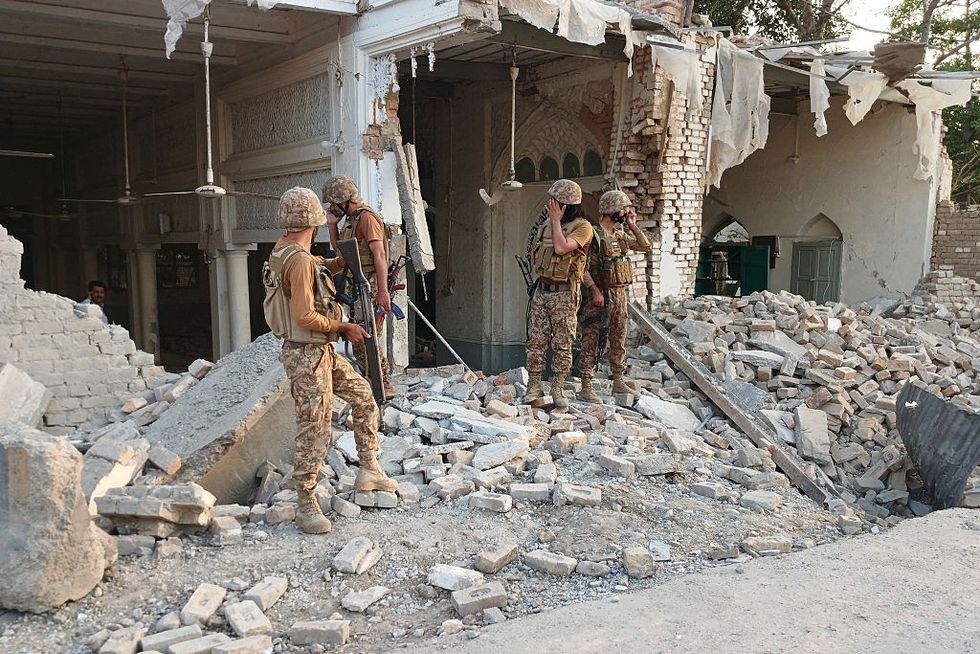 Army personnel stand amid the rubble following an explosion inside the police headquarters at Kohat in Pakistan's Khyber Pakhtunkhwa province on September 18, 2026. An explosion at a historic police headquarters in northern Pakistan on September 18 killed at least eight people and wounded 35 more, officials said, with the country's president swiftly blaming a militant group. Getty Images
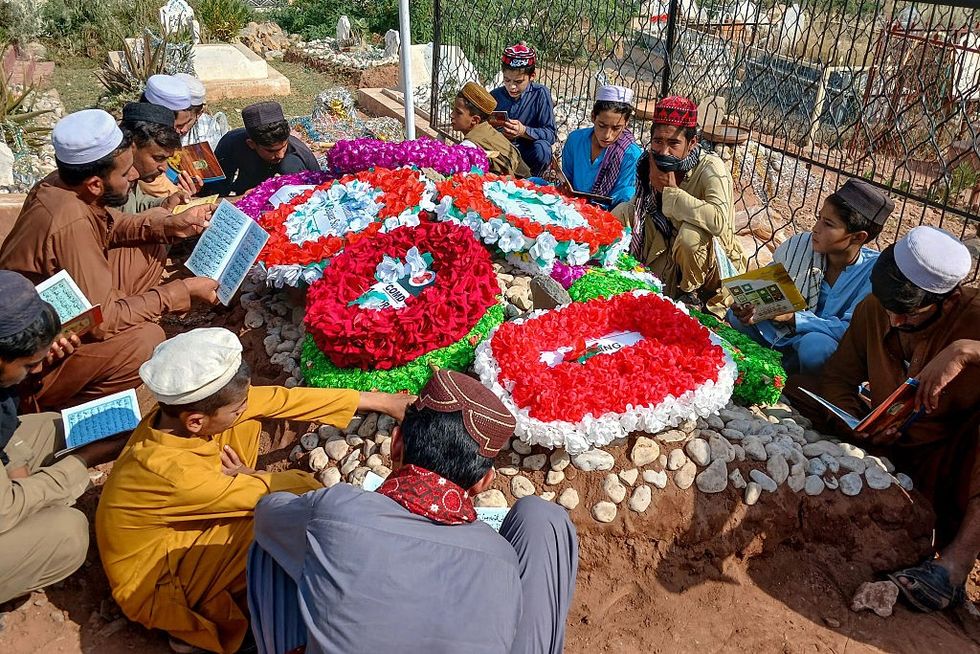 Mourners read the holy Quran while sitting around the grave of a paramilitary personnel of the Frontier Corps (FC) who was killed during the Afghanistan-Pakistan border clashes, in Kohat on October 17, 2025. A ceasefire along the frontier between Afghanistan and Pakistan was holding on October 16, officials on both sides said, after dozens of troops and civilians were killed in cross-border clashes.Getty Images