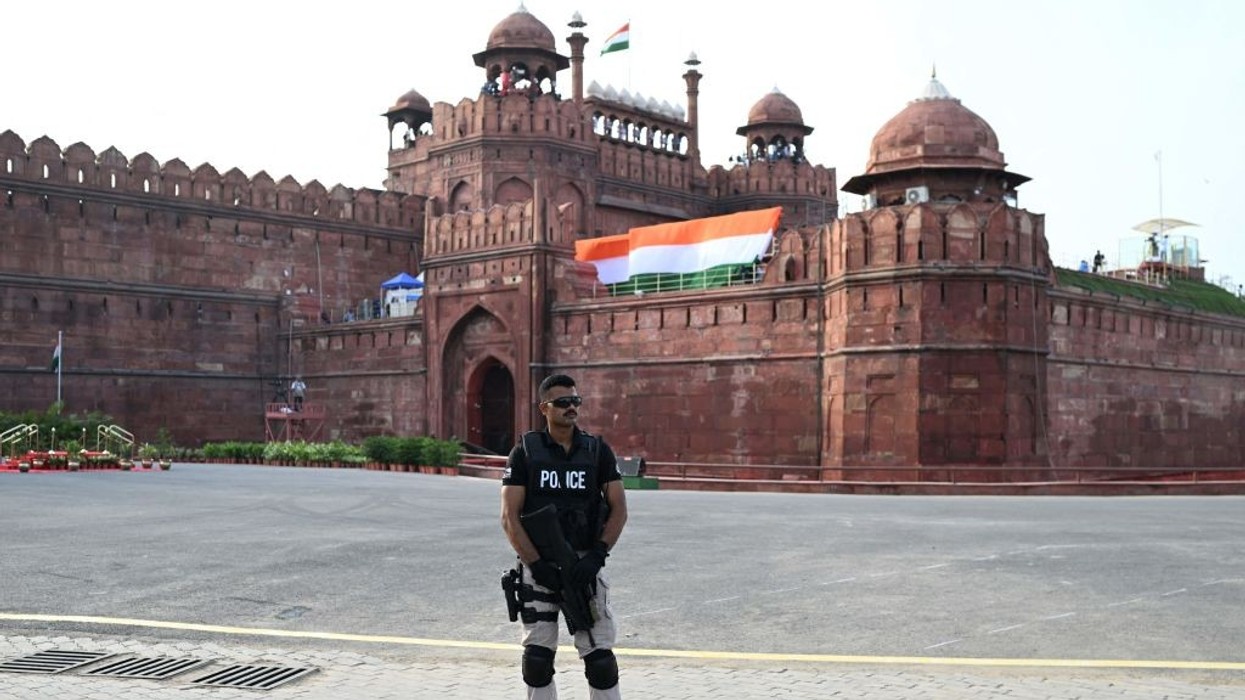

- UN report officially attributes the November 2025 Red Fort attack to AQIS.
- The blast near Red Fort killed around 15 people and injured several others.
- AQIS is expanding through decentralized cells and regional logistics networks.
- UN members remain concerned about terrorist groups operating from Afghanistan.
- TTP announced a restructuring that includes a new division described as its “Air Force.”
The November 2025 terrorist attack near New Delhi’s historic Red Fort has been officially attributed to Al-Qaeda in the Indian Subcontinent (AQIS), according to a new United Nations Security Council report.
The finding appears in the 38th report of the Analytical Support and Sanctions Monitoring Team submitted to the Security Council’s 1267 Sanctions Committee, which monitors sanctions related to ISIL (Da’esh) and Al-Qaeda.
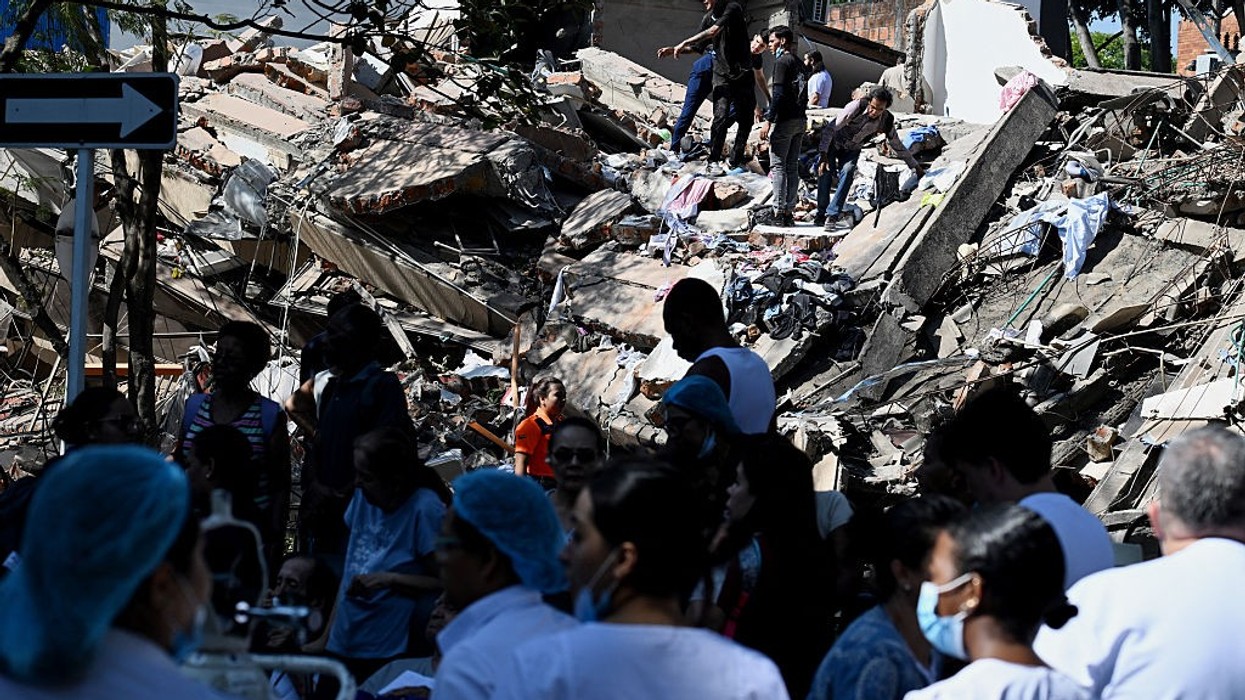
A powerful explosion struck the Red Fort area in November 2025, ripping through a slow-moving vehicle at a traffic signal near the Red Fort Metro station. The attack killed around 15 people and left many others injured, making it one of the major terror incidents in New Delhi in recent years.
According to the UN assessment, AQIS has continued to transform from a fragmented organization into a more established regional terrorist entity. The group has reportedly developed logistics and financial networks while relying increasingly on decentralized, small and dispersed cells rather than larger operational units.
The report also raised concerns about AQIS potentially attempting to exploit Bangladesh as a location for establishing new terrorist cells.
Growing chemical and biological weapons concerns
The UN monitoring team warned that Al-Qaeda and ISIL have maintained a long-standing interest in developing chemical and biological weapons. However, the groups have so far faced significant technical barriers to producing such weapons effectively.
The report noted that instructions related to chemical and biological weapons have nevertheless circulated widely across online extremist communities. It cited material published by ISIL’s English-language Invade magazine in February that included instructions concerning the development of botulinum toxin and cyanide.
The report also highlighted ISIL-K’s interest in ricin. Over the previous year, the group reportedly circulated instructions on producing the toxin. Indian authorities arrested three people, including a doctor, toward the end of 2025 after an ISIL-linked cell operating abroad allegedly tasked them with developing ricin.
Regional terror threat remains high
The UN assessment said security tensions in South Asia remained high, particularly amid continued cross-border attacks involving Pakistan and Afghanistan.
The Taliban has continued to publicly deny harboring terrorist organizations. However, UN member states expressed concern that the conflict could create additional opportunities for militant groups and generate new security challenges across the region.
The report said the terrorist threat originating from Afghanistan remained largely unchanged. Numerous terrorist organizations continue to have the ability to operate from Afghan territory, posing an enduring threat to neighboring countries and parts of Central Asia.
Although the Taliban has taken steps against Islamic State Khorasan (ISIL-K) and attempted to contain other militant groups, the UN assessment said these efforts had not been sufficient to eliminate the broader terrorist threat.
TTP announces new structure
The report also examined developments involving Tehrik-e Taliban Pakistan (TTP). Following its annual leadership council, or rahbari shura, on December 25, 2025, the group announced a revised organizational structure.
The changes included two new divisions covering Balochistan and the central region, as well as Kashmir and Gilgit. The restructuring also included a new division referred to by the TTP as its “Air Force,” underscoring the group’s continuing efforts to reorganize and expand its operational capabilities.