
Highlights:
- Senate approves bill by an 86-11 vote.
- China and India could face 100 per cent tariffs.
- Bill targets Russian leaders and financial institutions.
- Iran sanctions would be extended through 2031.
- Legislation now moves to the House.
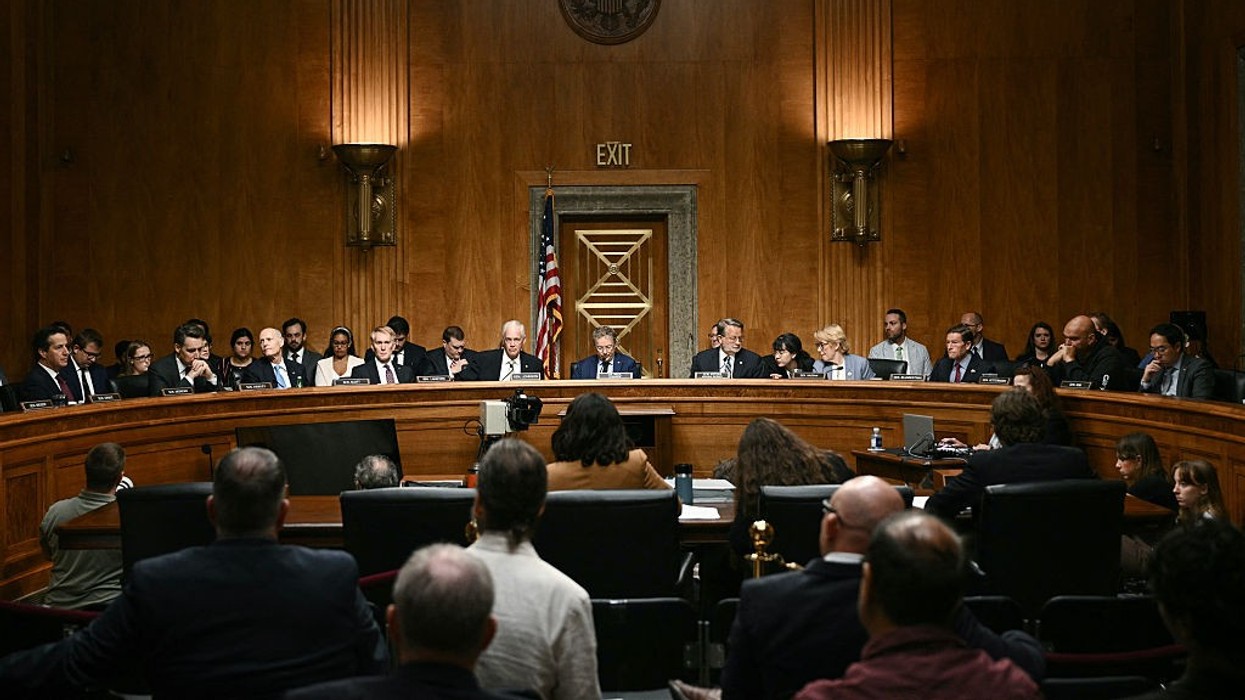
The US Senate has overwhelmingly approved a bipartisan bill that would impose tougher sanctions on Russia and countries that continue to buy its oil and gas, including major importers such as China and India.
The legislation, renamed the Lindsey O. Graham Sanctioning Russia and Iran Act of 2026, passed the Senate by an 86-11 vote. It gives President Donald Trump the authority to impose tariffs of up to 100 percent on goods from countries that rank among the five largest importers of Russian oil and gas.
The current list includes China, India, Azerbaijan, Hungary and Slovakia. The measure is intended to increase economic pressure on Russia by targeting countries whose purchases of Russian energy provide revenue that can help support Moscow's war in Ukraine.
The bill also includes measures aimed directly at Russian officials and financial interests. It would impose sanctions on Russian leaders, including President Vladimir Putin, as well as oligarchs and financial institutions.
In addition, the legislation would extend through 2031 the Iran Sanctions Act of 1996. The law penalizes companies that invest in Iran's energy sector.
The bipartisan legislation was strongly supported by Republican Senator Lindsey Graham and Democratic Senator Richard Blumenthal. Graham died on July 11 following a trip to Kyiv. After his death, lawmakers from both parties renewed efforts to pass the measure and honor his support for Ukraine.
Darline Graham, Graham's sister, was appointed to his Senate seat following his death. She said the legislation would force major buyers of Russian energy to choose between maintaining trade with the United States and purchasing cheaper Russian energy.
“This bill forces those primary countries keeping Russia’s economy afloat to make a simple yet critical choice – a choice between doing business with America or buying cheap Russian energy,” said Darline Graham, the late senator’s sister who was appointed to his seat after his death.
Blumenthal said Graham would have been proud of the Senate's action.
“This bill forces those primary countries keeping Russia’s economy afloat to make a simple yet critical choice – a choice between doing business with America or buying cheap Russian energy,” said Darline Graham, the late senator’s sister who was appointed to his seat after his death.
Following the vote, Blumenthal told reporters that Graham would be “proud of what we’ve done”.
“These sledgehammer sanctions and tariffs will stop all who are complicit in this murderous, criminal war of aggression against brave free people,” Blumenthal said.
However, some Democrats have raised concerns about the bill's broad tariff powers. They argue that it could give Trump additional authority to impose tariffs at a time when trade levies are already a central part of his economic policy.
Democratic Congressmen Gregory Meeks and Don Beyer said the legislation could give the president sweeping powers that could be misused.
“We welcome our Senate colleagues’ urgent effort to support Ukraine and punish Russia for its continued illegal war, but this bill would not achieve those goals. Instead, it would allow President Trump to dodge holding Russia accountable and impose yet more tariffs in his destructive trade wars, leaving Americans to foot the bill,” the two leaders said.
The bill will now move to the House of Representatives, which is scheduled to reconvene on August 31. The House will have to approve the legislation before it can move forward.