
Highlights:
- Congressman Riley Moore criticized India's proposed FCRA amendments.
- Moore said the bill could permit government takeovers of churches and religious charities.
- He described the proposal as a "clear attack against Christians."
- The proposed law creates a Designated Authority to manage assets of deregistered FCRA organizations.
- The amendments also reduce the maximum punishment for FCRA violations from five years to one year.
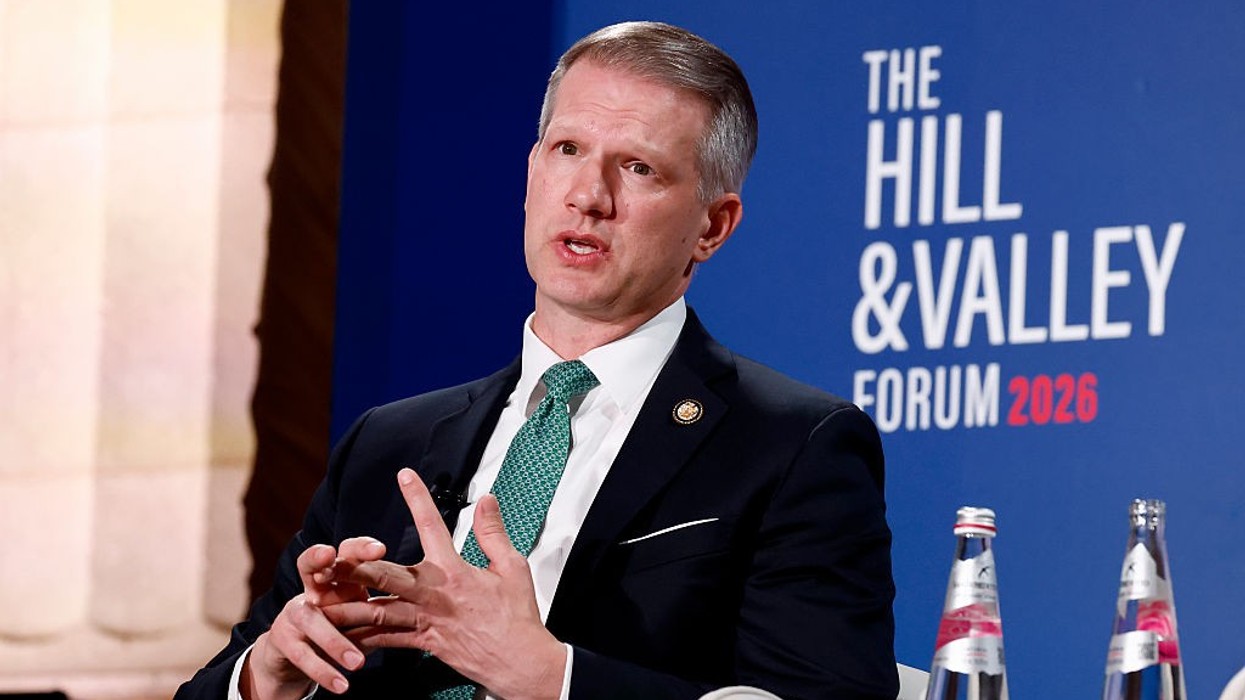
A US lawmaker has expressed concern over India's proposed amendments to the Foreign Contribution Regulation Act (FCRA), saying the changes could affect bilateral ties between Washington and New Delhi if they are enacted.
US Congressman Riley Moore, a Republican representing West Virginia, criticized the proposed legislation in a post on X on Tuesday. He argued that the amendments would allow the Indian government to take control of churches and religious charities, describing the proposal as a threat to the country's Christian community.
“Christians have been in India since St Thomas the Apostle travelled to the Malabar Coast just decades after the resurrection of our Lord Jesus Christ. But despite this long Christian history, India's Parliament is considering amending Foreign Contribution Regulation Amendment (FCRA) rules to permit government takeovers of churches and religious charities,” Moore said in a post on X.
“This is a clear attack against Christians. If this bill proceeds in this way, it would be a point of major concern in our bilateral relationship with India,” said Moore, a first-term Congressman.
The Foreign Contribution (Regulation) Amendment Bill, 2026 proposes significant changes to the management of foreign-funded organizations operating in India. One of its key provisions would authorize the central government to establish a "Designated Authority" responsible for taking over the management of foreign contributions as well as assets created using those funds when an organization's FCRA registration is canceled, voluntarily surrendered, or expires without renewal.
According to the proposed legislation, the Designated Authority would oversee the administration of these assets after an organization's authorization under the FCRA comes to an end. The bill also includes a provision specifically addressing places of worship. It states that if any asset under the Authority's management is a place of worship, the Authority must ensure that its religious character is maintained while administering the property.
The proposed amendments also seek to reduce the maximum penalty for violations of the FCRA. Under the bill, the maximum term of imprisonment would be lowered from five years to one year, representing a significant change in the law's enforcement provisions.
The FCRA regulates the receipt and use of foreign contributions by non-governmental organizations, trusts, educational institutions, religious organizations, and other eligible entities in India. The law is intended to ensure transparency and oversight of foreign funding.
Data from India's Ministry of Home Affairs shows that 13,520 organizations received foreign contributions totaling Rs 55,741 crore between 2019 and 2022. According to the FCRA portal, as of July 15, 2026, there were 14,449 organizations with active FCRA registrations, while 22,498 registrations had been canceled and 15,212 had expired after not being renewed.
The proposed amendments continue to draw attention as lawmakers and stakeholders assess their potential implications for foreign-funded organizations and India's regulatory framework governing overseas contributions.












Katrina Kaif reacts to postpartum beauty comments, reveals her 'skin became sensitive' and 'feeling best matters more'