

AN outbreak of dengue fever is suspected to be the reason for deaths of more than 50 people in the northern Indian state of Uttar Pradesh since the beginning of September and authorities have launched an urgent campaign to destroy mosquito-breeding grounds, Reuters reported.
Dinesh Kumar Premi, the chief medical officer of the state’s Firozabad district, the worst affected one, told Reuters that 58 people, including children, have died there alone, intensifying fears that India’s most populous state (more than 200 million live there) could be in the midst of its worst dengue outbreak in years.
“We are taking preventive measures and 95 health camps across the district have been operating in order to contain the spread of this fever,” Premi told Reuters.
A government official, who refused to be identified, said many of the children may have died because their poor families took them to fake doctors or quacks first and their conditions worsened soon after.
Ved Vrat Singh, UP’s top public health official, told the news outlet that while mosquito-borne dengue is the suspected cause of the deadly viral fever outbreak in UP, it has only been confirmed as the cause of deaths caused in three cases. He said an audit was underway to confirm whether it caused more deaths.
Officials in Firozabad have formed teams to inspect households for water-logging and fumigate the areas that are at risk. They have also released thousands of Gambusia fish that eat mosquito larvae into water bodies.
India saw dengue deaths plummeting to a low of 56 last year, a drop by nearly 83 per cent since 2017.
Meanwhile, Indian prime minister Narendra Modi, who was in Aligarh in UP to launch a university on Tuesday (14), praised the state’s Yogi Adityanath government saying it made the state a shining example of “the double-engine government’s double benefits”. Adityanath, who belongs to Modi’s Bharatiya Janata Party, will seek his re-election next year. Modi himself represents UP's Varanasi constituency in Lok Sabha, the lower house of the Indian parliament.



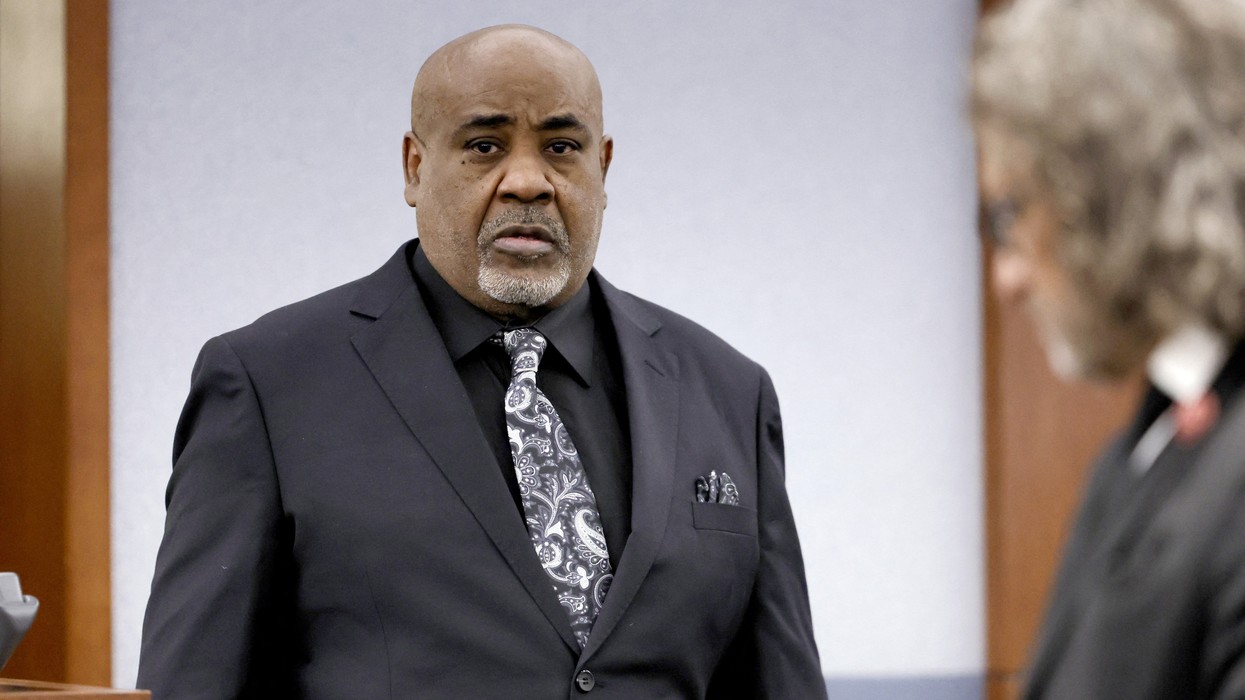
 A 1996 photo of rapper Tupac Shakur (L) and Marion "Suge" Knight is shown on screens during closing arguments in the Duane Davis murder trial, related to the 1996 killing of rapper Tupac Shakur, at Clark County District Court at the Regional Justice Center in Las Vegas, Nevada, on August 31, 2026. Getty Images


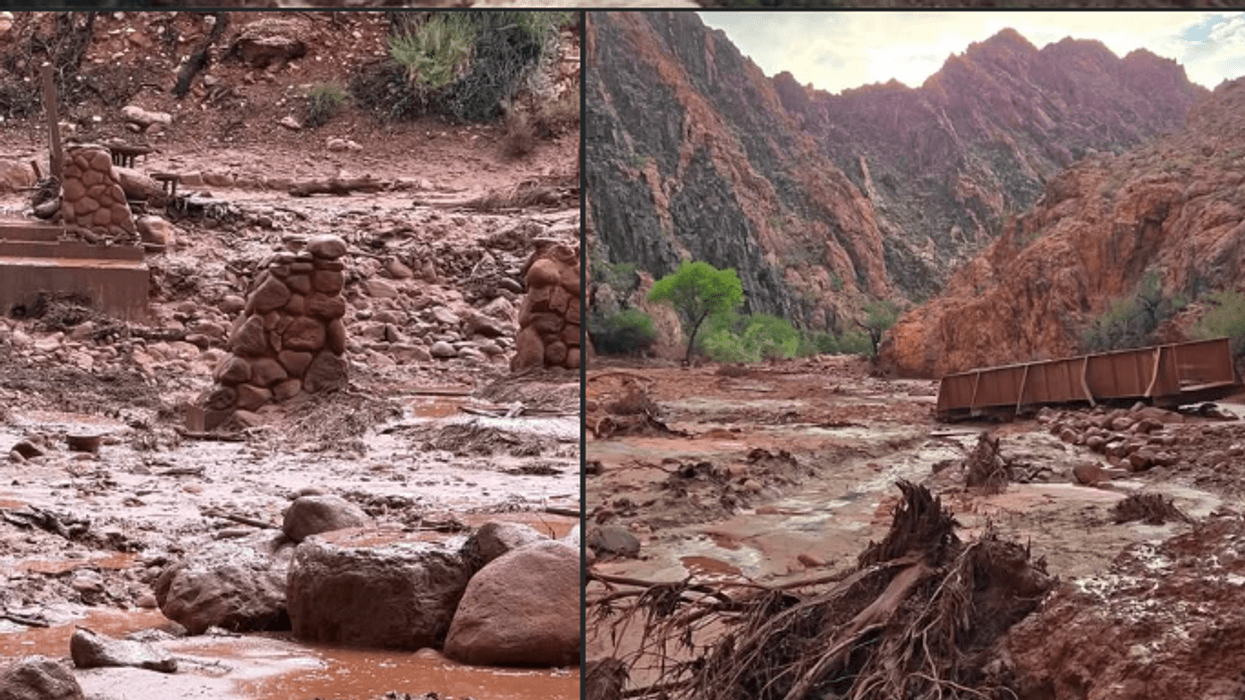

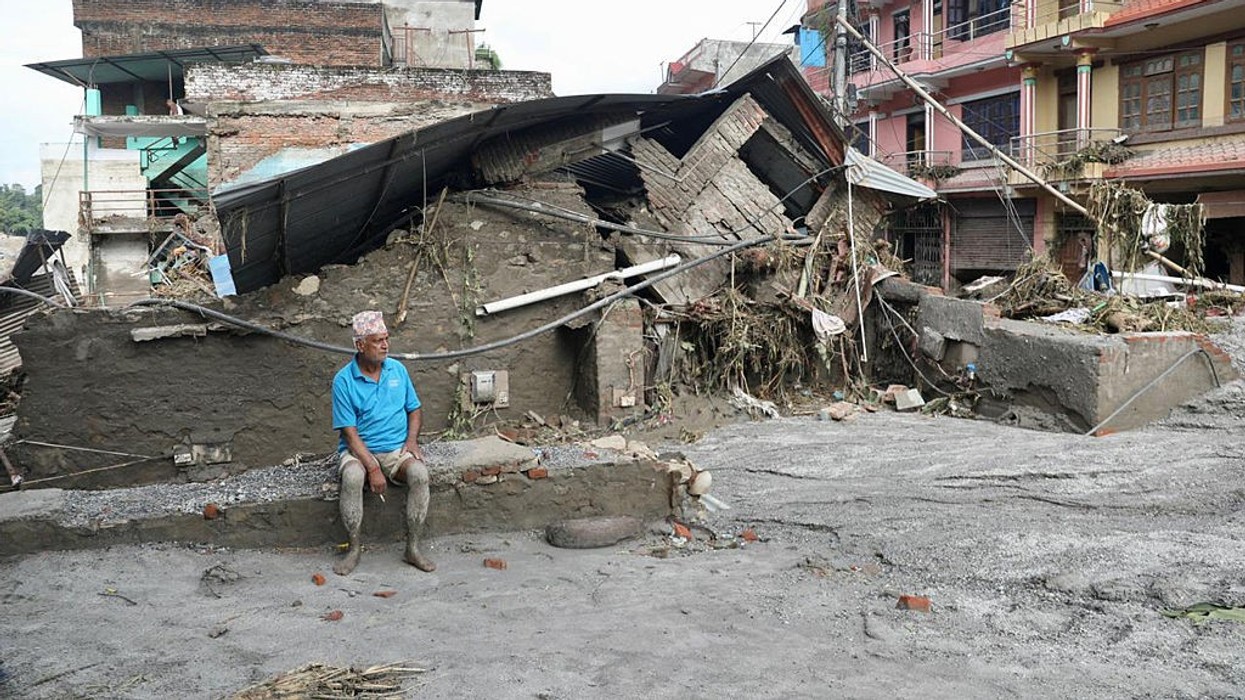
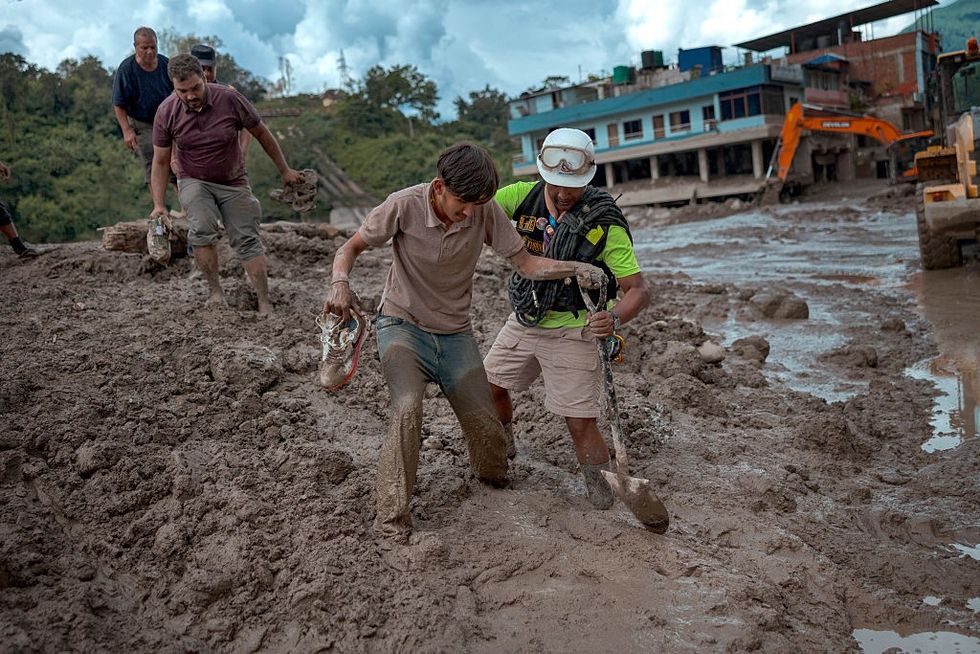 A rescuer assists a resident through heavy mud following flash floods on August 27, 2026 in Trishuli, Nepal. A sudden flood swept through the Bhote Koshi River basin in northern Rasuwa on August 26, damaging settlements, roads and energy infrastructure as rescue teams searched for residents and foreign travellers reported out of contact. Hundreds were reported missing, as the death toll started to climb.Getty Images
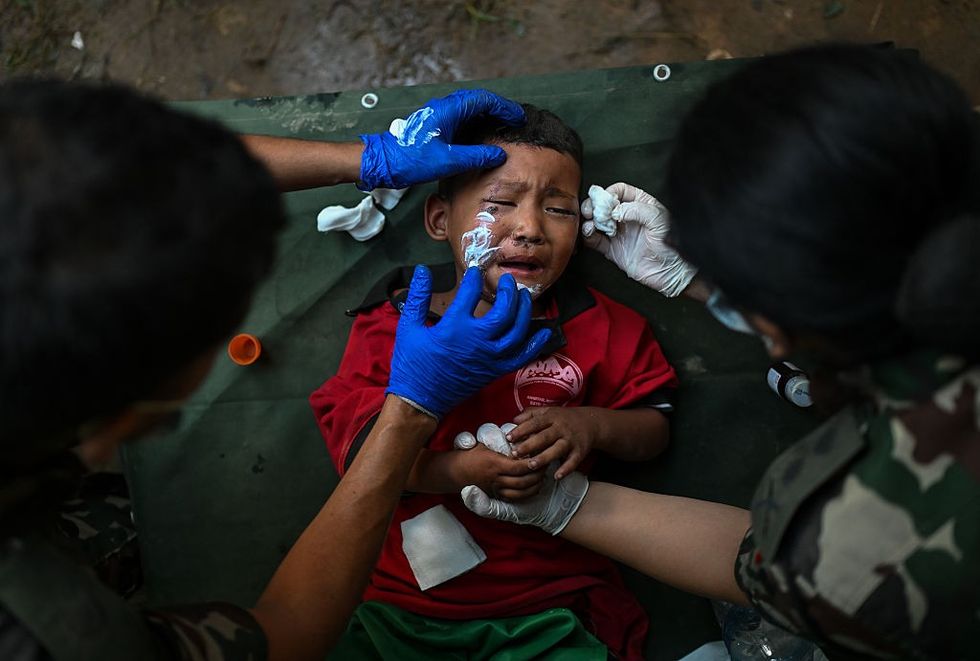 Rescue personnel provide medical treatment to a child at an army rescue camp in Trishuli Batar, Nepal, on August 27, 2026. A sudden flood swept through the Bhote Koshi River basin in northern Rasuwa on August 26, damaging settlements, roads and energy infrastructure, as rescue teams searched for residents and foreign travellers reported out of contact. Hundreds were reported missing as the death toll began to climb. Getty Ima
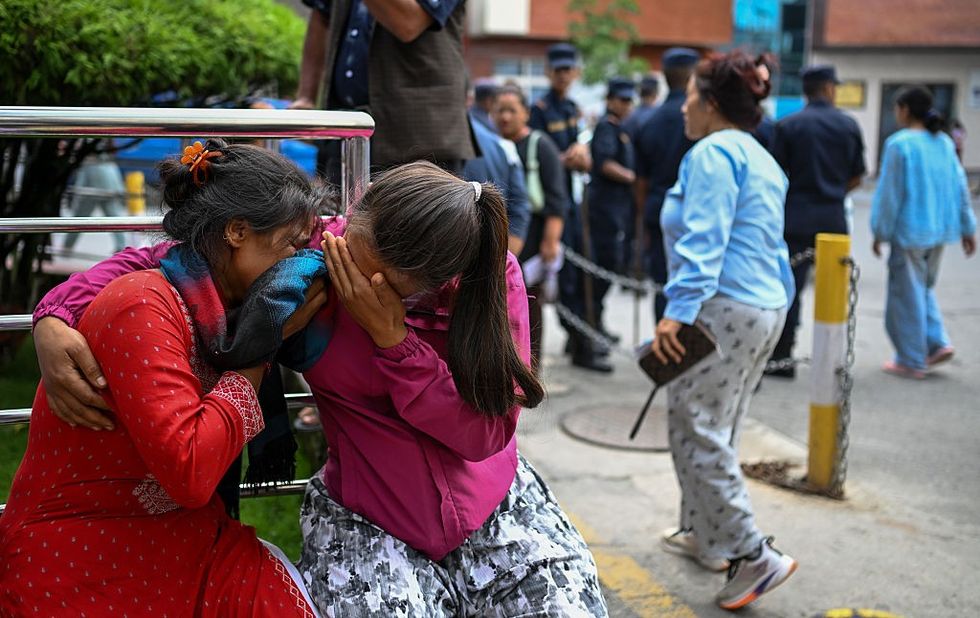 Family members of missing flood victims react at the emergency ward of the Maharajgunj Medical Campus, part of the Tribhuvan University Teaching Hospital, on August 28, 2026 in Kathmandu, Nepal. Authorities said the flash floods were triggered after a mass of ice, mud and rock collapsed into a Himalayan river near the Nepal-China border, leaving hundreds dead or missing and causing widespread damage in affected districts. Authorities continued the gruelling search for victims, many buried under metres of mud, as both China and Nepal issued fresh flooding alerts.Getty Images