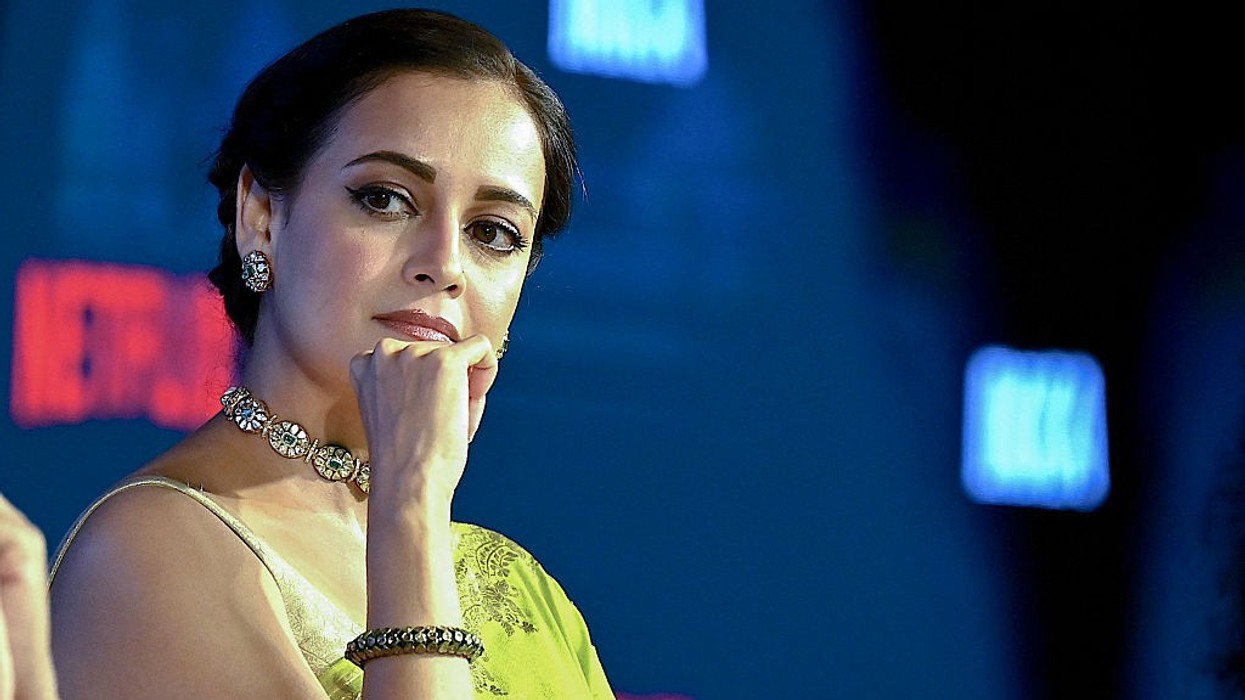
Bollywood actor Dia Mirza’s social media post calling her upcoming co-star Nawazuddin Siddiqui a “nightmare to work with” and an “offensive character” initially appeared to signal a serious disagreement between the two actors. But the reaction quickly took another turn when social media users realized that the pair are set to appear together in an upcoming series. The possibility that the exchange was a promotional stunt became a talking point of its own.
Mirza posted the comments on X and Instagram on Wednesday morning, Wednesday (18). “Nightmare to work with! Na baat karne ki tameez hai, aur attitude alag hi level
ka! Bilkul offensive character! @nawazuddin_siddiqui,” she wrote.
The post received more than six lakh views on X before it was deleted later in the day. It remained on Instagram, where it had attracted more than 20,000 likes. Mirza offered no explanation, while Siddiqui did not publicly respond.
The two actors are scheduled to appear in the medical drama Dr Hassan, directed by Rohan Sippy and set to premiere on JioHotstar on December 11. Siddiqui plays Dr Imraan Hassan, an eccentric doctor who solves complex medical cases, while Mirza plays Dr Palak Jain. The series is believed to be an adaptation of the American show House MD.
The uncertainty surrounding the post prompted a familiar question: was this a genuine expression of frustration or another example of Bollywood's stunt marketing?
When controversy becomes a promotional tool
Stunt marketing is not new to the entertainment industry. Celebrities and production teams have repeatedly used cryptic announcements, apparent disagreements, staged incidents and misleading social media posts to create curiosity around an upcoming project.
The strategy works by generating an emotional reaction before audiences are even told what is being promoted. Surprise, anger, concern and speculation can all translate into engagement, shares and media coverage.
However, the growing familiarity of these tactics is changing how audiences respond. Several users questioned Mirza's post, with some openly accusing the actors of manufacturing controversy to promote their series.
One user commented, “Acha promotional material hain.. Bollywood knows aisa hi shows aur movies ko jyada reach milti hain,”
Another wrote, “Whoever suggested you this promotional marketing tactic, fire them. This is old and it really doesn't work anymore,”
Other reactions included, “This stunt is a bit too much lol,” and “PR so bad that everyone knows the trick now!”
One user also asked, “Is this some kind of a PR thing? If yes, it's going to be a terrible one,”
From Kajol's announcement to Poonam Pandey's death hoax
Bollywood has seen several high-profile examples of promotional campaigns that initially appeared to be genuine personal developments or controversies.
In June 2023, Kajol announced that she was taking a break from social media, writing, “Facing one of the toughest trials of my life”. She also removed her previous Instagram posts, prompting concern and speculation among followers. The announcement was later revealed to be a promotional campaign for her JioHotstar series The Trial, which marked her OTT debut.
Karan Johar adopted a similar approach in May 2022 when he announced that Koffee With Karan would not return after six seasons. Hours later, he clarified that the show was moving from television to Disney Hotstar for its seventh season.
Malaika Arora's 2022 post, “I said YES”, prompted speculation about a possible wedding with actor Arjun Kapoor. She later revealed that it was part of the promotional campaign for her reality show Moving In With Malaika.
In January 2023, a video appeared to show Ranbir Kapoor throwing away a fan's phone during a selfie attempt. The incident was subsequently revealed as a staged promotional campaign for smartphone brand Oppo. That same year, Anushka Sharma appeared to call out Puma for using her photographs without permission. The apparent dispute was later disclosed as a campaign announcing her association with the brand.
One of the most controversial examples came in February 2024, when Poonam Pandey's social media team announced that she had died of cervical cancer. The announcement triggered widespread shock, media coverage and condolences. A day later, Pandey revealed that she was alive and that the announcement was part of a cervical cancer awareness campaign. The stunt drew considerable criticism over the ethics of using a fabricated death announcement to promote a health issue.
The cost of making everything look like a stunt
The bigger question surrounding these campaigns is what happens when audiences begin to doubt every public statement made by a celebrity.
When apparent personal conflicts, emotional announcements and serious allegations repeatedly turn out to be promotional exercises, genuine expressions of frustration or distress risk being treated with the same skepticism. Audiences may become less willing to believe celebrities when they speak about real problems, personal experiences or professional disagreements.
There is also a difference between creating curiosity about a show and manufacturing a situation that audiences initially understand as real. While a clever teaser can generate excitement, a campaign built around misleading people can leave them feeling manipulated once the promotional intent becomes clear.
For celebrities, the immediate reward may be visibility and online engagement. But repeated reliance on manufactured controversy can weaken credibility and make audiences more suspicious of future announcements.
The Dia Mirza-Nawazuddin Siddiqui episode has therefore opened up a larger conversation about the limits of publicity-driven storytelling. In an industry where attention is valuable, controversy may help a project trend. But when audiences start questioning whether anything a celebrity says is genuine, the long-term cost could be far greater than the publicity gained.

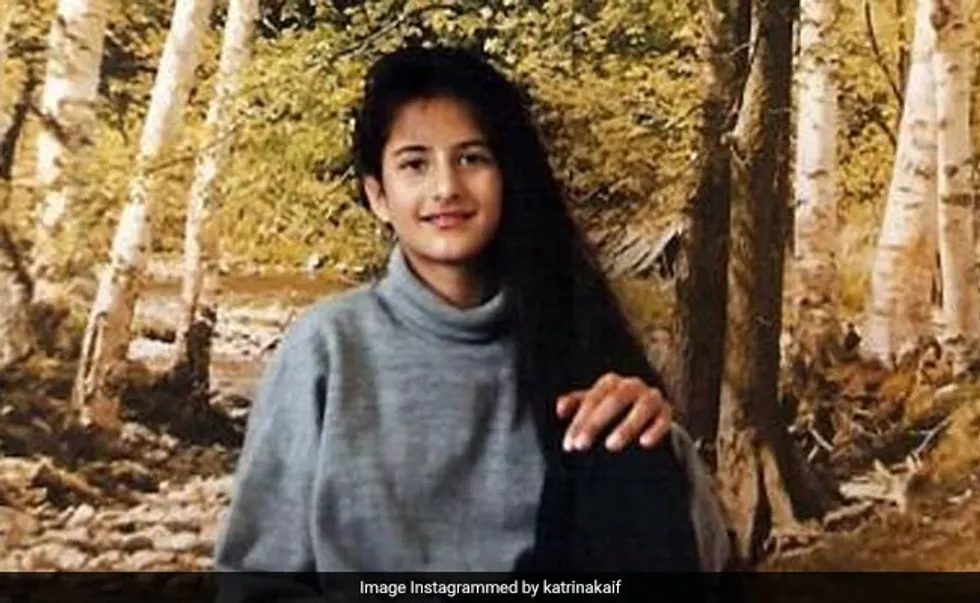 Katrina KaifGoogle
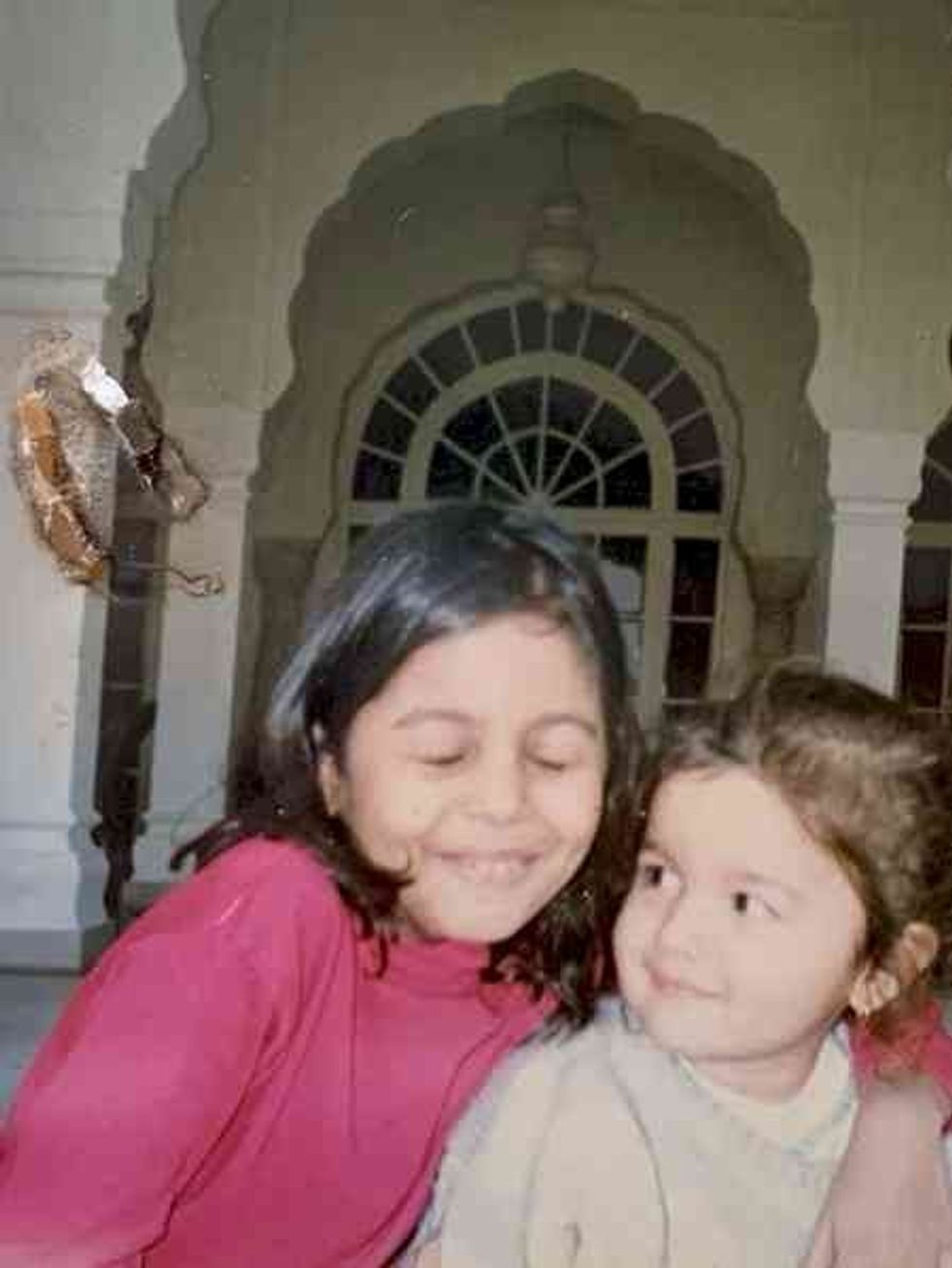 Alia BhattGoogle
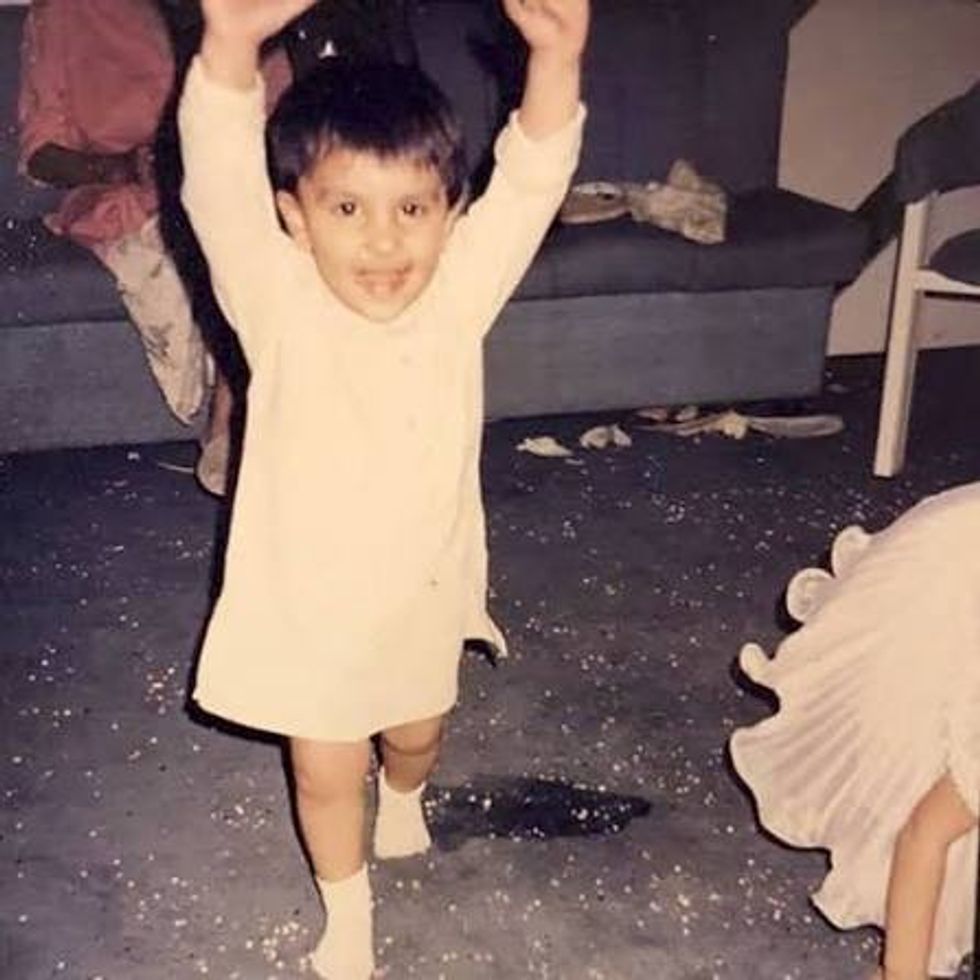 Ranveer SinghGoogle
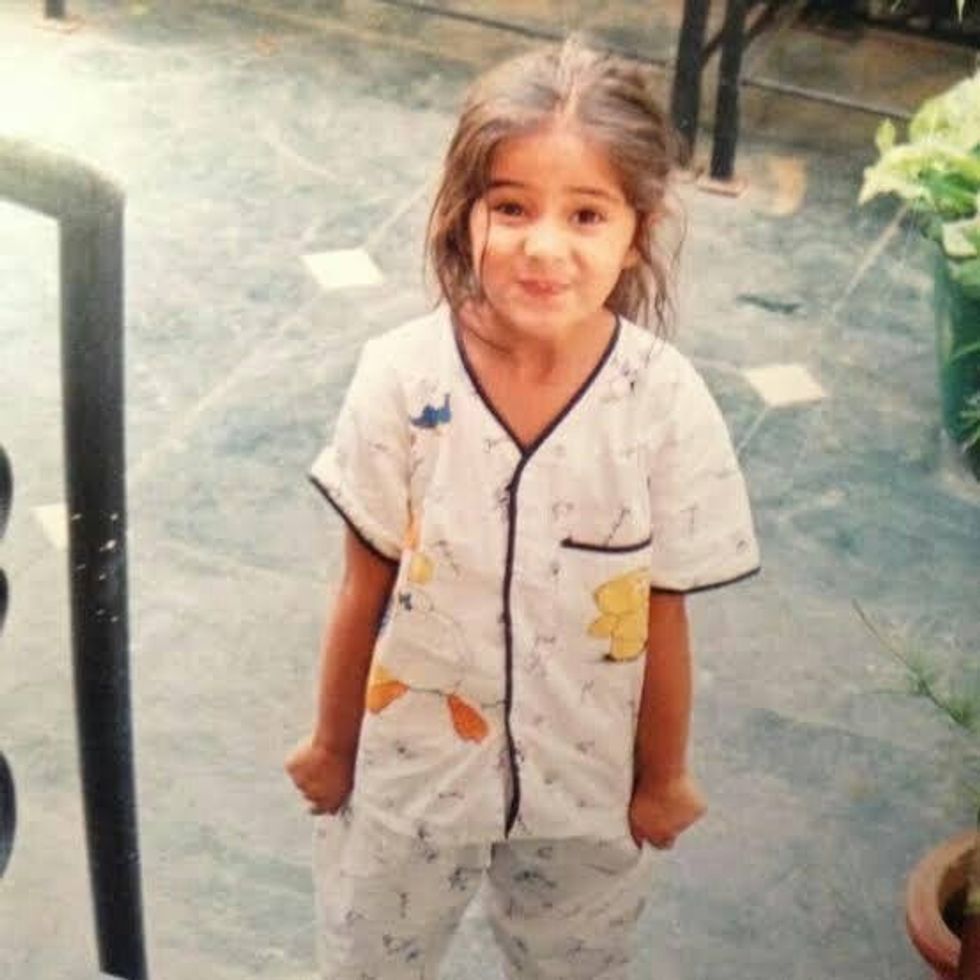 Ananya PandayGoogle
 Deepika PadukoneGoogle
 Vicky KaushalGoogle
 Kareena Kapoor KhanGoogle