
- DoorDash will acquire Instacart for approximately $17 billion, valuing the grocery platform at $65 per share.
- The companies expect to expand Instacart’s reach by more than 50,000 stores and offer DashPass and Instacart+ members access through a single membership fee.
- The deal is expected to close in late 2027 or the first half of 2028, subject to shareholder and regulatory approvals.
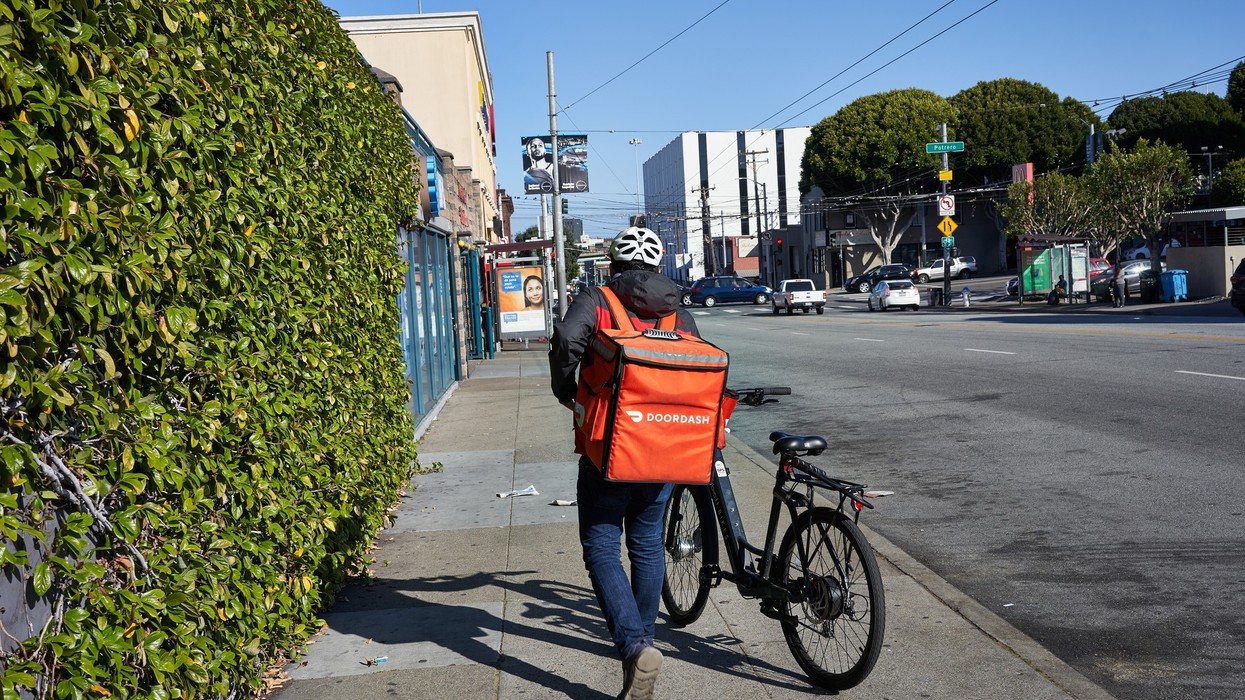
DoorDash has agreed to acquire grocery delivery platform Instacart in a deal valued at approximately $17 billion, combining its extensive delivery network with Instacart’s grocery technology and relationships with retailers.
Announced Thursday (29), the transaction values Instacart at $65 per share, a 26% premium to its closing price on October 22, before reports of a potential deal emerged. Instacart’s board has unanimously approved the agreement.
The acquisition would bring two major players in US on-demand delivery under one corporate umbrella as companies seek new sources of growth beyond restaurant orders. DoorDash has built a large food delivery business, while Instacart specializes in grocery fulfillment, retail technology and advertising services.
The combined company plans to offer retailers access to DoorDash’s delivery network and Instacart’s grocery technology through both apps and retailers’ own websites. The aim is to help grocery stores and other local businesses expand online sales without having to build their own ordering and delivery infrastructure.
DoorDash said Instacart customers could gain access to more than 50,000 additional stores, on top of the nearly 100,000 already available through Instacart. The companies also plan to allow DashPass and Instacart+ members to access both membership programs for one fee, which DoorDash estimates could save customers around $100 million annually in membership fees alone.
“Grocery is one of the hardest things to get right online,” DoorDash co-founder and CEO Tony Xu said, pointing to the challenges of selecting fresh produce, handling substitutions and delivering frozen goods before they melt.
He said combining Instacart’s grocery expertise with DoorDash’s delivery network could give retailers of different sizes access to tools that are typically developed by the largest online retailers.
Instacart CEO Chris Rogers said the deal would combine the company’s grocery technology and retailer relationships with DoorDash’s consumer reach and logistics capabilities.
Why is DoorDash buying Instacart?
The deal reflects a wider shift in the delivery industry as companies look beyond their core businesses to increase order volumes and improve profitability.
DoorDash has expanded beyond restaurant delivery into groceries and other retail categories. Instacart, meanwhile, built its business around online grocery shopping and benefited from a surge in demand during the COVID-19 pandemic. It has since faced competition from major retailers, including Amazon and Walmart, which have expanded their own grocery delivery services.
Combining the businesses could create opportunities to share technology, delivery infrastructure and customer acquisition costs. DoorDash also expects the wider network to generate more business for local retailers and give delivery workers more opportunities to accept orders.
However, the companies face a market in which consumers are increasingly sensitive to delivery charges, service fees and grocery prices. Higher fuel costs have added pressure, while delivery platforms have faced scrutiny over worker pay and employment practices.
DoorDash settled with New York City regulators for $131.5 million last month to resolve allegations that it deprived delivery workers of millions of dollars in tips. The company acknowledged that some workers had been underpaid or paid late, while saying the mistakes were not intentional.
The acquisition could also draw regulatory scrutiny because it brings together two significant delivery businesses with overlapping activities. DoorDash has said it will keep its platform open to grocery retailers, allowing them to work with other delivery providers. Instacart shoppers are also expected to retain flexibility over their working hours and the orders they accept.
What are the terms and when will the deal close?
The transaction values Instacart at approximately $17 billion in equity and provides for at least 75% of the consideration to be paid in cash. Instacart shareholders can elect to receive cash, DoorDash stock or a combination of both, subject to allocation rules that cap the stock component at 25% of the total consideration.
DoorDash plans to fund the cash portion through existing cash and debt financing. It has secured a commitment for a 364-day bridge loan facility from JPMorgan Chase Bank and said the deal is not conditional on financing being secured.
The acquisition is expected to close at the end of 2027 or during the first half of 2028. It remains subject to approval by Instacart shareholders, US antitrust procedures and regulatory clearances in other jurisdictions, including Canada and Israel. Shareholders holding approximately 19% of Instacart’s outstanding shares have agreed to vote in favor of the deal.
Until the transaction closes, the companies will continue to operate independently. DoorDash expects to retain the Instacart brand, its app and its enterprise technology products after completion.
Separately, DoorDash is expanding its technology and operations presence in India through a planned hub in Hyderabad. The center is expected to create 3,000 jobs over two years, beginning with an initial workforce of 500, and will support customer service and administrative functions for international operations.
The expansion builds on DoorDash’s existing technology operations in Pune, but does not signal an entry into India’s consumer-facing food delivery market. Its initial Hyderabad facility was expected to begin operations in October 2026, with a larger site in Hitec City planned for April 2027.
For DoorDash, the proposed acquisition offers a way to expand its position in grocery delivery and provide retailers with more technology and fulfillment options. For Instacart, it brings the backing of a larger delivery network as competition intensifies. The long-term test will be whether the combined business can deliver meaningful savings and growth while keeping delivery affordable for customers and attractive for workers and retailers.