
INDIAN AMERICANS are approaching the November 3 US midterm elections on two fronts: seeking elected office themselves and supporting candidates from other backgrounds whom they believe will advance issues important to Indian Americans.
From a competitive congressional race in Arizona to the Ohio governor’s contest and the Los Angeles mayoral election, Indian-origin candidates are seeking office at several levels of government.
Political action committees (PACs) are also backing candidates from both major parties, reflecting an effort to build political influence beyond the community’s own elected representatives.
The elections will determine control of the House of Representatives and Senate and help shape how much of President Donald Trump’s agenda can advance during the final two years of his term.
Which historic firsts are Indian American candidates hoping to achieve in the US midterm elections?
For Indian Americans, the results will test whether growing electoral engagement can translate into a stronger voice in political decision-making.
A growing electorate, but not a single voting bloc
The 2026 AAPI Voter Survey, released in August by AAPI Data and APIAVote, estimated that 16 million Asian American and Pacific Islander voters were eligible to vote this year, including 1.6 million who had become eligible since 2022.
Ninety per cent of registered AAPI voters said they planned to vote in the midterms, while 71 per cent said they were absolutely certain to do so. Cost of living and inflation were the leading concerns, with 90 per cent of Asian-American respondents describing them as very or extremely important in deciding how to vote.
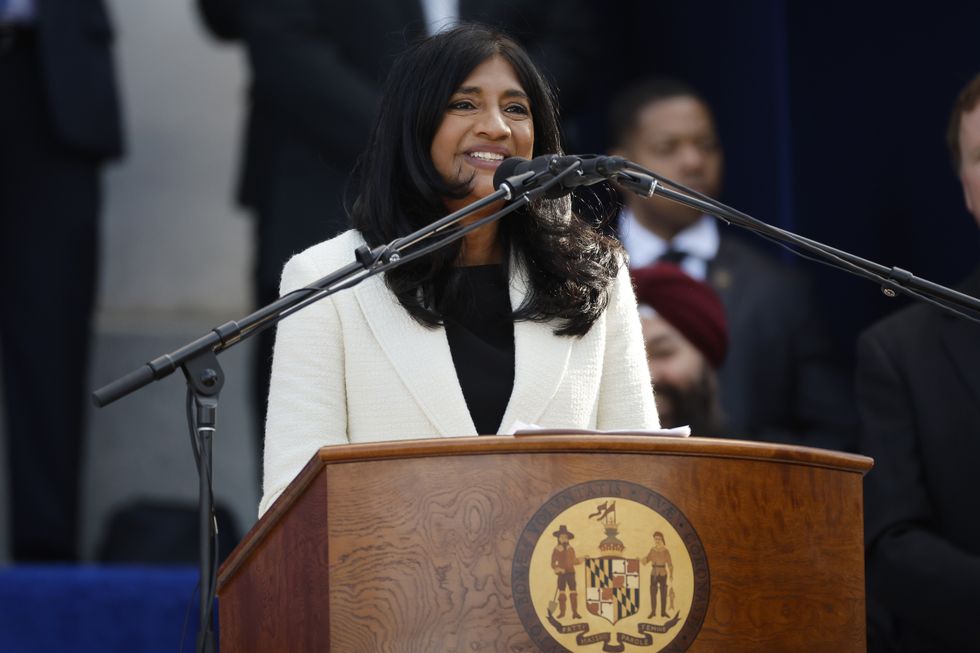 In Maryland, Hyderabad-born Lieutenant Governor Aruna Miller is seeking another term on the Democratic ticket with Governor Wes Moore. Getty
Among Asian Indian respondents, 66 per cent preferred the Democratic candidate in House races, compared with 18 per cent who preferred the Republican. In Senate races, 66 per cent preferred the Democrat and 22 per cent the Republican.
The survey interviewed 2,066 registered AAPI voters between June 3 and July 27, including 242 Asian Indian respondents. The Senate preference figures were based on 148 Asian Indian respondents. The results reflect preferences at the time of the survey, not a prediction of the November outcome.
The findings underline why campaigns are paying attention to Asian-American voters, particularly in close contests. In 2024, AAPI voters accounted for 4.4 per cent of the eligible electorate in Arizona, 4.2 per cent in Georgia and 3.3 per cent in Pennsylvania. In Nevada, the figure was 12 per cent, according to AAPI Data.
Maryland Lt Gov Aruna Miller urges South Asian Americans to step up in politics
However, Indian Americans do not vote as a single bloc. Preferences vary across Asian ethnic groups, and a candidate’s Indian or South Asian background does not automatically guarantee support from voters who share that heritage.
Arizona and Florida: Two congressional tests
Amish Shah, an emergency medicine physician and former Arizona state lawmaker, is the Democratic nominee in Arizona’s 1st Congressional District, where he faces Republican Jay Feely.
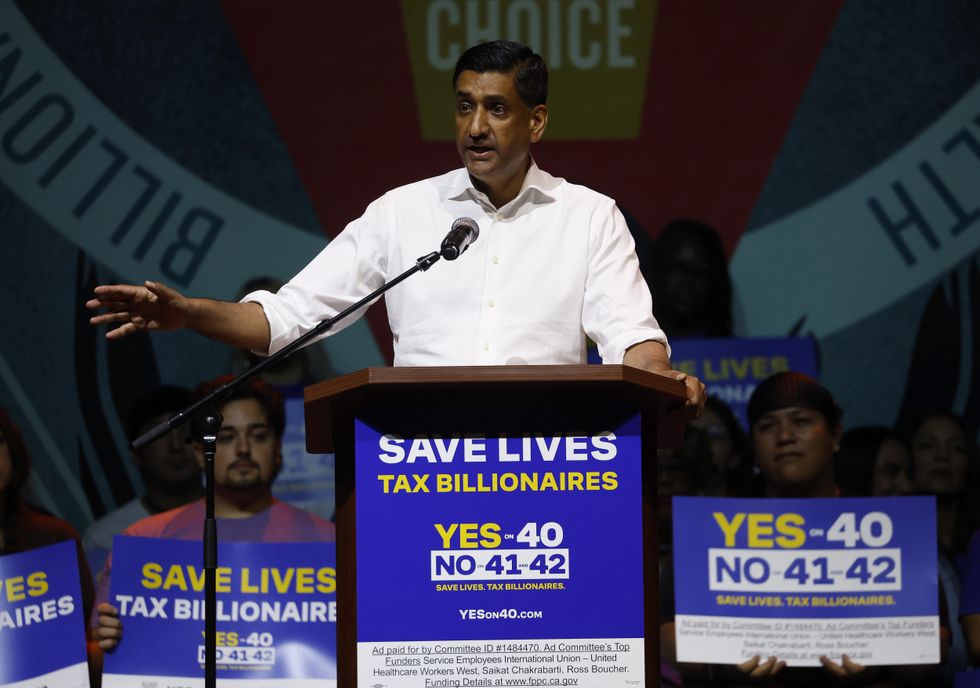 Ro Khanna is seeking re-election.Getty
The seat opened after Republican David Schweikert left the House to run for governor but lost the Republican primary to Andy Biggs in July.
Shah came close to winning the district in 2024. A FirstStrategic poll of 400 voters conducted on October 1 put Shah at 44.4 per cent and Feely at 41.6 per cent, with 14 per cent undecided and a margin of error of 5.4 percentage points. The poll offered a snapshot of the contest, not a prediction of the result.
The candidates also clashed over local issues, including data centers and water, during a debate this month. Shah has said he opposes new data centers in the district, while Feely has argued they can generate revenue and support economic growth.
For Shah, the challenge is to build a broad coalition in a district where the economy, immigration, the Trump administration and local concerns all matter. A victory would add to Indian-American representation in Congress, but the outcome will depend on voters across the district.
Pia Dandiya, an Indian-American Democrat, faces Republican Casey Askar in Florida’s 22nd Congressional District. Her campaign is another test of whether a South Asian candidate can win a competitive race by building support beyond her own community.
Vivek Ramaswamy offers a different political path
Vivek Ramaswamy, the Republican nominee for governor of Ohio, is challenging Democrat Amy Acton in a closely watched statewide contest. Trump has endorsed Ramaswamy.
Recent polling has varied. One survey reported in early October put Acton six points ahead, while other poll averages showed a closer contest.
Ramaswamy’s candidacy challenges the assumption that Indian-American political representation is closely associated with the Democratic Party. The latest AAPI survey showed a strong Democratic preference among Asian Indian respondents, but national figures do not determine how Ohio voters will behave.
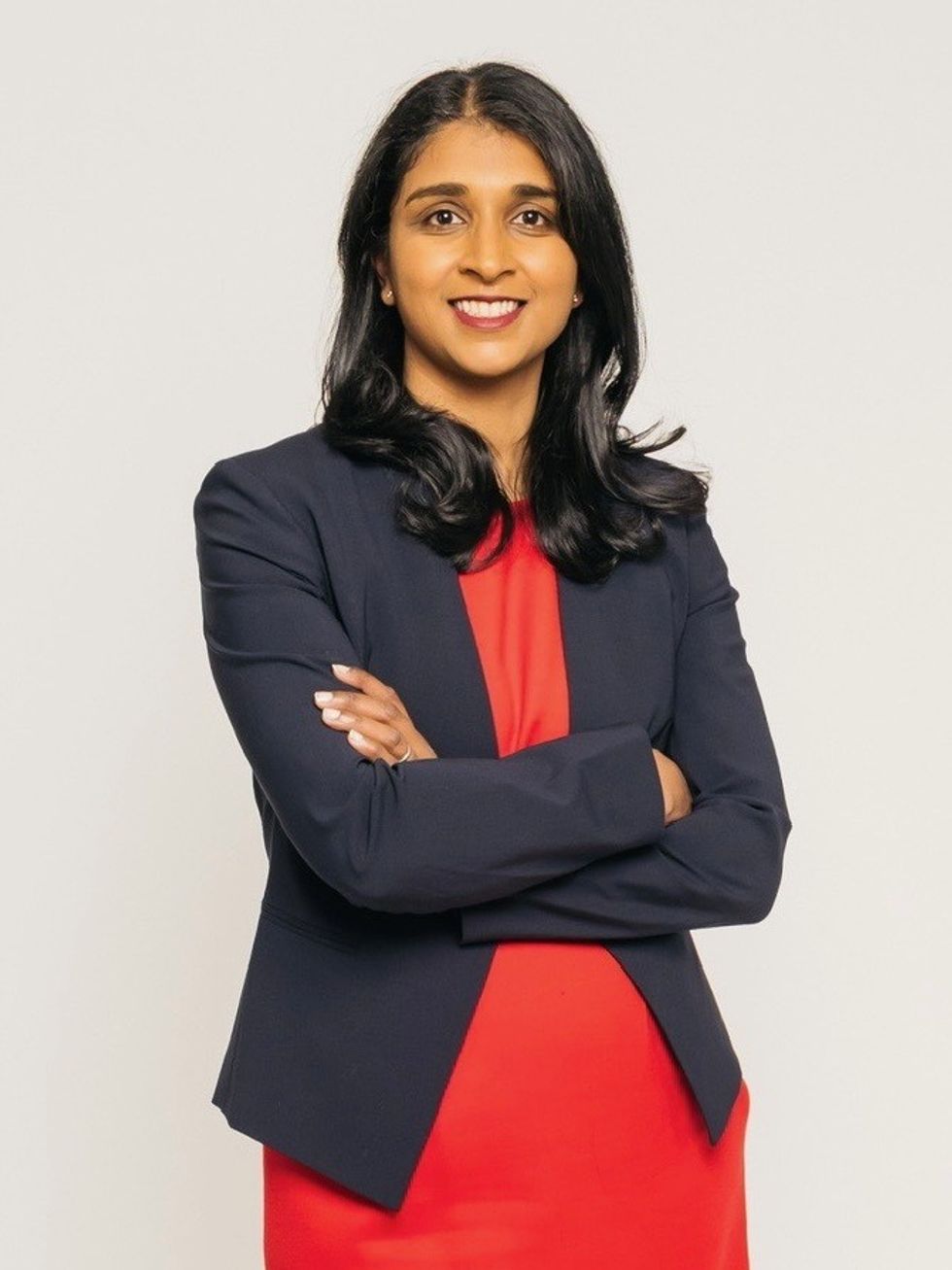 In New York, Republican Saritha Komatireddy is challenging Democratic incumbent Letitia James for attorney general. Getty
A Ramaswamy victory would put an Indian-American Republican in the governor’s office of a major Midwestern state. Whatever the outcome, his campaign highlights the ideological diversity among South Asian Americans seeking elected office.
Four Indian-American lawmakers seek re-election
The outgoing House has six members of Indian origin, but only four are seeking re-election to the chamber: Ro Khanna of California, Pramila Jayapal of Washington, Ami Bera of California and Suhas Subramanyam of Virginia.
Raja Krishnamoorthi, a five-term congressman from Illinois, lost the Democratic primary for the US Senate in March to fellow Democrat Juliana Stratton. Shri Thanedar lost the Democratic primary for Michigan’s 13th Congressional District to state Representative Donavan McKinney.
The number of Indian-origin representatives in the next House will depend partly on the outcomes for Shah and Dandiya and on whether the four incumbents retain their seats.
Backing candidates beyond the community
Some Indian-American groups are also supporting candidates from outside the community whom they believe will advance their concerns.
Saritha Komatireddy fights for New York Attorney General position
Romesh Japra, a California-based cardiologist who founded the Americans4Hindus Political Action Committee, told PTI that Indian Americans should support not only candidates from their own community but also those sympathetic to Indian-American and Hindu concerns.
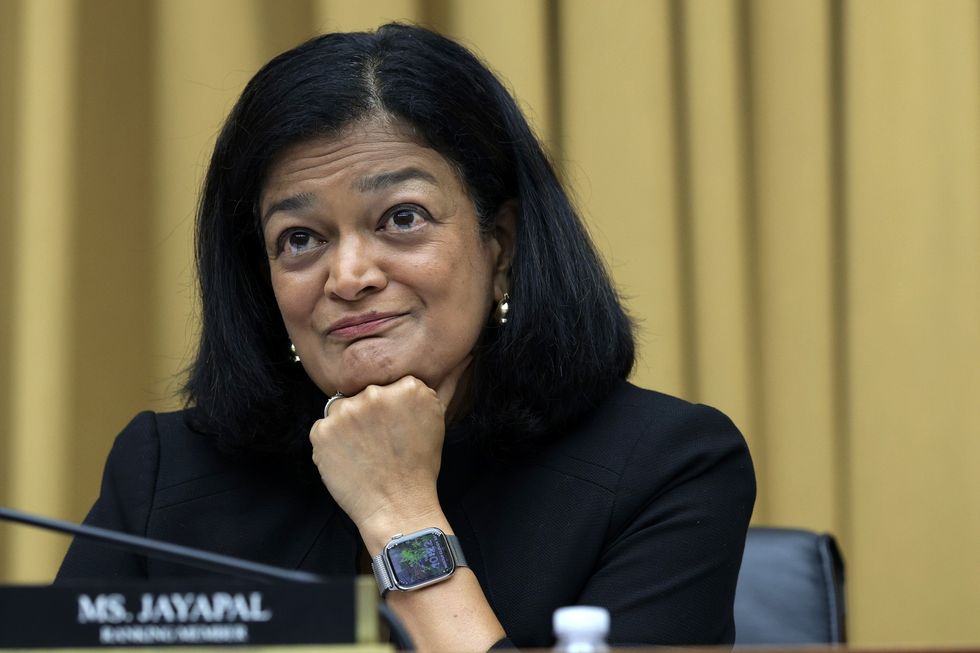 Pramila Jayapal is also seeking re-election.Getty
The PAC is backing Democratic House candidates including James Walkinshaw in Virginia’s 11th District, Suzan DelBene in Washington’s 1st District, Dandiya in Florida’s 22nd District and Gregory Meeks in New York’s 5th District. It has also backed Republican House candidate Jenny Rae Le Roux in California’s 47th District and incumbent Republican Senator James Risch.
The list spans both parties, but it reflects one PAC’s approach, not the preferences of all Indian Americans or Hindu voters. The strategy reflects a view among some activists that political influence requires relationships with elected officials beyond the community’s own candidates.
Ajay Jain Bhutoria, a former White House adviser during Joe Biden’s presidency, urged Indian-American candidates to address issues affecting the wider electorate and focus on the aspirations of the congressional districts they seek to represent.
Japra said even one or two percentage points could matter in battleground states including Georgia, Pennsylvania, Michigan and North Carolina. That is his assessment of the potential influence of Indian-American voters, not a guarantee that they will decide any particular race.
From state government to city hall
Indian-origin candidates are also contesting races beyond Congress. In New York, Republican Saritha Komatireddy is challenging Democratic incumbent Letitia James for attorney general. Komatireddy, who has received Trump’s endorsement, used a televised debate this month to criticise James’s record.
In Maryland, Hyderabad-born Lieutenant Governor Aruna Miller is seeking another term on the Democratic ticket with Governor Wes Moore. The pair won their party’s primary in July.
Why Pia Dandiya left FL-21 for Florida’s new district 22 and what changed
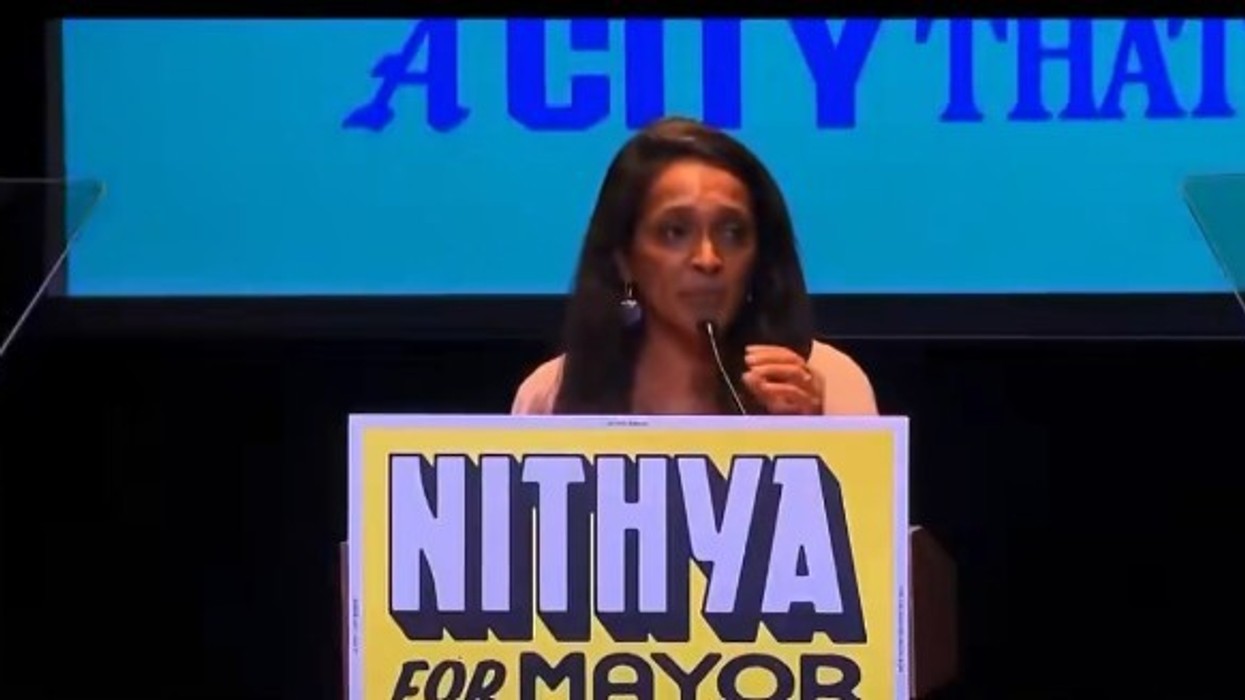
In Los Angeles, Kerala-born City Council member Nithya Raman is challenging incumbent Mayor Karen Bass in the November 3 runoff. A poll released in September by the UC Berkeley Institute of Governmental Studies and the Los Angeles Times put Raman at 39 per cent and Bass at 28 per cent among likely voters, with 33 per cent undecided.
In a televised debate on October 13, they clashed over public safety, emergency response and the city’s police chief. The poll was a snapshot of the race, not a prediction of the result.
These campaigns span Congress, state government and city leadership. The candidates have different political affiliations and prospects, but each is part of a wider push for representation.
The challenge of building influence
Indian Americans have a significant presence in states including California, Texas, New Jersey, New York, Washington, Illinois, Pennsylvania and Georgia. But community leaders say that presence has not always translated into representation proportionate to the community’s size or electoral engagement.
One community leader told PTI that multiple Indian-American candidates had sometimes contested elections against one another, splitting support and allowing a candidate from a smaller community to win.
A larger pool of candidates can broaden representation and give voters more choices, but it can also divide support in individual contests. Candidates differ in ideology, party affiliation and policy priorities, so there is no single strategy for every district.
The cross-party backing by Americans4Hindus and Bhutoria’s call for candidates to address wider district concerns illustrate different approaches to building political influence.
What the midterms will show
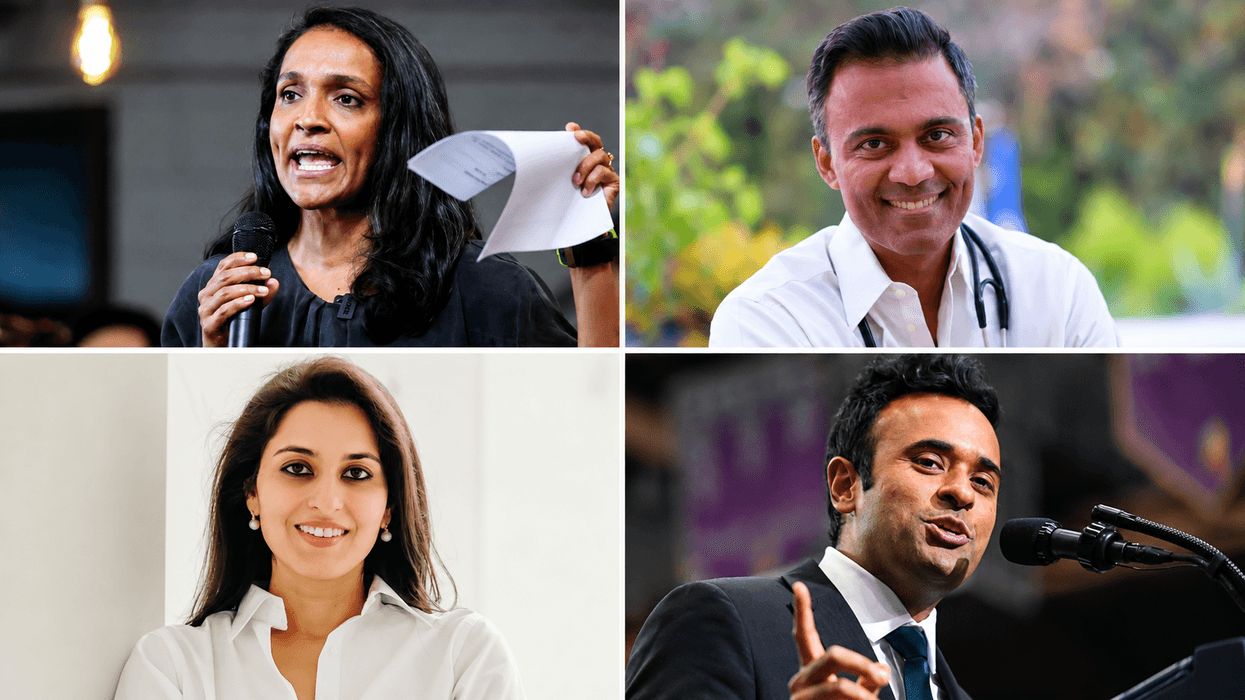
The November 3 elections will test both individual campaigns and the broader efforts of Indian Americans to gain influence in US politics. Shah and Dandiya are seeking seats in Congress; Ramaswamy is running for governor as a Republican; four Indian-origin House members are seeking re-election; and Miller, Komatireddy and Raman are contesting state and local offices.
Ritesh Tandon, Nirav Sheth and Sandeep Dixit, making waves in the 2026 midterms
Meanwhile, PACs are backing candidates from both parties based on their stated priorities, rather than limiting their support to Indian-American nominees.
The survey data show high stated voting intention among AAPI voters and a strong Democratic preference among Asian Indian respondents. But the outcomes will depend on turnout, local conditions, candidate performance and the issues that matter most in each race.
For Indian Americans, political influence will be measured not only by how many candidates share their heritage, but also by whether they can sustain representation, support candidates across party lines and persuade elected officials to take their concerns seriously.
CANDIDATES AND RACES TO WATCH
Congress
- Amish Shah: Democratic nominee in Arizona’s 1st Congressional District, facing Republican Jay Feely.
- Pia Dandiya: Democratic nominee in Florida’s 22nd Congressional District, facing Republican Casey Askar.
- Ro Khanna, Pramila Jayapal, Ami Bera and Suhas Subramanyam: Indian-origin House members seeking re-election.
- Raja Krishnamoorthi: Lost the Democratic Senate primary in Illinois to Juliana Stratton.
- Shri Thanedar: Lost the Democratic primary in Michigan’s 13th Congressional District to Donavan McKinney.
Other major races
- Vivek Ramaswamy: Republican nominee for Ohio governor, facing Democrat Amy Acton.
- Saritha Komatireddy: Republican candidate for New York attorney general against incumbent Letitia James.
- Aruna Miller: Seeking re-election as Maryland lieutenant governor with Governor Wes Moore.
- Nithya Raman: Challenging Karen Bass in the Los Angeles mayoral runoff.