Highlights:
- The Pitt led all shows with 25 Emmy nominations.
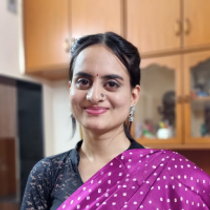
- Supriya Ganesh was left out despite her acclaimed second season.
- Her character, Dr Samira Mohan, will not return for Season 3.
- Only Sepideh Moafi represented the show’s women of colour in supporting actress.
- Shabana Azeez was also overlooked despite her prominent role.
The Emmy nominations were supposed to be a victory lap for The Pitt. The HBO Max medical drama led the entire field with 25 nominations, including 13 acting nods. Yet one omission quickly became impossible to ignore: Supriya Ganesh.
Almost everyone around her seemed to get recognised. Noah Wyle was nominated. Katherine LaNasa was nominated. Taylor Dearden, Fiona Dourif and Sepideh Moafi were nominated. Even several guest performers made the cut.
Ganesh did not.
That makes her omission more than another awards-season snub. It raises a difficult question about how much space South Asian women are really being given when a show has a diverse ensemble — and whether one “brown girl” is still seen as enough.
“I’m brown and I was like, ‘Oh, they already have their brown girl’”
Shabana Azeez’s experience makes the situation even more complicated.
Azeez, who was born in Adelaide to Indo-Fijian parents, joined The Pitt as Dr Victoria Javadi. According to biographical accounts, she initially worried that her background could hurt her chances because the series already had Ganesh.
The two actresses eventually became close after Azeez moved to Los Angeles for filming.
That detail is striking. Two South Asian women were not competing for the same cultural space in the story. They were part of an ensemble built around different doctors, personalities and experiences.
Yet Azeez's fear of being perceived as the second “brown girl” speaks to an old Hollywood problem: representation can become a numbers game rather than an effort to reflect the breadth of South Asian identities.
Azeez was also left without an acting nomination.
“It was a creative call”
For Ganesh, the snub landed at an especially painful moment.
She played Dr Samira Mohan from the beginning of The Pitt. Her second season was also her final one, with her departure confirmed before the Emmy nominations. Variety reported that her exit was a story-driven decision. Ganesh later explained that the choice came from executive producers R. Scott Gemmill, Noah Wyle and John Wells.
Ganesh told the Los Angeles Times that the decision was a creative call and directed questions about the reasoning towards the producers rather than answering for them.
Gemmill described the departure as bittersweet. He said the writers enjoyed working with actors audiences loved, but that characters sometimes had to leave. He also explained that Dr Mohan connected well with patients but struggled with the pace demanded by a modern emergency department.
The timing still made the Emmy omission sting.
Ganesh was not simply overlooked from a huge cast. She was overlooked in the same year that her character was being written out.
“Why just about everyone in The Pitt was nominated except for Supriya Ganesh”
That was the blunt reaction from Esquire, which listed Ganesh among the year's most shocking Emmy snubs.
The numbers make the omission difficult to ignore. The Pitt received four supporting-actress nominations: LaNasa, Dearden, Dourif and Moafi. Ganesh, Azeez and Isa Briones were absent.
There is a practical explanation. With so many performers competing from the same show, votes can be divided among a crowded ensemble. The Pitt also submitted a large number of performers for consideration.
But representation is not just about counting nominations.
Ganesh is Indian American, born in the United States to Tamil parents from India. She moved to New Delhi as a child before returning to the US for university. Her career and identity span multiple cultures.
That should not make her nomination automatic.
But when a show celebrates diversity on screen and then leaves several of its South Asian women outside the Emmy spotlight, the question deserves to be asked: has Hollywood really moved beyond the idea that there is room for only one “brown girl” at a time?