
Highlights
- Jane Fonda says she is not afraid of Donald Trump but worries others are being discouraged from speaking out
- The actor says AI, data centers and billionaire power pose a growing threat to ordinary Americans
- Fonda has some of her sharpest criticism for tech billionaires obsessed with extending human life
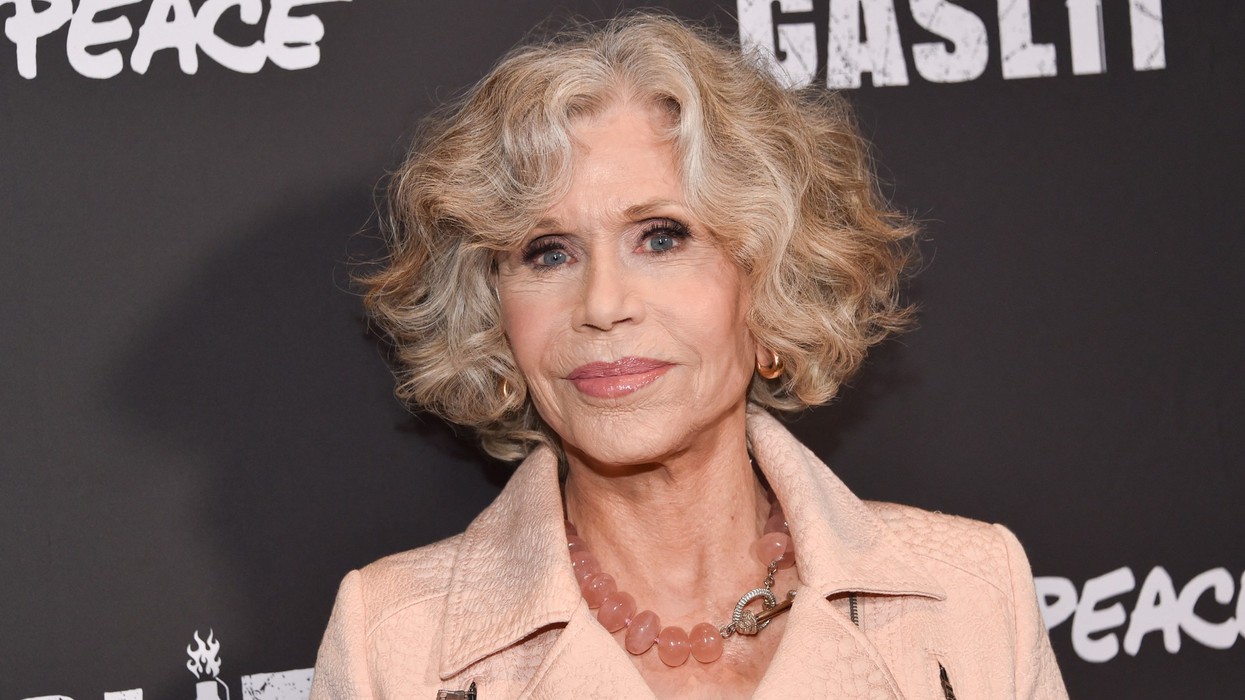
Jane Fonda is 88, but she has no intention of softening her views.
The two-time Oscar winner used her appearance at the Venice Film Festival to speak about Donald Trump, Hollywood's corporate power struggle and what she sees as an increasingly dangerous concentration of wealth and influence among technology billionaires.
While Fonda is firmly opposed to the proposed Paramount-Warner Bros. Discovery merger, her concerns extend well beyond the future of one Hollywood company. For the veteran activist, the bigger question is who gets to control culture, technology and the decisions that shape ordinary people's lives.
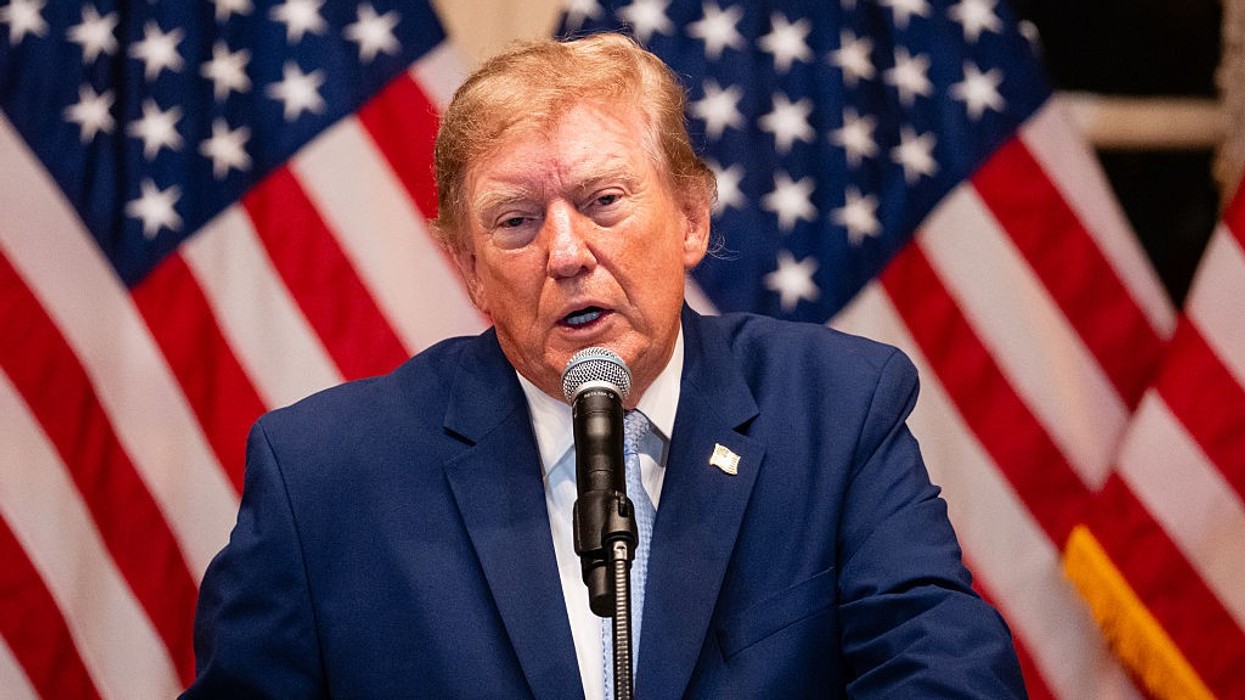
Fonda says Trump does not scare her
Fonda was asked whether Donald Trump's rise had made it harder for people in Hollywood to speak publicly about politics.
Her answer was blunt. She said she personally was not afraid because she had already lived her life and believed Trump could not do anything to her.
But she acknowledged that many other people do not have the same freedom.
Fonda said that is one reason she has been encouraging people to organise rather than stand alone. She pointed to the Committee for the First Amendment, which she helped revive and which she said now has thousands of members.
The group has historical significance for Fonda. Her father, actor Henry Fonda, was involved with the original Committee for the First Amendment, which was created during the era of McCarthyism and the Hollywood blacklist.
Fonda believes collective action can make it harder for powerful people to silence individuals.
She also defended actor Mark Ruffalo after he faced accusations of antisemitism in connection with his opposition to the Paramount-Warner Bros. deal. Fonda described the accusation as a tactic designed to undermine his position.
Her Warner Bros. concerns are really about power
Fonda's opposition to the proposed Paramount-Warner Bros. merger is rooted in what she believes consolidation would mean for Hollywood workers and audiences.
She argued that having fewer major studios would leave creatives with fewer places to sell their work, weaken their bargaining power and reduce the influence of unions.
She also warned that consumers could eventually face higher prices while thousands of entertainment industry jobs could disappear.
Interestingly, Fonda made a point of separating her personal feelings from her political position. She said she likes David Ellison, whose Skydance previously financed Grace and Frankie, the Netflix series in which she starred for seven seasons.
But she argued that personal relationships cannot override what she believes would be the broader consequences of the deal.
Her comments about Trump and the merger also fit into a wider concern about corporate influence. Fonda pointed to growing public resistance to data centers and detention centers, saying she has noticed people from across the political spectrum increasingly questioning decisions being made by those in power.
Fonda's biggest warning is for the tech billionaires
Fonda's most provocative comments came when she was asked about the growing interest among wealthy technology figures in longevity and extending human life. Her response was cutting.
“They want to live forever, while they’re killing the rest of us,” she said.
Fonda argued that some tech billionaires and oligarchs behave as though the rules governing everyone else do not apply to them, including the laws of nature and physics.
She connected that attitude to her concerns about AI and employment. As technology advances, she warned that ordinary workers could lose their jobs while the companies developing the technology accumulate even more wealth.
She also criticised the expansion of data centers, arguing that they can damage the environment and disrupt communities.
Her concerns ultimately lead back to the climate crisis. Fonda warned that humanity does not have unlimited time to correct course, making the concentration of wealth and technological power particularly alarming to her.
For Fonda, the issue is therefore much bigger than Trump or the Warner Bros. merger. She sees a battle over who gets to shape the future, and she is urging people who feel threatened by those changes to stop standing alone.