
- Google will begin its global developer verification rollout in January 2027, with protections expanding over several months.
- The rules will cover third-party app stores and APK downloads on Google-certified Android devices.
- Sideloading will remain possible, but installing apps from unverified developers will involve a 24-hour waiting period and additional security checks.
Google says the verification requirement is intended to make it harder for scammers and malware distributors to repeatedly circulate harmful applications by hiding behind anonymous developer accounts.
The company has pointed to its own analysis, which found more than 90 times as much malware from sideloaded sources as from Google Play. It argues that verifying developers will make it easier to hold app creators accountable, regardless of where their software is distributed.
The policy does not mean Google will review and approve every app's content. The verification process primarily establishes the developer's identity and registers the applications associated with that developer.
The company says millions of apps have been registered since verification opened to all developers in March 2026. Those applications account for more than 99 per cent of Android app installs worldwide, according to Google.
For most users who download apps through established stores, the change may not be immediately noticeable. The additional checks are primarily aimed at applications that have not been registered by verified developers.The rules will also cover apps distributed through third-party stores and APK files downloaded directly from websites. Google says the rollout will apply to certified Android devices running Android 8 or later. Devices running the Android Open Source Project (AOSP) without Google certification will not be covered.
The first phase began on September 30, 2026, in Brazil, Indonesia, Singapore and Thailand, covering selected participating app stores. The global expansion will start in January 2027, with protections expected to reach other stores by March.
Can Android users still install apps from unverified developers?
Google is not banning sideloading, but it is introducing an additional process for users who want to install applications from developers who have not completed verification.
The company has created an advanced installation flow for experienced users and those who knowingly choose to accept the risks.
To proceed, users must enable the option through their device's developer settings and confirm that nobody is pressuring them to disable the protection. They must then restart their phone and wait 24 hours before completing the process with their device PIN or biometric authentication.
Once approved, users can permit installations from unverified developers for seven days or indefinitely. Android will continue to display security warnings when they attempt to install such applications.
There is an exemption for Android Debug Bridge (ADB), a tool commonly used by developers to install and test applications. ADB installations will not require the 24-hour waiting period.
Google has also introduced limited-distribution accounts for students and hobbyists who want to share applications with a small group without completing full identity verification. These accounts allow developers to distribute apps to up to 50 authorised devices without a government-issued ID or registration fee.
For developers distributing apps more widely, identity verification and app registration will be necessary to ensure their software remains available to users on affected devices.
The changes represent a shift in how Android manages its traditionally open app ecosystem. While users will retain the ability to install software from outside official stores, doing so will involve more checks and deliberate steps.
For Google, the challenge is to strengthen protection against malware and impersonation without removing the flexibility that has distinguished Android from more restricted mobile platforms. How users and independent developers respond to the new requirements will become clearer as the global rollout progresses.











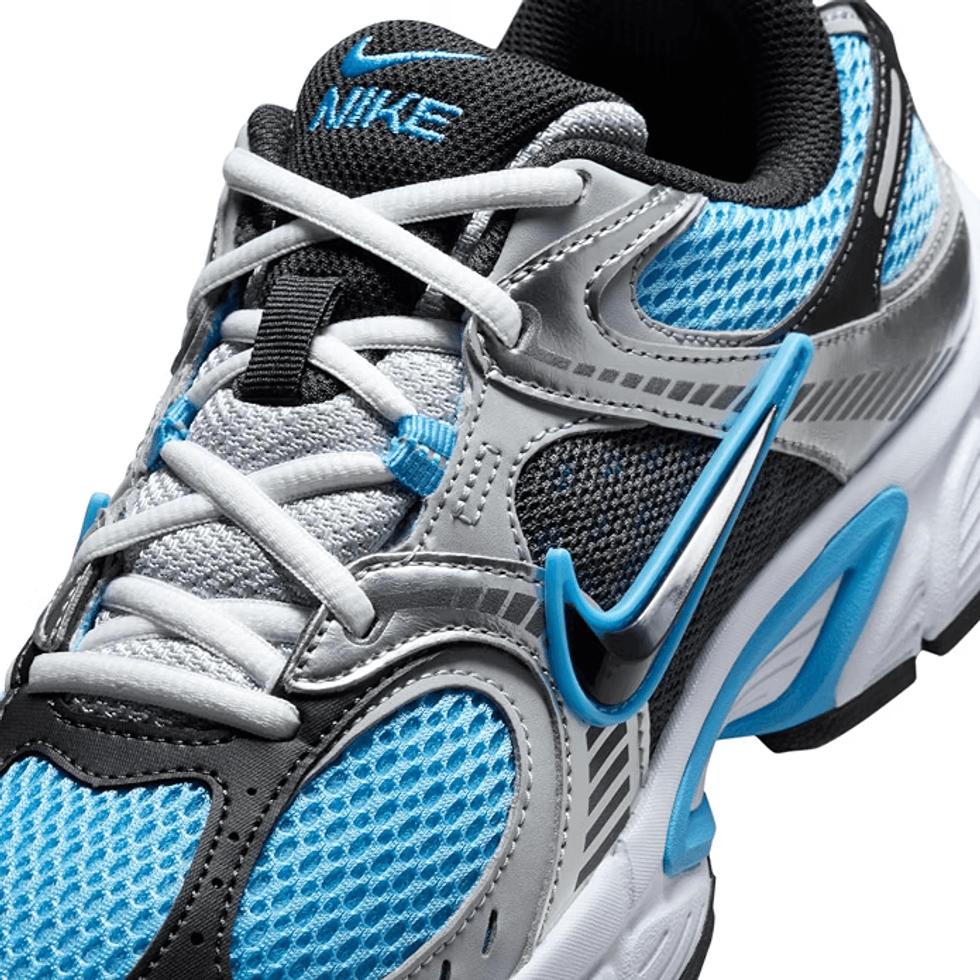






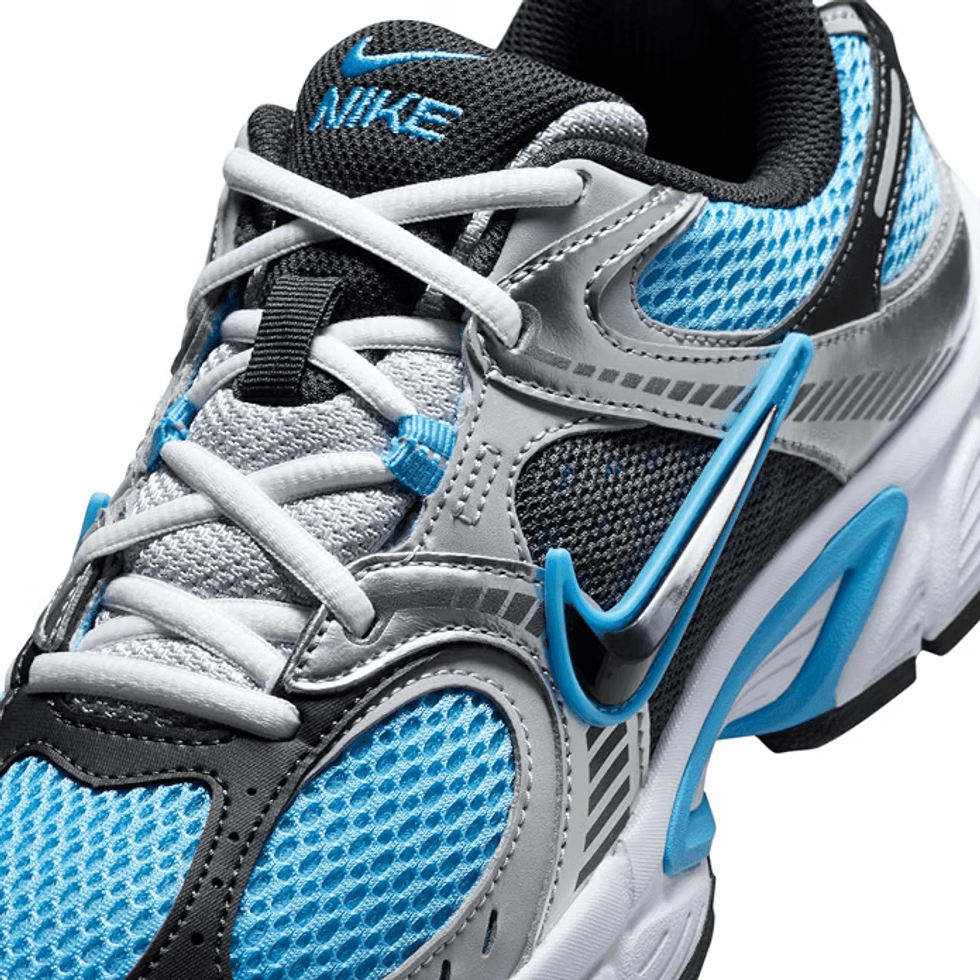 Nike V5 RNR Sneakers Amazon
 Impala Adjustable Roller Skates Amazon
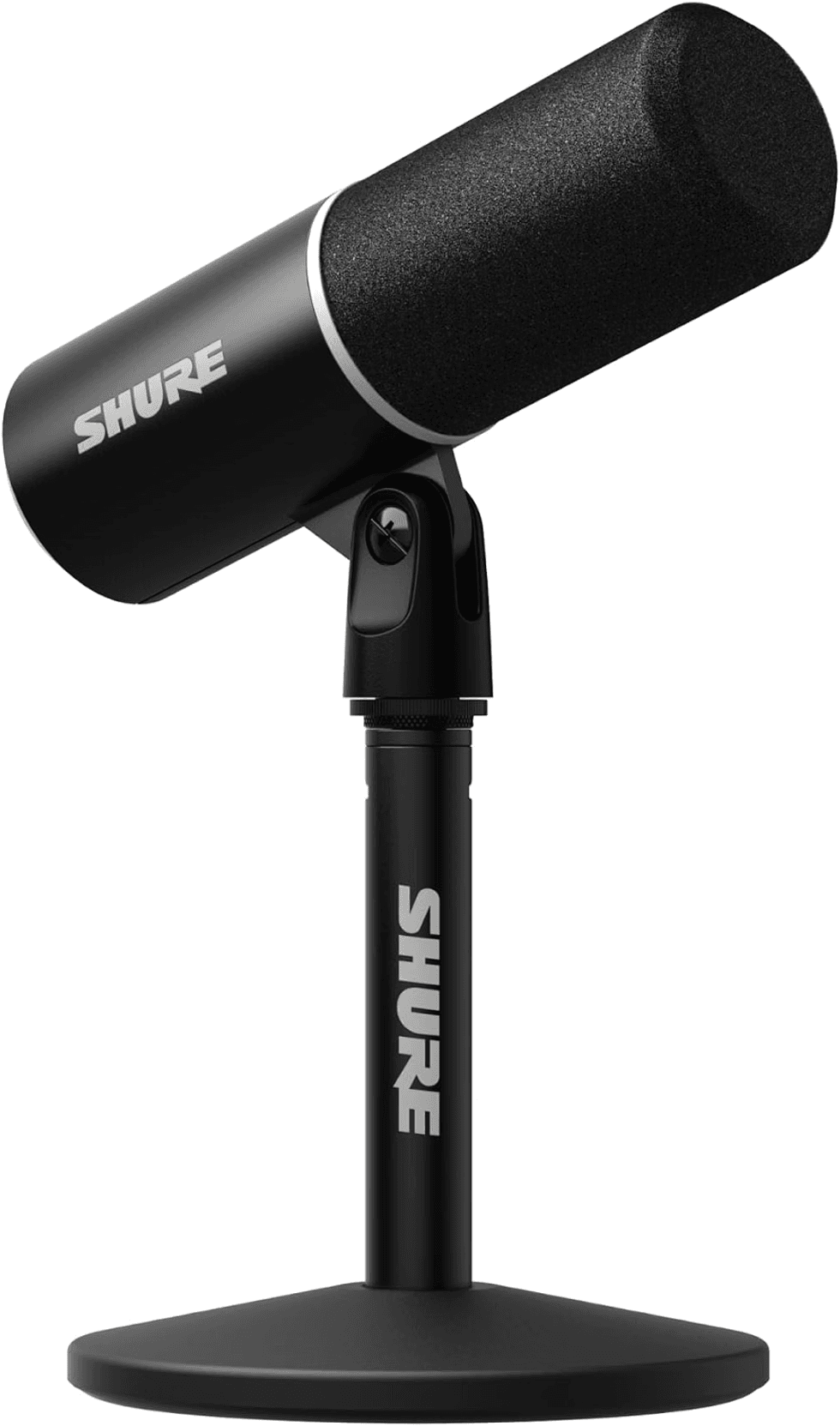
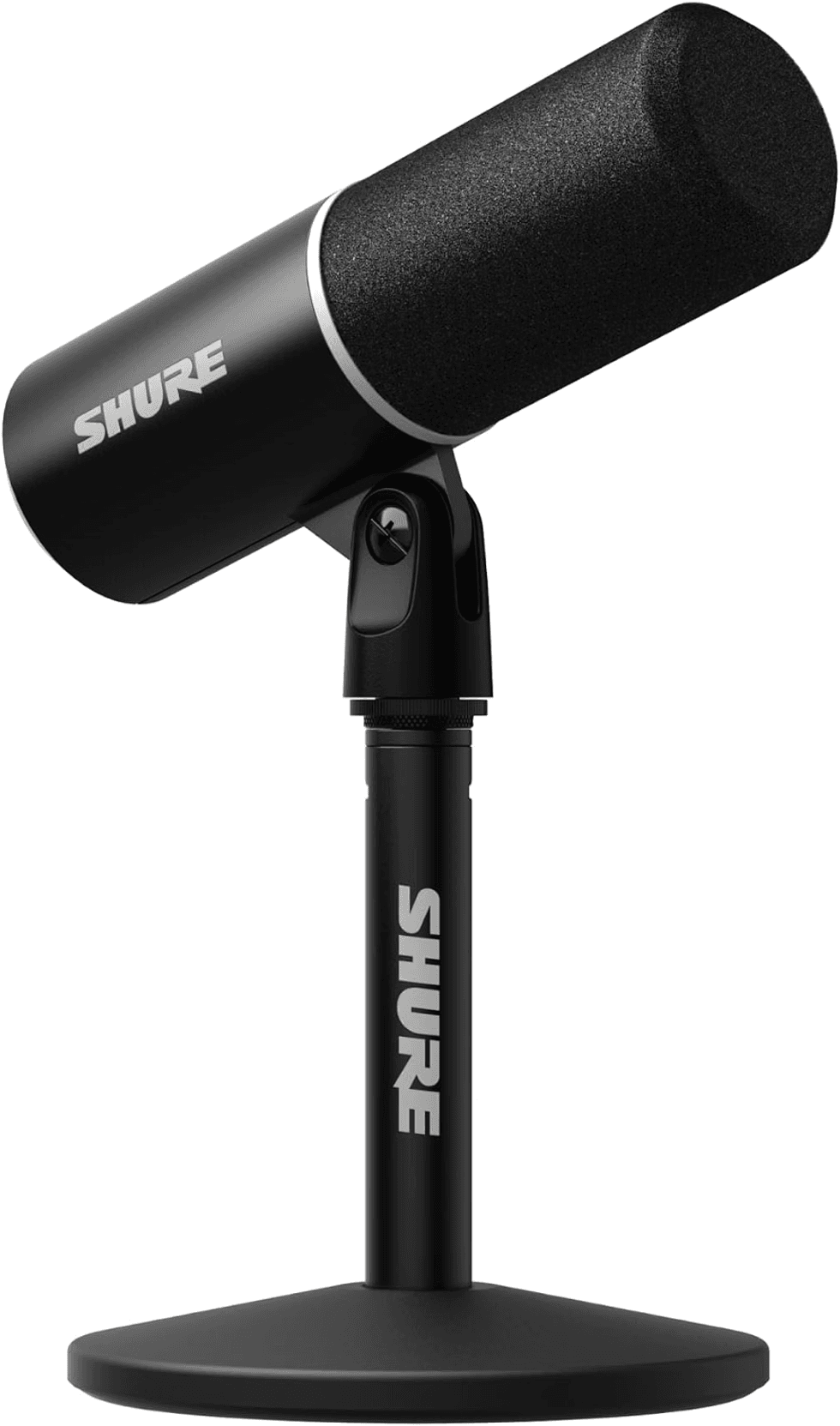 Shure USB Podcast Microphone Amazon
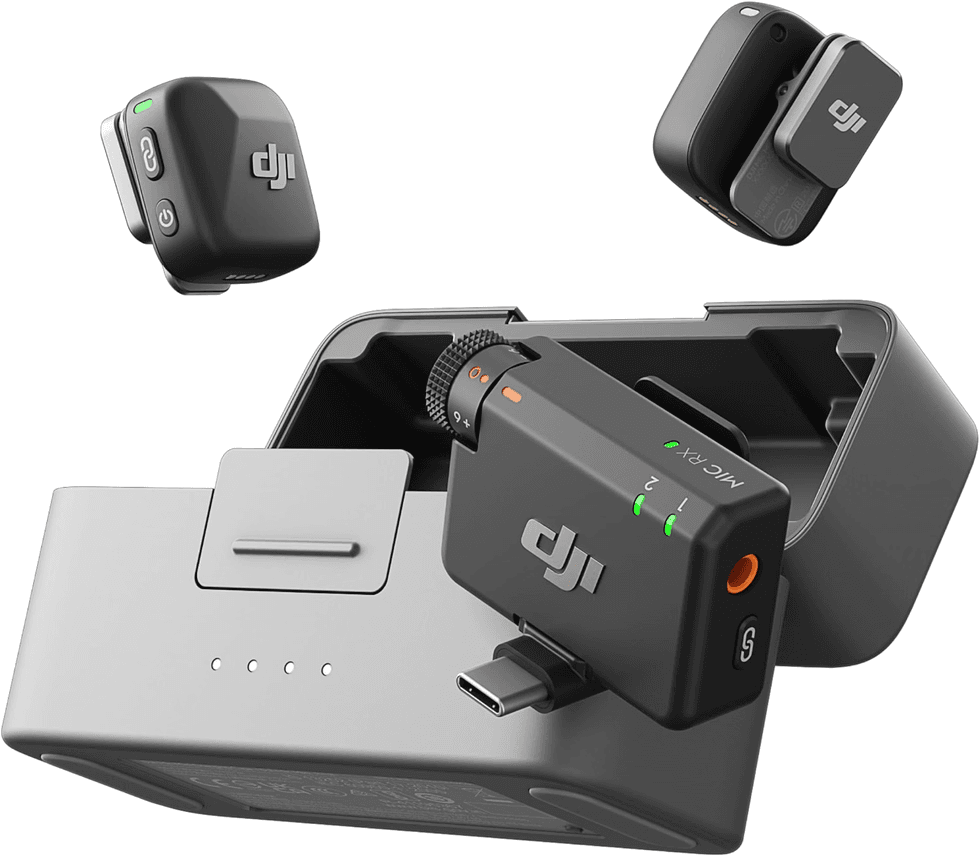
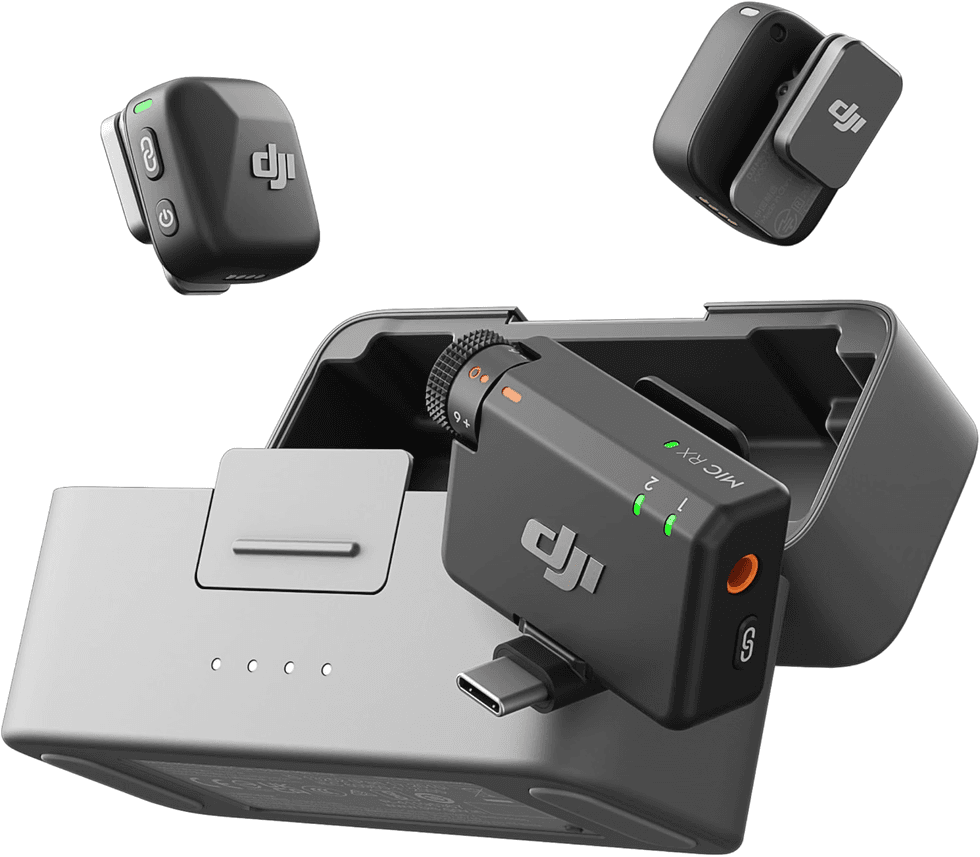 DJI Wireless Podcast Microphone Amazon
 Levi’s Utility Jacket Amazon
 Steve Madden Kitten-Heel Sandals Amazon
 Lionel Classic Electric Toy Train Set Amazon
 Uniqlo Red Cardigan Amazon
 West Elm Ski-Themed Ceramic Mug Amazon
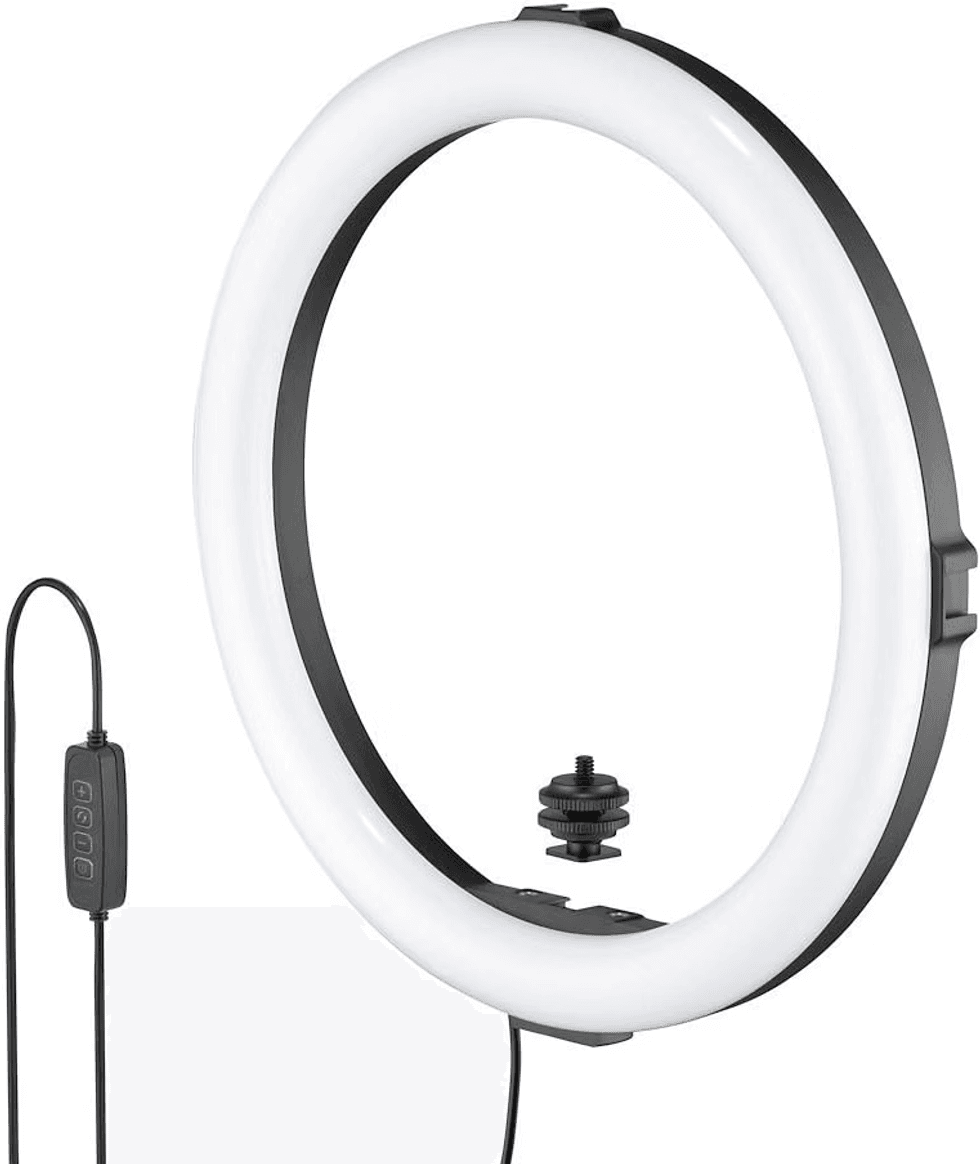
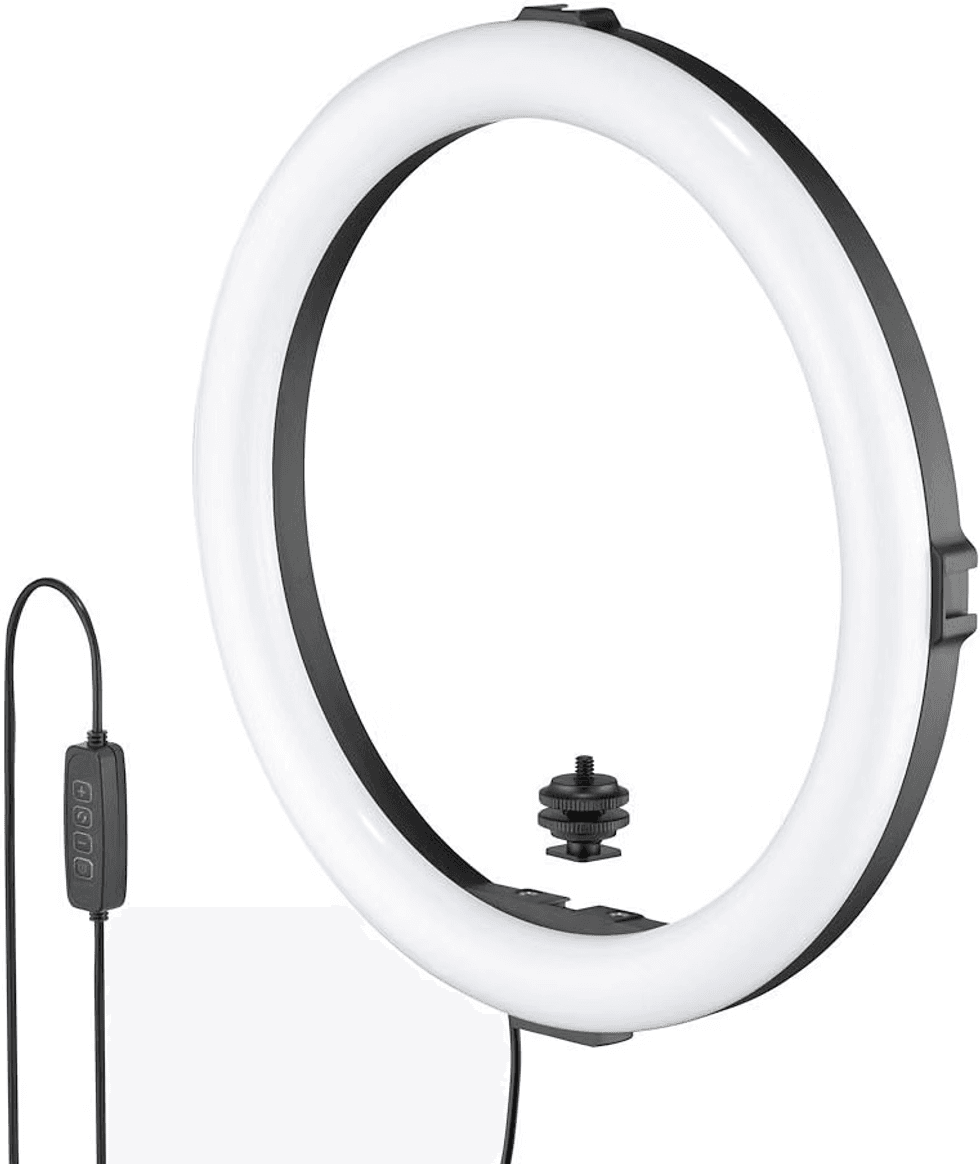 Joby Travel Mini Ring Light Amazon