In a bold move to capitalize on a shifting global education landscape, Hong Kong’s Education Bureau has called on local universities to welcome international students left stranded by President Donald Trump’s recent ban on Harvard University enrolling foreign nationals.
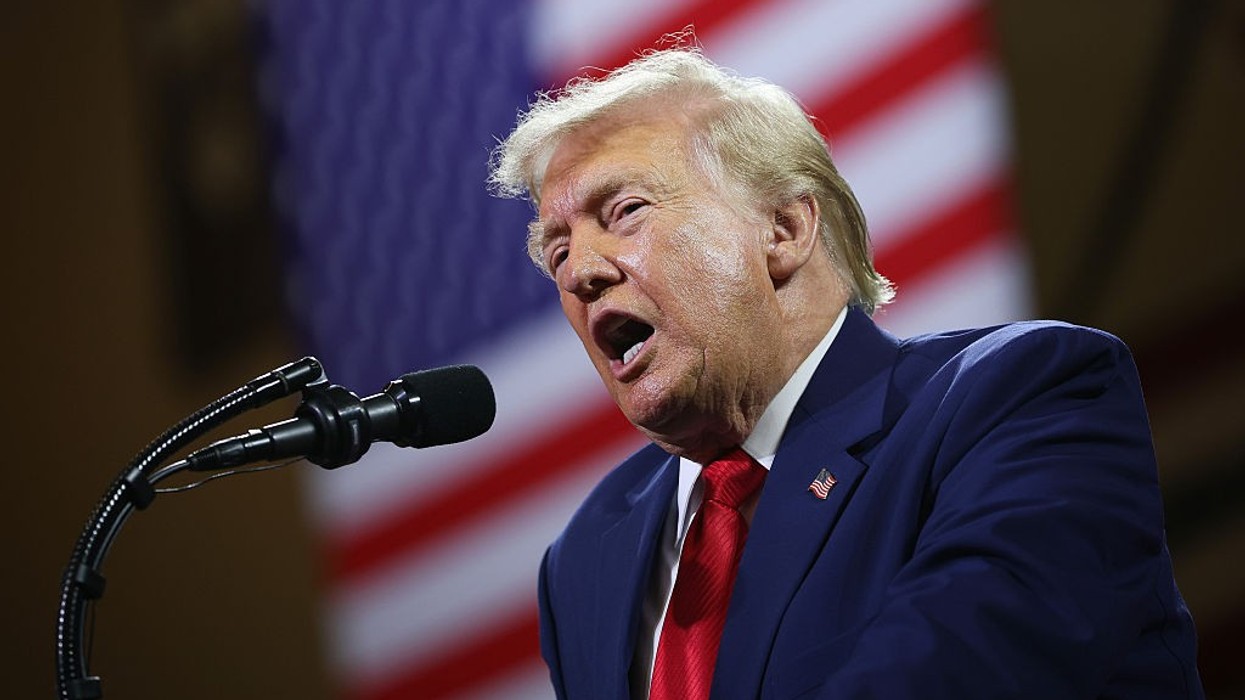
The Trump administration has revoked Harvard’s authority to admit international students starting with the 2025–2026 academic year. The decision forces currently enrolled foreign students to either transfer to another institution or face losing their legal status in the United States. The White House cited Harvard’s alleged ties with the Chinese Communist Party and failure to adequately address antisemitism on campus as the rationale behind the move.
This crackdown hits international scholars hard, particularly Chinese nationals, who made up approximately 20 per cent of Harvard's foreign student body in 2024.
The Hong Kong Education Bureau has swiftly mobilized local institutions, encouraging them to roll out “facilitation measures” to absorb eligible students and protect their academic rights. In an official statement emailed to the press, the bureau affirmed: “We aim to safeguard the legitimate rights and interests of students and scholars, and attract top talent to Hong Kong.”
The bureau has also reached out to the Harvard Club of Hong Kong to support affected students. “We will continue to keep a close eye on the needs of students whose studies have been affected by the shifting global education landscape,” the statement read. The bureau reiterated Hong Kong’s strategic role as an “international education hub” and pledged to implement further support measures if needed.
Taking the lead, the Hong Kong University of Science and Technology (HKUST) on Friday issued an open invitation to all international undergraduate and postgraduate students currently enrolled at Harvard, as well as those holding confirmed admissions offers.
HKUST announced it will offer unconditional admissions, streamlined transfer procedures, and comprehensive academic support to ensure a smooth transition. The university described the move as a commitment to global education values and an opportunity to enrich its academic community.
Hong Kong, long regarded as one of Asia’s most vibrant academic centers, boasts five universities ranked among the world’s top 100 by Times Higher Education. However, in recent years, institutions have been required to incorporate national security and patriotic themes into curricula, aligning more closely with mainland China’s education policies.
Still, with the sudden U.S. policy shift, Hong Kong sees a rare opportunity to regain global academic prominence by attracting displaced talent from one of America’s most prestigious universities.
As geopolitical tensions spill over into education, Hong Kong's swift and strategic response signals its intent to remain relevant and competitive on the international academic stage. Whether more U.S. allies or rivals follow suit remains to be seen.