
Highlights:
- India and Denmark adopt a five-year action plan for 2027–31.
- Cooperation to expand across defence, AI, quantum computing and cybersecurity.
- Five agreements signed covering skills, water management, financial services and cultural exchanges.
- Denmark backs an early conclusion of the India-EU Free Trade Agreement.
- Both countries aim to strengthen business, clean energy and technology partnerships.
India and Denmark have agreed on a five-year action plan to expand cooperation across defence, emerging technologies, renewable energy, maritime affairs, healthcare and agriculture, signalling a broader strategic partnership between the two countries.
The agreement was reached during Danish foreign minister Lars Lokke Rasmussen's visit to India, where he held talks with External Affairs Minister S Jaishankar in New Delhi on November 28. The discussions took place against a backdrop of growing geopolitical uncertainty and efforts by both countries to strengthen international partnerships.
Rasmussen described India as an increasingly influential global power and said Denmark and Europe should build stronger ties with New Delhi.
"India is a great power, whose rise we will continue to witness in the coming years, both economically and geopolitically," he said. "In a world where the international rules of the game are under pressure, Denmark and Europe must reach out and build a stronger partnership with India."
What does the new action plan cover?
The Joint Action Plan for 2027-31 is intended to guide the next phase of cooperation under the India-Denmark Green Strategic Partnership (GSP), established in 2020.
The framework brings together Denmark's expertise in areas such as green technology and innovation with India's industrial scale, workforce and development priorities.
According to India's Ministry of External Affairs (MEA), the two countries will explore stronger cooperation in defence and security, renewable energy, clean technologies, water management, maritime affairs, healthcare, agriculture, food processing, research and innovation.
Emerging technologies will also be a major focus. Both sides agreed to deepen collaboration in artificial intelligence (AI), quantum computing and cybersecurity, while exploring opportunities in space and Arctic cooperation.
The ministers also reviewed progress under the Green Strategic Partnership and discussed expanding trade and investment. The MEA said the two countries would look towards announcing an elevated and comprehensive version of the partnership at the prime ministerial level at a later stage.
Five agreements signed during the visit
Alongside the action plan, India and Denmark signed five agreements covering areas including skills development, sustainable water management, financial services and cultural exchanges.
The skills development agreement is intended to establish closer cooperation in vocational education and training. Its focus includes green, digital and care-related skills, which are increasingly important as industries adapt to technological change and the transition towards more sustainable business practices.
Rasmussen also met National Security Adviser Ajit Doval to discuss expanding cooperation into new strategic areas and exchange views on geopolitical developments.
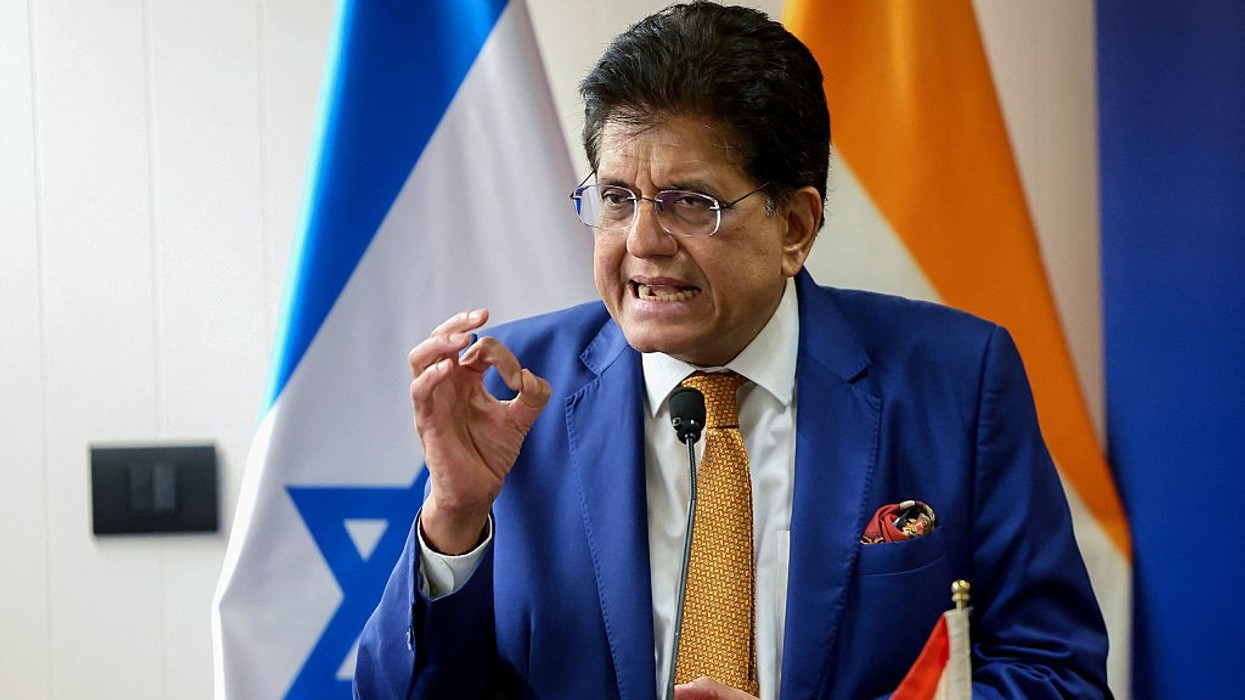
During his meeting with Commerce Minister Piyush Goyal, the Danish foreign minister discussed the India-European Union Free Trade Agreement (FTA) and commercial opportunities for Danish businesses in India.
Denmark reiterated its support for an early conclusion of the India-EU trade deal, which could create further opportunities for businesses on both sides.
Why Denmark matters to India's development plans
India and Denmark have expanded their relationship since the launch of the Green Strategic Partnership in 2020, particularly in trade, investment, clean technology, research and innovation.
Jaishankar said the partnership had developed a distinctive character by combining Danish capabilities with India's scale and development needs. He also highlighted Denmark's potential contribution to India's ambition of becoming a developed country by 2047, known as Viksit Bharat.
"We do envisage Denmark as a very important partner in that effort, and that is reflected in the fact that we work with you on many of our national missions," he said.
He welcomed greater participation by Danish companies in India and opportunities for businesses in both countries to expand their presence.
Technology and defence links extend to Bengaluru
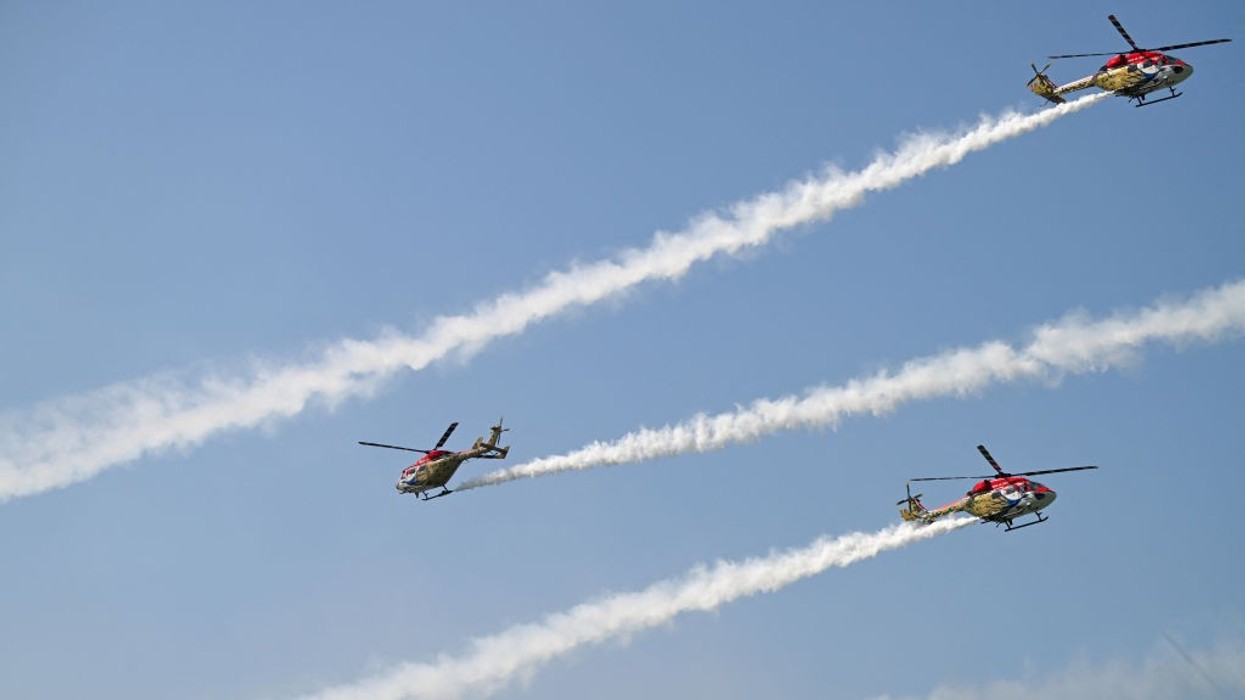
Rasmussen's visit also included meetings and industry engagements in Bengaluru. He visited Hindustan Aeronautics Limited (HAL), where components manufactured by Danish company HBK are used in India's Advanced Light Helicopter (Dhruv) and Light Combat Helicopter. He also toured the research and development testing facility for the Tejas fighter jet.
The minister met senior officials from the Indian Space Research Organisation (ISRO) to discuss potential cooperation in the space sector. His itinerary also included visits to the Centre for Cellular and Molecular Platforms (C-CAMP) and QpiAI, a company working at the intersection of artificial intelligence and quantum technology.
In addition, Rasmussen met Karnataka IT Minister Priyank Kharge and representatives of Danish companies operating in the state. Discussions included the role of Global Capability Centres and India's technology talent pool.
The five-year plan provides a framework for turning these areas of shared interest into deeper cooperation. With defence, advanced technology, clean energy and trade all on the agenda, India and Denmark are seeking to make their partnership more comprehensive and strategically relevant.






 US deputy Secretary of State Strobe Talbott (L) and Indian Prime Minister Atal Behari Vajpayee share a laugh as they shake hands for photographers at the Prime Minister's Office 20 July. Talbott, currently holding talks concerning India's recent nuclear tests, payed a courtesy call to Vajpayee during his two-day visit. Getty Images