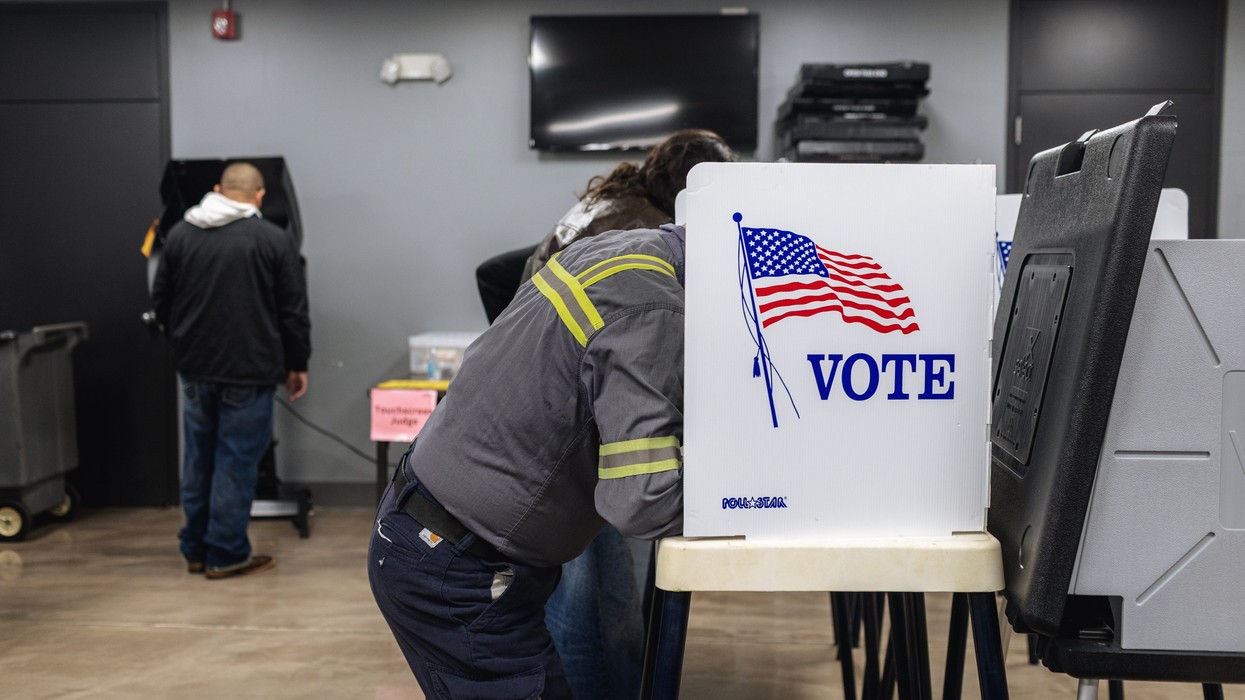

YOUNG male voters who helped elect Donald Trump in 2024 shifted toward Democrats in this month’s US midterm elections, prompting both parties to reassess their strategies ahead of the 2028 presidential race.
An estimated 59 percent of men aged 18 to 29 voted for Democratic candidates for the US House of Representatives, compared with 37 percent for Republicans, according to Tufts University’s Center for Information & Research on Civic Learning and Engagement. In 2024, AP VoteCast found that young men had backed Trump over Democratic nominee Kamala Harris by 56 percent to 42 percent.
Economic concerns and opposition to the war in Iran were among the reasons for the shift. Republicans have yet to complete a formal review of their losses, but party officials and strategists have called for an end to the war and measures to reduce living costs.
“No party owns them,” said John Della Volpe, director of polling at Harvard Kennedy School’s Institute of Politics, adding that Democratic support could continue if the party delivers results. “It will clearly swing.”
Trump’s decision to strike Iran drove up gasoline prices and broke his 2024 campaign pledge to avoid new wars. Vice president JD Vance blamed the decision for the Republican losses, while Trump continues to defend the war.
One Republican official described the result as “a punishment election rather than a political realignment”, predicting young men would return to the party. Conservative activist CJ Pearson said Republicans needed to address the issues that had driven voters away.
“End the war in Iran. Bring down costs. And the coalition will return,” he wrote on X, calling the effort “existential for the survival of our party in 2028.”
Democrats also sought to reach young men through podcasts and online platforms associated with the so-called “manosphere”, an influencer network that helped Trump connect with male voters in 2024. Some podcasters who previously supported him, including Joe Rogan and Theo Von, later criticized his administration over the Iran war.
Democratic candidates used long-form podcast interviews to discuss economic concerns and present a different image of masculinity based on empathy and standing up for ordinary people.
In Michigan, Democratic Senate candidate Abdul ElSayed appealed to young men concerned about living costs and economic opportunities. His campaign also promoted universal healthcare.
New York state senator James Skoufis, who helped lead the Democratic National Committee’s youth outreach, said voters expected results rather than promises.
“Young voters want more than just messaging. They want more than just talking points. They want deliverables,” he told Reuters. Republican pollster Kristen Soltis Anderson said her party also needed to offer practical solutions.
Republicans needed to provide young men with “substance that says, ‘Here’s what we’re doing to make your life better, to help you form those families, to help you form those bonds, to help you buy that home, to help you have that opportunity.’”






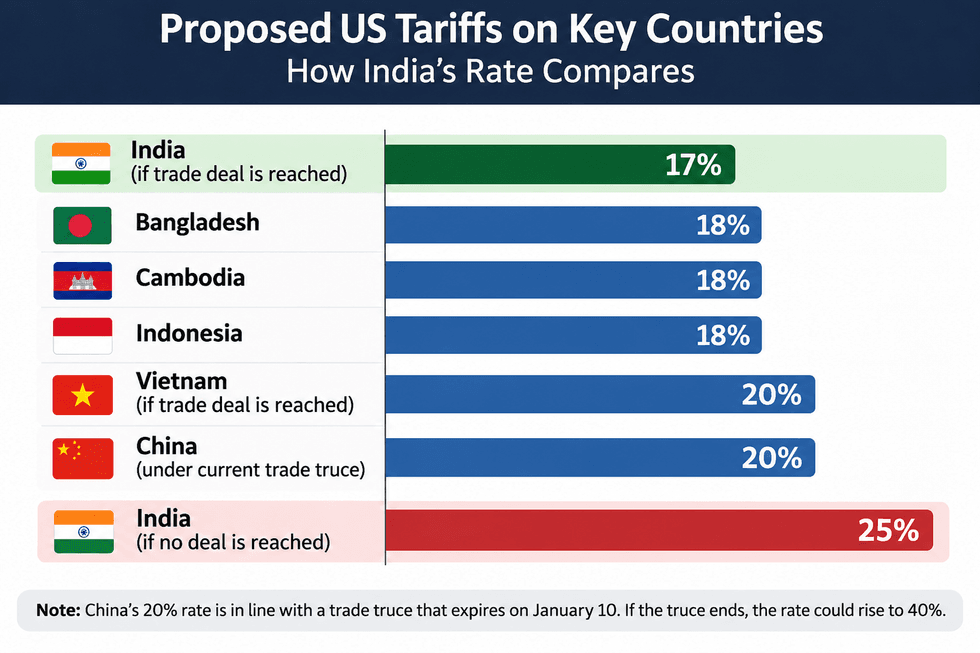 US Tariffs on Key CountriesChatGPT