
Highlights:
India and the United States have finalized the first tranche of their proposed bilateral trade agreement, with legal drafting underway. The next step is to settle the terms and determine when the deal can be signed and implemented, potentially easing tariff tensions that have complicated trade between the two countries.
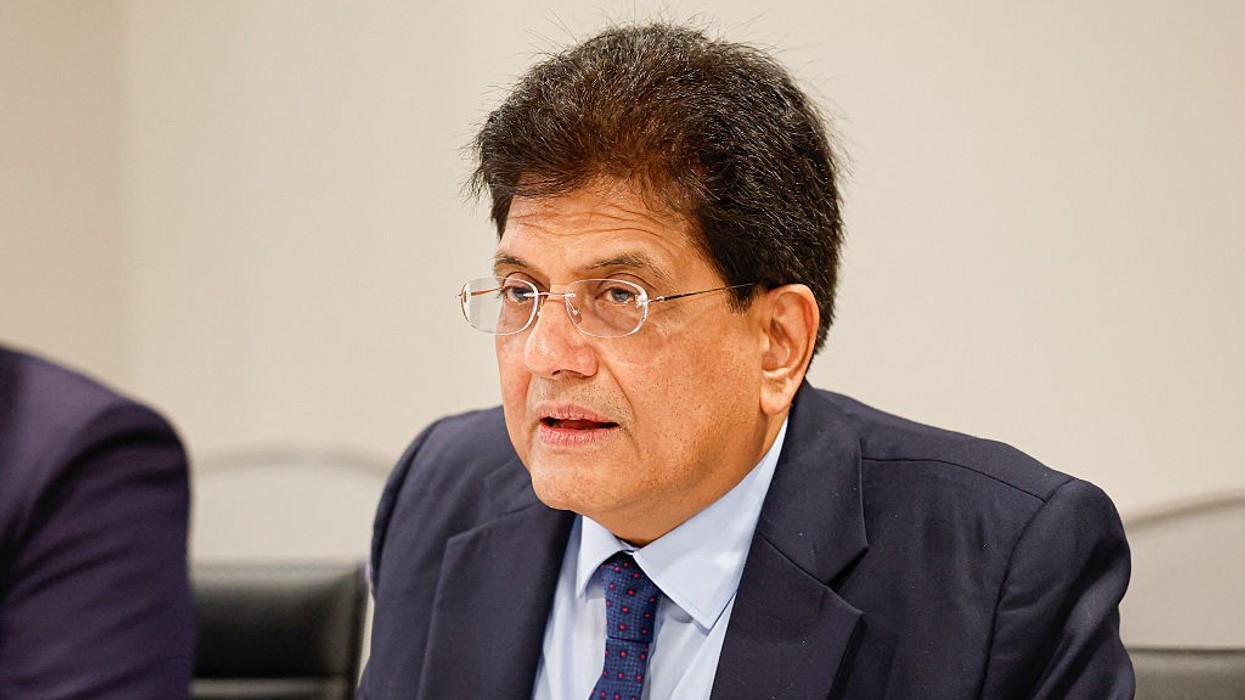
Commerce Minister Piyush Goyal announced the development on Thursday, October 15, saying India wants to secure tariff terms that put its exporters on a competitive footing against other countries selling goods in the US market.
"The US bilateral trade agreement first tranche has been finalised. It's going through final contours, the legal drafting, and we hope to be able to finalise that soon and operationalise that once we get comparable advantage or competitive advantage over our peer countries," Goyal, addressing the SRCC Centenary Conclave in Delhi, said.
The announcement signals progress, but it does not mean the trade agreement is already signed or in force. The two governments must still complete the remaining work, including the legal process and the broader US tariff framework.
Why The US Tariff Structure Matters
India is seeking tariff treatment that allows its goods to compete more effectively with products from rival exporting countries. The final terms could influence how attractive Indian products are to American buyers, although the specific tariff rates and sectors covered by the first tranche have not yet been detailed in the announcement.
Commerce Secretary Rajesh Agrawal said negotiations were moving in the right direction and expressed hope that the agreement could be concluded soon.
"Probably we are in a very good zone. We anticipate closing the deal and signing the deal at the earliest possible time," he told reporters.
However, he said the timing would depend partly on the United States formalizing its overall tariff structure.
"So there is a parallel work being done in the US also to get back the tariff structure and based on some of the outcomes under (Section) 301, we will progress towards signing the deal at a mutually agreed time," he said.
Section 301 of US trade law allows Washington to investigate and respond to certain foreign trade practices. The outcomes of the relevant US process could therefore affect how the agreement moves toward signing.
What The Deal Is Expected To Address
India and the US have been negotiating since early 2025, seeking to reduce tariff friction, address non-tariff barriers and improve market access for businesses in both countries.
External Affairs Minister S. Jaishankar also indicated that the negotiations were approaching a possible conclusion, while stressing the importance of comparing India's terms with those secured by competing economies.
"When countries negotiate with an economy like the United States, obviously one part of it is what you work out between yourselves and the US, and one part of it is how do you fare vis-a-vis competitive economies," Jaishankar said.
He added that the terms other countries secure remain an important consideration.
"My sense is that this is an issue which is heading towards a landing point," Jaishankar added.
Why The Agreement Matters For India-US Relations
The trade negotiations have taken place against a backdrop of strained bilateral relations. Washington imposed punitive tariffs on India in 2025, while disagreements over President Donald Trump's claims about helping de-escalate the India-Pakistan military clashes in May 2025 drew sharp reactions from Indian officials.
Disputes over US immigration policy and higher H-1B visa fees have added to tensions. Washington's decision to restrict a key green-card processing program affecting major global and Indian IT firms, including Tata Consultancy Services and Wipro, has created further friction.
A finalized trade agreement could provide a framework for improving commercial ties, but its immediate impact will depend on the final terms. For Indian exporters, the central question is whether the agreement delivers a meaningful tariff advantage. For businesses on both sides, the next milestones are the publication of the draft, completion of legal procedures and a mutually agreed signing date.
For now, the first tranche represents progress rather than a completed trade pact. The details of the agreement—and the competitive advantage India is seeking—will determine how significant that progress proves to be.