

With more than 82 children aged below five affected in the southern states, particularly Kerala, and another 26 in the eastern state of Odisha, India has now been put on high alert over 'Tomato Flu'.
The country's health ministry has issued guidelines to the states over testing and prevention in the wake of a surge of a new influenza virus, which is commonly referred to as 'Tomato Flu', with over 100 cases of infection reported among kids in the past few months, Bloomberg reported.
The Narendra Modi government issued the advisory earlier this week to the states on the Hand Foot and Mouth Disease, which is now called 'Tomato Flu'.
The ministry of health and family welfare said that the flu was first identified in Kollam district of Kerala on May 6 and as of July 26, more than 82 children below five were found to be infected, as has been reported by local government hospitals.
Also the neighbouring states of Tamil Nadu and Karnataka were alerted, Asian News International reported.
Besides, the Regional Medical Research Centre in Bhubaneswar, the capital of Odisha, also reported about 26 children, aged between one and nine years, having contracted the disease.
The health ministry has recommended five to seven days of isolation from the start of the symptoms to minimise the spread.
The name 'Tomato Flu' comes from the tomato-shaped blisters that appear across the patient's body. It affects young children and sees flare-ups in schools and daycare organisations, Bloomberg added.
While the highly infectious viral disease can cause fever, fatigue and body pain besides the blisters, the ministry said it is not related to Covid-19, monkeypox, dengue or chikungunya.





 A 1996 photo of rapper Tupac Shakur (L) and Marion "Suge" Knight is shown on screens during closing arguments in the Duane Davis murder trial, related to the 1996 killing of rapper Tupac Shakur, at Clark County District Court at the Regional Justice Center in Las Vegas, Nevada, on August 31, 2026. Getty Images








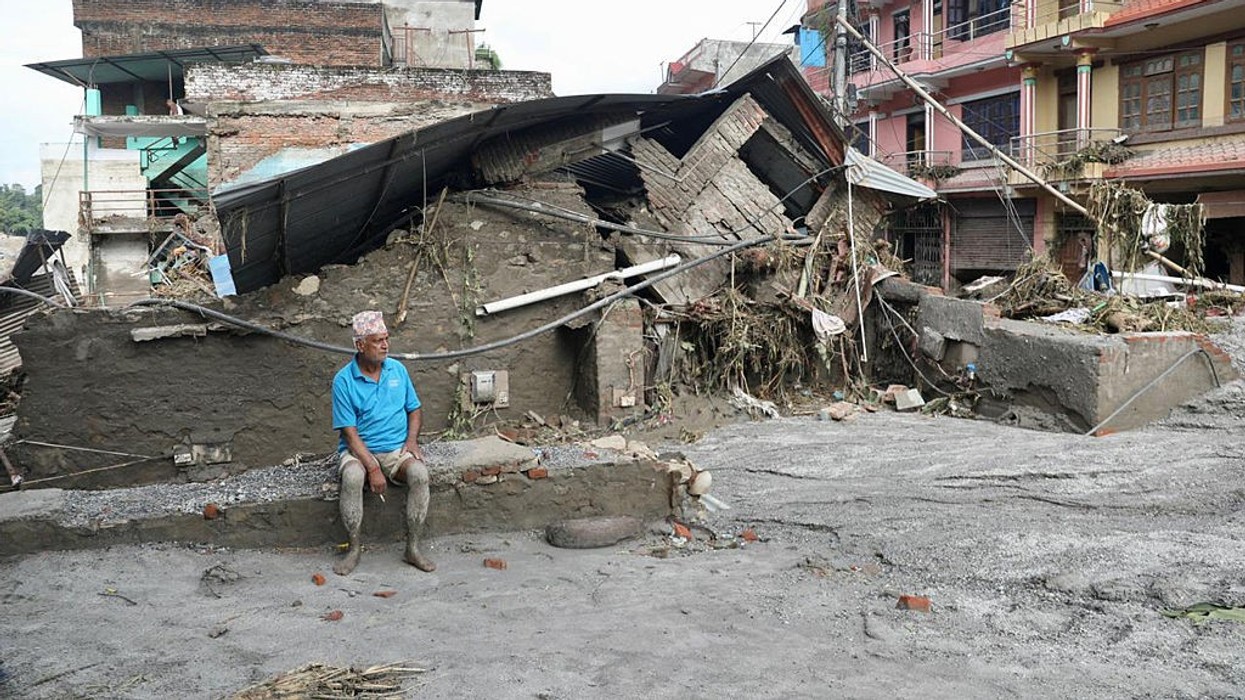
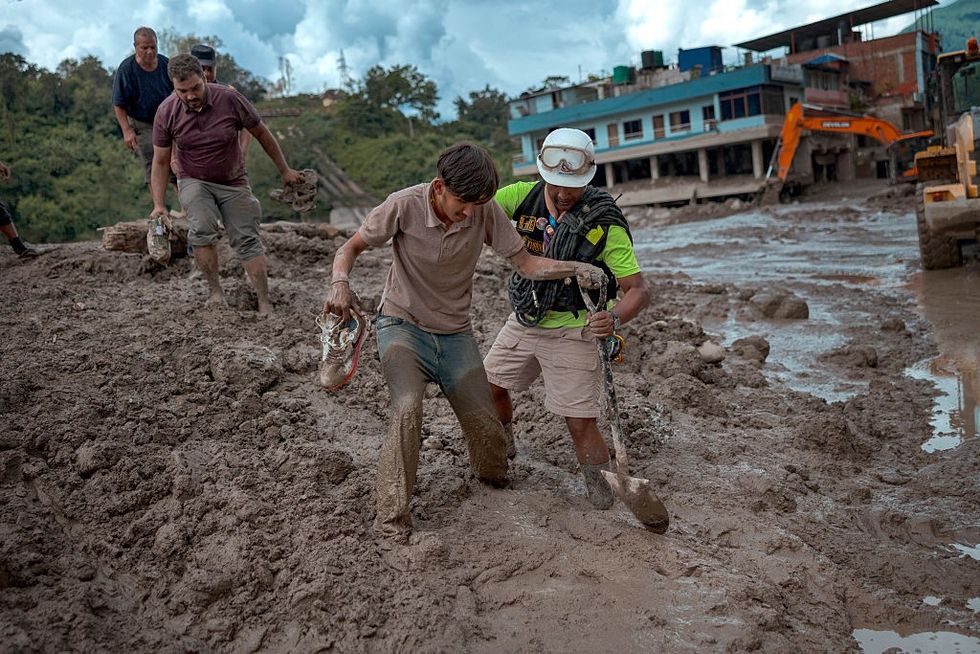 A rescuer assists a resident through heavy mud following flash floods on August 27, 2026 in Trishuli, Nepal. A sudden flood swept through the Bhote Koshi River basin in northern Rasuwa on August 26, damaging settlements, roads and energy infrastructure as rescue teams searched for residents and foreign travellers reported out of contact. Hundreds were reported missing, as the death toll started to climb.Getty Images
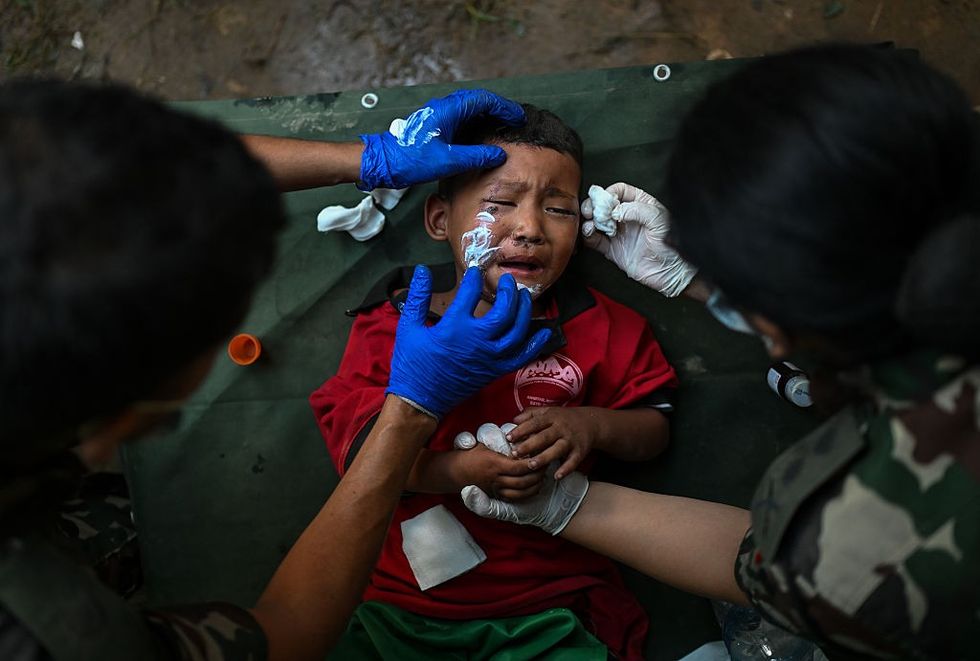 Rescue personnel provide medical treatment to a child at an army rescue camp in Trishuli Batar, Nepal, on August 27, 2026. A sudden flood swept through the Bhote Koshi River basin in northern Rasuwa on August 26, damaging settlements, roads and energy infrastructure, as rescue teams searched for residents and foreign travellers reported out of contact. Hundreds were reported missing as the death toll began to climb. Getty Ima
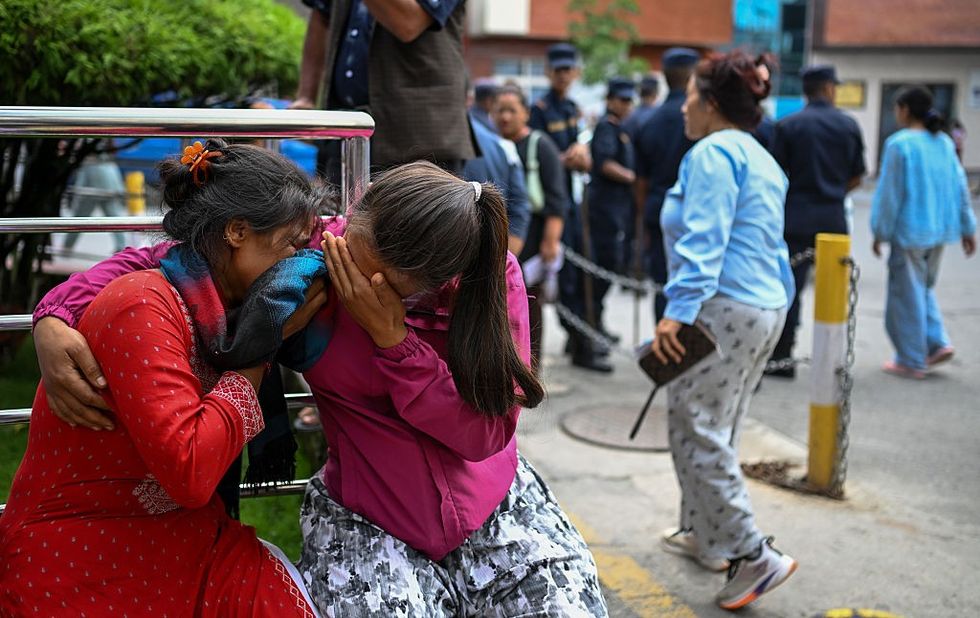 Family members of missing flood victims react at the emergency ward of the Maharajgunj Medical Campus, part of the Tribhuvan University Teaching Hospital, on August 28, 2026 in Kathmandu, Nepal. Authorities said the flash floods were triggered after a mass of ice, mud and rock collapsed into a Himalayan river near the Nepal-China border, leaving hundreds dead or missing and causing widespread damage in affected districts. Authorities continued the gruelling search for victims, many buried under metres of mud, as both China and Nepal issued fresh flooding alerts.Getty Images