

THE Supreme Court of India on Tuesday (17) refused to legalise same-sex marriage but emphasised than an individual's right to enter a union could not be restricted on the basis of sexual orientation. A five-judge bench delivered four verdicts, differing mainly on the question of adoption rights for queer couples.
The judges also asked the federal government to set up a committee to take up the practical concerns of same-sex couples, such as obtaining key documents such as ration cards and other important issues such as pension and succession.
In May, the Narendra Modi government had informed the top court that it has plans to make a committee chaired by a cabinet-level secretary to look into administrative solutions to day-to-day problems that same-sex couples face without getting into the question of marriage equality.
The apex court's decision left India's LGBTQ+ community disheartened. Several activists had assembled outside the court to hear its verdict and when it came, people were found to be quiet, giving enough indication about their disappointment, BBC reported. While many said they felt let down, others felt the court's verdict would see the government providing them with more rights and benefits.
However, there were also people who welcomed the verdict. Adish Aggarwala, president of the Supreme Court Bar Association, told reporters that the fact that the court accepted the government's argument that it doesn't have the power to legalise same-sex union made him happy.
"That right only rests with the Indian parliament and we are glad that the court agrees with us," he was quoted as saying by BBC. He had also told reporters before the verdict came that allowing same-sex marriage would not be a good idea as it is "not in accordance with the system prevalent in India".
Before the verdict, Mr Aggarwala had told reporters that allowing same-sex marriages would not be a good idea as it is "not in accordance with the system prevalent in India".
The top court head heard 21 petitions in April and May from same-sex couples and activists who complained that their inability to marry had reduced them into "second-class citizens".
The government and religious leaders had strongly objected to union of same-sex individuals, saying it was against the country's culture.
India's LGBTQ+ population is believed to number in the tens of millions.
Supreme Court divided over adoption rights
The top court gave a 3-2 judgment when it came to adoption rights. Chief Justice DY Chandrachud recognised the right of queer couples to adopt along with Justice SK Kaul but three other judges -- Justice S Ravindta Bhat, Justice PS Narasimha and Justice Hima Kohli disagreed.
"There is a degree of agreement and a degree of disagreement on how far we have to go. I have dealt with the issue of judicial review and separation of powers," Justice Chandrachud said.
Choosing a life partner is an integral part of choosing one's course of life, he added.
"Some may regard this as the most important decision of their life. This right goes to the root of the right to life and liberty under Article 21," he said.
The chief justice also disagreed with the government's argument that marriage equality is an urban, elite concept.
"Queerness is not urban elite. Homosexuality or queerness is not an urban concept or restricted to the upper classes of the society," Justice Chandrachud said.
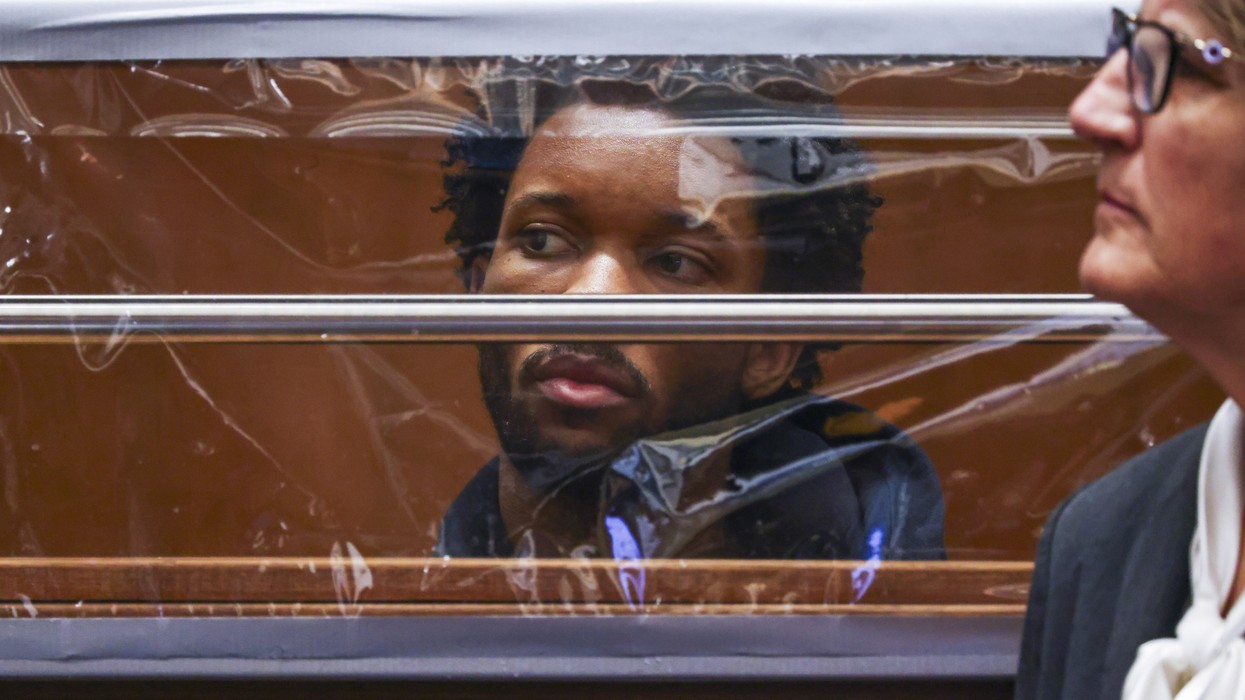
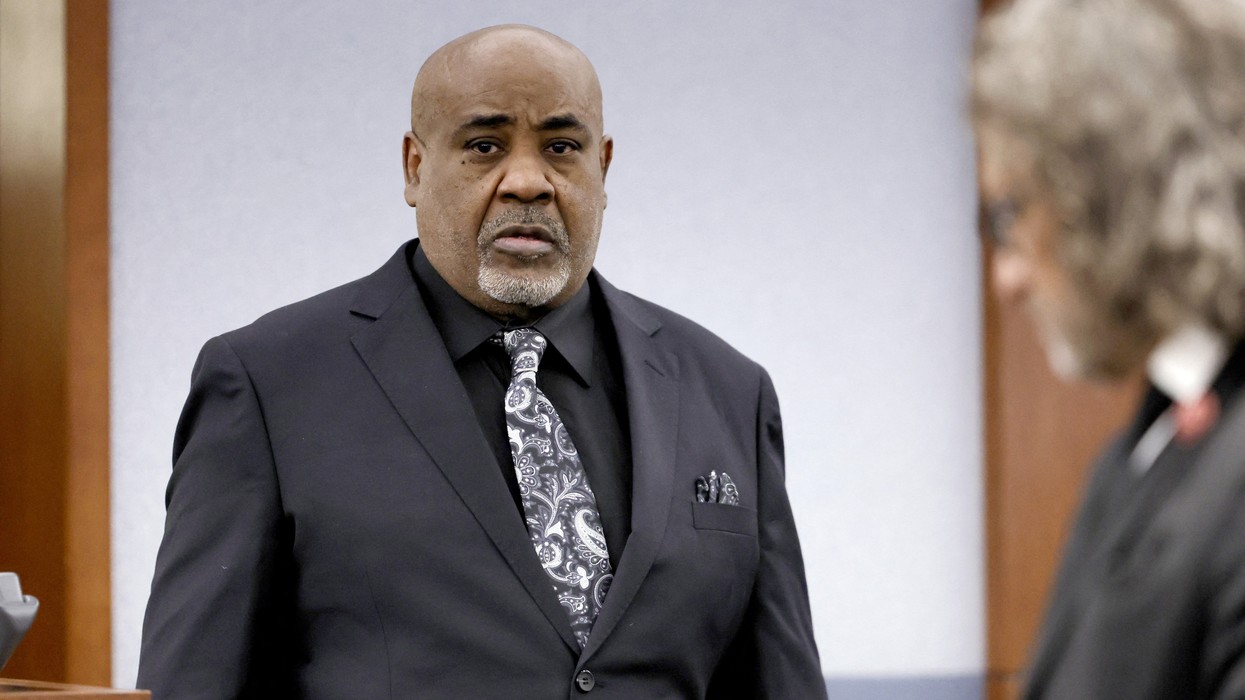
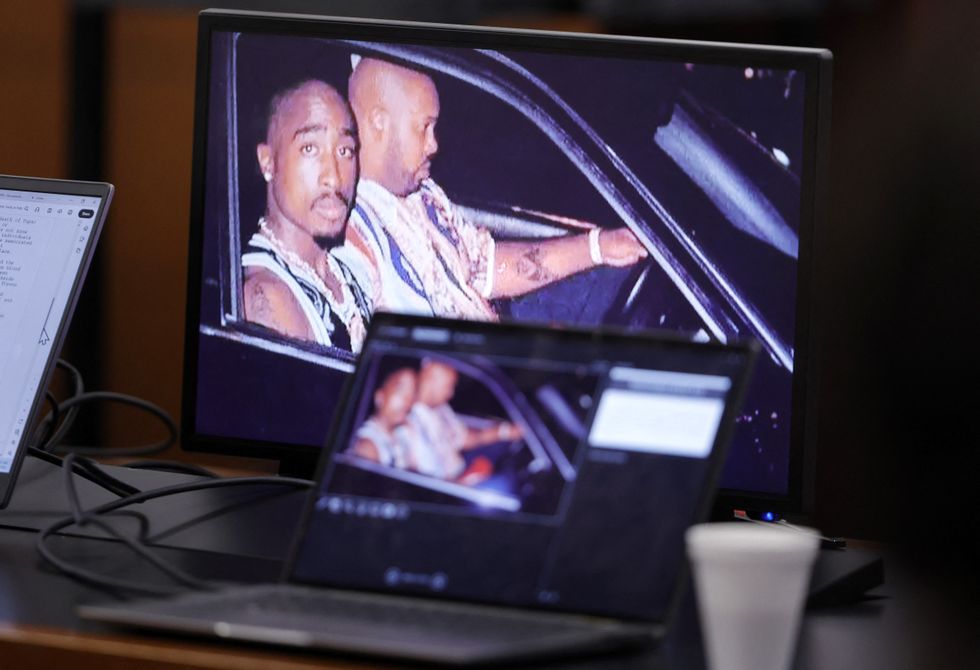 A 1996 photo of rapper Tupac Shakur (L) and Marion "Suge" Knight is shown on screens during closing arguments in the Duane Davis murder trial, related to the 1996 killing of rapper Tupac Shakur, at Clark County District Court at the Regional Justice Center in Las Vegas, Nevada, on August 31, 2026. Getty Images


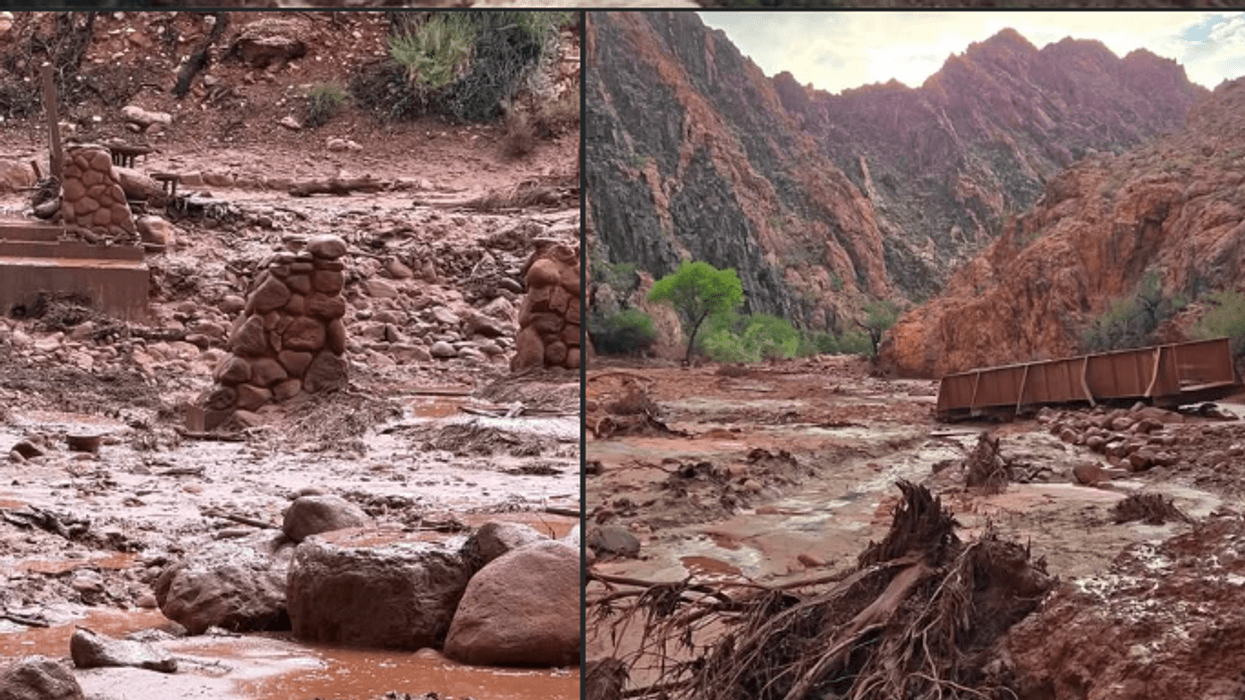
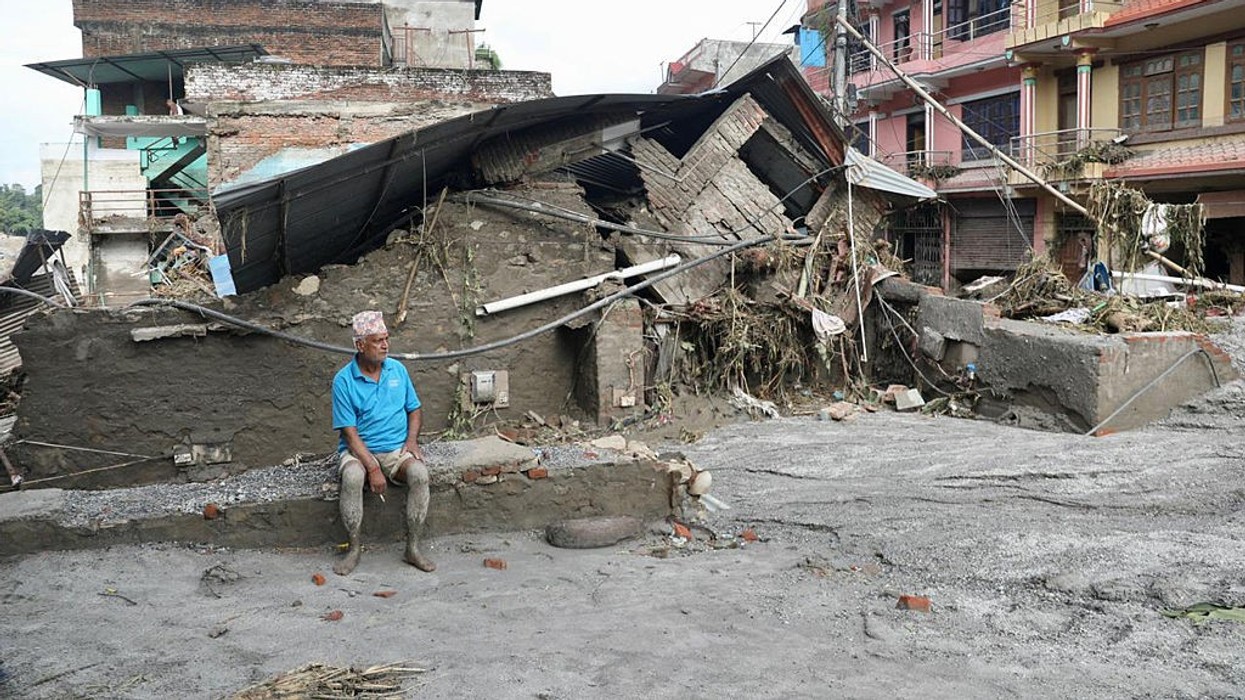
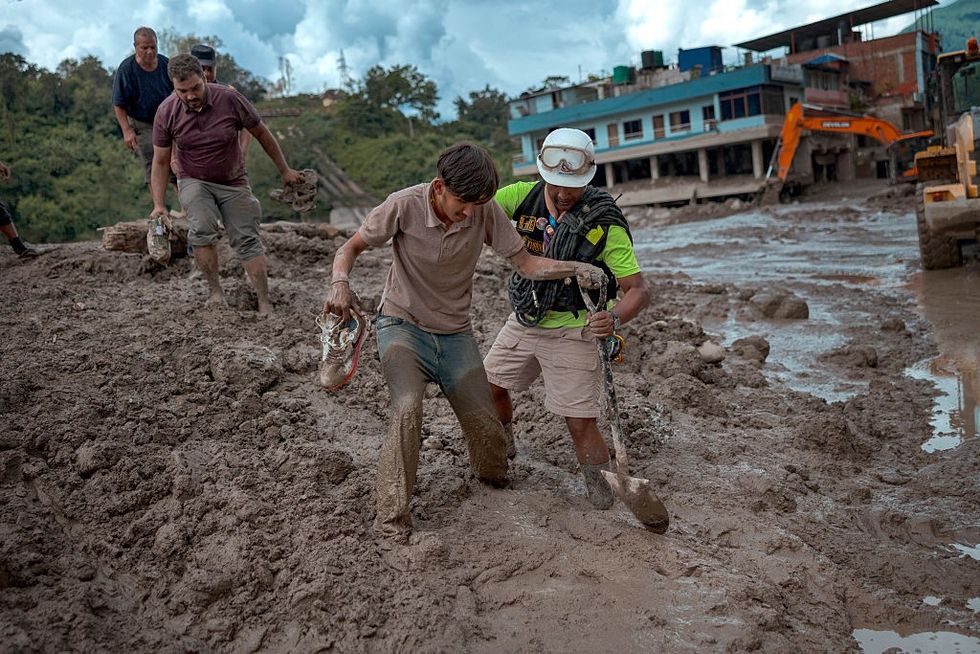 A rescuer assists a resident through heavy mud following flash floods on August 27, 2026 in Trishuli, Nepal. A sudden flood swept through the Bhote Koshi River basin in northern Rasuwa on August 26, damaging settlements, roads and energy infrastructure as rescue teams searched for residents and foreign travellers reported out of contact. Hundreds were reported missing, as the death toll started to climb.Getty Images
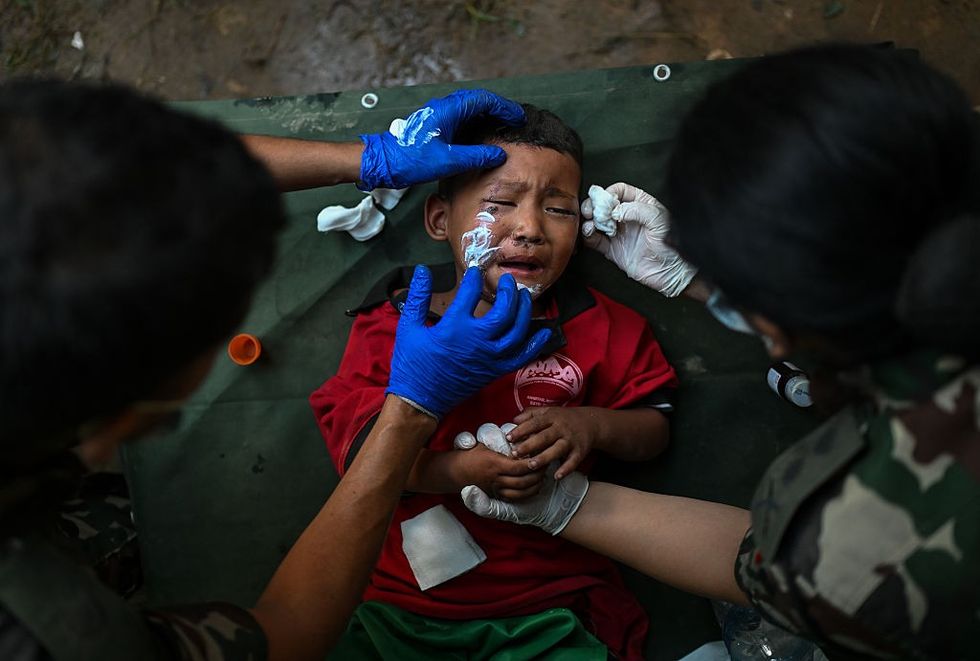 Rescue personnel provide medical treatment to a child at an army rescue camp in Trishuli Batar, Nepal, on August 27, 2026. A sudden flood swept through the Bhote Koshi River basin in northern Rasuwa on August 26, damaging settlements, roads and energy infrastructure, as rescue teams searched for residents and foreign travellers reported out of contact. Hundreds were reported missing as the death toll began to climb. Getty Ima
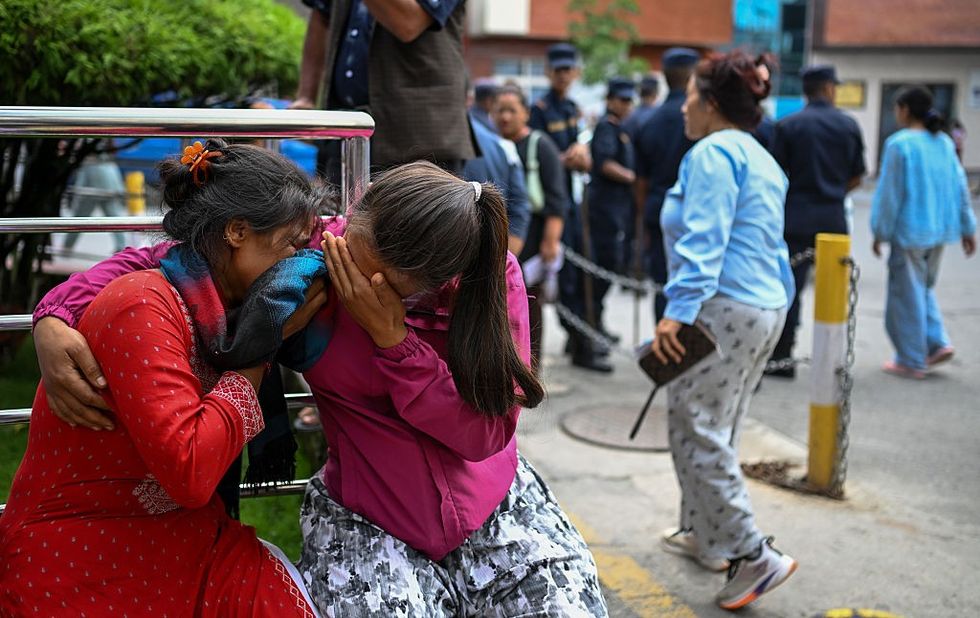 Family members of missing flood victims react at the emergency ward of the Maharajgunj Medical Campus, part of the Tribhuvan University Teaching Hospital, on August 28, 2026 in Kathmandu, Nepal. Authorities said the flash floods were triggered after a mass of ice, mud and rock collapsed into a Himalayan river near the Nepal-China border, leaving hundreds dead or missing and causing widespread damage in affected districts. Authorities continued the gruelling search for victims, many buried under metres of mud, as both China and Nepal issued fresh flooding alerts.Getty Images