
Highlights:
- Indian-origin Amandeep Kaur is among 28 legal permanent residents charged in California over alleged noncitizen voter registration or voting.
- Her husband says the couple believed a ballot she received and returned in 2024 was a voter registration form.
- Most defendants had applied for US citizenship and could face complications with their naturalization applications.
- Six defendants face charges of voting as noncitizens, while 22 face other alleged offenses, including false statements.
- The Trump administration has intensified scrutiny of alleged noncitizen voting ahead of the November midterm elections.
- California disputes the federal government's concerns about approximately 20,000 registered voters.
- US officials approved 58,000 naturalization applications between April and June 2026, according to the cited government data.
An Indian-origin woman seeking US citizenship is among 28 legal permanent residents charged by federal authorities in California over allegations of illegally registering to vote or voting as noncitizens. The cases could jeopardize their naturalization applications, with some defendants facing prison sentences and potential immigration consequences.
According to The Associated Press (AP), Amandeep Kaur, who has lived in the US for eight years, is among those charged. Her husband, Kulwinder Singh, said she obtained her driver's license in 2024 and may have registered to vote while applying for it.
Singh said Kaur took the written driving test in Hindi because she struggles with English. He said she received and returned a ballot in 2024, but both believed it was a voter registration form.
"All she does is cry. It's heartbreaking," Singh, who is a US citizen, told The Associated Press (AP).
Federal authorities announced the charges on Monday (19). By Thursday (22) morning, prosecutors had filed charging documents in 10 of the 28 cases, detailing how investigators used voter registration records to pursue allegations involving immigration status.
Citizenship applications at risk
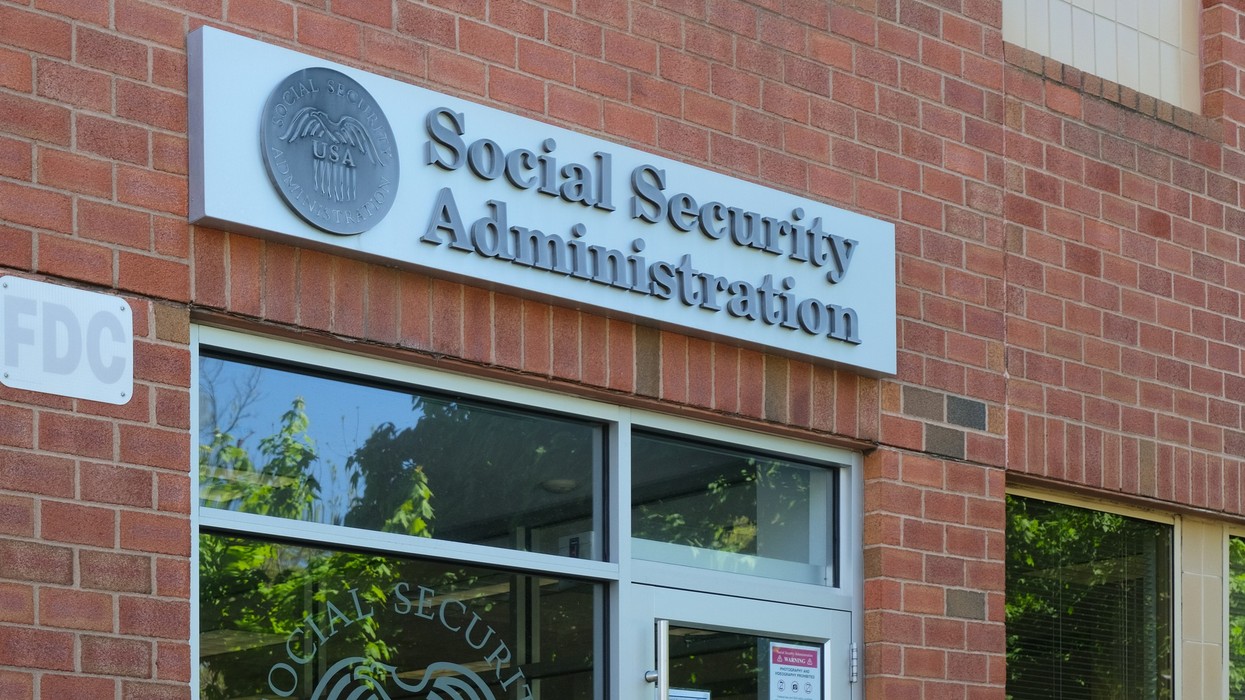
Most of the immigrants charged had applied for US citizenship and now face allegations of lying on naturalization applications, during immigration interviews or on voter registration forms. The charges could complicate or derail their efforts to become American citizens.
One defendant, José Antonio Bañuelos-Díaz, 42, applied for citizenship in October 2025 after living in the US for 40 years as a legal permanent resident.
The government alleges he improperly claimed to be a US citizen when registering to vote in 2007 and later failed to disclose the matter on immigration paperwork. Authorities have not accused him of casting a ballot.
Bañuelos-Díaz told AP he did not know he had registered to vote until he was arrested outside his Los Angeles home on Monday. He recalled obtaining a driver's license around 2007. In California, applicants are prompted to register to vote when applying for a driver's license.
He was released after his arrest but faces up to five years in prison if convicted.
Trump administration increases scrutiny
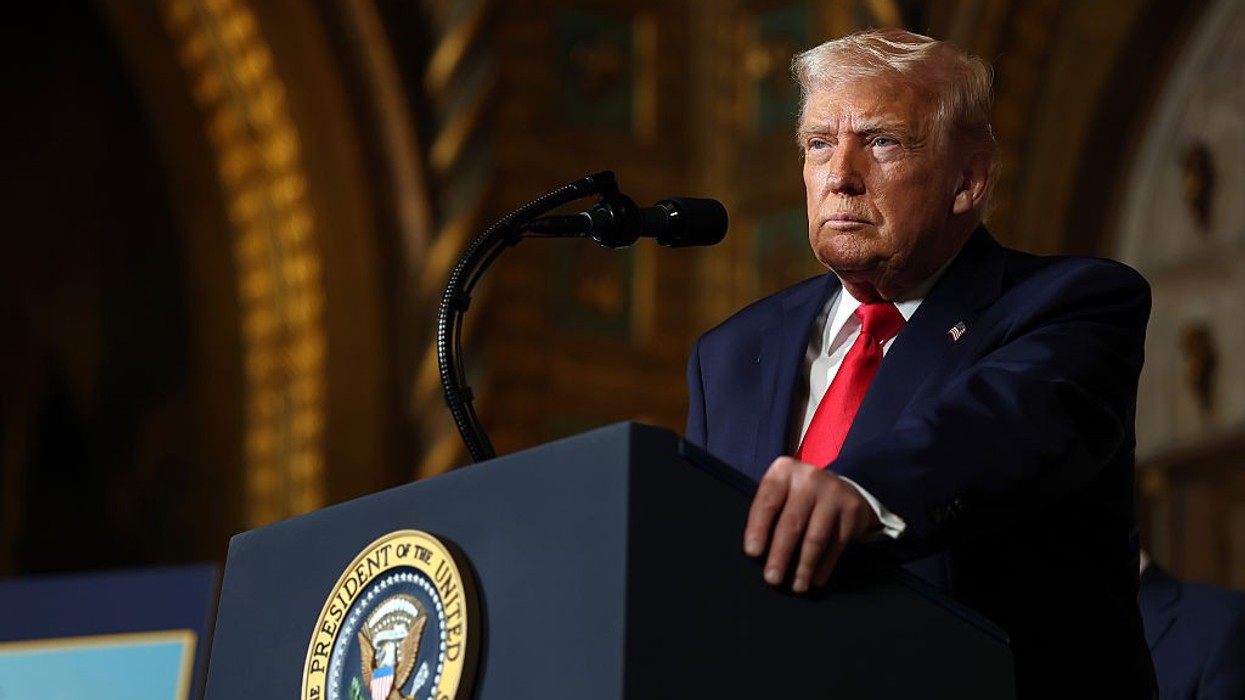
The cases are part of the Trump administration's wider campaign against alleged noncitizen voting ahead of the November midterm elections. However, available data indicate that noncitizen voting is rare, and it has not been shown to change election outcomes.
The Justice Department said six people would be charged with voting as noncitizens, a misdemeanor. The remaining 22 face a combination of felony charges, including allegedly lying on naturalization applications, during interviews or on voter registration forms.
Noncitizens convicted of illegally voting face up to one year in prison, while those convicted of lying on US citizenship applications can face up to 10 years.
The Department of Homeland Security did not explain what initially brought the accused immigrants to investigators' attention. It said the agency reviewed naturalization and other records during the investigation. Some court documents refer to a benefits fraud audit conducted by Homeland Security in August that may have helped identify those charged.
"The voting rights of American citizens must be protected," First Assistant US Attorney Bill Essayli said in a statement announcing the charges.
California challenges federal scrutiny
The Justice Department has also sued California over its refusal to verify the citizenship status of approximately 20,000 registered voters whom the federal government suspects may be noncitizens.
California, which has more than 23 million registered voters, maintains that it complies with federal law and argues that the administration's figures are likely significantly inflated.
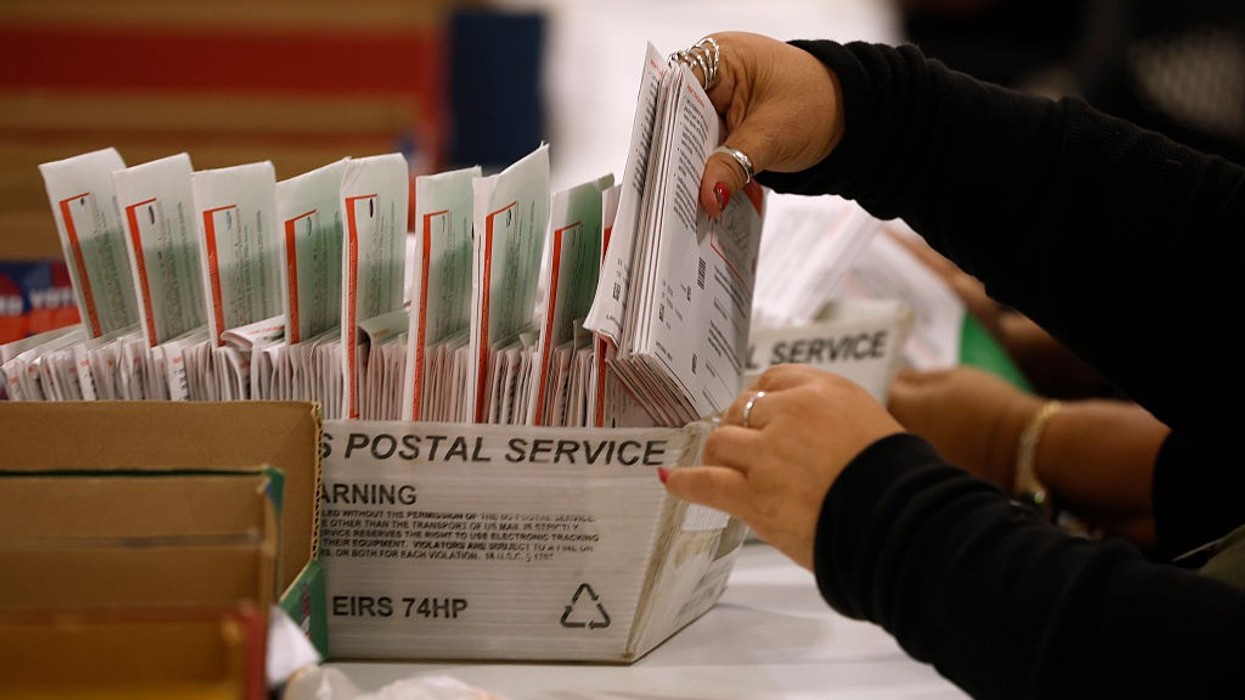
State election officials have also pointed out that once ballots are mailed, they are separated from individual voter identification, making it impossible to isolate ballots based on the information supplied by federal authorities.
Naturalization approvals decline
The cases come amid broader immigration enforcement under President Donald Trump and a slowdown in citizenship application processing. Government data showed that officials approved 58,000 naturalization applications between April and June 2026, less than a quarter of the number approved during the same period in 2025.
Green card holders can generally apply for US citizenship after three years if they meet the requirements applicable to spouses of US citizens, or after five years under the standard eligibility route.
Applicants must undergo background checks, answer detailed questions about voting, political activities and criminal history, pass a civics test and meet English-language requirements.
For immigrants already pursuing citizenship, allegations involving voter registration or voting can have consequences beyond criminal proceedings, potentially affecting naturalization applications and immigration status. The cases also highlight the importance of understanding voter registration documents, particularly for applicants who face language barriers.
The allegations against the defendants have not been established in court, and the charges do not by themselves prove that the accused knowingly violated election laws.