Indonesia’s parliament approved a new criminal code on Tuesday that bans sex outside marriage with a punishment of up to one year in jail, despite worries the laws may scare away tourists from its tropical shores and harm investment.
The new code, which will apply to Indonesians and foreigners alike, also prohibits cohabitation between unmarried couples. It will also ban insulting the president or state institutions, spreading views counter to the state ideology and staging protests without notification.
The laws were passed with support from all political parties.
However, the code will not come into effect for three years to allow for implementing regulations to be drafted.
Currently, Indonesia bans adultery but not premarital sex.
Maulana Yusran, deputy chief of Indonesia’s tourism industry board, said the new code was “totally counter-productive” at a time when the economy and tourism were starting to recover from the pandemic.
“We deeply regret the government have closed their eyes. We have already expressed our concern to the ministry of tourism about how harmful this law is,” he said.
Foreign arrivals in the holiday destination of Bali are expected to reach pre-pandemic levels of six million by 2025, the tourism association has said previously, as the island recovers from the impacts of COVID-19.
Indonesia is also trying to attract more so-called “digital nomads” to its tropical shores by offering a more flexible visa.
Speaking at an investment summit, U.S. Ambassador to Indonesia Sung Kim said the news could result in less foreign investment, tourism and travel to the Southeast Asian nation.
“Criminalising the personal decisions of individuals would loom large within the decision matrix of many companies determining whether to invest in Indonesia,” he said.
Albert Aries, a spokesperson for Indonesia’s justice ministry, said the new laws regulating morality were limited by who could report them, such as a parent, spouse or child of suspected offenders.
“The aim is to protect the institution of marriage and Indonesian values, while at the same time being able to protect the privacy of the community and also negate the rights of the public or other third parties to report this matter or ‘playing judge’ on behalf of morality,” he said.
These laws are part of a raft of legal changes that critics say undermine civil liberties in the world’s third-largest democracy. Other laws include bans on black magic.
‘A DEATH FOR INDONESIA’S DEMOCRACY’
Editorials in national newspapers decried the new laws, with the daily newspaper Koran Tempo saying the code has “authoritarian” tones, while the Jakarta Post said it had “grave concerns” about their application.
Decades in the making, legislators hailed the passage of the criminal code as a much-needed overhaul of a colonial vestige.
“The old code belongs to Dutch heritage … and is no longer relevant now,” Bambang Wuryanto, head of the parliamentary commission in charge of revising the code told lawmakers.
Opponents of the bill have highlighted articles they say will curb free speech and represent a “huge setback” in ensuring the retention of democratic freedoms after the fall of authoritarian leader Suharto in 1998.
“This is not only a setback but a death for Indonesia’s democracy,” said Citra Referandum, a lawyer from Indonesia’s Legal Aid Institute. “The process has not been democratic at all.”
Responding to the criticism, Indonesia’s Law and Human Rights Minister Yasonna Laoly told parliament: “It’s not easy for a multicultural and multi-ethnic country to make a criminal code that can accommodate all interests.”
Legal experts say that an article in the code on customary law could reinforce discriminatory and sharia-inspired bylaws at a local level, and pose a particular threat to LGBT people.
“Regulations that are not in accordance with human rights principles will occur in conservative areas,” said Bivitri Susanti, from the Indonesia Jentera School of Law, referring to existing bylaws in some regions that impose curfews on women, or target what are described as “deviant” sexualities.
The new laws will also include more lenient sentences for those charged with corruption.
The morality charges have been partially watered down from an earlier version of the bill so that they can only be reported by limited parties, such as a spouse, parent or child.
The government had planned to pass a revision of the country’s colonial-era criminal code in 2019 but nationwide protests halted its passage.
Lawmakers have since diluted down some of the provisions with President Joko Widodo urging parliament to pass the bill this year before the country’s political climate heats up ahead of the presidential elections scheduled for early 2024.
The public response to the new code has been muted so far, with only small protests held in the capital on Monday on Tuesday.
(Reuters)




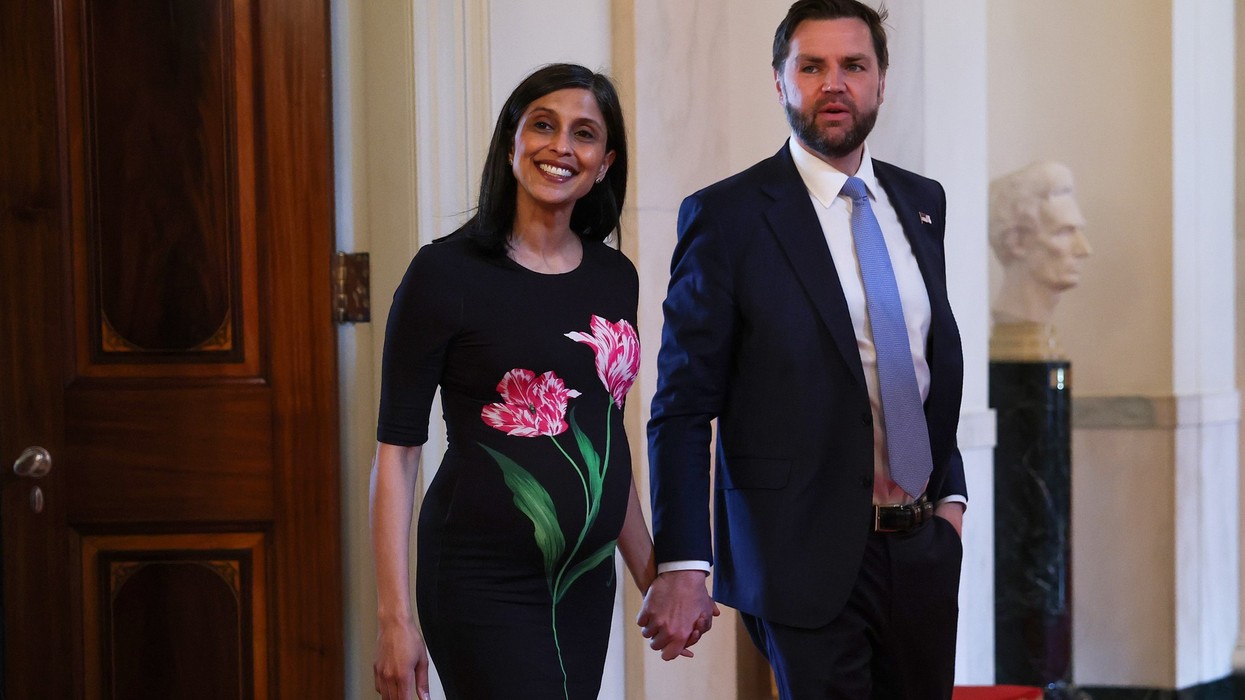
 The couple during their visit to the Taj Mahal in Agra earlier this yearxx






 SAN FRANCISCO, CALIFORNIA - OCTOBER 28: Vinod Khosla, Founder, Khosla Ventures, speaks onstage during day two of TechCrunch Disrupt 2025 at Moscone Center on October 28, 2025 in San Francisco, California. (Photo by Kimberly White/Getty Images for TechCrunch)Getty Images
 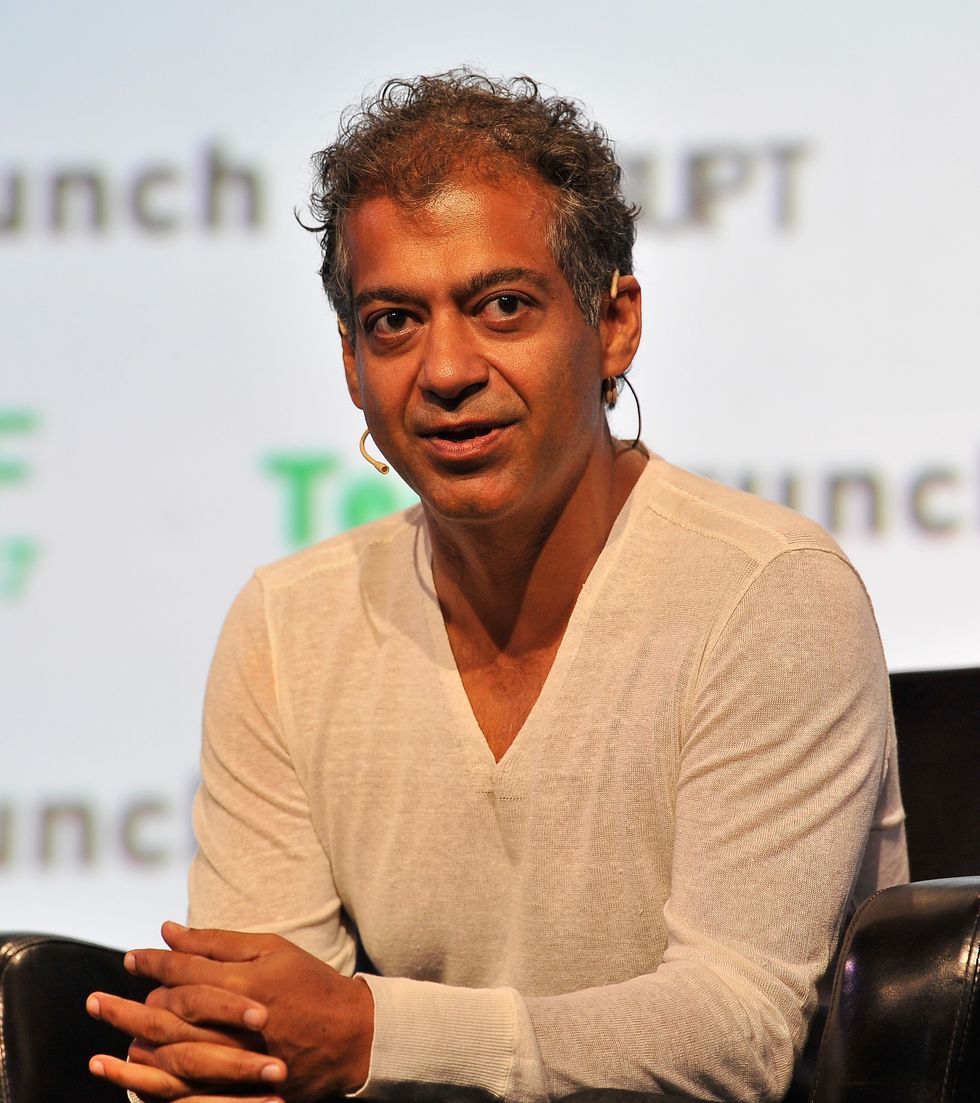 SAN FRANCISCO, CA - SEPTEMBER 18: AngelList Co-Founder and CEO Naval Ravikant speaks onstage during TechCrunch Disrupt SF 2017 at Pier 48 on September 18, 2017 in San Francisco, California. (Photo by Steve Jennings/Getty Images for TechCrunch)Getty Images
 SAN FRANCISCO, CA - SEPTEMBER 14: Managing Director of General Catalyst Hemant Taneja speaks onstage during TechCrunch Disrupt SF 2016 at Pier 48 on September 14, 2016 in San Francisco, California. (Photo by Steve Jennings/Getty Images for TechCrunch)Getty Images
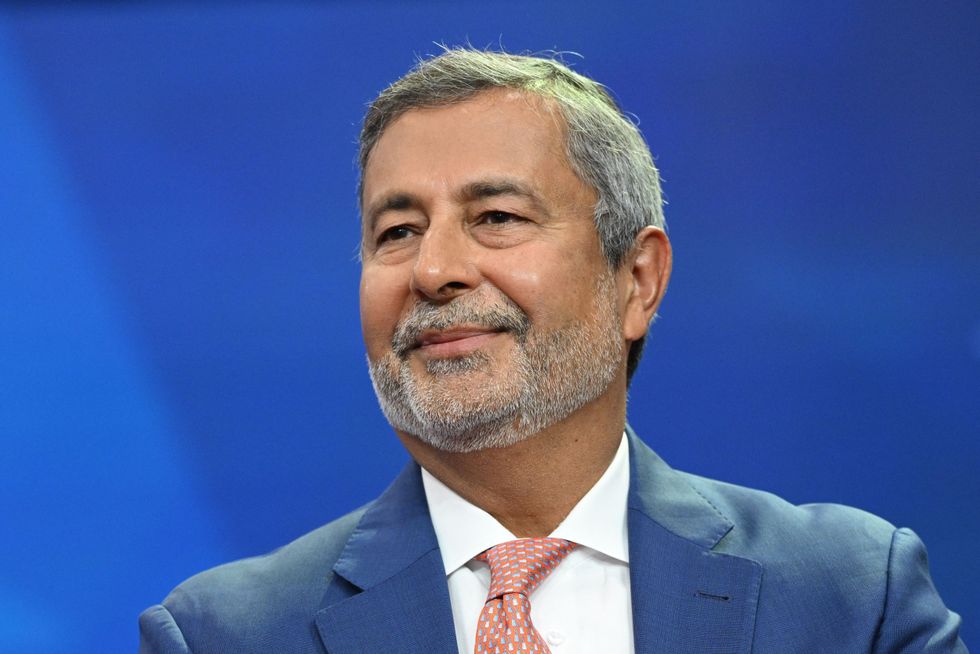 CEO of Micron Technology Sanjay Mehrotra, listens to US President Joe Biden speak about manufacturing, at the SRC Arena and Events Center of Onondaga Community College in Syracuse, New York on October 27, 2022. (Photo by MANDEL NGAN / AFP) (Photo by MANDEL NGAN/AFP via Getty Images)Getty Images
 Google CEO Sundar Pichai looks on during the AI Impact Summit in New Delhi on February 19, 2026. (Photo by Ludovic MARIN / AFP via Getty Images)Getty Images
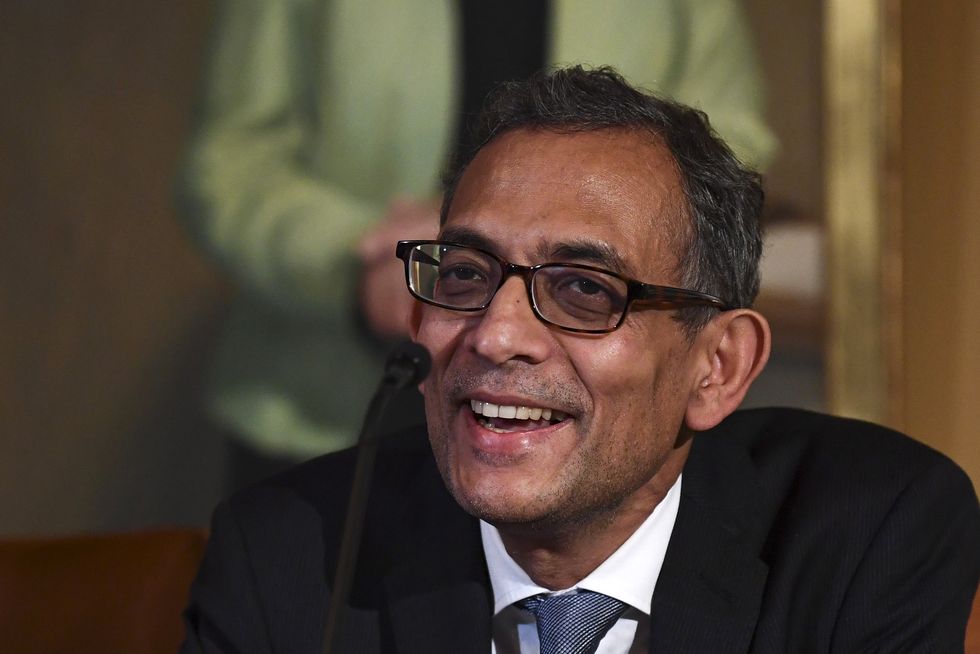 Indian born Abhijit Banerjee, laureate of Prize in Economic Sciences in Memory of Alfred Nobel 2019, speaks during a press conference with the Nobel physics, chemistry and economics laureates at the Royal Swedish Academy of Sciences, on December 7, 2019 in Stockholm, Sweden. (Photo by Jonathan NACKSTRAND / AFP) (Photo by JONATHAN NACKSTRAND/AFP via Getty Images)Getty Images
 NEW YORK, NEW YORK - FEBRUARY 12: Padma Lakshmi attends Gold House's Lunar New Year Gold Celebration at Chinese Tuxedo on February 12, 2026 in New York City. (Photo by Noam Galai/Getty Images for Gold House)Getty Images
 SAN FRANCISCO, CA - SEPTEMBER 10: Sanjit Biswas attends Day 2 of TechCrunch Disrupt SF 2013 at San Francisco Design Center on September 10, 2013 in San Francisco, California. (Photo by Steve Jennings/Getty Images for TechCrunch) Getty Images
 Neerja Sethi (Photo credits: iMDB)
 Jay Chaudhry(Photo credits:
 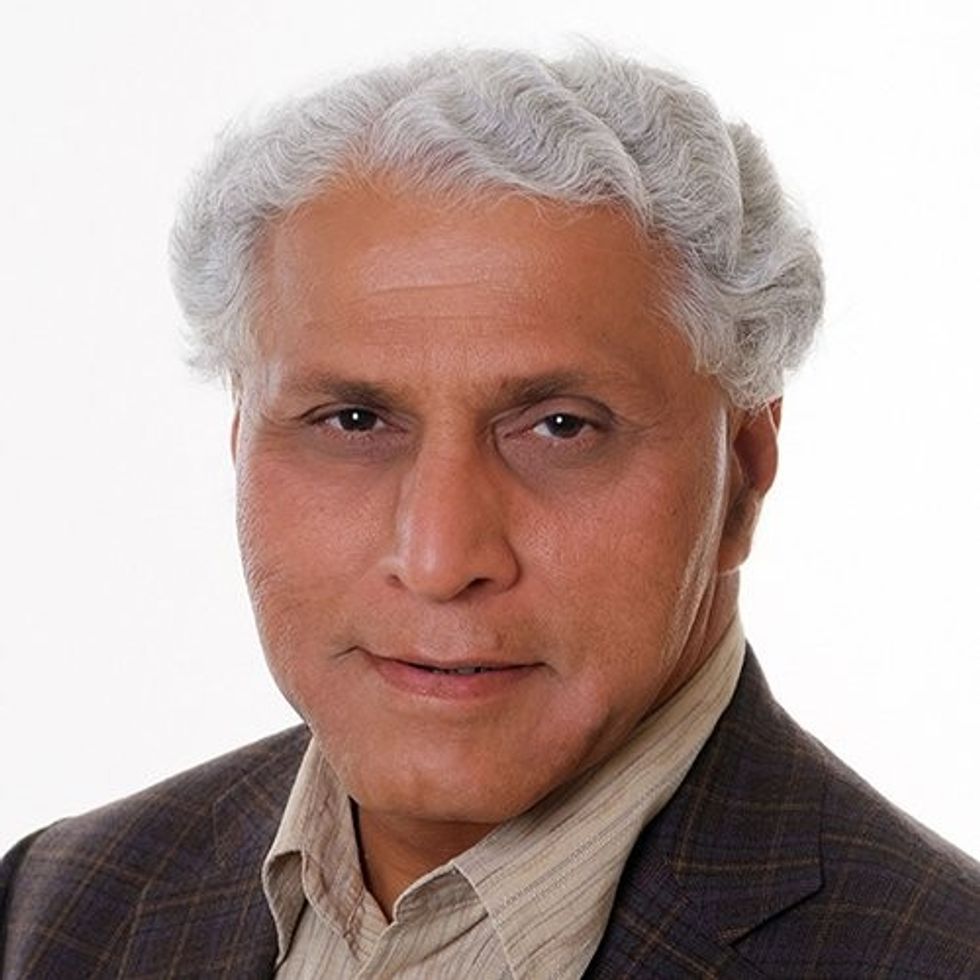 Romesh T Wadhwani(Photo credits: www.csis.org)