- Jaishankar says frustration over stalled UN reform is growing
- India wants the Security Council to reflect today’s world
- He calls for text-based negotiations on reform
- Global South countries are seeking a stronger voice
- India continues to push for permanent Security Council membership
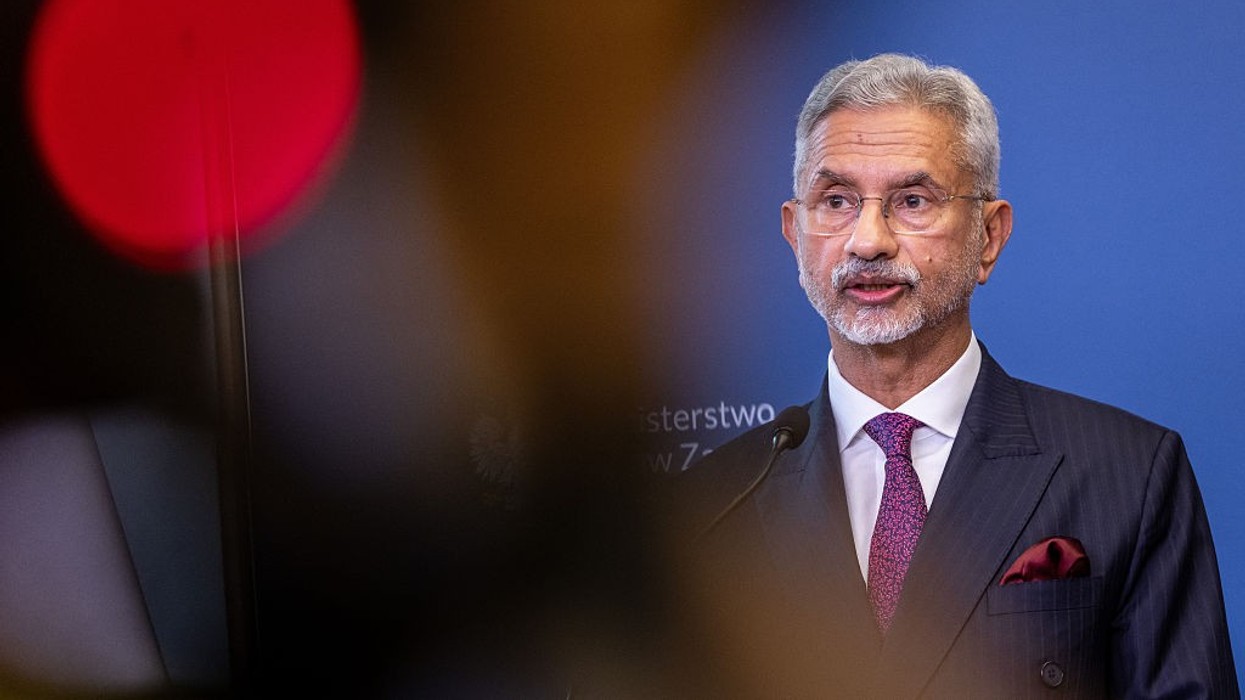
India's external affairs Minister S. Jaishankar has said frustration is growing among countries over the lack of progress on reforming the United Nations, arguing that the organization needs to better reflect the world as it exists today.
Speaking at a ministerial session on the sidelines of the 81st UN General Assembly in New York, Jaishankar said the demand for reform has become stronger as countries question whether the current UN structure reflects present-day geopolitical realities.
His remarks come as India continues its long-running campaign for changes to the UN Security Council, including an expansion of both permanent and non-permanent membership.
Why text-based negotiations matter
Jaishankar said one of the major problems is the absence of a formal negotiating text. In his view, countries need a document on which they can put forward proposals, negotiate differences and eventually make decisions.
He also argued that reform should not depend on every country agreeing to the same position before negotiations can move forward. Instead, countries should be able to present their views and resolve differences through a formal decision-making process.
The comments underline India's argument that discussions on Security Council reform need to move beyond repeated statements of support and toward an actual negotiating process.
Why the global south is central to the debate
Jaishankar also highlighted greater cooperation among countries in the Global South.
He said developing countries are increasingly willing to work with one another, which could reduce some of the traditional economic and political dependencies between countries.
The issue has been a recurring theme for India at this year's UN meetings. On September 22, a ministerial meeting of like-minded Global South countries expressed concern about the weakening of multilateral institutions and called for comprehensive UN reforms.
Earlier this week, Jaishankar also said the Global South is affected heavily by global crises while having limited influence over some of the institutions that make major international decisions.
India’s push for a permanent seat
India has consistently argued that the current Security Council structure, created in 1945, does not adequately represent today's geopolitical balance.
The council currently has 15 members, including five permanent members: China, France, Russia, the United Kingdom and the United States and 10 elected members.
India is seeking a permanent seat as part of its broader push for Security Council reform. It is also campaigning for a non-permanent seat for the 2028–29 term, with elections scheduled for June 2027.
India's reform campaign is part of the wider G4 effort with Brazil, Germany and Japan, which supports expanding permanent and non-permanent membership.
What happens next?
The reform debate remains complicated because UN member states have different views on the size and structure of an expanded Security Council, including questions surrounding permanent membership and veto powers.
Jaishankar's latest comments therefore place the focus on the next stage: moving from broad calls for reform toward formal negotiations over an actual text.
UN Secretary-General António Guterres has also called for Security Council reform, arguing in his final high-level UNGA address that the body needs to reflect today's world and have sufficient legitimacy to respond to current geopolitical challenges.