

THE Narendra Modi government on Friday (11) moved three bills in the Lok Sabha or Lower House of the parliament to overhaul some criminal laws that date back to the colonial era, covering the controversial sedition law to strengthen laws that safeguard women and children.
Home minister Amit Shah presented the bills on the final day of the monsoon session of the parliament to repeal and replace the Indian Penal Code, the Code of Criminal Procedure and the Indian Evidence Act, many implemented by the former British colonial masters before India became independent in 1947.
The minister, who is the second most powerful leader in India's ruling Bharatiya Janata Party after prime minister Narendra Modi, said the new legislation "will aim to give justice, not punishment".
He added that the overhaul was crucial as the colonial laws have been at the core of the country's criminal justice system for more than a century.
The bills were sent to a parliamentary standing committee for deliberations.
Experts cautioned that if the bills are approved by the parliament, it could lead to disruptions and make legal processes more complex as courts will have a serious task of figuring out procedural implications and positions of several thousands of existing trials, Reuters reported.
But there were also those who supported the changes saying they would encourage fresh talks on the requirement to reform several laws to protect women and minors and give a fresh layer of transparency to criminal codes, the report added.
The Modi government has discarded several obscure laws in recent years in a bid to modernise India's legal system and dump the colonial past.




 A 1996 photo of rapper Tupac Shakur (L) and Marion "Suge" Knight is shown on screens during closing arguments in the Duane Davis murder trial, related to the 1996 killing of rapper Tupac Shakur, at Clark County District Court at the Regional Justice Center in Las Vegas, Nevada, on August 31, 2026. Getty Images



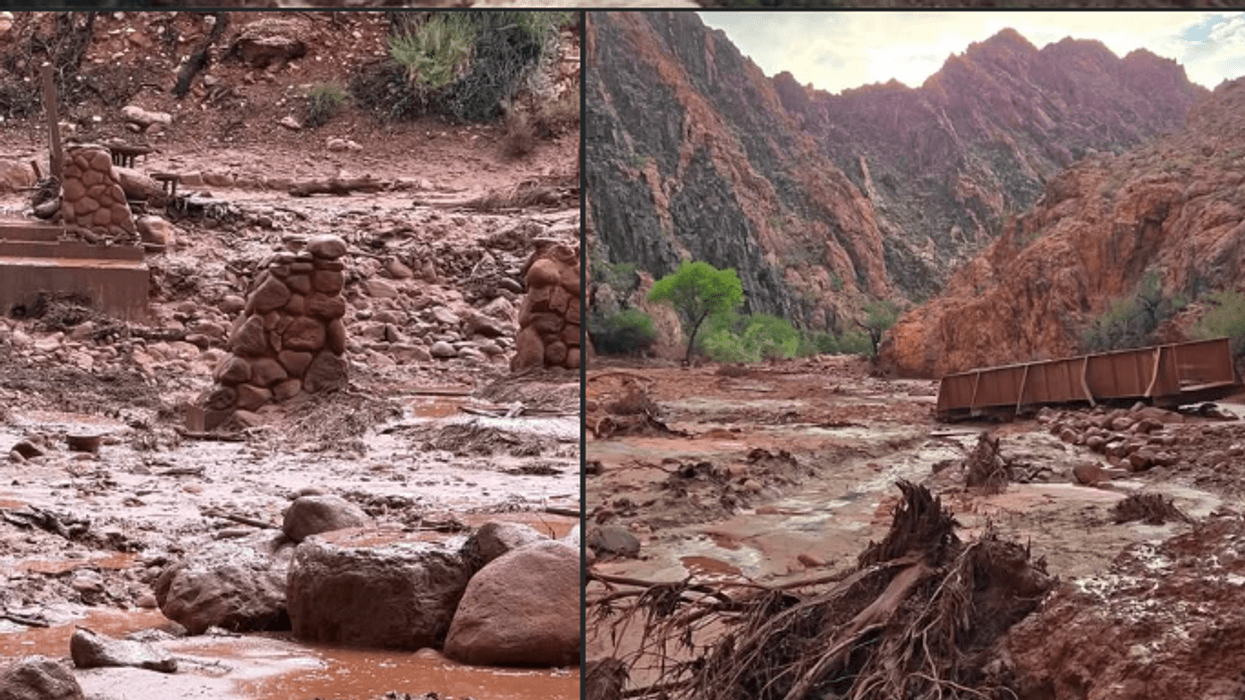

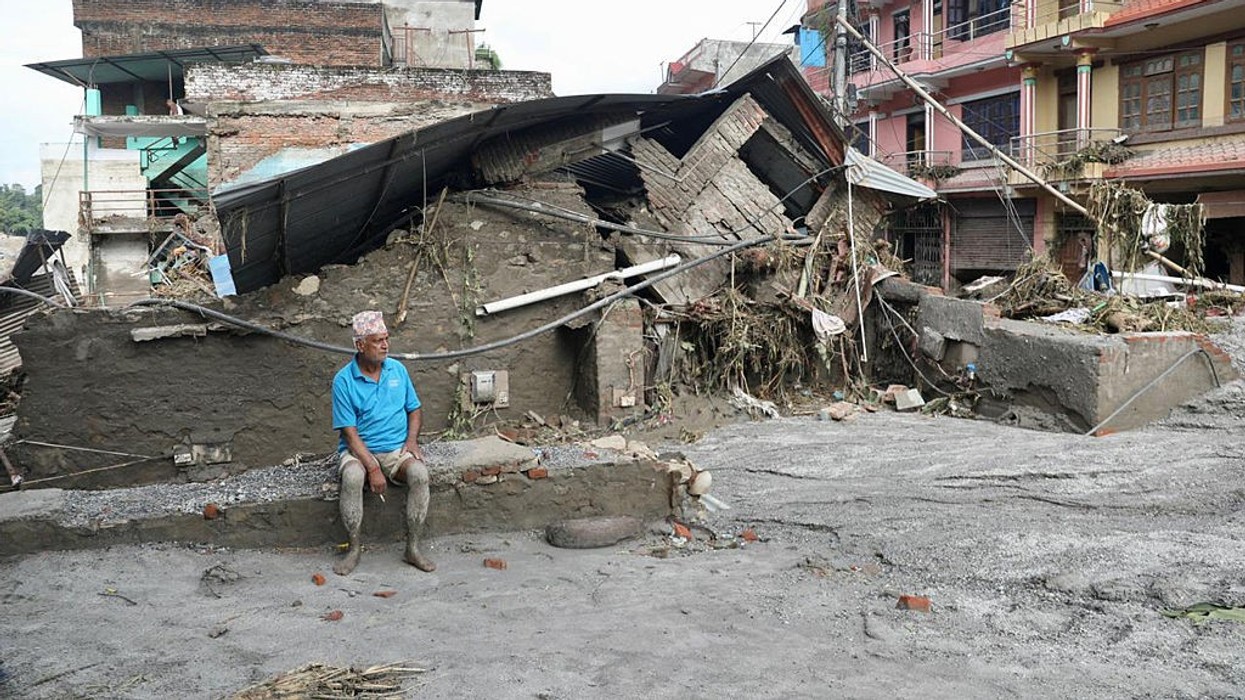
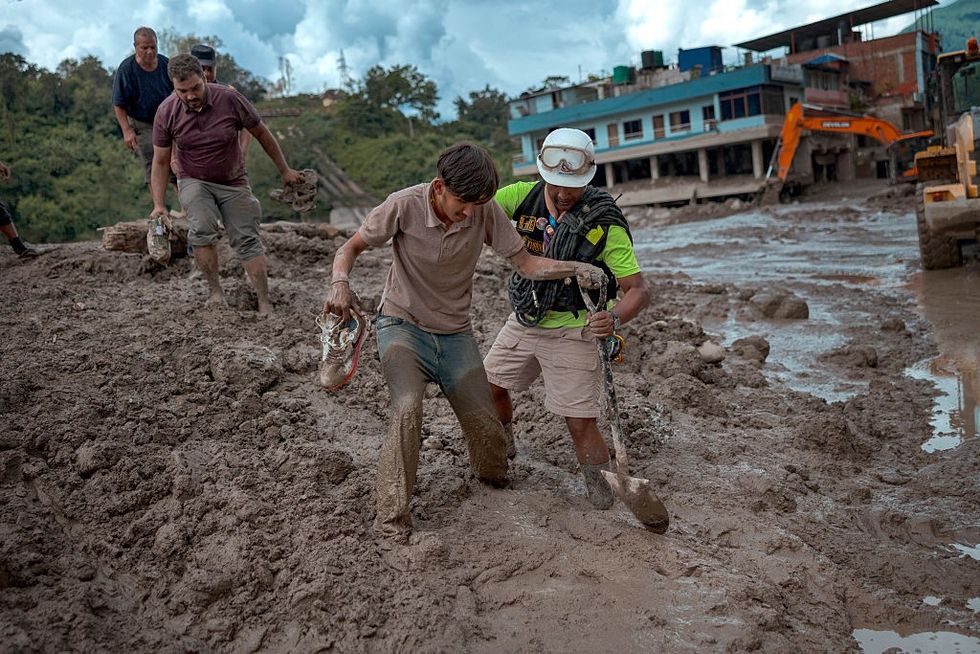 A rescuer assists a resident through heavy mud following flash floods on August 27, 2026 in Trishuli, Nepal. A sudden flood swept through the Bhote Koshi River basin in northern Rasuwa on August 26, damaging settlements, roads and energy infrastructure as rescue teams searched for residents and foreign travellers reported out of contact. Hundreds were reported missing, as the death toll started to climb.Getty Images
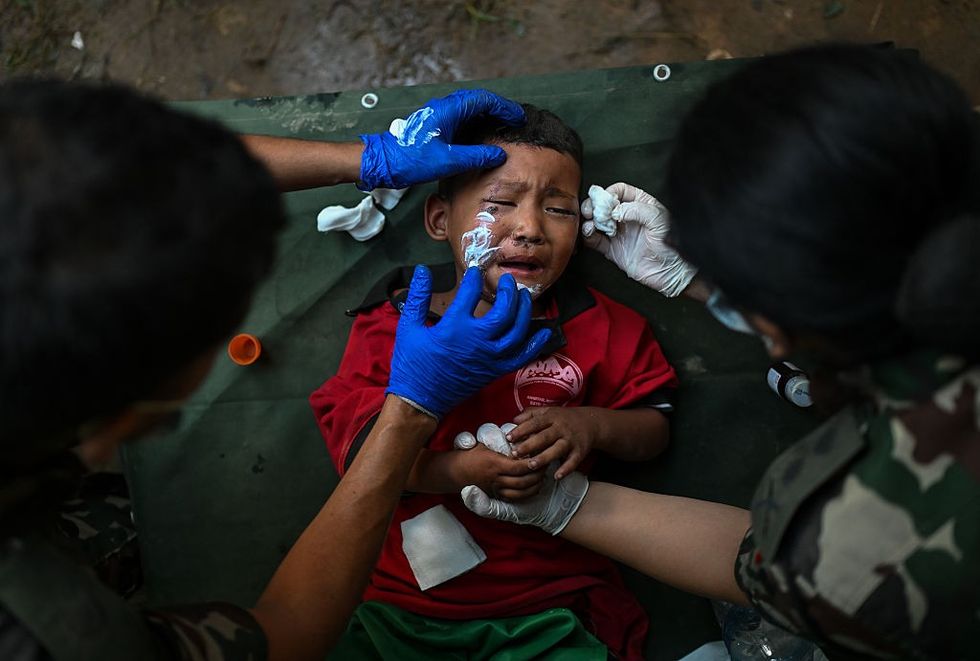 Rescue personnel provide medical treatment to a child at an army rescue camp in Trishuli Batar, Nepal, on August 27, 2026. A sudden flood swept through the Bhote Koshi River basin in northern Rasuwa on August 26, damaging settlements, roads and energy infrastructure, as rescue teams searched for residents and foreign travellers reported out of contact. Hundreds were reported missing as the death toll began to climb. Getty Ima
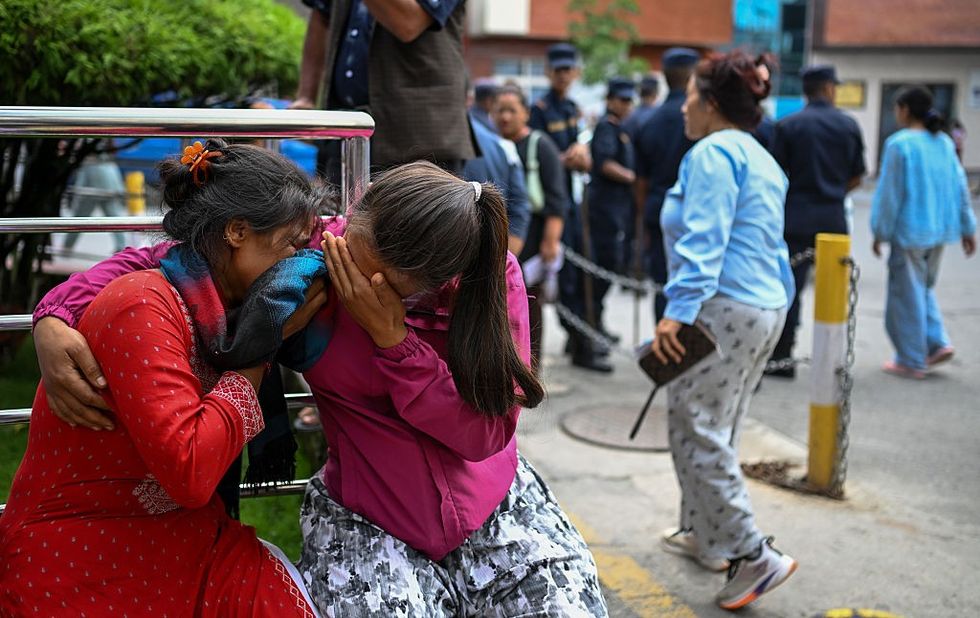 Family members of missing flood victims react at the emergency ward of the Maharajgunj Medical Campus, part of the Tribhuvan University Teaching Hospital, on August 28, 2026 in Kathmandu, Nepal. Authorities said the flash floods were triggered after a mass of ice, mud and rock collapsed into a Himalayan river near the Nepal-China border, leaving hundreds dead or missing and causing widespread damage in affected districts. Authorities continued the gruelling search for victims, many buried under metres of mud, as both China and Nepal issued fresh flooding alerts.Getty Images