
Highlights:
- Economic success has not translated into foreign-policy influence.
- Indian Americans lack a unified lobbying structure in Washington.
- Divided political priorities weaken collective advocacy.
- Immigration policies expose a key political asymmetry.
- Chellaney calls for sustained, bipartisan political action.
Indian Americans have become one of the wealthiest, most highly educated and politically visible immigrant communities in the United States. Yet their growing economic and electoral clout has not translated into comparable influence over Washington’s policy toward India. In an opinion piece for The Japan Times, Indian geostrategist Brahma Chellaney argues that the community’s main weakness is not a lack of resources, but a lack of organized political power.
Here are the key reasons Chellaney identifies — and the steps he says Indian Americans could take to change the situation.
1. Economic success has not translated into political power
Indian Americans number just over 5 million and have the highest median household income of any major ethnic group in the United States. They have high voter participation and growing importance in battleground states including Georgia, Pennsylvania, North Carolina, Arizona and Michigan.
Members of the community now hold elected office at the congressional, gubernatorial and mayoral levels.But Chellaney argues that success in business, technology, medicine and electoral politics has not translated into the kind of influence needed to shape US foreign policy.
The central problem, he says, is organized political power.
2. There is no effective India lobby in Washington
Chellaney contrasts the Indian-American community with groups such as the American Israel Public Affairs Committee and influential Cuban-American organizations, which have built durable lobbying structures around specific foreign-policy interests.
Indian Americans, by contrast, are represented by business councils, cultural organizations, advocacy groups and political action committees pursuing different objectives.
According to Chellaney, these groups have been successful at networking, philanthropy and promoting commercial ties but have not created the institutional cohesion necessary to influence major decisions on trade, immigration or strategic policy.
3. Indian-American advocacy lacks a focused agenda
Chellaney argues that Washington rewards political focus.
The most effective foreign-policy lobbies, he says, identify a limited number of priorities, maintain relationships with lawmakers from both parties and create political consequences for politicians based on their positions.They also make the case that their objectives serve US national interests, rather than simply benefiting another country.
Chellaney argues that Indian-American advocacy has rarely operated in this way.
4. The community's interests are divided
Indian Americans do not have a single set of political priorities.
Naturalized citizens and second-generation Indian Americans often vote on issues such as inflation, taxes, crime, health care, schools and local government rather than US-India relations or immigration policy.
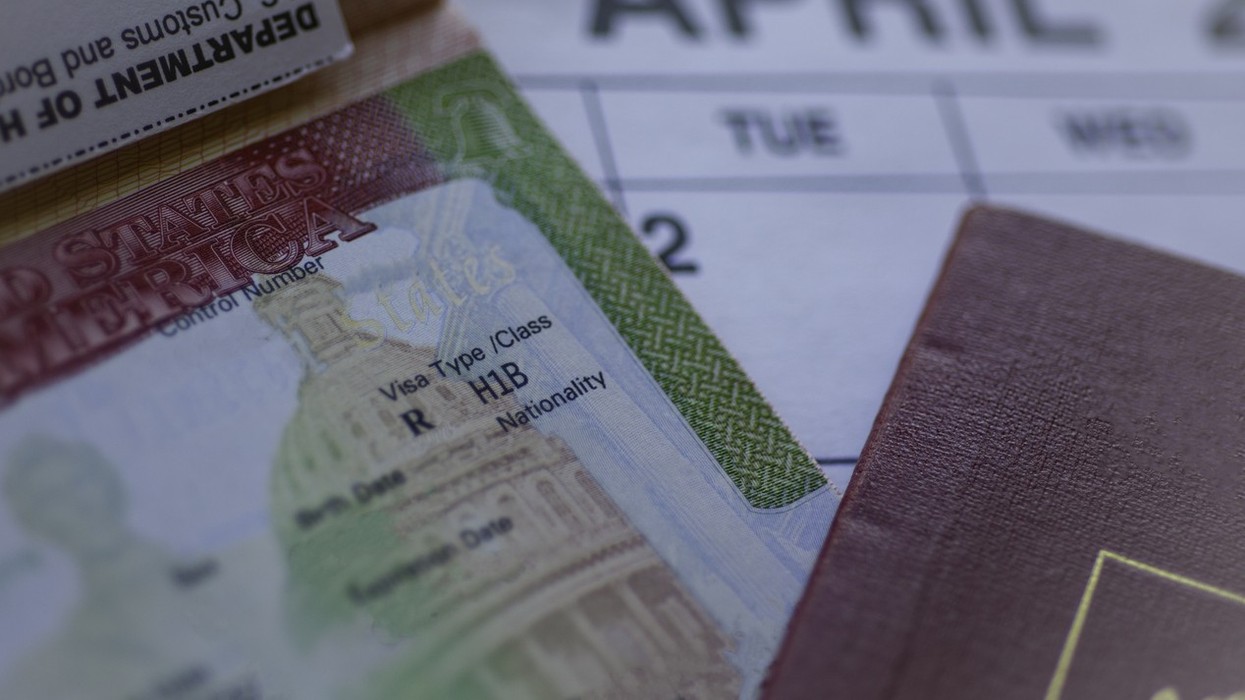
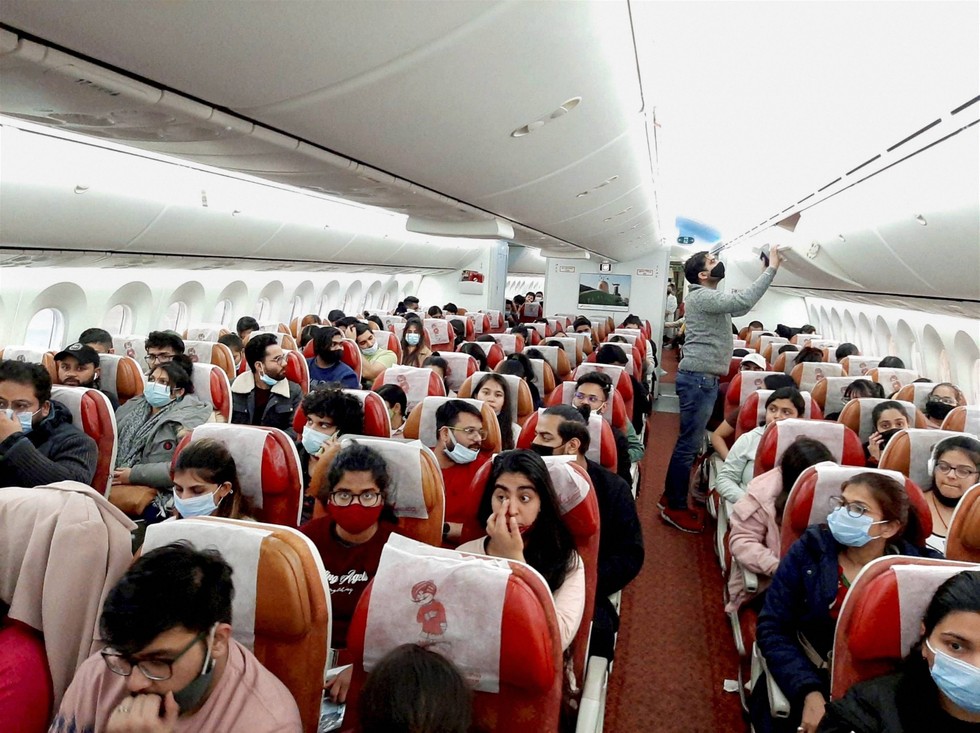
At the same time, many of the people most directly affected by US immigration policies cannot vote.Professionals on H-1B visas, international students — the largest group of foreign students in the US from any one country — and green-card applicants have little or no electoral leverage.
Chellaney describes this as a political asymmetry: those with the greatest electoral influence are often less directly affected by policies concerning India and immigration, while those bearing the greatest impact have virtually no electoral influence.
5. Recent US policies have exposed the community's weakness
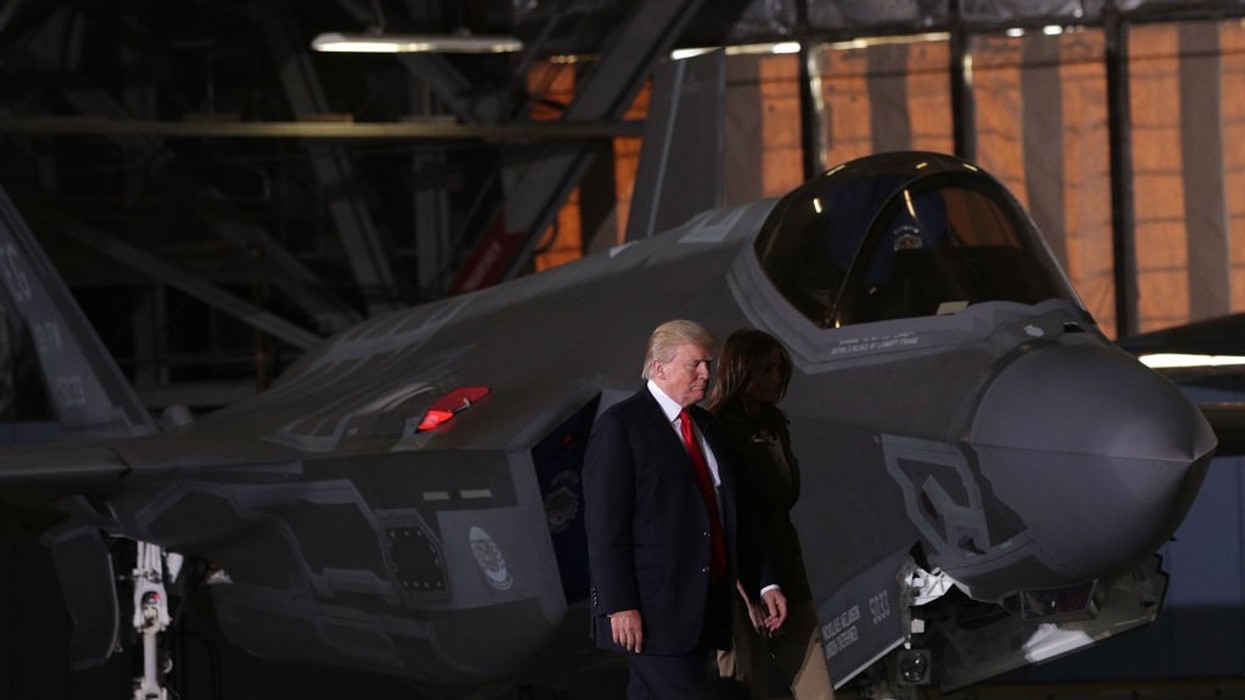
Chellaney points to a deterioration in US-India relations under both the Biden and Trump administrations.
He argues that the Trump administration has accelerated the decline through trade and energy pressure, tighter restrictions on student and work visas and a more transactional approach to India.
He also points to US restrictions affecting skilled immigration, student visas, energy imports and technology transfers.Yet, despite these measures, Chellaney says they have faced little organized resistance from Indian Americans.
6. The community cannot assume the US-India partnership will deepen automatically
Chellaney challenges the assumption that the US-India strategic partnership will inevitably become stronger.
He argues that the Biden administration's final period in office saw bilateral tensions increase, despite cooperation through the Quad grouping of the United States, Japan, India and Australia.
Under Trump, he says, India is increasingly being viewed through a transactional commercial lens — as both a major market for US exports and an economic and technological competitor.
For Chellaney, the lesson is that goodwill toward India within the diaspora is not enough when it conflicts with Washington’s electoral or strategic priorities.
7. Indian Americans need sustained collective action
Chellaney argues that Indian Americans already have many of the resources required to build greater political influence: financial strength, professional networks and intellectual capital.
What they lack, he says, is sustained collective action.
He does not argue that the community should simply copy another diaspora's political model. Instead, he says successful lobbying in Washington generally requires several common elements.
What does Chellaney suggest Indian Americans should do?
Chellaney identifies several ingredients that could help the community build greater influence:
- Build bipartisan engagement with lawmakers from both parties.
- Create institutional continuity rather than relying on fragmented or short-term efforts.
- Develop disciplined messaging around a limited number of priorities.
- Coordinate fundraising to strengthen political leverage.
- Frame policy objectives around US national interests, rather than presenting them solely as benefiting India.
- Create political consequences by rewarding or punishing politicians according to their positions, as successful foreign-policy lobbies do.
- Sustain collective action and use the community's existing financial resources, professional networks and intellectual capital to build political infrastructure.