

INDIAN politician Shashi Tharoor has called the death of Henry Kissinger, former US secretary of state and a major diplomatic voice to shape Washington's policy in the Cold War era, as the "end of, by any definition, an extraordinary life".
Posting on X a BBC report on the death of the diplomat who was 100, Tharoor, a parliamentarian of India's opposition Indian National Congress, said the former was 'indeed both a pivotal and polarising figure".
The 67-year-old Tharoor, who was once a diplomat in the United Nations, recalled his days in New York when he was on first-name terms with Kissinger and said he was still "amazed" how the veteran diplomat had transformed himself into an advocate of closer US-India ties three decades after being the architect of Washington's pro-Pakistan tilt in the early 1970s.
Read: When Modi told Kissinger about India's efforts to become $5 trillion economy
He then said that Kissinger's long lifespan was advantageous since it helps as people don't remember one's earlier statements and actions.
"For a few years in New York, I knew him well enough to be on first-name terms with him. I was still amazed how "Henry", the architect of the US tilt towards Pakistan in 1971, could morph with such insouciance into the most prominent advocate of closer US-India relations three decades later. It helps to live long enough so people don't remember your earlier statements and actions!" he said on X.
Kissinger, it may be noted here, harboured a strong anti-India attitude and was also against the liberation of East Pakistan (today's Bangladesh) from West Pakistan (today's Pakistan) and had backed Islamabad in its fight against New Delhi despite the brutal atrocities that were unleashed on the eastern wing of united Pakistan since it helped the US in reaching out to China and corner the erstwhile USSR, its Cold War enemy. He also had a disdain for former Indian prime minister Indira Gandhi, along with US president Richard Nixon under whom he had served.
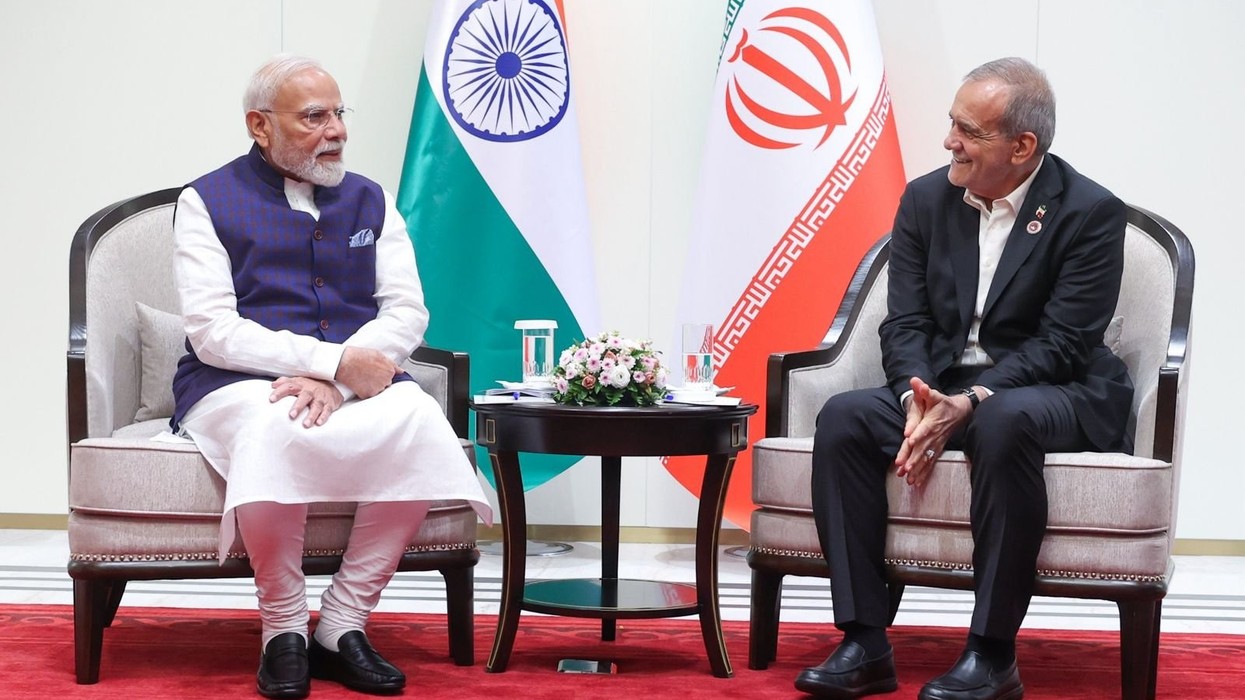
In the era of prime minister Narendra Modi, however, Kissinger was in favour of strong ties between the US and India.


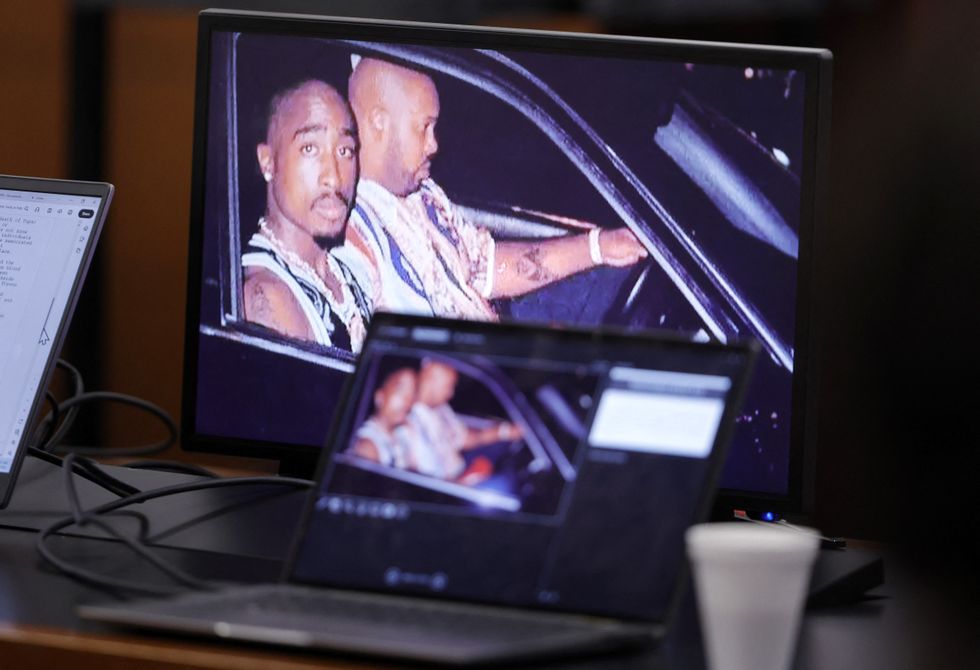 A 1996 photo of rapper Tupac Shakur (L) and Marion "Suge" Knight is shown on screens during closing arguments in the Duane Davis murder trial, related to the 1996 killing of rapper Tupac Shakur, at Clark County District Court at the Regional Justice Center in Las Vegas, Nevada, on August 31, 2026. Getty Images





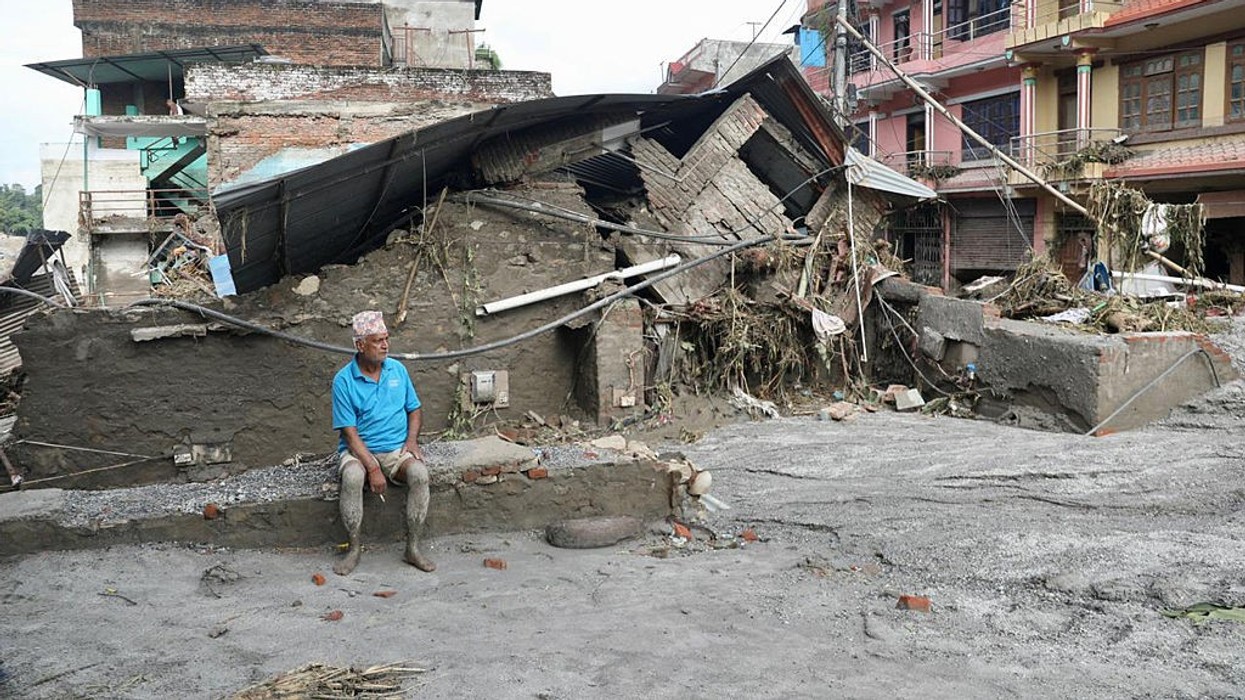
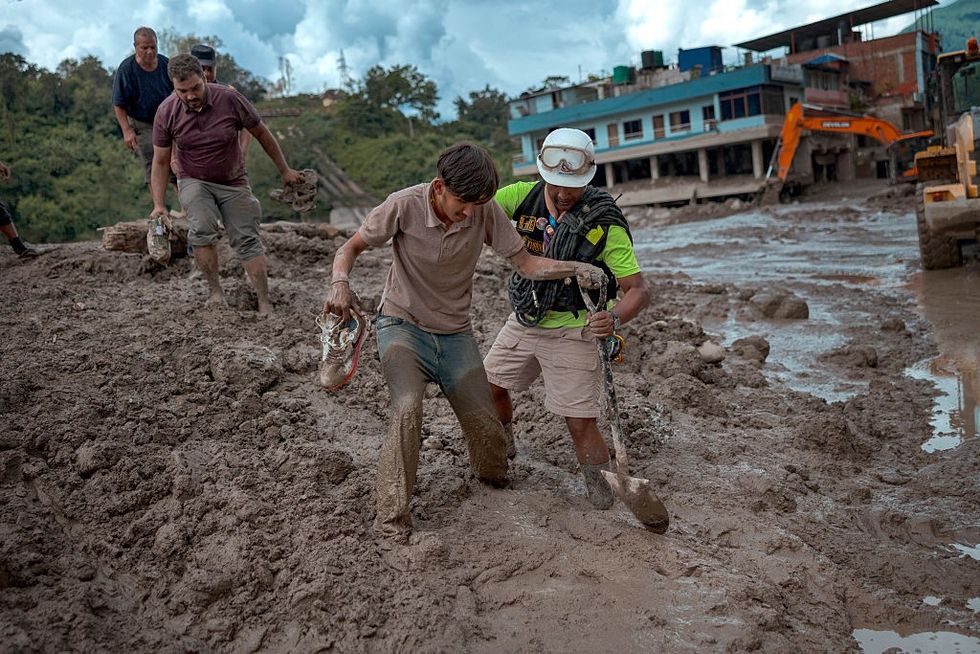 A rescuer assists a resident through heavy mud following flash floods on August 27, 2026 in Trishuli, Nepal. A sudden flood swept through the Bhote Koshi River basin in northern Rasuwa on August 26, damaging settlements, roads and energy infrastructure as rescue teams searched for residents and foreign travellers reported out of contact. Hundreds were reported missing, as the death toll started to climb.Getty Images
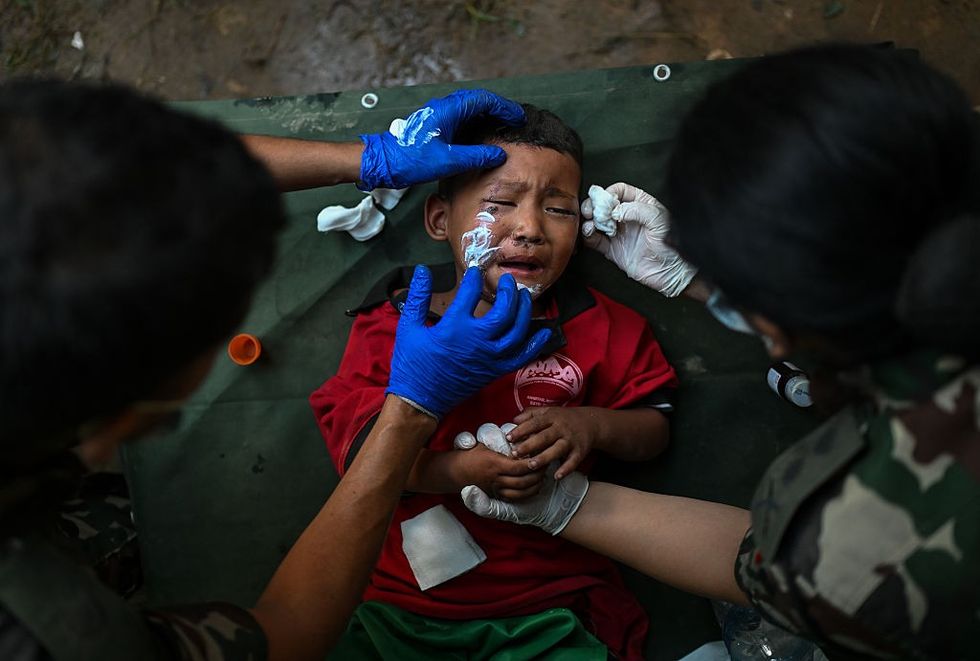 Rescue personnel provide medical treatment to a child at an army rescue camp in Trishuli Batar, Nepal, on August 27, 2026. A sudden flood swept through the Bhote Koshi River basin in northern Rasuwa on August 26, damaging settlements, roads and energy infrastructure, as rescue teams searched for residents and foreign travellers reported out of contact. Hundreds were reported missing as the death toll began to climb. Getty Ima
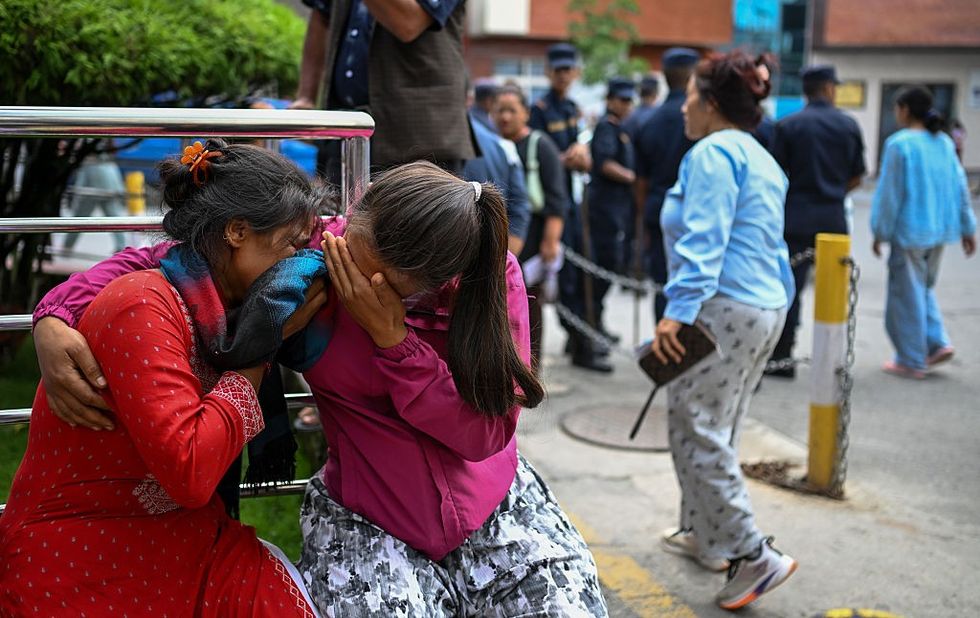 Family members of missing flood victims react at the emergency ward of the Maharajgunj Medical Campus, part of the Tribhuvan University Teaching Hospital, on August 28, 2026 in Kathmandu, Nepal. Authorities said the flash floods were triggered after a mass of ice, mud and rock collapsed into a Himalayan river near the Nepal-China border, leaving hundreds dead or missing and causing widespread damage in affected districts. Authorities continued the gruelling search for victims, many buried under metres of mud, as both China and Nepal issued fresh flooding alerts.Getty Images