
- Jio Platforms’ $3.2 billion IPO was subscribed 22.19 times, led by institutional investors.
- The shares are scheduled to begin trading on the BSE and NSE at 10 am local time on Wednesday (28).
- An unofficial grey market premium of around $2.56 per share suggests a potential listing price about 21.8 per cent above the offer price, although the actual debut price could differ.
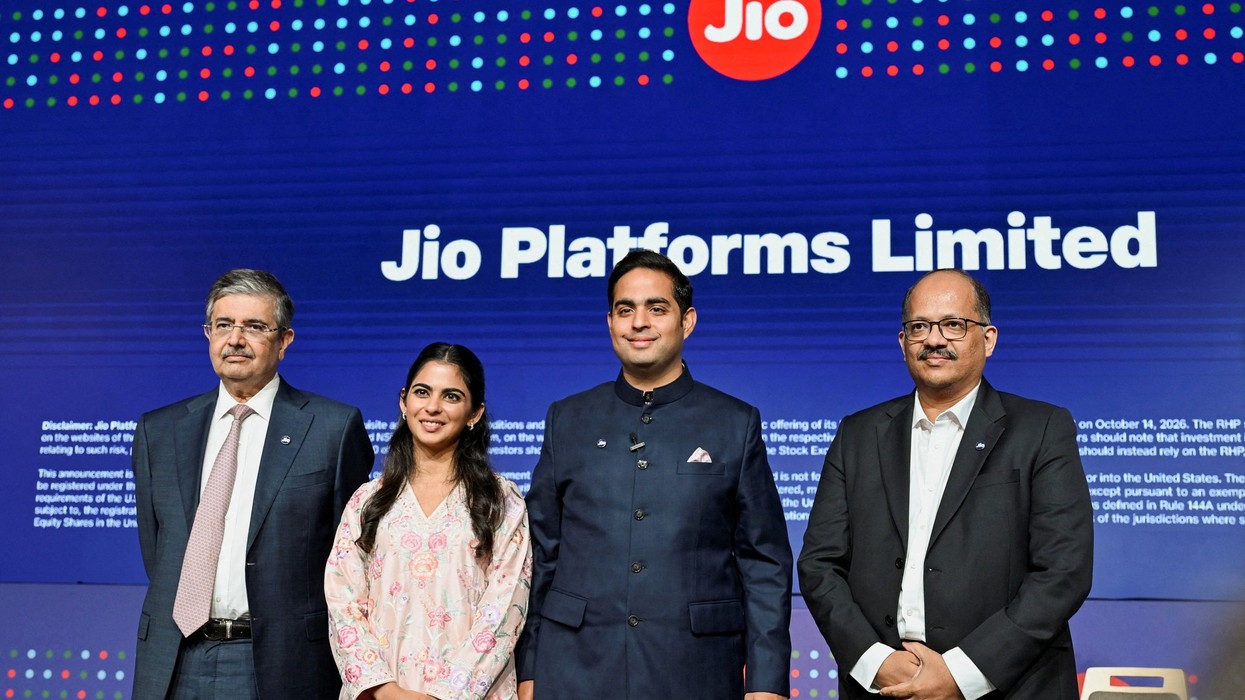
Reliance’s Jio Platforms is set to make its stock market debut on Wednesday (28) after its $3.2 billion initial public offering attracted strong demand from investors, setting up a closely watched listing for one of India’s largest technology businesses.
The IPO raised approximately $3.2 billion through a fresh issue of 270 million shares. It was subscribed 22.19 times overall during the bidding period, according to stock exchange data, with institutional investors accounting for the strongest demand.
The shares are scheduled to list on the Bombay Stock Exchange (BSE) and the National Stock Exchange (NSE) at 10 am local time. The listing follows a special pre-open session, during which investors can enter, modify or cancel orders before the exchanges match orders and determine the opening price.
The offer price ranged from approximately $11.18 to $11.75 per share, based on the exchange rate on October 27. The minimum application was for 12 shares, requiring an investment of about $141 at the upper end of the price range.
What drove demand for the Jio Platforms IPO?
The IPO received an overall subscription of 22.19 times the shares available to investors, with qualified institutional buyers leading the demand.
The institutional investor portion was subscribed 70.55 times, while the non-institutional investor category was subscribed 14 times. Retail investors subscribed 2.72 times their allocated portion.
The issue attracted bids worth more than $51 billion, excluding the anchor investor placement, according to reported stock exchange data. Demand across the public offering and anchor investor placement was reported to exceed $77 billion.
The IPO consisted entirely of newly issued shares, with no offer-for-sale component. This means the company is raising fresh capital rather than allowing existing shareholders to sell shares through the offering.
Jio Platforms plans to use up to approximately $2.9 billion of the proceeds to repay certain outstanding borrowings of its subsidiary, Reliance Jio Infocomm. The remaining funds are intended for general corporate purposes.
The company said in its prospectus that it expected the listing to create a public market for its shares and deliver the benefits associated with being listed on the stock exchanges.
Could Jio Platforms shares rise on debut?
Jio Platforms shares were commanding an unofficial grey market premium of around $2.56 per share on October 27, according to IPO tracking websites.
Adding that premium to the upper offer price of approximately $11.75 gives an indicative listing price of around $14.32 per share, or about 21.8 per cent above the issue price.
At that indicative price, an investor allotted one lot of 12 shares would hold stock worth approximately $172, representing a paper gain of around $31 before transaction costs and taxes.
However, the grey market premium is not an exchange-published price or a reliable guarantee of listing performance. It reflects informal trading and expectations before the shares begin regular trading, and can change with market sentiment and broader market conditions.
The actual opening price could be higher or lower than the estimate. Investors will have a clearer indication of market demand once the exchanges complete their pre-open process and regular trading begins.
The listing is an important milestone for Reliance’s telecom and digital business, which has become a significant part of the group’s technology ambitions. The market debut will give investors a direct way to trade shares in Jio Platforms and assess its valuation against expectations for future growth.
Strong IPO demand has raised expectations, but the first trading session will determine whether that enthusiasm translates into a sustained market premium.