
Highlights:
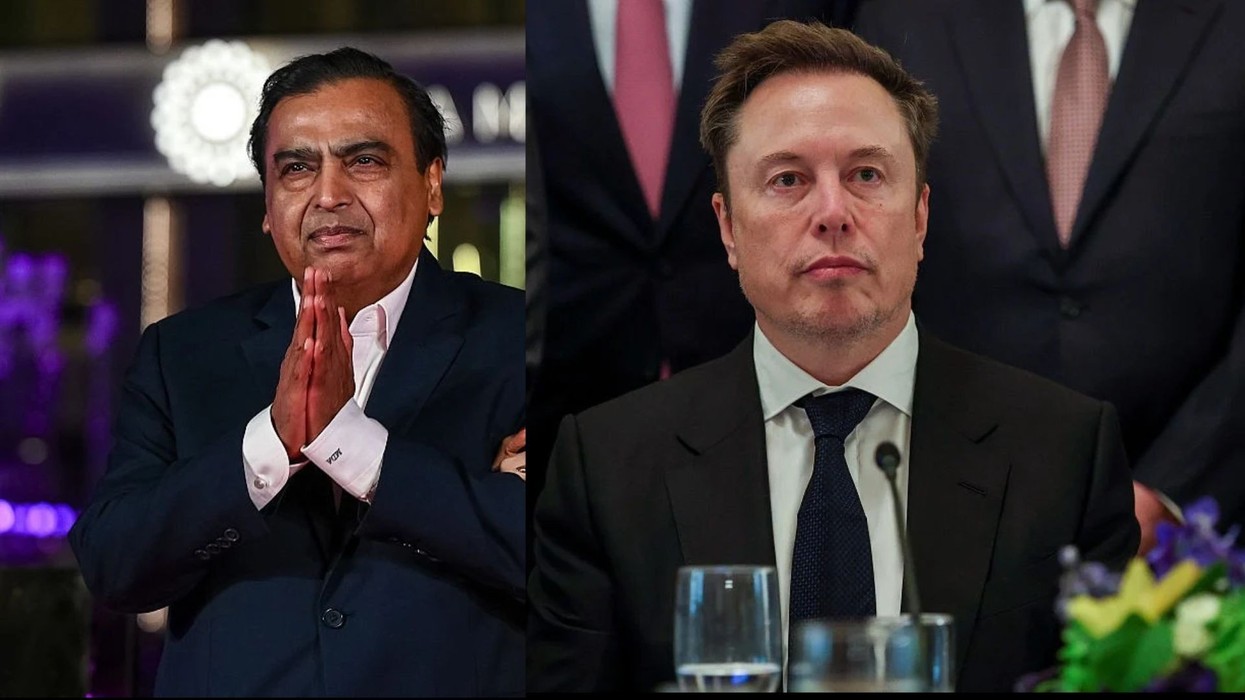
INDIAN billionaire Mukesh Ambani’s Reliance said it welcomed competition from Elon Musk’s Starlink and that its own satellite services were also awaiting clearance. The statement was its first response to accusations that Ambani was blocking Starlink’s launch in India.
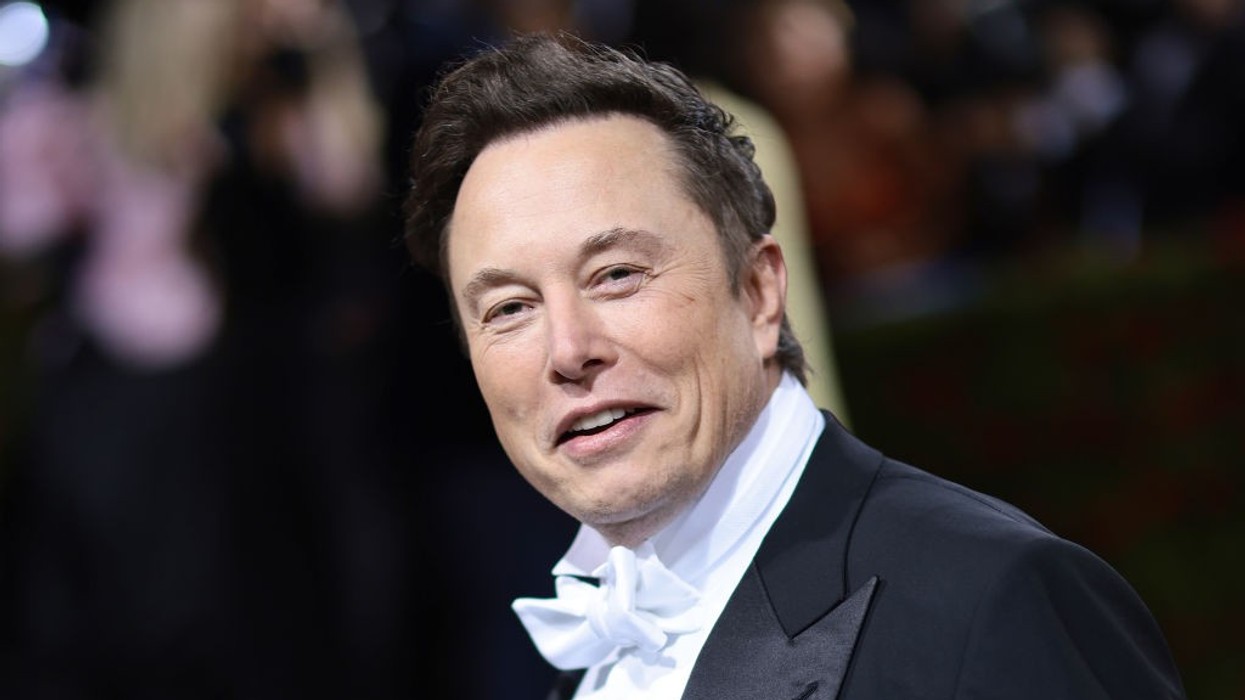
Musk, the world’s richest man, has repeatedly accused the Indian government and Ambani of stalling Starlink’s years-long efforts to launch in a market with more than a billion internet subscribers. India has denied any bias in its approval process.
The statement on Friday (16), which did not name Musk, came days before Reliance Industries’ digital unit, Jio Platforms, was due to seek a $108 billion valuation in India’s largest IPO to date.
Jio houses Reliance’s telecom arm, which has more than 530 million customers and is a potential competitor to Starlink in India’s internet market.
“At Reliance, we have never feared competition,” the conglomerate said, addressing “remarks about Reliance and the Indian market” in a statement it said was intended to “place the facts on record”.
Musk’s posts on X have ranged from asking whether Ambani was the “real boss” of India to addressing him as “prime minister Ambani” and asking whether he would allow Starlink to compete.
The attacks mark a sharp turn for Musk, who has a warm public rapport with prime minister Narendra Modi. They also come as New Delhi courts foreign investment and negotiates a trade deal with Washington.
India has licensed Starlink, Jio’s satellite internet arm and Bharti-backed Eutelsat OneWeb to operate services, but none has received the security clearance needed to launch.
Earlier this week, addressing the Bloomberg New Economy Forum 2026, Bharti Airtel chairman Sunil Mittal said Eutelsat OneWeb was significantly ahead of Musk’s Starlink in the queue to launch services in India.
“I think I am significantly ahead in the queue from him. I applied five years back,” Mittal said, adding, “We don’t have the permission, so we’ll be very happy to get it at least a few days before him.”
Mittal said OneWeb’s ground network had been ready for three years and its satellites had been hovering over India for five years, but the company was still awaiting permission to begin commercial operations.
Musk has said he would price Starlink affordably in India to take on Jio’s low-cost internet plans.
Cheap data helped Jio build its presence in India, and Musk has used the same strategy in markets such as Kenya to disrupt local telecom players.
The Indian government has said satellite operators must meet the same regulatory requirements, including security conditions and spectrum allocation rules, before they can begin commercial services.
Communications minister Jyotiraditya Scindia said three ventures – Musk’s Starlink, Reliance’s Jio Satcom and Bharti-backed Eutelsat OneWeb – had secured satellite communications licenses. Amazon’s Project Kuiper has expressed interest but must follow the established procedure, he said.
Scindia said spectrum would be assigned once the government finalized a revenue-based charging framework and individual operators fulfilled security requirements.
The distinction between a license and operational approval is central to the dispute: securing a license does not automatically allow a company to begin commercial services. Spectrum assignment and the fulfillment of security conditions remain key steps.
Reliance and SpaceX signed an agreement last year to explore ways of bringing Starlink services to Indian customers through Jio’s retail network, despite the current dispute.
Reliance is also developing its satellite ambitions, including a proposed constellation of about 1,600 low-Earth-orbit satellites aimed at extending internet connectivity to 600,000 villages. That would put Jio in more direct competition with Starlink, which is seeking access to a vast market where satellite broadband could serve remote communities and areas poorly covered by terrestrial networks.