
Highlights:
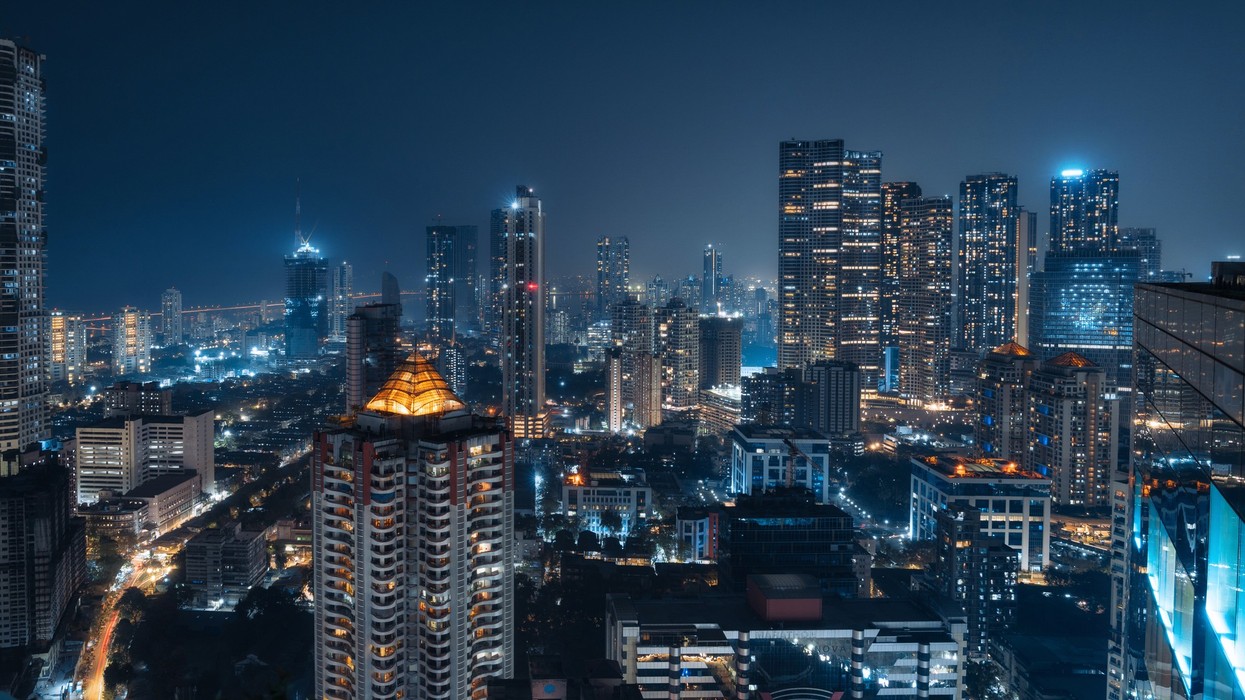
The project in Visakhapatnam, a port city in Andhra Pradesh also known as Vizag, is championed by India as a cornerstone of its technological ambitions.
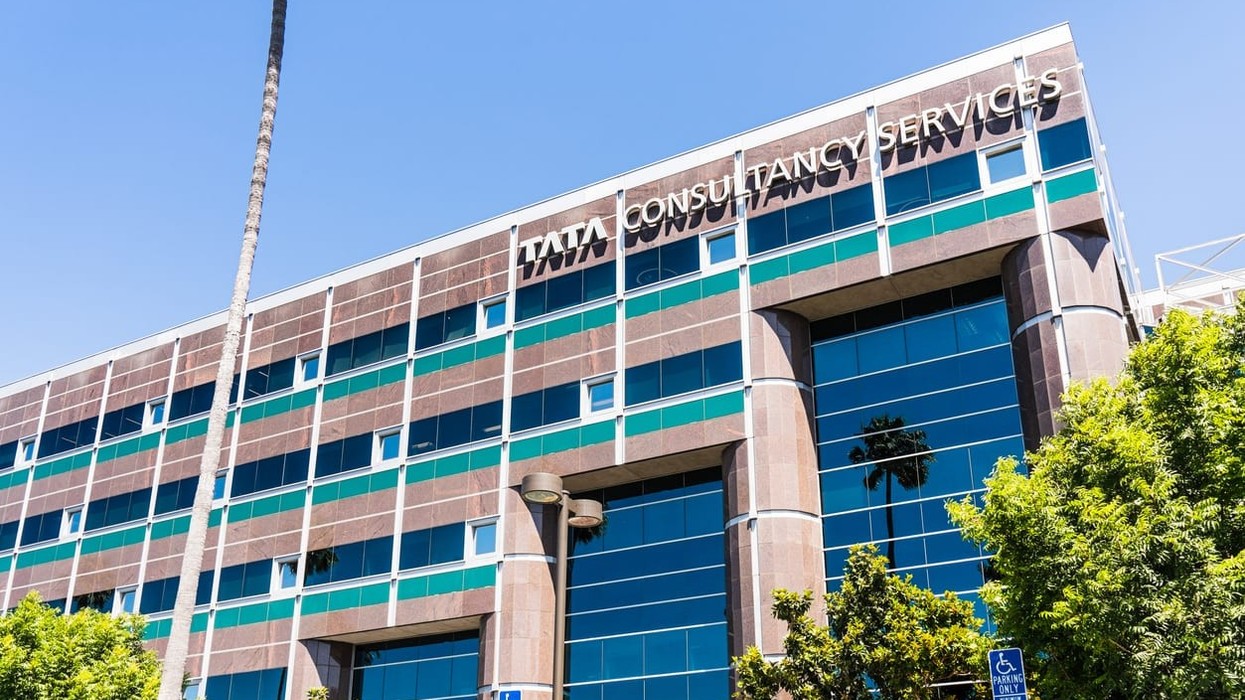
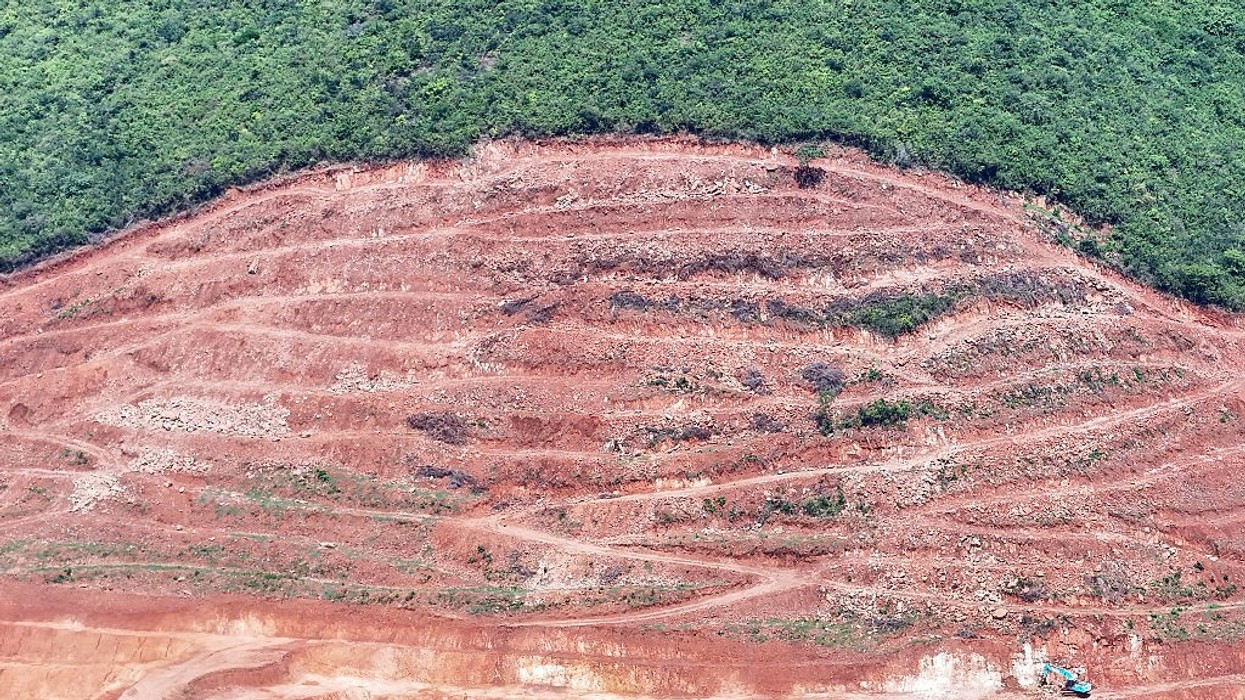
Excavators have swung into action, clearing forest and farmland on the southeastern coast for Google’s $15 billion project, its largest data centre outside the United States.
The tech giant said its “gigawatt-scale” AI facility in the state will use air-cooling systems rather than water from an area already facing shortages.
Alexander Smith, Google’s head of infrastructure and energy for the Asia-Pacific region, said the company takes questions raised by the public seriously. “Independent environmental assessments – covering grid stability, power supply, water risk, ecology, acoustics and more – are conducted 12 to 24 months before a project begins,” he said.
“If there is insufficient power in a location, or if operating a data centre would mean taking power away from a community, Google will either find ways to develop more power, or it will not build there.”
The data centre, Google’s biggest “AI hub” outside the United States, is set to become operational in 2028.
But many residents fear the data centre, one of several huge new tech sites in Vizag, will strain water and power resources, damage the environment and bring too few jobs in return.
Farmer Chandala Sadamma said that when she sees the red-earth scars where her plot of mango and cashew trees once stood, “I feel like crying”.
She was paid more than $82,000 for the two-acre (0.8-hectare) stretch of land, but the transaction left a bitter taste. “Some company came and, without showing any respect, they took the land and we accepted it,” the 50-year-old said.
Vizag is a landing point for submarine internet cables linking India to Singapore, making the location of the 600-acre site, equivalent to more than 340 football pitches, ideal.
Activists in Andhra Pradesh are also demanding a moratorium on new data centres across the state until independent environmental and social impact assessments are published.
“The United States has a huge coast... They can simply set it up there,” Gutta Rohith of the local campaign group Human Rights Forum said at a meeting of around 150 people.
“Why are they coming here?”
Opposition to data centres, including in the United States, often focuses on the use of local water resources to cool hot servers.
Google said its data centre will generate $688 million in local economic activity each year and support about 4,200 jobs during construction, with hundreds of specialist jobs once operational in 2028.
The Andhra Pradesh government also said it expects “188,000 direct and indirect jobs to be generated”.
But Rohith said the economic benefits would not necessarily trickle down from the warehouse-like facilities.
“We need mass employment and labour-intensive industries, not high-capital industries.”
As AI use accelerates, construction of power-hungry data centres is booming worldwide, especially in Asia.
Critics said the facilities will add to demand on electricity grids still heavily reliant on planet-warming fossil fuels and place new pressure on often-stretched local water supplies used to cool hot servers.
Google’s water assessment for Visakhapatnam “pointed to pressure on the local watershed”, Smith said.
“That finding shaped our choice of cooling configuration from the outset,” with “advanced air cooling” chosen instead of water cooling.
“For the freshwater consumed by non-cooling facility needs, Google is committed to replenishing 120 percent of the volume we consume across our operations by 2030,” he added.
Despite its widespread internet and app use generating nearly a fifth of the world’s digital data, India has only about three per cent of global data-centre capacity, government figures show.
Andhra Pradesh technology minister Nara Lokesh, in an interview with AFP in February, spoke of investment agreements worth $175bn involving 760 projects and vowed to “execute these projects at a pace that the country has never seen”.
Lokesh also insisted that “residential requirements will always be prioritised over data centres”, according to a statement. “The water needs of our people will always come first.”
Visakhapatnam environmental campaigner EAS Sarma, a former senior government official who worked in the power and finance ministries, has called for a water audit by an independent agency. “Civilisations have vanished because of water shortages,” he warned. (AFP)