
Highlights:
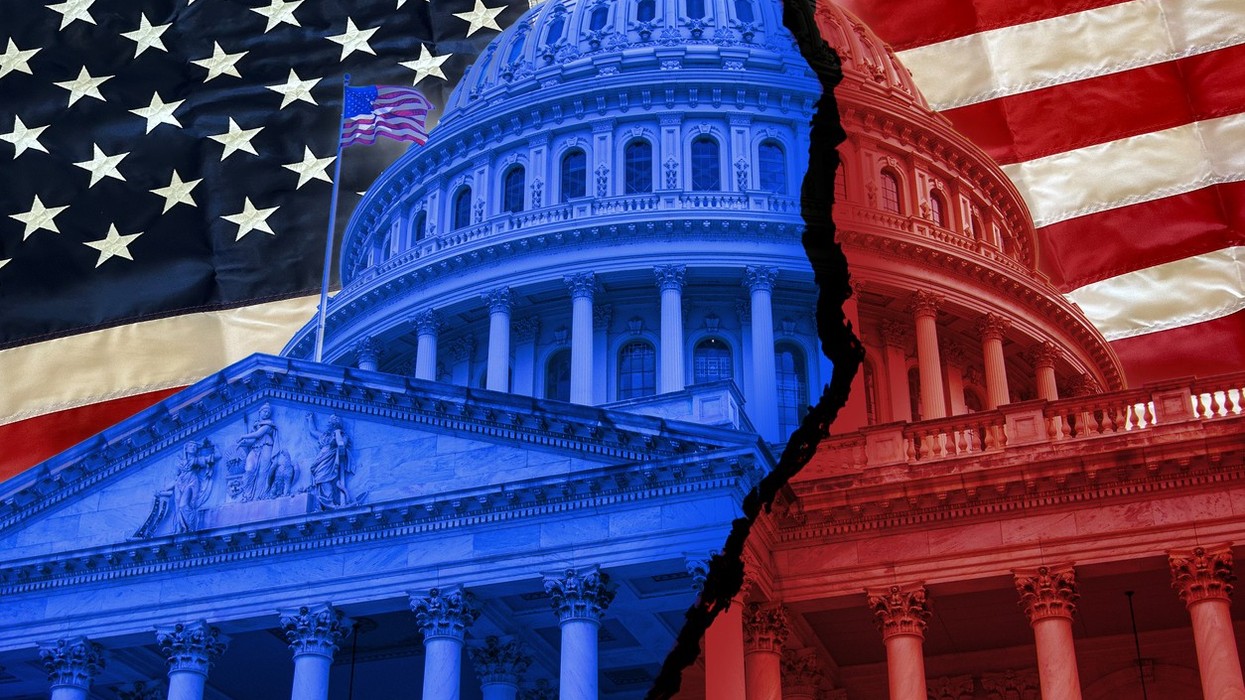
A group of 19 US lawmakers, led by Indian-American Congressman Ro Khanna and Congresswoman Deborah Ross, has called on president Donald Trump to immediately repair America's strained relationship with India by reversing the administration's new 50 per cent tariff on Indian goods.
In a joint letter sent Wednesday (8) the lawmakers warned that the tariff hikes have damaged US-India ties and hurt both American consumers and manufacturers. “These tariffs will push India to build closer relations with China and Russia,” the letter stated.
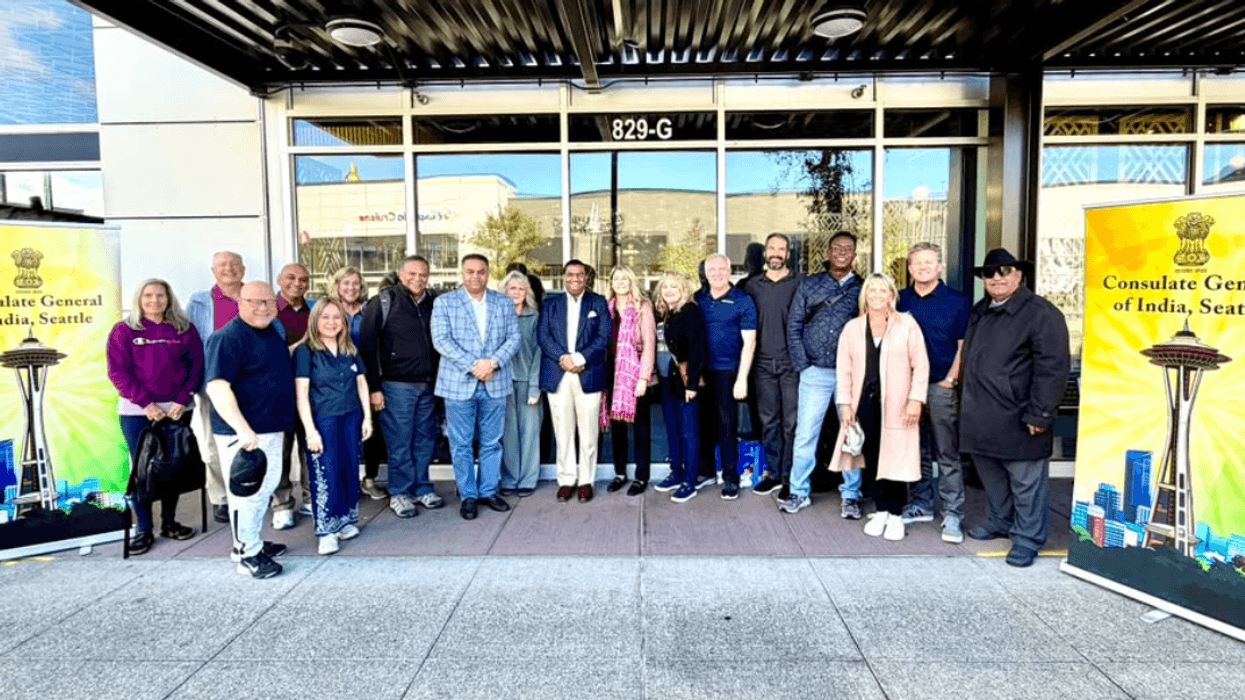
The group emphasized that many of their districts have 'large, vibrant Indian-American communities' with deep cultural and economic connections to India. “Recent actions by your administration have strained relations with the world’s largest democracy, creating negative consequences for both countries,” they wrote, urging Trump to take immediate steps to “reset and repair this critical partnership.”
The letter also highlighted that the US-India trade relationship supports hundreds of thousands of jobs across both nations. Lawmakers stressed that India's growing influence in the Indo-Pacific, particularly through its participation in The Quad alliance with the US, Japan, and Australia, makes the partnership strategically vital for maintaining balance against China's expanding influence.
The signatories included several prominent Indian-American legislators, Raja Krishnamoorthi, Suhas Subramanyam, Pramila Jayapal, and Shri Thanedar, alongside other members of Congress.
Their message echoed similar warnings from other lawmakers who have accused president Trump of weakening US national security by alienating India and inadvertently pushing it toward Russia and China.
The group concluded by urging the White House to review and roll back the tariff policy, stressing that cooperation between the world's two largest democracies is essential for global stability and mutual prosperity.