

Six Sri Lankan artefacts taken by the Dutch over 200 years ago during the colonial era were repatriated to the island nation on Wednesday (29).
The Netherlands, which colonised Sri Lanka from 1658-1796, returned the artefacts stolen in 1756.
A Sri Lankan Airlines flight from Frankfurt arrived on Wednesday with the six artefacts, officials said.
“During a high-level state visit in August, Dutch State Secretary Hon. Gunay Uslu formally signed an ownership transfer of six Sri Lankan artefacts that were stolen by the Dutch,” a Netherlands embassy press release said.
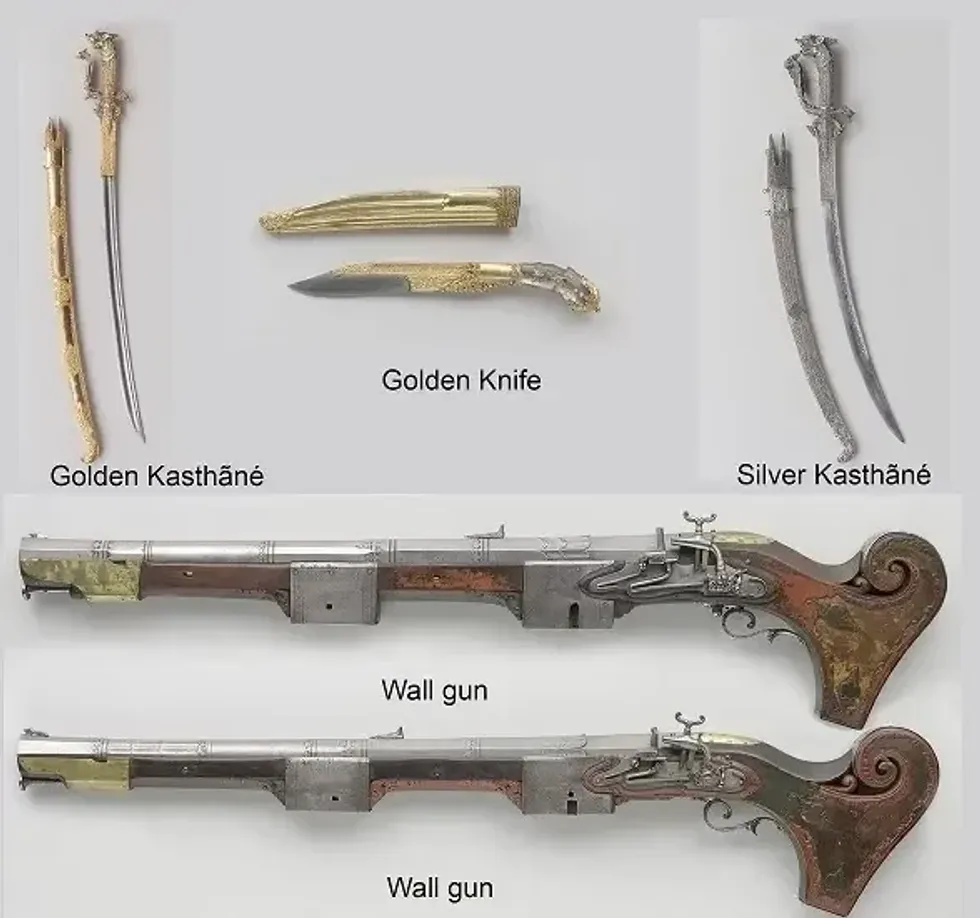 A golden and a silver kasthãné or sabre, a golden knife, two maha thuwakku or wall guns and Lewke Disave’s cannon-all belonging to the Kandyan kingdom, now found in the Rijksmuseum collection were confirmed to be war booty, obtained by the Dutch East India Company (VOC) during the siege of the palace of Kandy in 1765 – image credit: museum.gov.lk website
“Now, after more than 200 years abroad, six Sri Lankan artefacts will be physically returned to Sri Lanka during a two-day event at the Colombo National Museum on December 5 and 6.”
The artefacts include a cannon inlaid with gold, silver, and bronze, known as “Lewke’s cannon,” according to the NewsFirst.lk news portal.
The Dutch Ambassador for International Cultural Cooperation, Dewi van de Weerd, will lead a mission overseeing the handover on behalf of the Netherlands.
With the restitution, the Netherlands aims to strengthen the bilateral ties with Sri Lanka while also coming to terms with its colonial past, the press release said.
As a part of this, the ambassador hopes to discuss possibilities for further strengthening the cultural cooperation between the Netherlands and Sri Lanka, the embassy said.
(PTI)
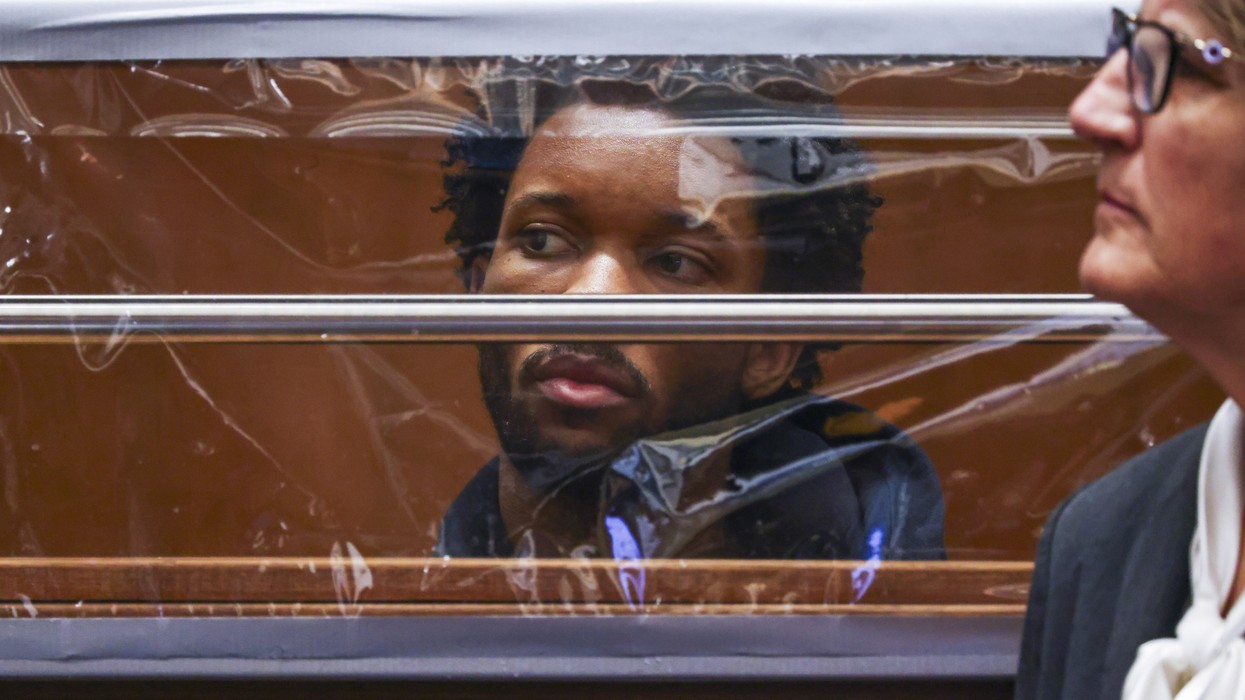

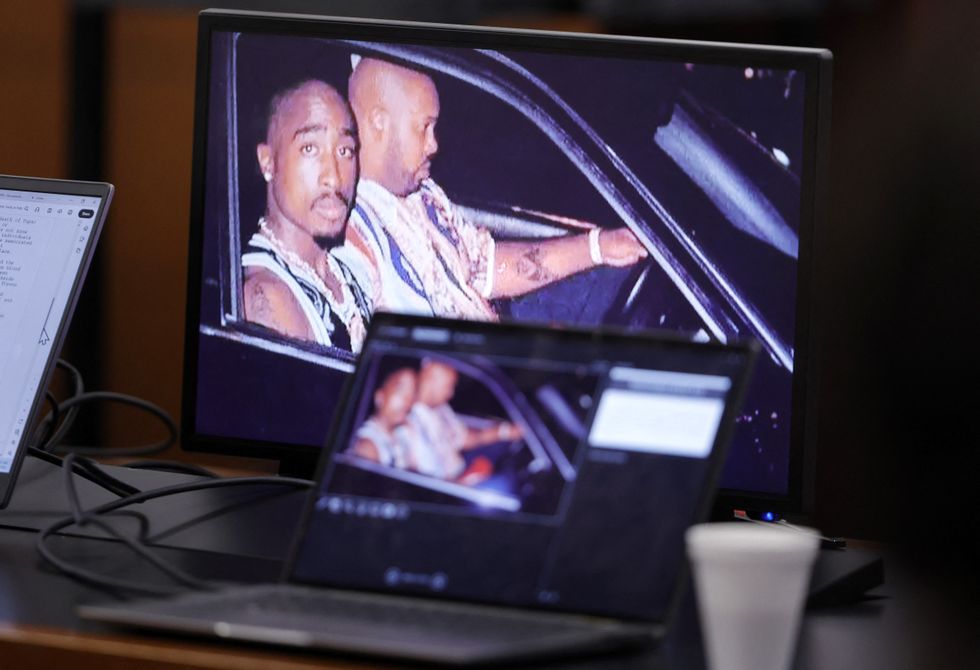 A 1996 photo of rapper Tupac Shakur (L) and Marion "Suge" Knight is shown on screens during closing arguments in the Duane Davis murder trial, related to the 1996 killing of rapper Tupac Shakur, at Clark County District Court at the Regional Justice Center in Las Vegas, Nevada, on August 31, 2026. Getty Images



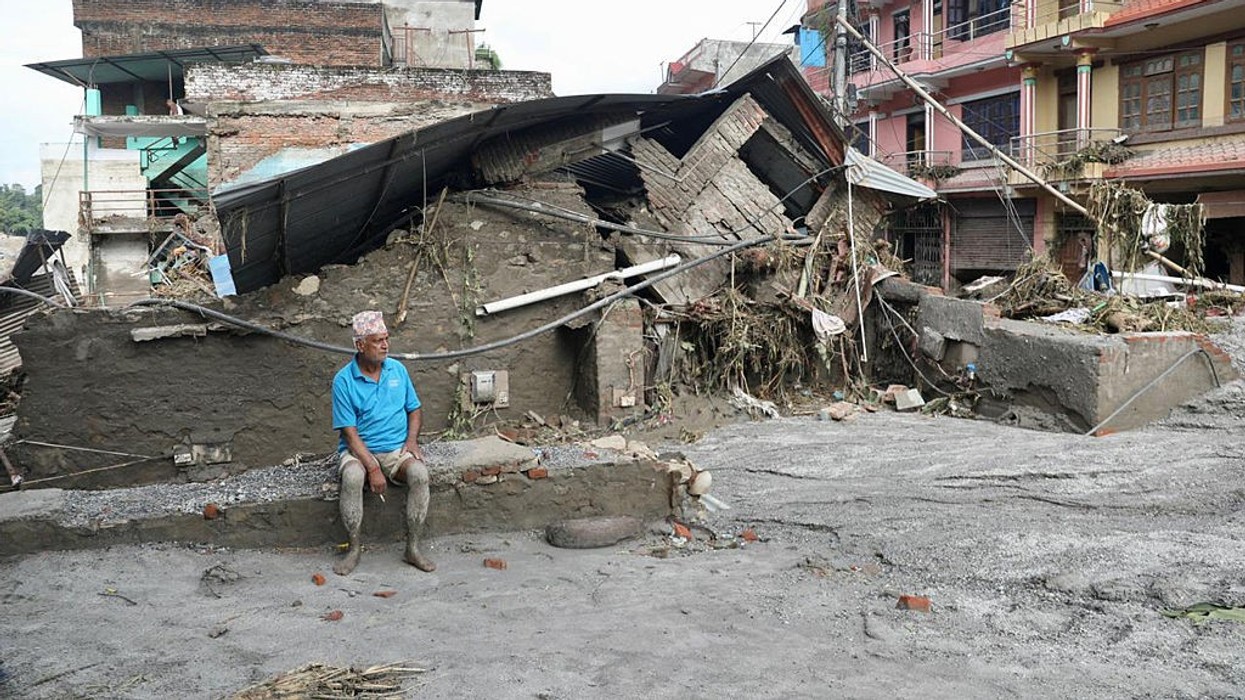
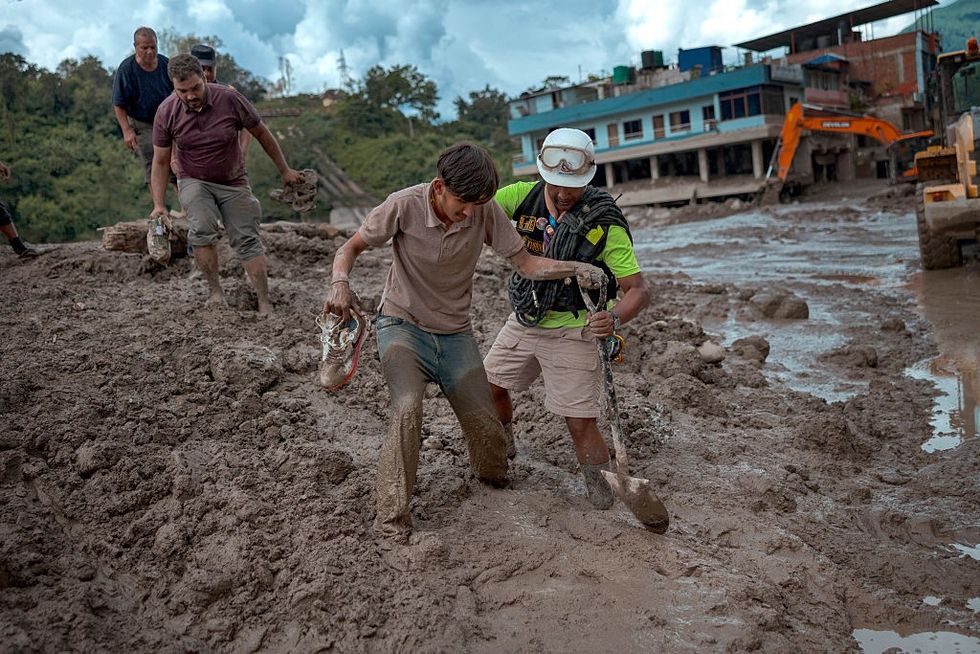 A rescuer assists a resident through heavy mud following flash floods on August 27, 2026 in Trishuli, Nepal. A sudden flood swept through the Bhote Koshi River basin in northern Rasuwa on August 26, damaging settlements, roads and energy infrastructure as rescue teams searched for residents and foreign travellers reported out of contact. Hundreds were reported missing, as the death toll started to climb.Getty Images
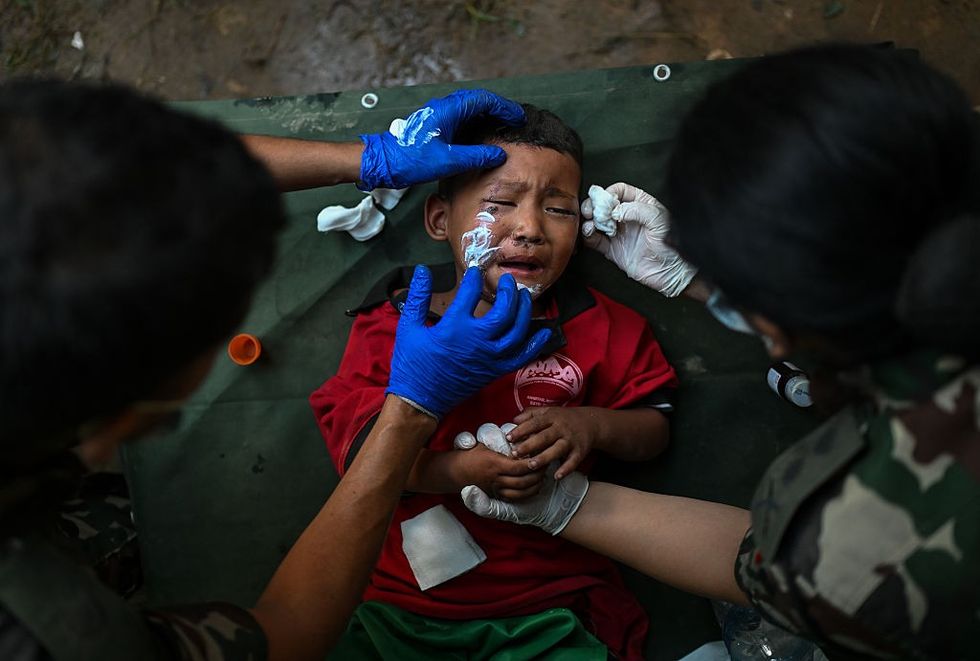 Rescue personnel provide medical treatment to a child at an army rescue camp in Trishuli Batar, Nepal, on August 27, 2026. A sudden flood swept through the Bhote Koshi River basin in northern Rasuwa on August 26, damaging settlements, roads and energy infrastructure, as rescue teams searched for residents and foreign travellers reported out of contact. Hundreds were reported missing as the death toll began to climb. Getty Ima
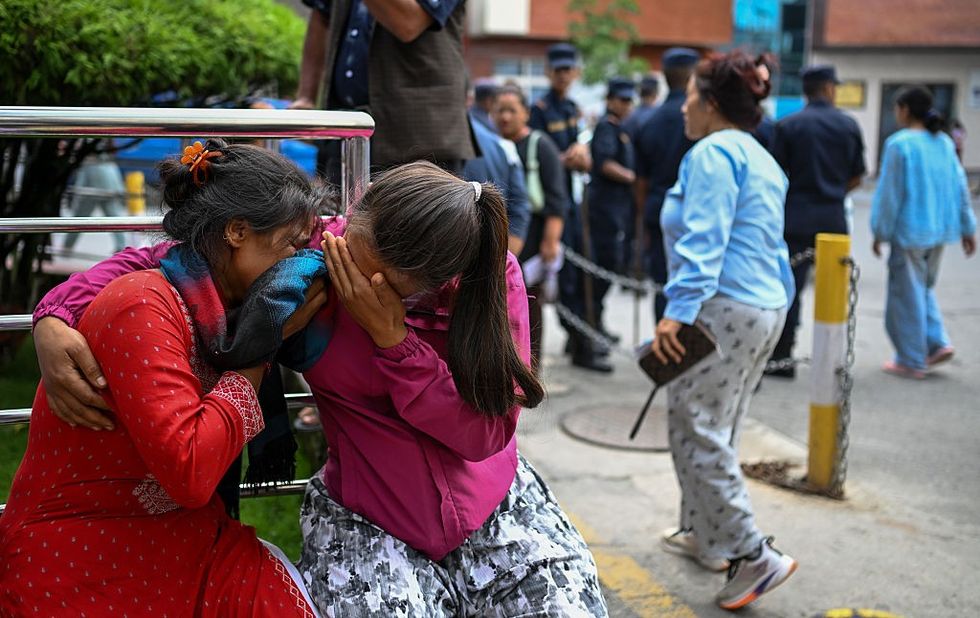 Family members of missing flood victims react at the emergency ward of the Maharajgunj Medical Campus, part of the Tribhuvan University Teaching Hospital, on August 28, 2026 in Kathmandu, Nepal. Authorities said the flash floods were triggered after a mass of ice, mud and rock collapsed into a Himalayan river near the Nepal-China border, leaving hundreds dead or missing and causing widespread damage in affected districts. Authorities continued the gruelling search for victims, many buried under metres of mud, as both China and Nepal issued fresh flooding alerts.Getty Images