Highlights:
- Trump imposes a one-time $100,000 fee on new H-1B visa applications.
- Indian American Impact calls the policy “xenophobic” and harmful to U.S. competitiveness.
- Nearly 72 per cent of H-1B visas go to Indian professionals, crucial for STEM talent.
- H-1B workers contribute $86B annually to the U.S. economy but often don’t benefit from Social Security.
- Experts warn of strained US-India ties and lost talent to competitors like China.
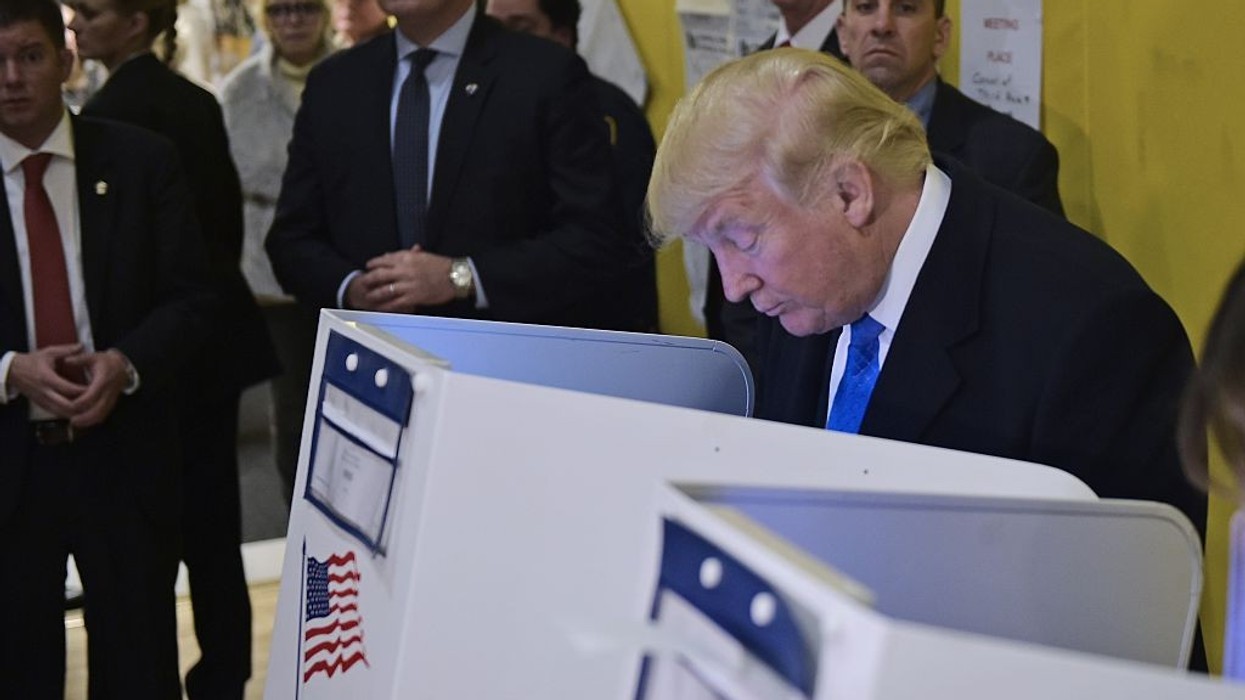
President Donald Trump’s order imposing a one-time $100,000 fee on H-1B visa applications is “not about protecting American jobs but about weaponizing immigration policy to advance a xenophobic agenda,” according to Indian American Impact, a leading advocacy group.
The group said the announcement has sparked panic among skilled workers and families, especially those dealing with emergencies abroad. “By targeting H-1B holders, Trump is sabotaging our economic future and fueling discrimination against Indian Americans and all immigrant communities across the country,” said Chintan Patel, Executive Director of Indian American Impact.
The organization, which works to empower Indian and South Asian Americans, warned that the policy will “threaten America’s global leadership” by undermining the high-skilled workforce that drives innovation. Patel called the new fee a “direct attack” on the very workers who fuel the U.S. economy, saying it will lead to separated families, stalled careers, and destabilized communities.
Attorney Navneet Chugh highlighted that India produces over 1.5 million engineering graduates every year and accounts for nearly 72 per cent of all approved H-1B visas. “These workers are the backbone of America’s strategy to fill critical shortages in STEM fields,” Chugh said. He emphasized that H-1B workers contribute $86 billion annually to the U.S. economy, $24 billion in taxes, and $25 billion to Social Security and Medicare—often without ever benefiting from these systems.
Chugh warned that the policy could harm U.S.-India relations, even as China invests heavily in talent retention. “The United States risks alienating its most important democratic ally in Asia while strengthening competitors who understand the value of human capital,” he said.
A report from The Harvard Crimson noted that Harvard alone could face over $10 million in annual costs under this rule if it continues sponsoring more than 100 H-1B applicants each year. The Harvard International Office said it is still assessing the impact.