
Highlights:
US president Donald Trump has acknowledged that his administration's immigration crackdown may have gone too far, raising questions about whether Indian immigrants, particularly technology workers, could see a change in the policies affecting their lives and careers in the United States.
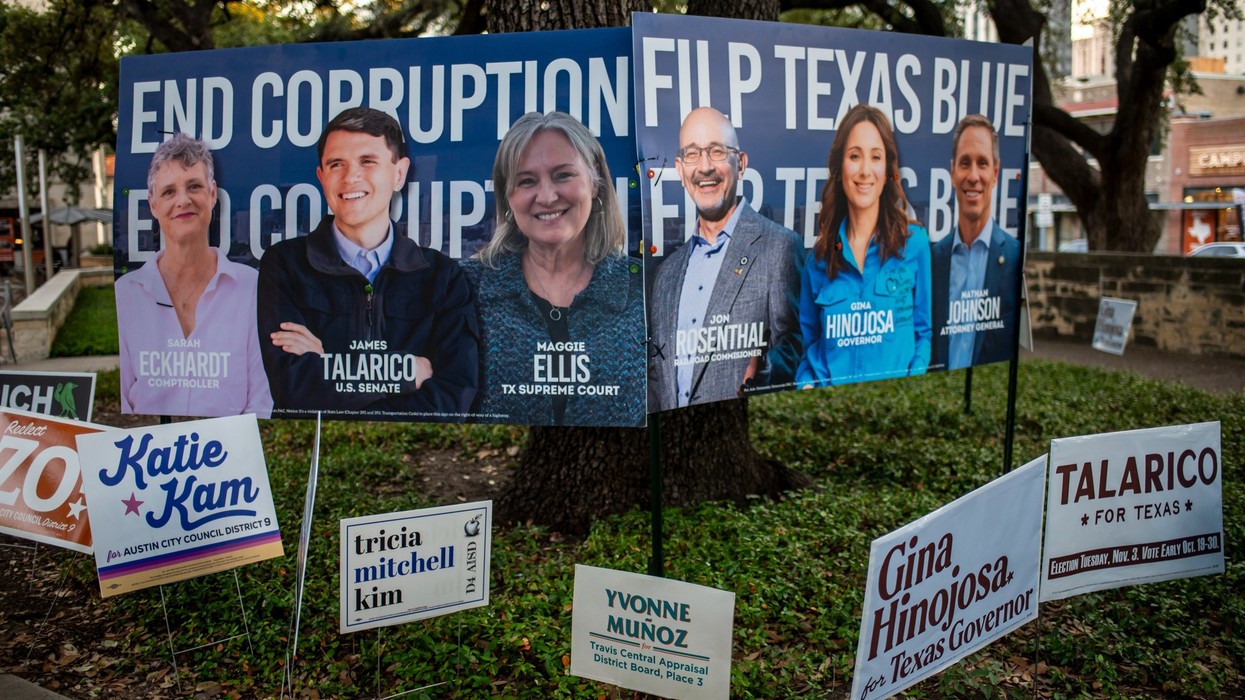
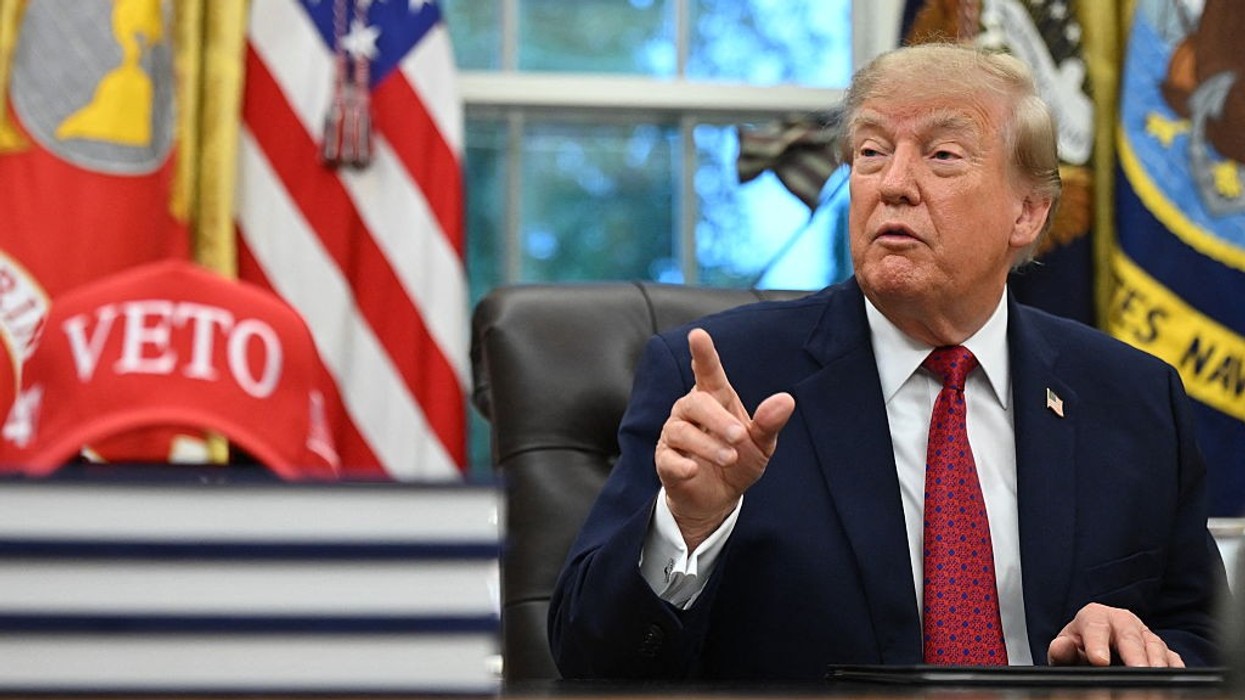
In an interview with CBS's 60 Minutes, recorded on Friday and broadcast on Sunday (8), Trump admitted that his deportation approach might have been “too tough”. His comments came after Republicans suffered a major setback in the November 3 midterm elections, with Democrats winning control of both the House of Representatives and the Senate.
For Indian immigrants, the remarks offer a possible indication of a change in political messaging. However, they do not yet signal a change in immigration policy.
Why Trump's comments matter to Indian immigrants
Indian nationals have been among those affected by the Trump administration's hard-line immigration policies, particularly workers in the technology sector.
For many Indian professionals, the US is an important destination for employment and long-term career opportunities. Uncertainty surrounding immigration enforcement can affect not only workers but also their families, employers and future plans.
Trump's comments suggest that his administration may be facing political pressure over how it handles people who are living and working in the country.
During the interview, he acknowledged that the crackdown had both helped and hurt Republicans electorally. While he believed voters approved of stronger border enforcement and the removal of people who had committed serious offences, he recognised that others were uncomfortable with workers being deported for immigration violations despite having established jobs.
“I think it was too tough,” Trump said.
He also pointed to people working in landscaping companies, hotels and other businesses, arguing that some Americans believed people who had built working lives in the country should be allowed to remain.
This distinction is particularly relevant to the immigration debate involving Indian workers. Trump's remarks suggest he recognises that voters may distinguish between people they consider a security concern and immigrants who contribute to the economy.
However, his comments did not announce any specific exemptions or protections for Indian nationals.
Will Indian technology workers benefit?
Indian technology professionals have been among the groups affected by the administration's restrictive immigration approach. Trump's latest remarks could raise expectations that the government may reconsider some aspects of its enforcement strategy.
However, there is no confirmation of changes to immigration rules or enforcement procedures.
The timing of another appointment has also raised questions about the direction of policy. Shortly after recording the interview, Trump appointed Stephen Miller, known for his hard-line views on immigration, as his chief of staff.
Miller's appointment could indicate that the administration is not preparing for a major departure from its existing approach, despite Trump's acknowledgment that the crackdown may have been too severe.
For Indian workers, the distinction between political statements and actual policy changes will therefore be important. Until formal changes are announced, Trump's comments should not be interpreted as a guarantee of greater immigration security.
Why the midterm election results matter
Trump attributed the Republican losses partly to dissatisfaction with the Iran war, rising gasoline prices and immigration enforcement.
He said he believed his administration had received strong approval for securing the US border but acknowledged that deportations involving people with jobs had also created opposition.
The election results suggest that immigration enforcement has become a politically complicated issue, particularly when it affects people who are employed and contributing to local communities.
Whether this translates into a different approach towards immigrants will depend on the administration's decisions in the coming months.
What happens next?
For Indian immigrants, Trump's comments are significant because they acknowledge concerns about the impact of strict immigration enforcement on working people.
But there is a difference between admitting that a policy was too tough and actually changing it.
The appointment of Stephen Miller, alongside Trump's continued support for border enforcement, suggests that the administration's broader immigration priorities remain an important part of its agenda.
Indian professionals and families in the US will therefore be watching for concrete announcements on immigration rules and enforcement rather than relying solely on the president's latest remarks.