
Highlights:
- Trump said Iran agreed to stop executions after his request
- Eight women protesters were facing execution
- Four women will be released immediately
- Four others will serve one-month prison sentences
- Trump publicly thanked Iran for the decision
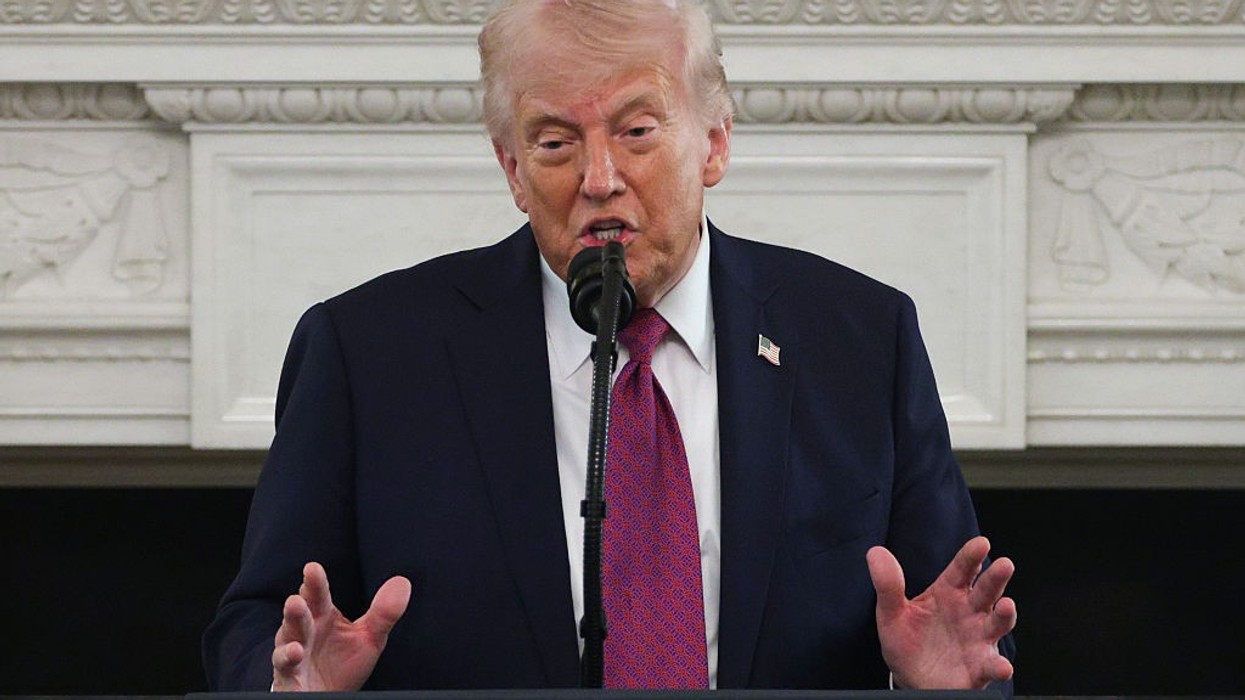
President Donald Trump said on Thursday (23) that Iran has decided not to execute eight women protesters after he made a request. He shared this update in a post on Truth Social, where he described the outcome as a positive development.
According to Trump, the situation involved eight women who had been facing execution. After his appeal, Iranian authorities agreed to change the punishment. Trump said that four of the women will be released immediately. The remaining four will instead serve a prison sentence of one month.
In his post, Trump stated that his request played a role in influencing the decision. He presented the outcome as a result of direct communication and intervention. Trump also expressed appreciation toward Iran for responding to his appeal and for stopping the executions.
The case had drawn attention due to the severity of the punishment the women were facing. Trump’s statement emphasized that the decision marked a shift from execution to lesser penalties. He described the agreement as an important step and highlighted the release of four individuals as a key part of the outcome.
Trump’s message focused on the timeline of events, explaining that the decision came after he made his request. He did not provide further details about the charges against the women or the circumstances of their arrest. However, he stressed that the result was significant because it prevented the executions from taking place.
He also made it clear that the four women who are not being released will only serve a short sentence. The one-month prison term represents a reduced punishment compared to what had originally been expected. Trump framed this change as a positive resolution.
In his post, Trump thanked Iran for agreeing to halt the executions. He acknowledged their decision and described it as an act of cooperation following his appeal. His message suggested that the outcome was achieved through dialogue rather than conflict.
The announcement has drawn attention because it involves both international relations and human rights concerns. Trump’s statement did not include additional context beyond his request and Iran’s response. Instead, it focused on the outcome and the immediate impact on the eight women.
Overall, Trump’s post highlighted what he described as a successful intervention. He emphasized that lives were spared and that the women would face significantly reduced consequences. The release of four women and the short prison terms for the others were presented as the key results of the situation.
The development, as shared by Trump, reflects a change in the fate of the eight protesters. His message centered on the idea that the executions were stopped and replaced with less severe outcomes following his involvement.

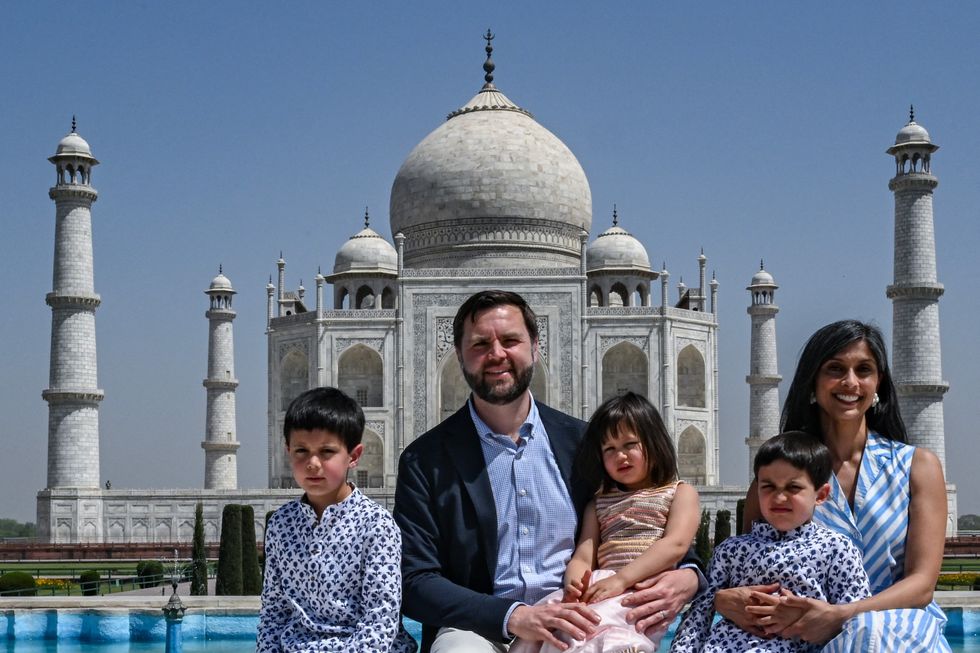 The couple during their visit to the Taj Mahal in Agra earlier this yearxx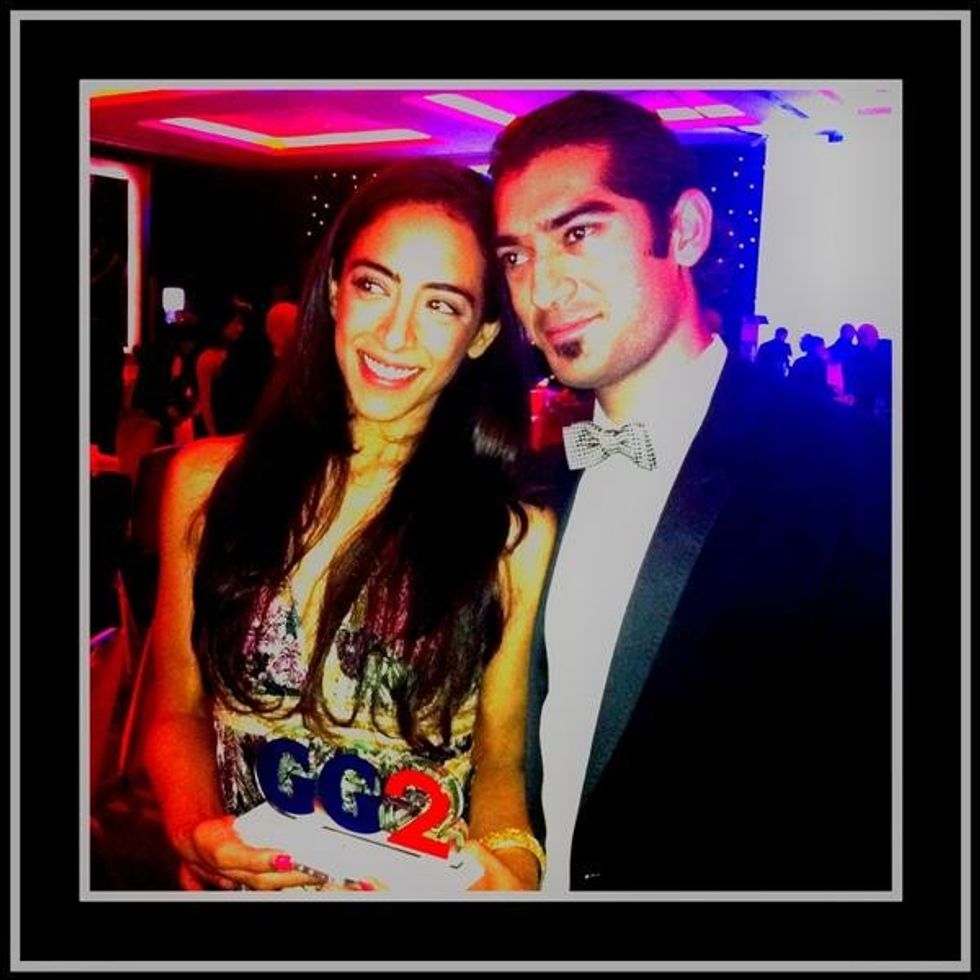


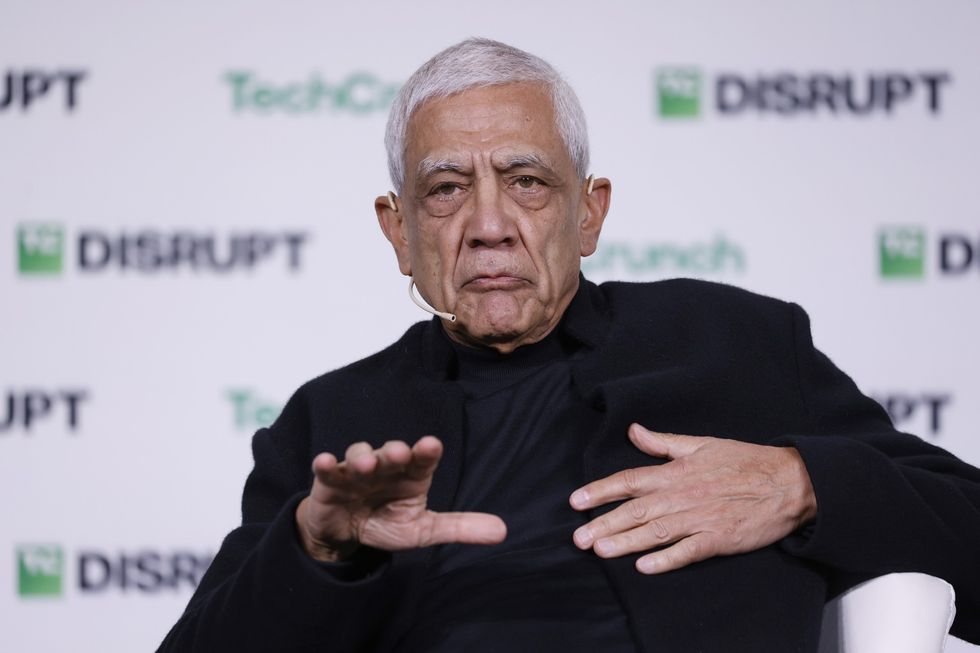 SAN FRANCISCO, CALIFORNIA - OCTOBER 28: Vinod Khosla, Founder, Khosla Ventures, speaks onstage during day two of TechCrunch Disrupt 2025 at Moscone Center on October 28, 2025 in San Francisco, California. (Photo by Kimberly White/Getty Images for TechCrunch)Getty Images
 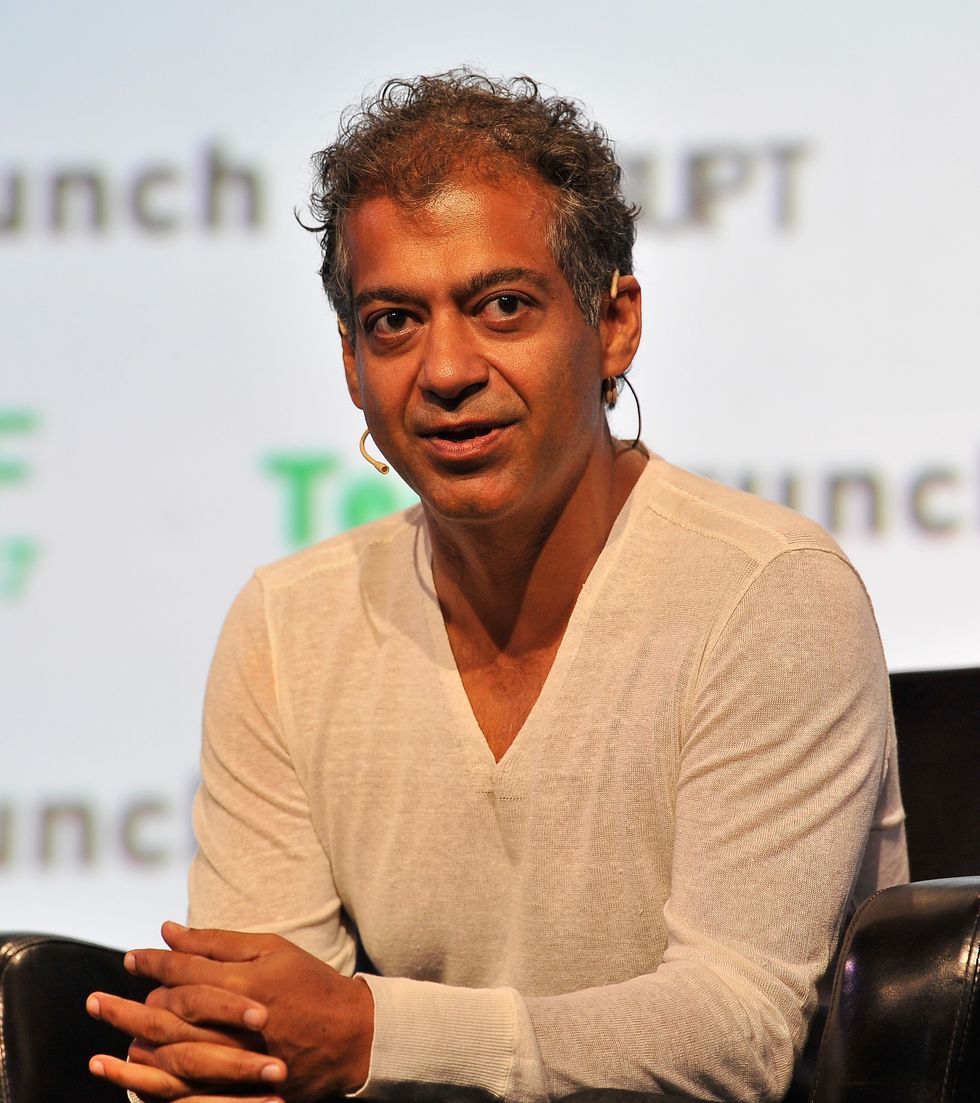 SAN FRANCISCO, CA - SEPTEMBER 18: AngelList Co-Founder and CEO Naval Ravikant speaks onstage during TechCrunch Disrupt SF 2017 at Pier 48 on September 18, 2017 in San Francisco, California. (Photo by Steve Jennings/Getty Images for TechCrunch)Getty Images
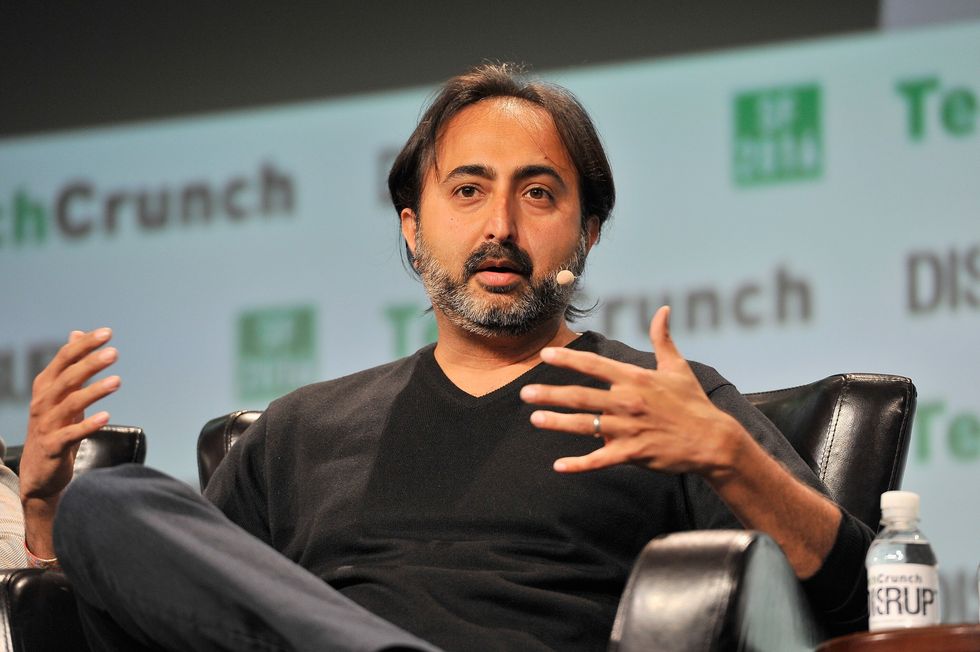 SAN FRANCISCO, CA - SEPTEMBER 14: Managing Director of General Catalyst Hemant Taneja speaks onstage during TechCrunch Disrupt SF 2016 at Pier 48 on September 14, 2016 in San Francisco, California. (Photo by Steve Jennings/Getty Images for TechCrunch)Getty Images
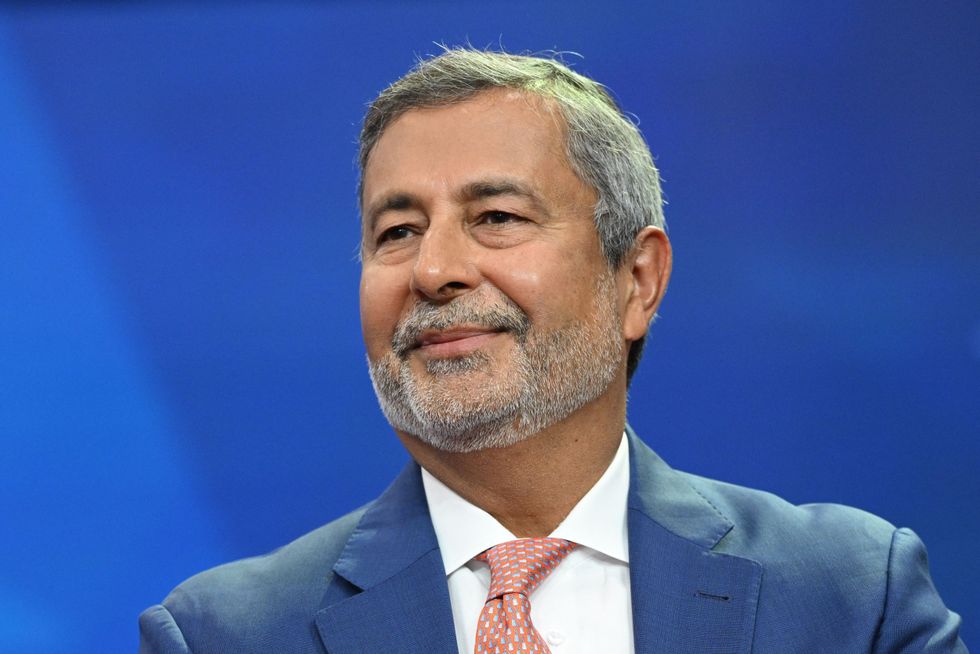 CEO of Micron Technology Sanjay Mehrotra, listens to US President Joe Biden speak about manufacturing, at the SRC Arena and Events Center of Onondaga Community College in Syracuse, New York on October 27, 2022. (Photo by MANDEL NGAN / AFP) (Photo by MANDEL NGAN/AFP via Getty Images)Getty Images
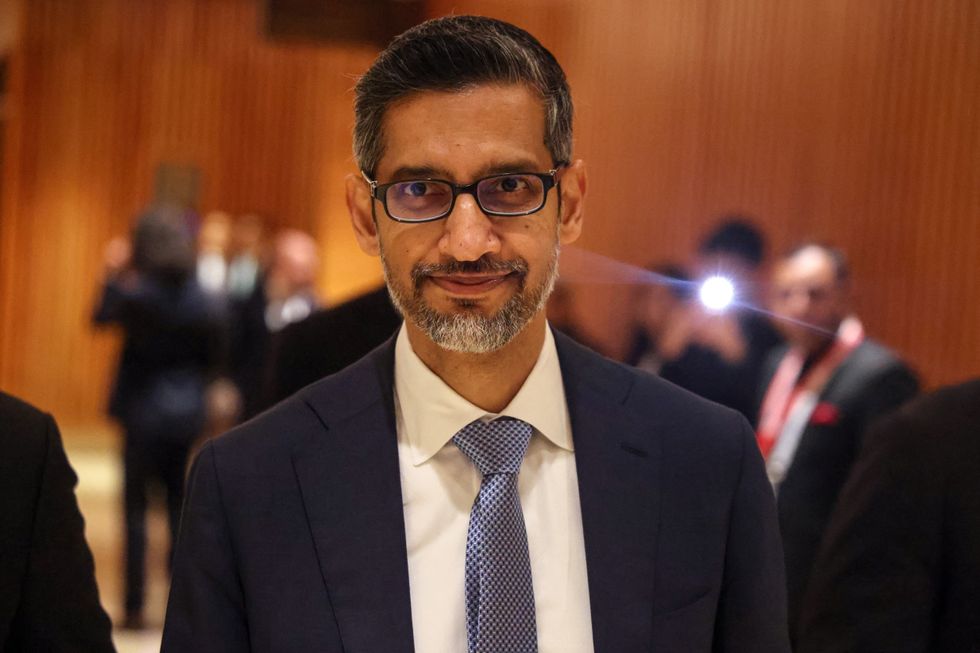 Google CEO Sundar Pichai looks on during the AI Impact Summit in New Delhi on February 19, 2026. (Photo by Ludovic MARIN / AFP via Getty Images)Getty Images
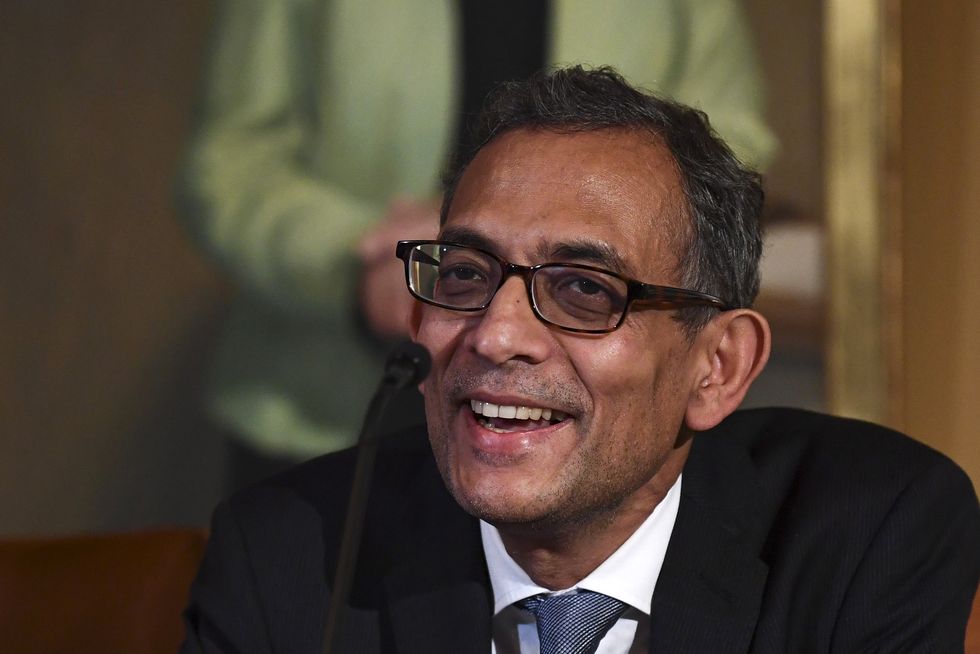 Indian born Abhijit Banerjee, laureate of Prize in Economic Sciences in Memory of Alfred Nobel 2019, speaks during a press conference with the Nobel physics, chemistry and economics laureates at the Royal Swedish Academy of Sciences, on December 7, 2019 in Stockholm, Sweden. (Photo by Jonathan NACKSTRAND / AFP) (Photo by JONATHAN NACKSTRAND/AFP via Getty Images)Getty Images
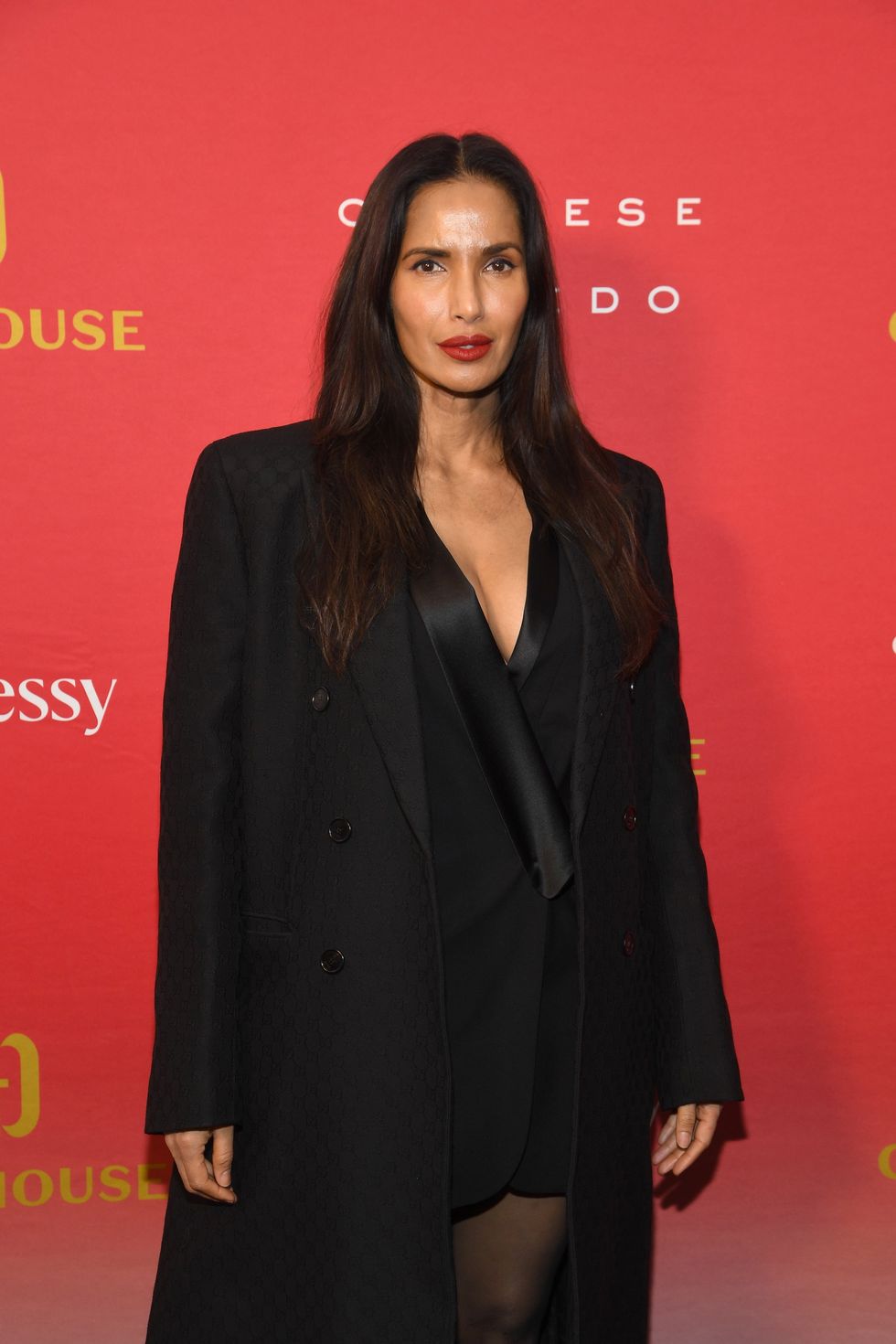 NEW YORK, NEW YORK - FEBRUARY 12: Padma Lakshmi attends Gold House's Lunar New Year Gold Celebration at Chinese Tuxedo on February 12, 2026 in New York City. (Photo by Noam Galai/Getty Images for Gold House)Getty Images
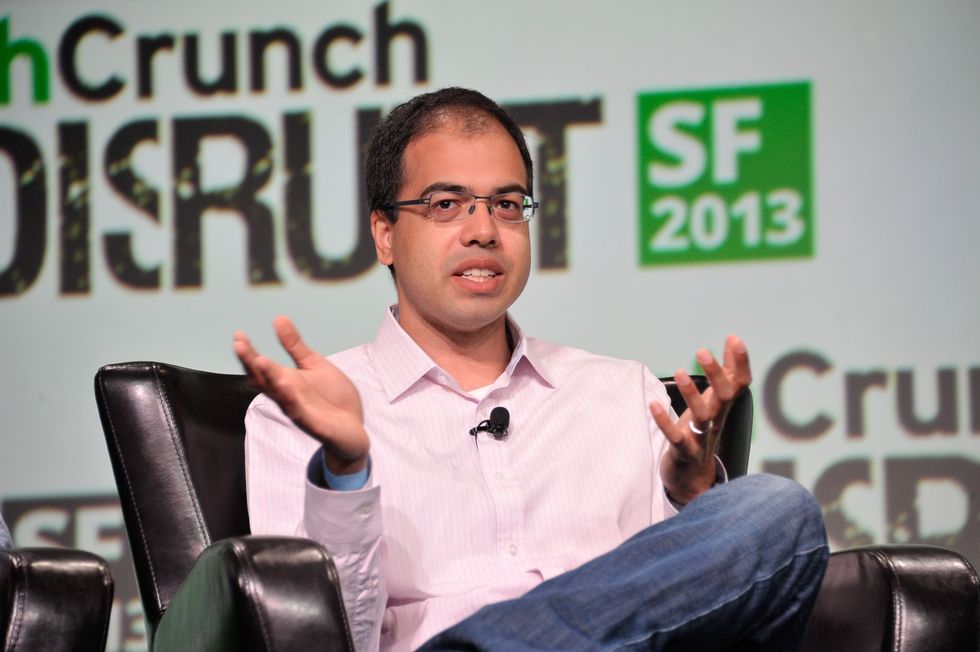 SAN FRANCISCO, CA - SEPTEMBER 10: Sanjit Biswas attends Day 2 of TechCrunch Disrupt SF 2013 at San Francisco Design Center on September 10, 2013 in San Francisco, California. (Photo by Steve Jennings/Getty Images for TechCrunch) Getty Images
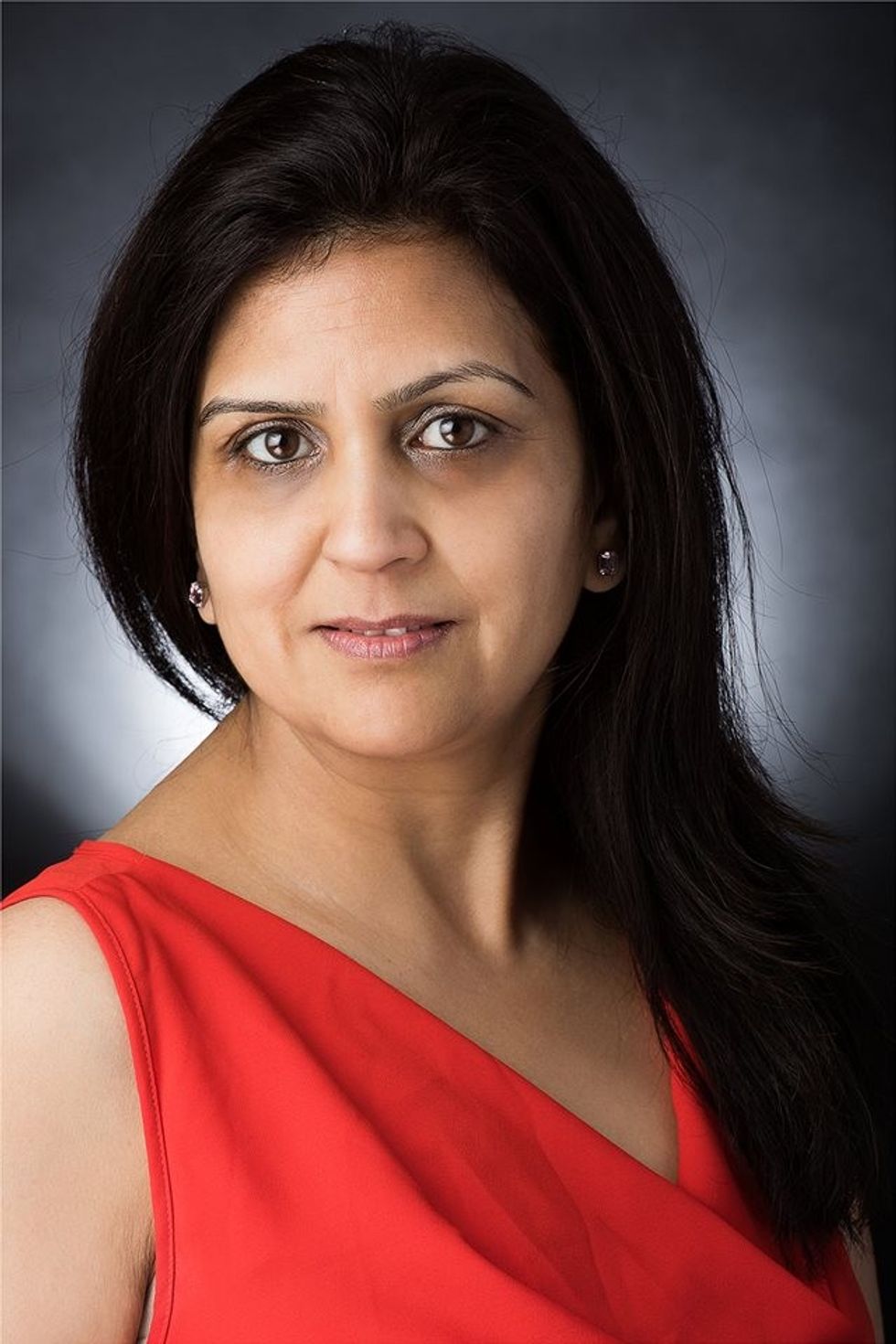 Neerja Sethi (Photo credits: iMDB)
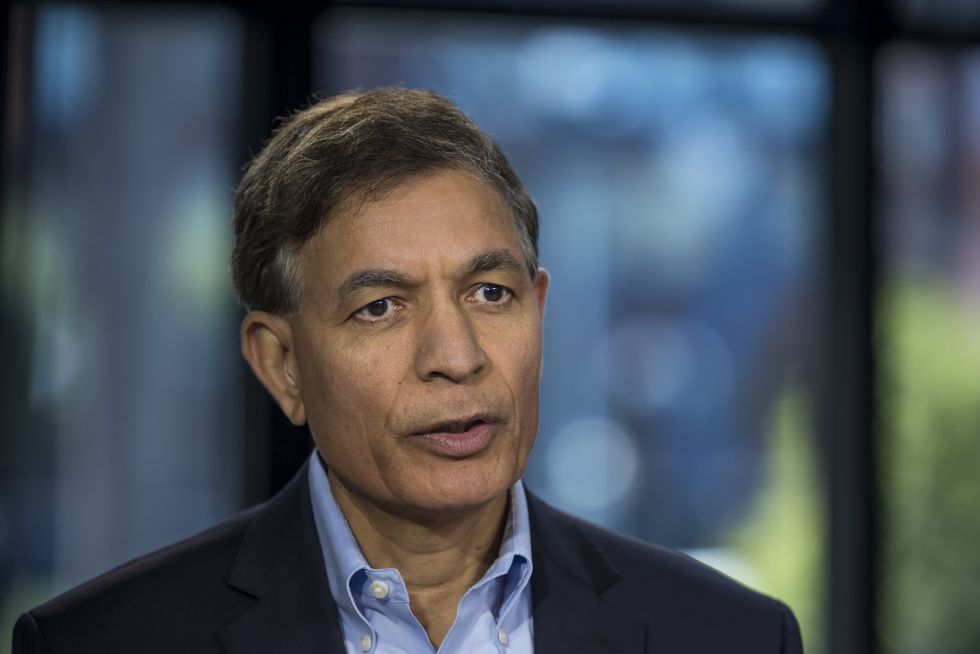 Jay Chaudhry(Photo credits:
 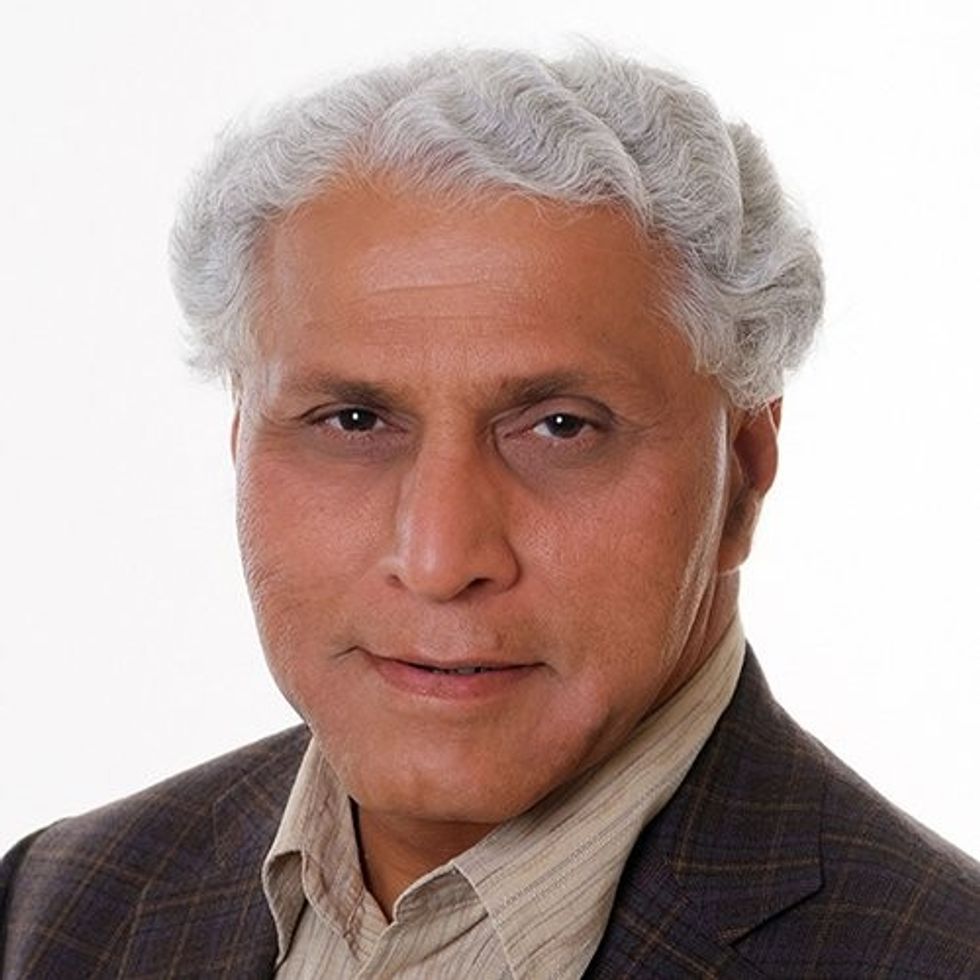 Romesh T Wadhwani(Photo credits: www.csis.org)