
- Trump said “both sides must take their time and get it right”.
- The proposed deal includes a 60-day ceasefire extension.
- Talks also focus on reopening the Strait of Hormuz.
- US and Iranian officials said progress has been made.
- Some Republicans criticized the proposed agreement.
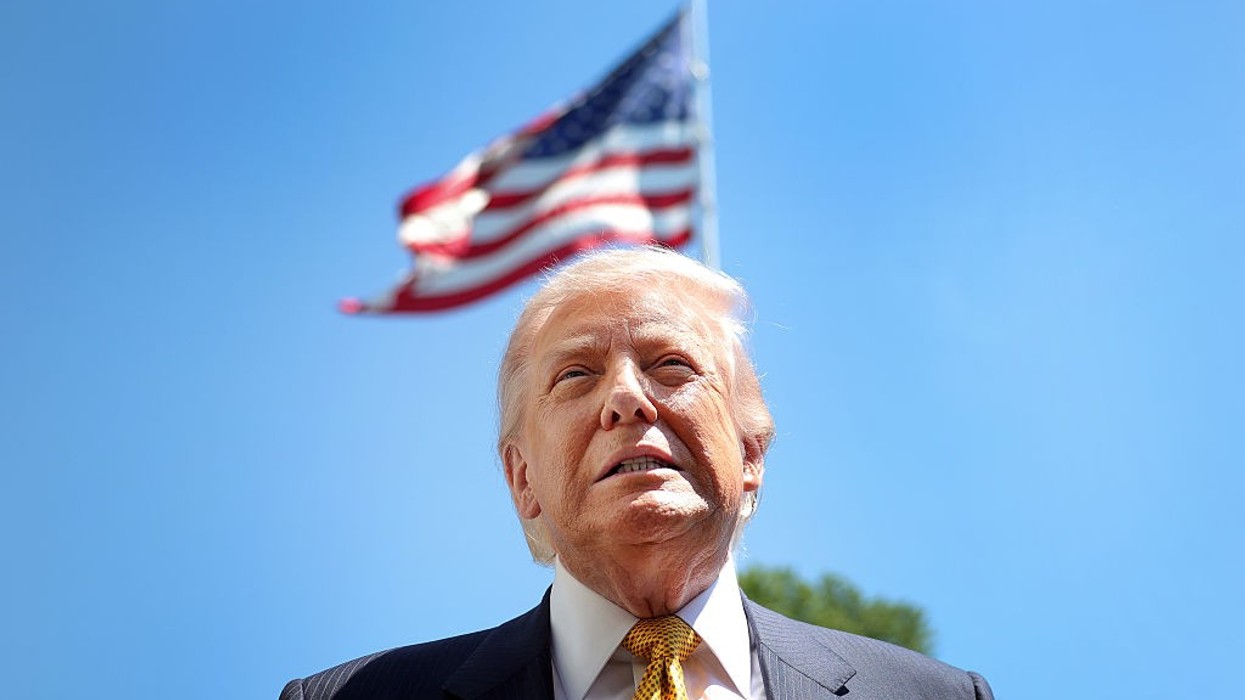
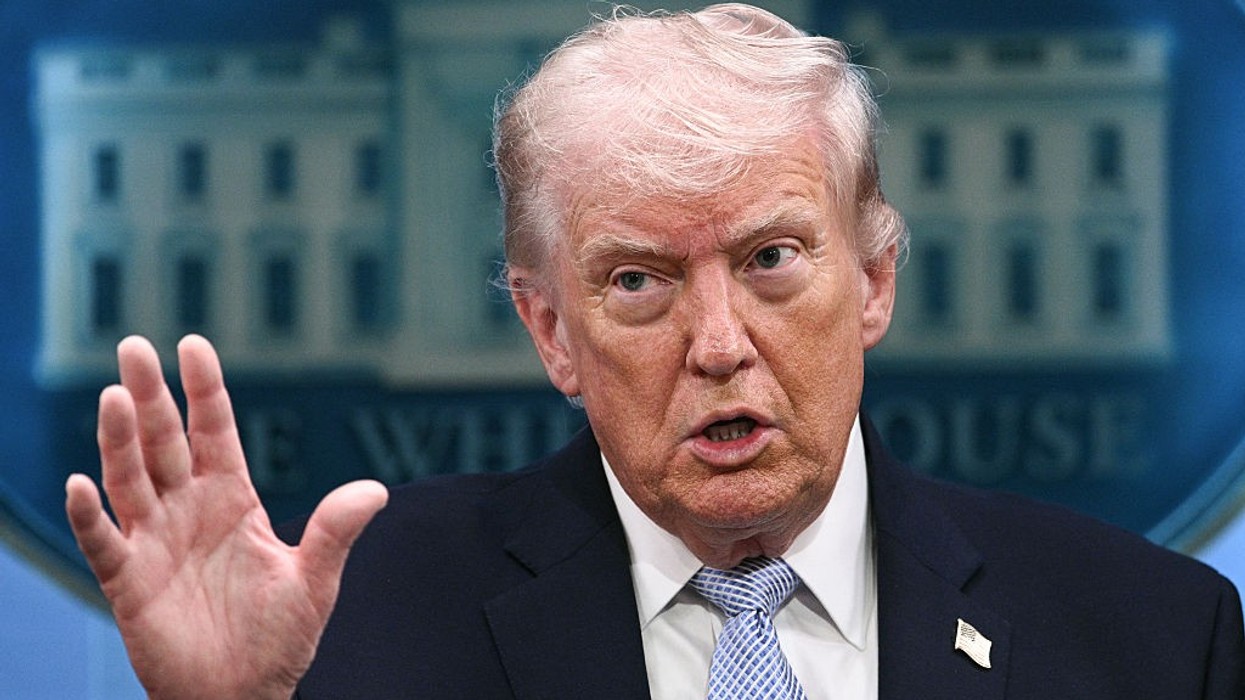
President Donald Trump said he has instructed negotiators “not to rush into a deal” with Iran, even after earlier comments suggested that an agreement was close.
The proposed agreement reportedly includes a 60-day ceasefire extension, the reopening of the Strait of Hormuz, and plans for more negotiations about Iran’s nuclear program.
In a social media post, Trump said “constructive” talks were continuing but added that “both sides must take their time and get it right”.
On Saturday (23), Trump said the agreement had been “largely negotiated”, which led to speculation that an announcement could come soon.
Iranian officials also gave positive signals over the weekend. Foreign ministry spokesperson Esmail Baghaei said the two sides are both “very close and very far” from reaching an agreement.
According to US media reports, the current proposal is not a final settlement. Several difficult issues would still need to be discussed later. These include the scope and timing of sanctions relief for Iran, the release of frozen Iranian funds, and US demands that Iran reduce its nuclear activities.
On Monday (25), US Secretary of State Marco Rubio told reporters in India that there was a “pretty solid thing on the table in terms of their ability to open up the strait” and “enter into a very real, significant, time-limited negotiation on the nuclear matter.”
The reported deal has divided Republicans. Some lawmakers believe the proposal is too soft on Iran.
Senator Ted Cruz called it “a disastrous mistake”. Roger Wicker, chairman of the Senate Armed Services Committee, said a 60-day ceasefire would mean “everything accomplished by Operation Epic Fury would be for naught!”
However, Representative Mike Lawler defended the administration’s approach. He said the administration had managed to “force the remnants of this regime into a negotiation, a real negotiation”.
The US and Israel launched major strikes on Iran on February 28, causing conflict across the Middle East. Iran responded with attacks on Israel and US-allied Gulf states. Iran also effectively closed the Strait of Hormuz, a key shipping route for global oil and liquefied natural gas. About 20 per cent of the world’s oil and LNG pass through the strait. The closure caused global oil prices to rise sharply.
After a ceasefire agreement was reached in early April, the US set up a blockade of Iranian ports. Trump said the blockade will remain “in full force and effect until an agreement is reached, certified, and signed”.
In his Truth Social post on Sunday (24), Trump again said Iran “must understand” that it cannot develop a nuclear weapon. Iran has repeatedly said its nuclear program is only for peaceful purposes.
Some US media reports said the agreement could eventually require Iran to hand over its highly enriched uranium.
At the start of the conflict, Iran reportedly had about 440kg of uranium enriched to 60 per cent purity. That level is close to weapons-grade enrichment of 90 per cent, which could theoretically allow the creation of a nuclear bomb.
Iranian President Masoud Pezeshkian said on state television that Iran was ready “to assure the world that we are not after a nuclear weapon.”