

INDIA'S Narendra Modi government faced a new challenge over ‘Agnipath’, its radical recruitment plan for the armed forces, as people with aspirations to serve in the Indian Army took to the streets across the country to violently protest against the scheme.
They disrupted rail and road traffic in several parts of the northern state of Bihar for the second successive day on Thursday (16). A train was targeted by the protesters who smashed its windows with their batons at Bhabua Road railway station and set one compartment on fire.
They also displayed a banner saying ‘Indian Army lovers’ and raised slogans rejecting the new recruitment plan which was unveiled earlier this week.
At Arrah railway station, the police had to use teargas to disperse a huge crowd of protesters after they pelted stones at them. Visuals showed railway staff members using fire extinguishers to douse a fire which was sparked by the protesters by throwing furniture on railway tracks and setting them on fire.
In Jehanabad, also in Bihar, students pelted stones that resulted in injury to many, including the lawkeepers who chased them off the railway tracks where they tried to disrupt the railway traffic. Even the lawkeepers were found throwing stones at the protesters in retaliation.
From Bihar, the protests also spread to other states, including Uttar Pradesh and Haryana.
The protesters have been demanding withdrawal of the 'Agnipath' scheme under which the youth will get a four-year tenure in the army. They will also get monetary benefits at the end of their tenure. The new recruitment plan aims to reduce the government’s massive salary and pension bills and free up funds that can be used for arms procurement.
The aspirants were unhappy saying under the changes introduced -- particularly the length of service -- there will be no provision for pension for those released early. Moreover, the 17.5-21 age restriction also made many of the protesters ineligible for the service.
They demanded that the rescruitment should be as it was earlier, claiming that nobody would go to the army just for a period of four years.



 A 1996 photo of rapper Tupac Shakur (L) and Marion "Suge" Knight is shown on screens during closing arguments in the Duane Davis murder trial, related to the 1996 killing of rapper Tupac Shakur, at Clark County District Court at the Regional Justice Center in Las Vegas, Nevada, on August 31, 2026. Getty Images




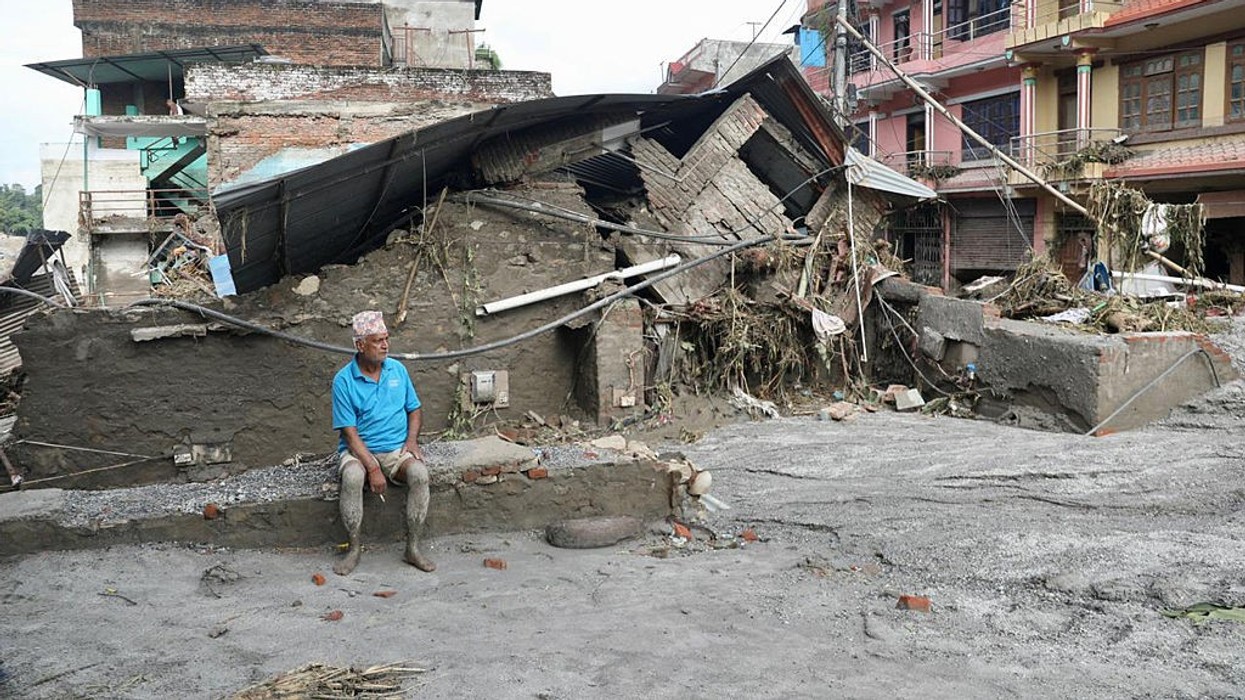
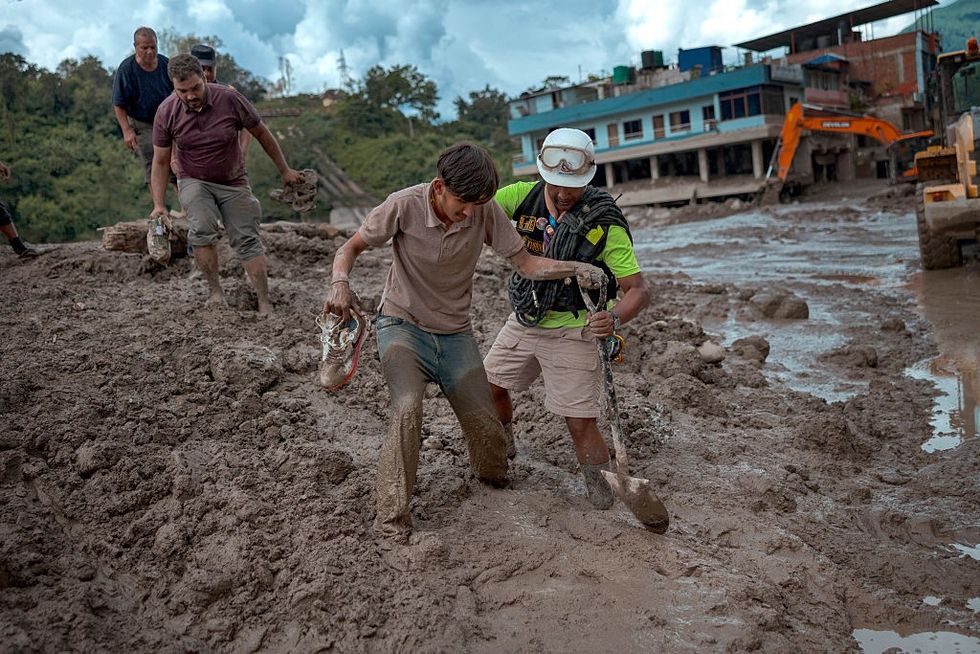 A rescuer assists a resident through heavy mud following flash floods on August 27, 2026 in Trishuli, Nepal. A sudden flood swept through the Bhote Koshi River basin in northern Rasuwa on August 26, damaging settlements, roads and energy infrastructure as rescue teams searched for residents and foreign travellers reported out of contact. Hundreds were reported missing, as the death toll started to climb.Getty Images
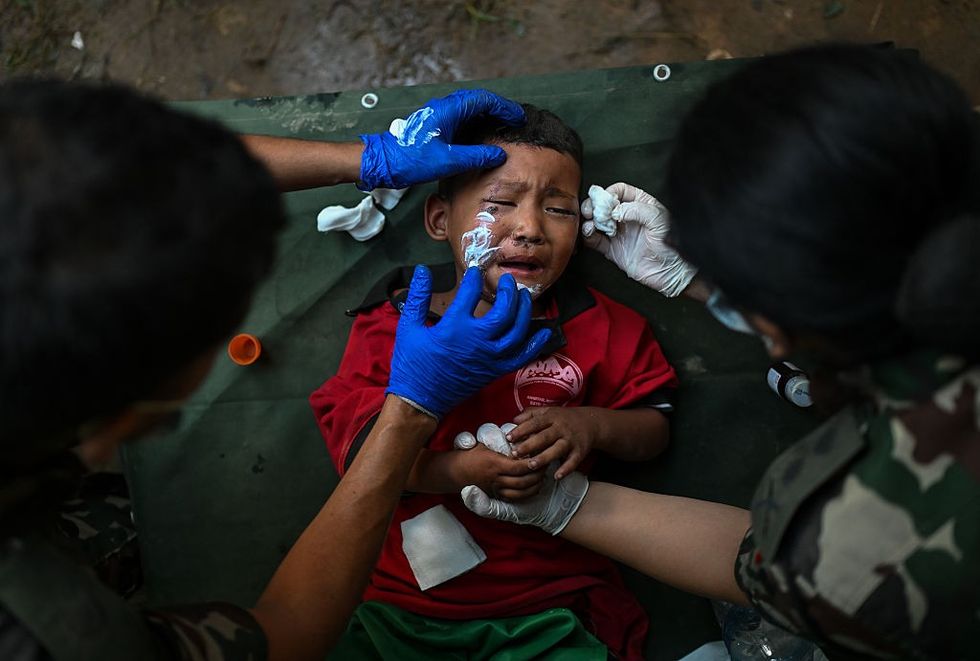 Rescue personnel provide medical treatment to a child at an army rescue camp in Trishuli Batar, Nepal, on August 27, 2026. A sudden flood swept through the Bhote Koshi River basin in northern Rasuwa on August 26, damaging settlements, roads and energy infrastructure, as rescue teams searched for residents and foreign travellers reported out of contact. Hundreds were reported missing as the death toll began to climb. Getty Ima
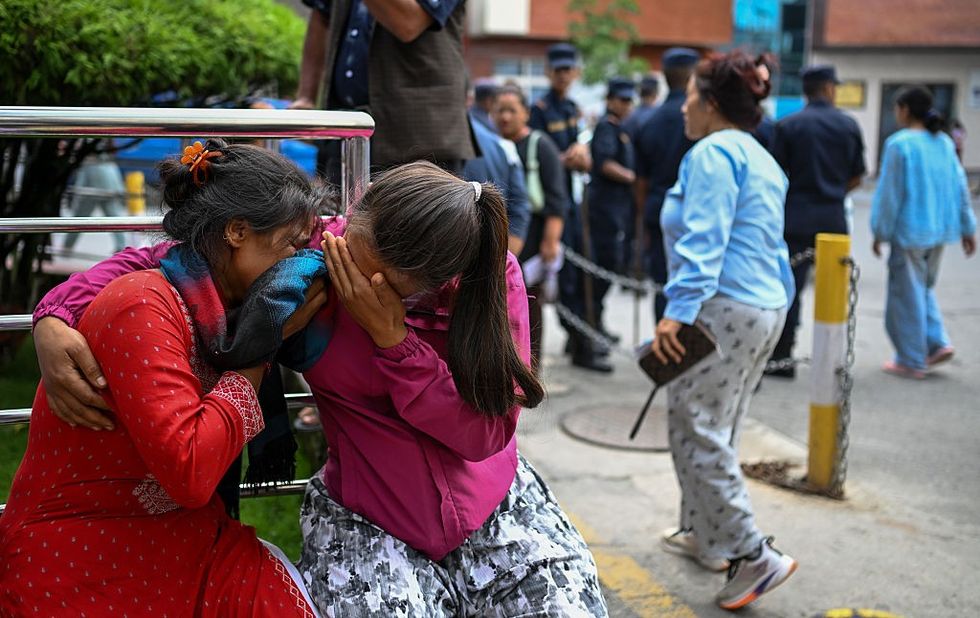 Family members of missing flood victims react at the emergency ward of the Maharajgunj Medical Campus, part of the Tribhuvan University Teaching Hospital, on August 28, 2026 in Kathmandu, Nepal. Authorities said the flash floods were triggered after a mass of ice, mud and rock collapsed into a Himalayan river near the Nepal-China border, leaving hundreds dead or missing and causing widespread damage in affected districts. Authorities continued the gruelling search for victims, many buried under metres of mud, as both China and Nepal issued fresh flooding alerts.Getty Images