

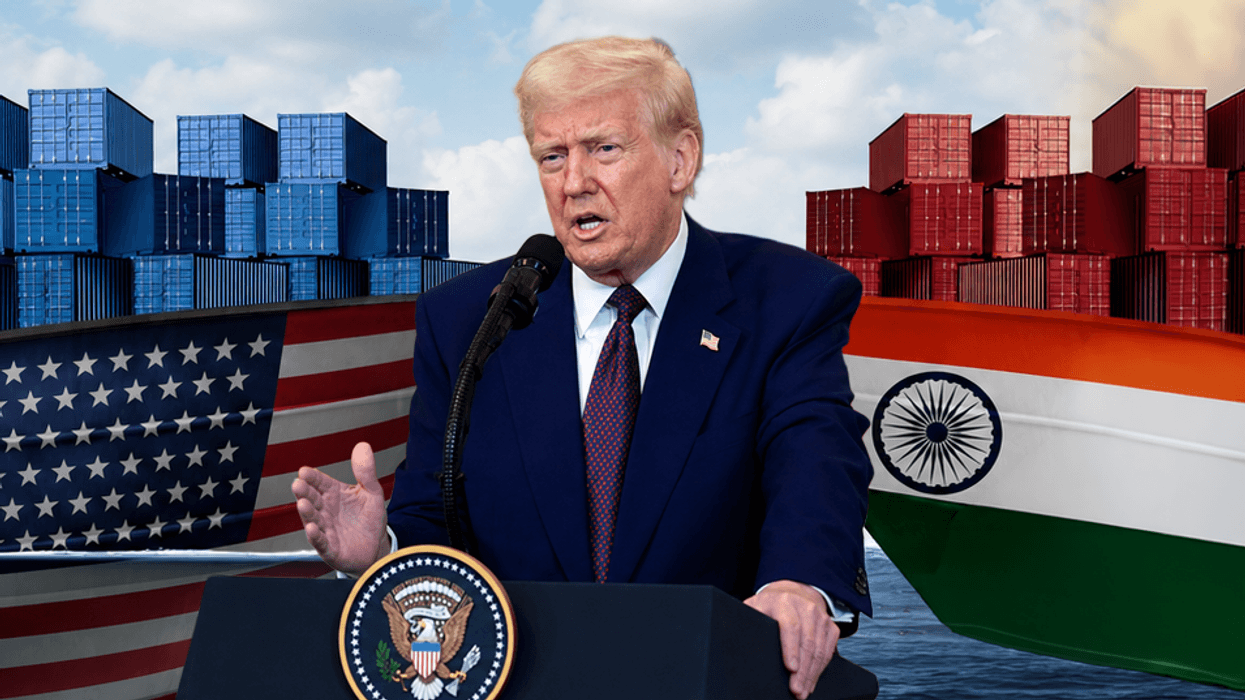
US ambassador to India Eric Garcetti on Monday (20) made a strong pitch for "deeper conversations" between New Delhi and Washington on a regulatory framework on artificial intelligence, saying it could be an example of "multiplicative relationship" between the two democracies.
In an interactive session organised by think tank Observer Research Foundation, Garcetti stressed on the need to "get in front" of artificial intelligence (AI) to avoid facing catastrophic consequences.
He made it clear that while there had been deep conversations on the issue with India, there was no formal proposal yet from either side.
Garcetti noted that US president Joe Biden had spoken strongly on the issue.
Last month, Biden issued an executive order that required AI manufacturers to provide the federal government with an assessment of their applications' vulnerability to cyberattacks, the data used to train and test the AI and its performance measurements.
"If we don't get in front of AI, the consequences, even if it is a small percentage of likelihood, of something catastrophic happening with our official intelligence could be sooner than we believe," Garcetti said.
On the India-US 2+2 dialogue held last week, Garcetti said the two sides took important steps towards strengthening the major defence partnership which continues to grow and increasing the acceleration seen through initiatives such as the US-India roadmap in industrial cooperation and defence.
He stressed that New Delhi and Washington should deepen their Artificial Intelligence (AI) conversation. He pitched for India-US collaboration and cooperation in emerging domains.
"...we sometimes just focus on weapons and what is being sold, or potentially co-developed, but the operational level of our militaries...is as critical as any equipment," he said.
He also said the countries should "discuss ways to deepen our science and our technology partnerships to harness technology for the global good instead of technology that harms us and divides us."
The US envoy said that the joint statement issued after the 2+2 Dialogue reflected the resolve of the US and India to promote resilient rules-based international order to safeguard a free, open and inclusive Indo-Pacific through the QUAD and other metrics, global issues.
(PTI)

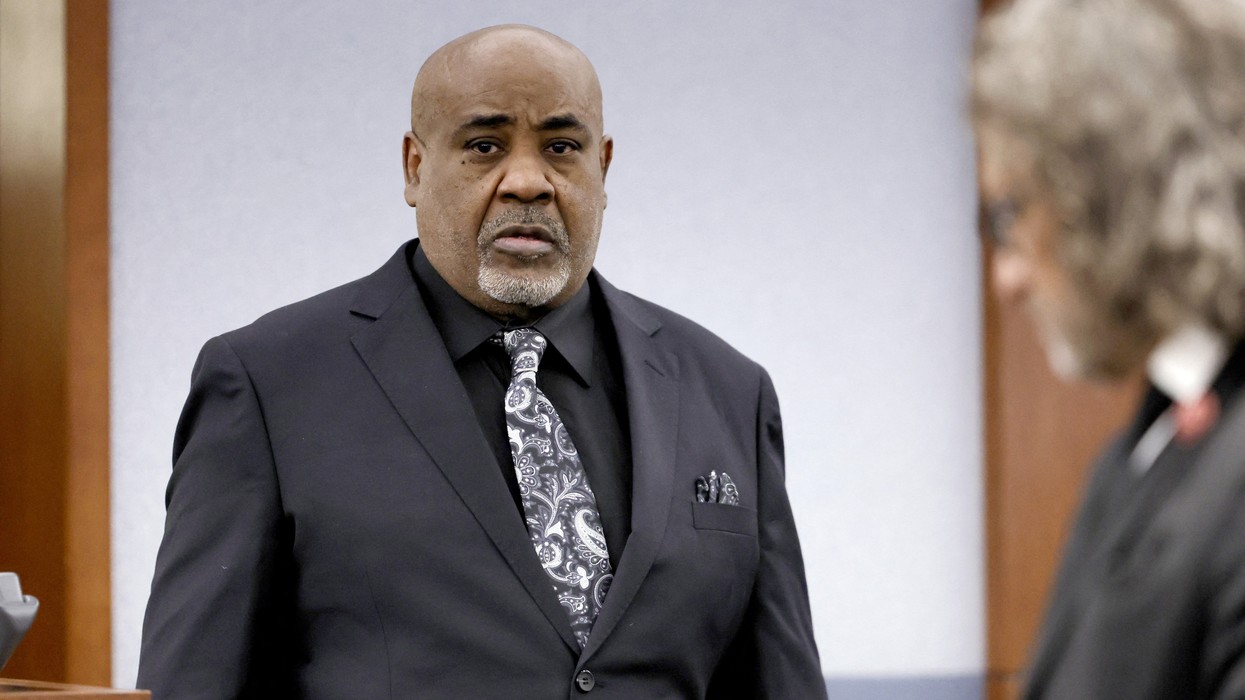
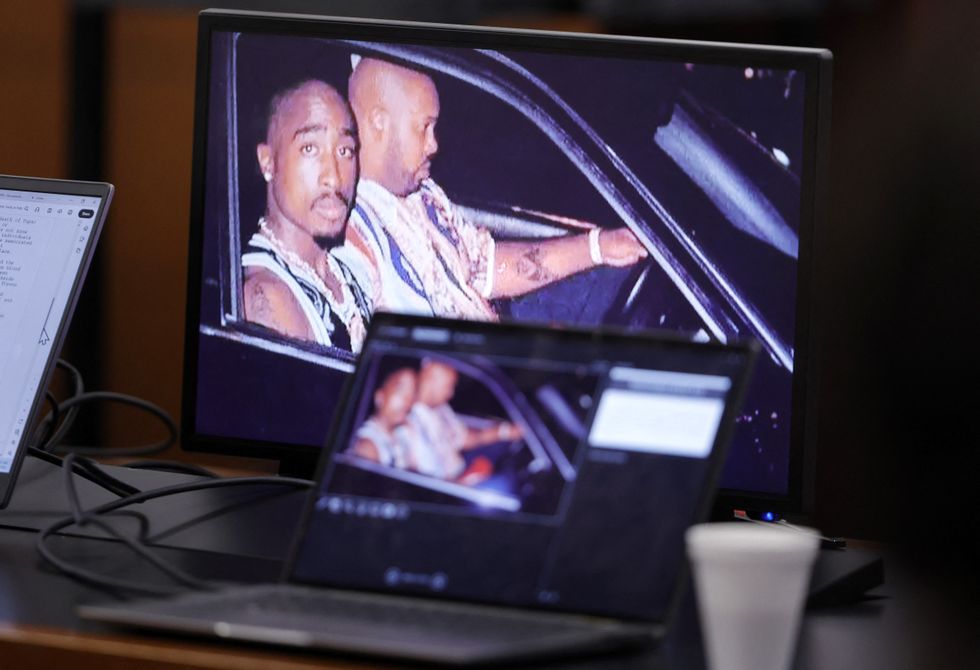 A 1996 photo of rapper Tupac Shakur (L) and Marion "Suge" Knight is shown on screens during closing arguments in the Duane Davis murder trial, related to the 1996 killing of rapper Tupac Shakur, at Clark County District Court at the Regional Justice Center in Las Vegas, Nevada, on August 31, 2026. Getty Images


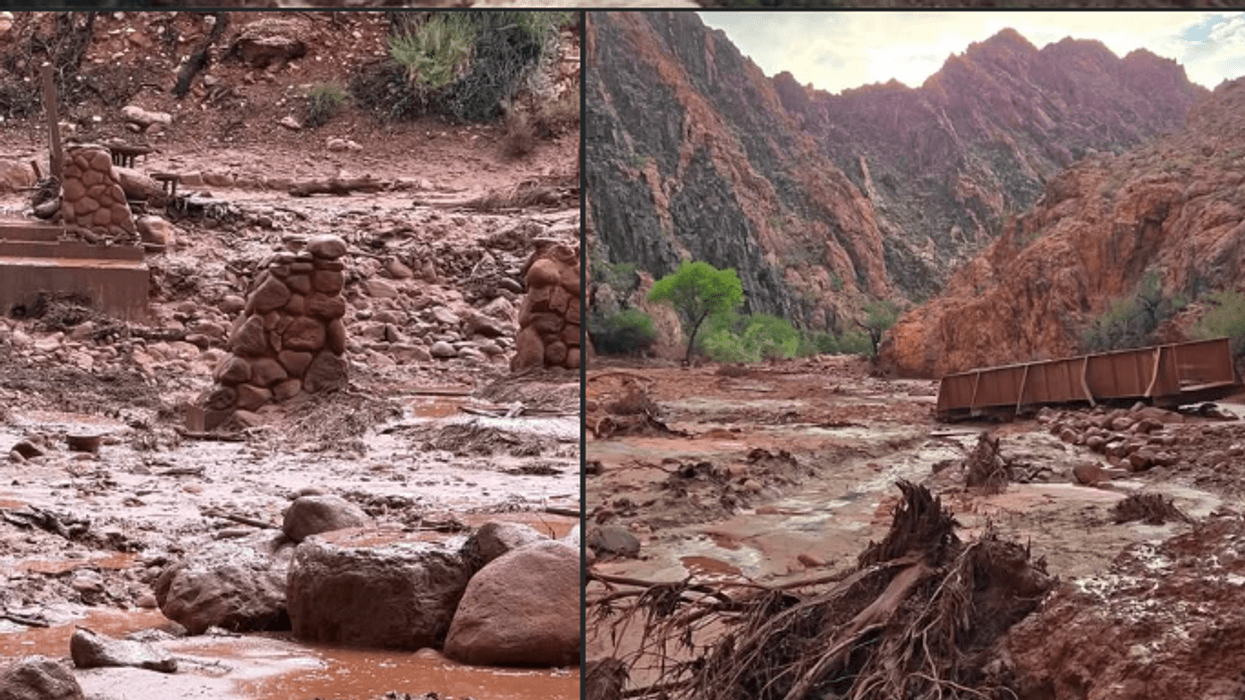

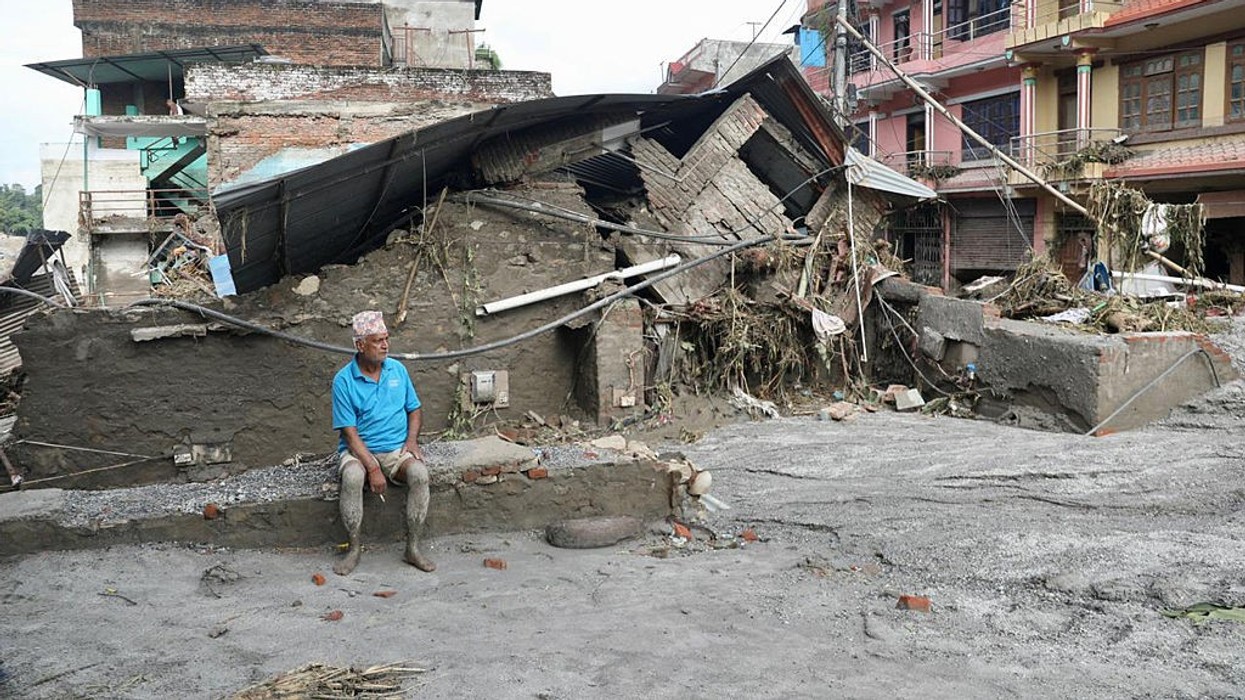
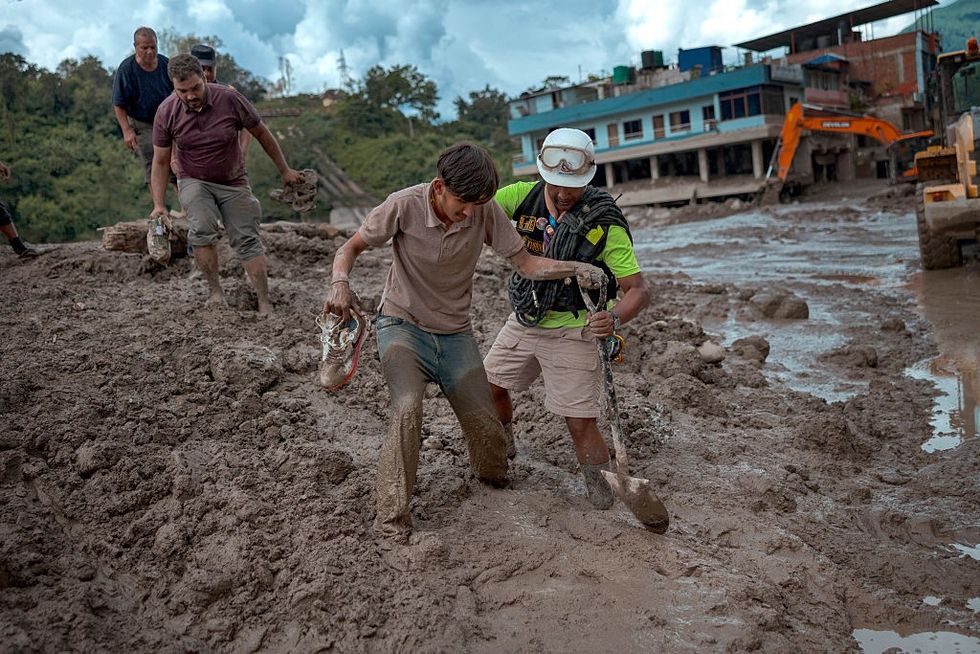 A rescuer assists a resident through heavy mud following flash floods on August 27, 2026 in Trishuli, Nepal. A sudden flood swept through the Bhote Koshi River basin in northern Rasuwa on August 26, damaging settlements, roads and energy infrastructure as rescue teams searched for residents and foreign travellers reported out of contact. Hundreds were reported missing, as the death toll started to climb.Getty Images
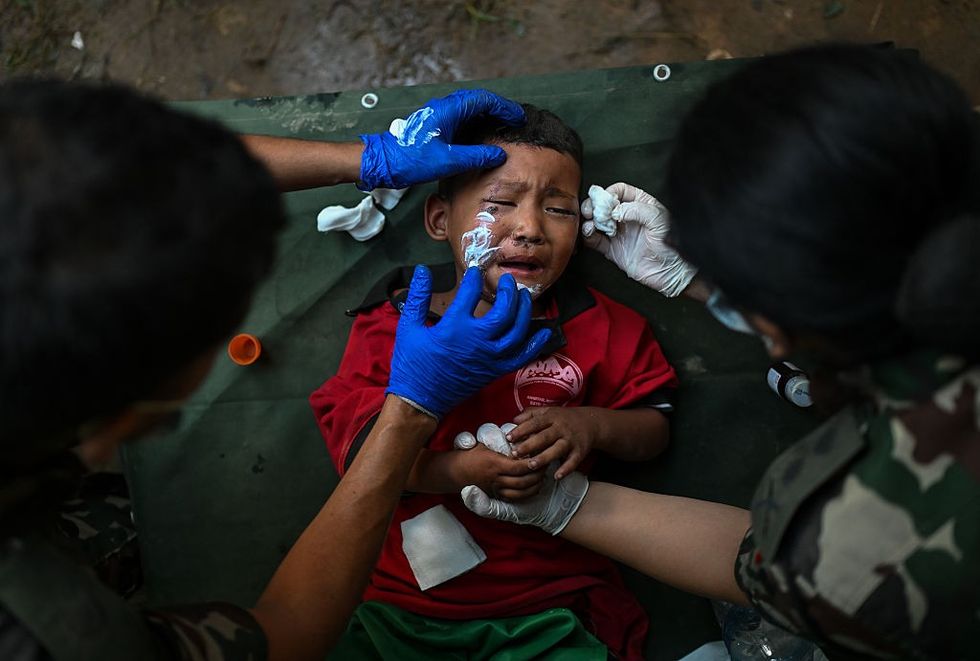 Rescue personnel provide medical treatment to a child at an army rescue camp in Trishuli Batar, Nepal, on August 27, 2026. A sudden flood swept through the Bhote Koshi River basin in northern Rasuwa on August 26, damaging settlements, roads and energy infrastructure, as rescue teams searched for residents and foreign travellers reported out of contact. Hundreds were reported missing as the death toll began to climb. Getty Ima
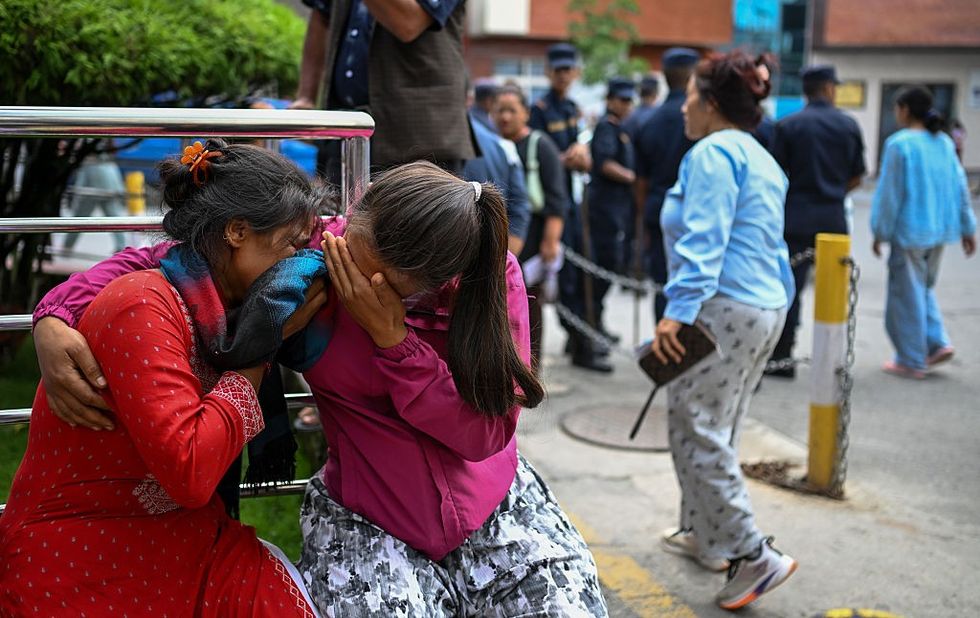 Family members of missing flood victims react at the emergency ward of the Maharajgunj Medical Campus, part of the Tribhuvan University Teaching Hospital, on August 28, 2026 in Kathmandu, Nepal. Authorities said the flash floods were triggered after a mass of ice, mud and rock collapsed into a Himalayan river near the Nepal-China border, leaving hundreds dead or missing and causing widespread damage in affected districts. Authorities continued the gruelling search for victims, many buried under metres of mud, as both China and Nepal issued fresh flooding alerts.Getty Images