
Highlights
- U.S. Trade Representative Jamieson Greer and Indian Commerce Minister Piyush Goyal held high-level talks in New Delhi.
- Both sides aim to conclude an interim trade agreement before temporary U.S. tariffs expire on July 24.
- Changes in U.S. tariff policy have forced negotiators to revisit a framework agreed earlier this year.
- Securing favorable tariff treatment remains a top priority for India as it competes with other Asian exporters.
- President Donald Trump recently said the two countries are "very close" to finalizing a trade deal.
The United States and India have launched a new round of high-level trade negotiations aimed at salvaging and recalibrating a proposed bilateral trade agreement after significant changes in US tariff policy disrupted a framework negotiated earlier this year.
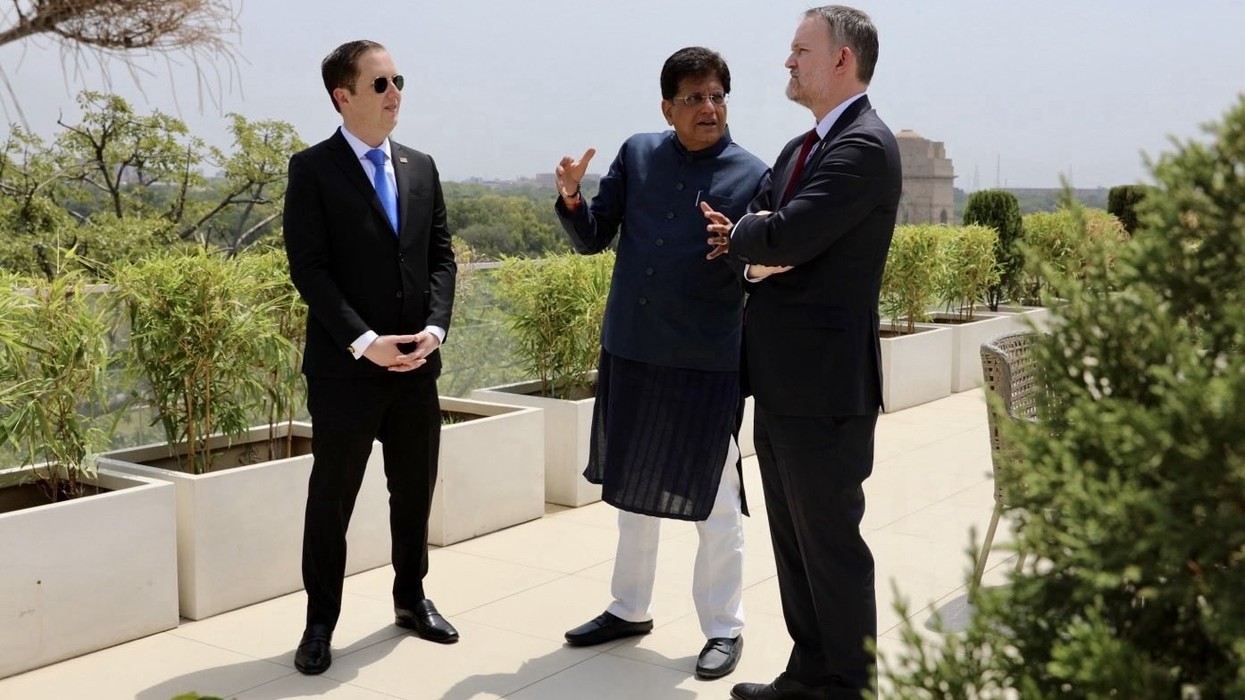
US Trade Representative Jamieson Greer met with India's commerce and industry Minister Piyush Goyal in New Delhi on Tuesday (23) as both governments worked toward finalizing an interim trade pact before July 24, when Washington's temporary 10 per cent tariff on imports from trading partners is set to expire.
"Warm welcome to @USTradeRep Amb Jamieson Greer, @USAmbIndia Amb Sergio Gor and their delegation to @DoC_GoI. Looking forward to productive discussions on the bilateral trade agreement between (India & US)," Commerce and Industry Minister Piyush Goyal said in a post on X.
Greer's two-day visit follows a meeting between president Donald Trump and Indian prime minister Narendra Modi on the sidelines of the G7 summit in France on June 17. The discussion between the two leaders injected fresh momentum into trade talks that both governments view as central to strengthening economic relations.
At the heart of the negotiations is a framework agreement announced in February. That arrangement was built around US tariff commitments that later became uncertain after a US Supreme Court ruling struck down broad tariffs imposed by the Trump administration. Subsequent changes in US trade policy have required both countries to revisit key provisions of the deal.
The talks in New Delhi include senior Indian officials, among them Commerce Secretary Rajesh Agrawal and chief negotiator Darpan Jain. They follow earlier chief negotiator-level discussions held in the Indian capital from June 2 to June 4.
For India, securing preferential access to the US market has become increasingly important after policy changes reduced the advantage it expected to enjoy over competitors such as Vietnam and other ASEAN economies. Under the original February framework, the United States had agreed to lower tariffs on Indian goods to 18 per cent, below rates imposed on several competing exporters.
However, the landscape shifted after the Supreme Court ruling and the Trump administration's decision to impose a temporary 10 per cent tariff on imports from all countries under Section 122 of the Trade Act. With all major trading partners now facing the same additional levy, negotiators are reassessing the agreement's structure.
Indian officials have indicated that discussions are focused on finalizing the framework and resolving remaining issues. President Trump reinforced expectations of progress when he said on June 17 that the two countries are "very close" to finalizing a trade agreement.
The broader framework includes significant market-opening commitments from India. New Delhi has proposed reducing or eliminating tariffs on a range of US industrial, agricultural, and food products, including tree nuts, fruits, soybean oil, wine, spirits, and animal feed ingredients. India has also expressed interest in purchasing up to $500 billion worth of US energy products, aircraft and parts, technology goods, precious metals, and coking coal over the next five years.
As both sides adjust to the evolving US tariff environment, the current round of talks is expected to determine whether an interim agreement can be completed before the July deadline and lay the foundation for a broader bilateral trade partnership.








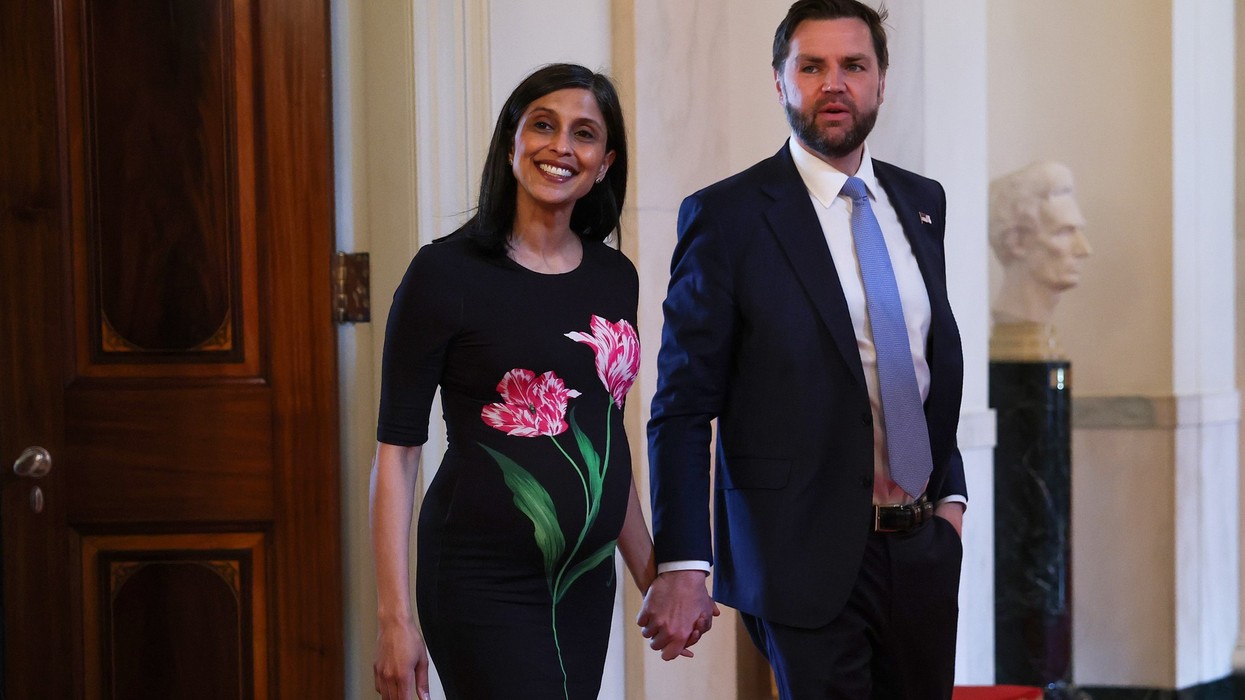
 The couple during their visit to the Taj Mahal in Agra earlier this yearxx