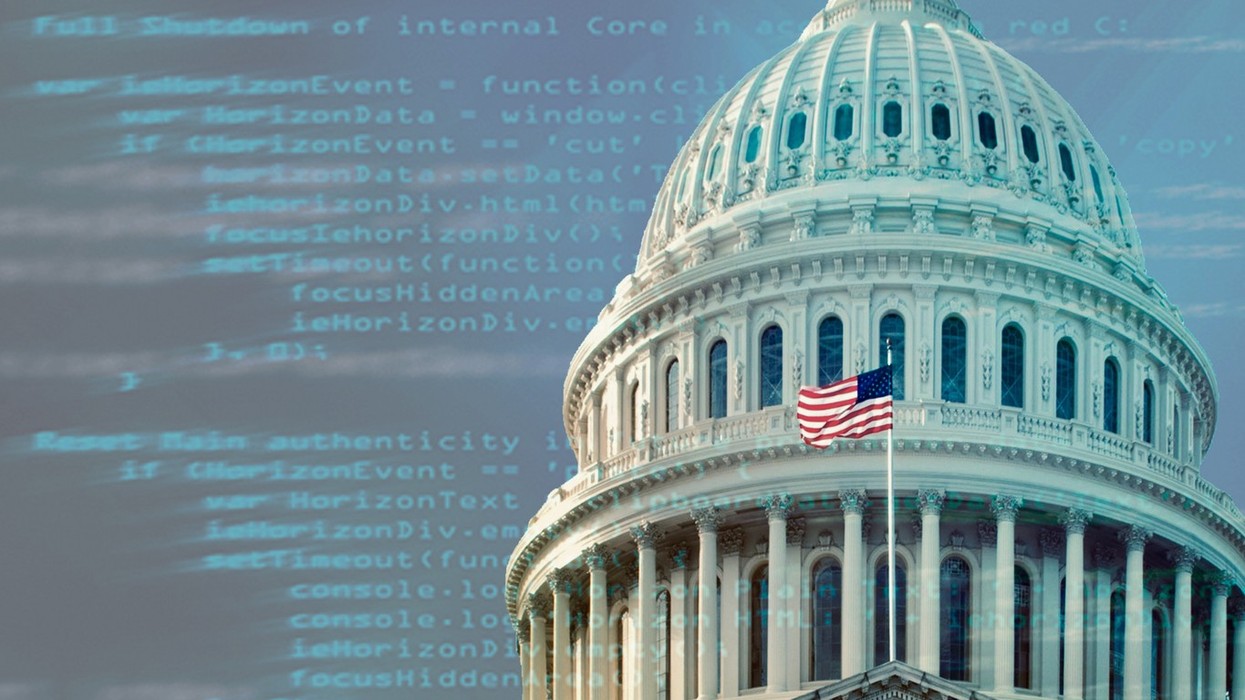

- The US is preparing to warn dozens of countries to choose sides in the AI race with China.
- A draft State Department letter targets 35 countries that signed a US AI statement.
- Countries joining China’s competing framework could risk exclusion from the US-led Pax Silica initiative.
- Kazakhstan is the only country currently known to be part of both initiatives.
- India is not identified in the report as being asked to choose between the two frameworks.
The United States is preparing to draw a sharper line in the global artificial intelligence race with China. Washington plans to tell dozens of countries that they could face exclusion from a US-led AI coalition if they also join a competing framework backed by Beijing, according to a US official and an internal draft reviewed by Reuters.
For Indian Americans watching the growing US-China technology rivalry, the development raises an important question: Could countries such as India eventually face pressure to choose between Washington and Beijing on AI?
The Reuters report does not say that India has been asked to make such a choice. It also does not identify India as a member of both competing initiatives. The immediate US move is focused on countries connected to Washington’s AI cooperation framework.
Why is the US asking countries to choose?
Washington launched the Pax Silica initiative last year to strengthen supply chains linked to AI models, semiconductors and critical minerals. About two dozen countries have joined the initiative, including US allies such as Japan, Australia and South Korea.
Kazakhstan has become a particular concern for Washington because it is the only country currently known to have joined both Pax Silica and China’s competing AI coalition.
China’s rival framework was launched in July by president Xi Jinping under the name World Artificial Intelligence Cooperation Organization. Beijing is promoting its open-weight AI technology as an alternative to US influence in the sector.
The US is now preparing a draft letter for the 35 countries that signed the US “AI Opportunity Statement” in June. The group includes countries involved in Pax Silica as well as others that have expressed interest in closer AI cooperation with Washington.
The draft makes Washington’s position clear.
"To be part of everything is to be part of nothing. Signature of the Pax Silica Declaration is not merely a membership subscription, but a commitment," the letter says, urging countries to "choose deliberately" on AI.
It also says:
"It cannot be held alongside membership in duplicative initiatives whose expectations conflict with our own,"
The draft does not specifically name China.
What does this mean for countries like India?
The immediate issue is not that every US partner has been told to choose between Washington and Beijing. Rather, the draft shows that the US is considering a stronger approach to countries that participate in competing AI initiatives.
For countries with important technology, semiconductor or critical-mineral interests, such pressure could become increasingly significant as the US-China competition intensifies.
The US hopes that pushing countries to choose sides will limit China’s access to resources needed to develop increasingly sophisticated AI systems. Those technologies could have both military and economic applications.
The competition is also changing rapidly. Chinese open-weight AI models have made significant gains against proprietary systems from US companies including OpenAI and Anthropic. At the same time, Beijing is considering restrictions on overseas access to some of its leading AI models.
Why are critical minerals part of the AI fight?
The dispute is not only about AI models. It also involves the supply chains needed to build and operate advanced technology.
Pax Silica is designed to encourage cooperation on AI-related projects while reducing reliance on adversaries for critical minerals, semiconductor chips and AI models.
That makes countries with significant mineral resources strategically important. Kazakhstan, for example, has significant reserves of critical minerals and was highlighted by the US when it joined Pax Silica.
China currently holds near-monopolies over some critical minerals and has used those resources as a retaliatory tool during a tariff dispute with the United States. President Donald Trump has responded by increasing US efforts to source critical minerals domestically and from allied countries.
The US official who spoke to Reuters described the thinking behind the draft letter as a message that "you can't have it both ways."
"It's difficult to see how a country can credibly position themselves as trusted partners in one technology ecosystem while simultaneously signing up for an initiative designed by China to advance a competing vision for AI," the official said.
China has pushed back against the approach. Its embassy in Washington said it opposes politicizing trade and technology issues.
“Such actions will only stifle global AI advances and serve no one’s interests,” an embassy spokesperson said.
The US has not yet sent the letter. Reuters could not determine when it would be sent or whether the draft would be changed before then.
For India and Indian Americans, the broader issue is clear: as Washington and Beijing compete for leadership in AI, countries with important technology and critical-mineral interests may increasingly face pressure to decide how closely they want to align with either side.






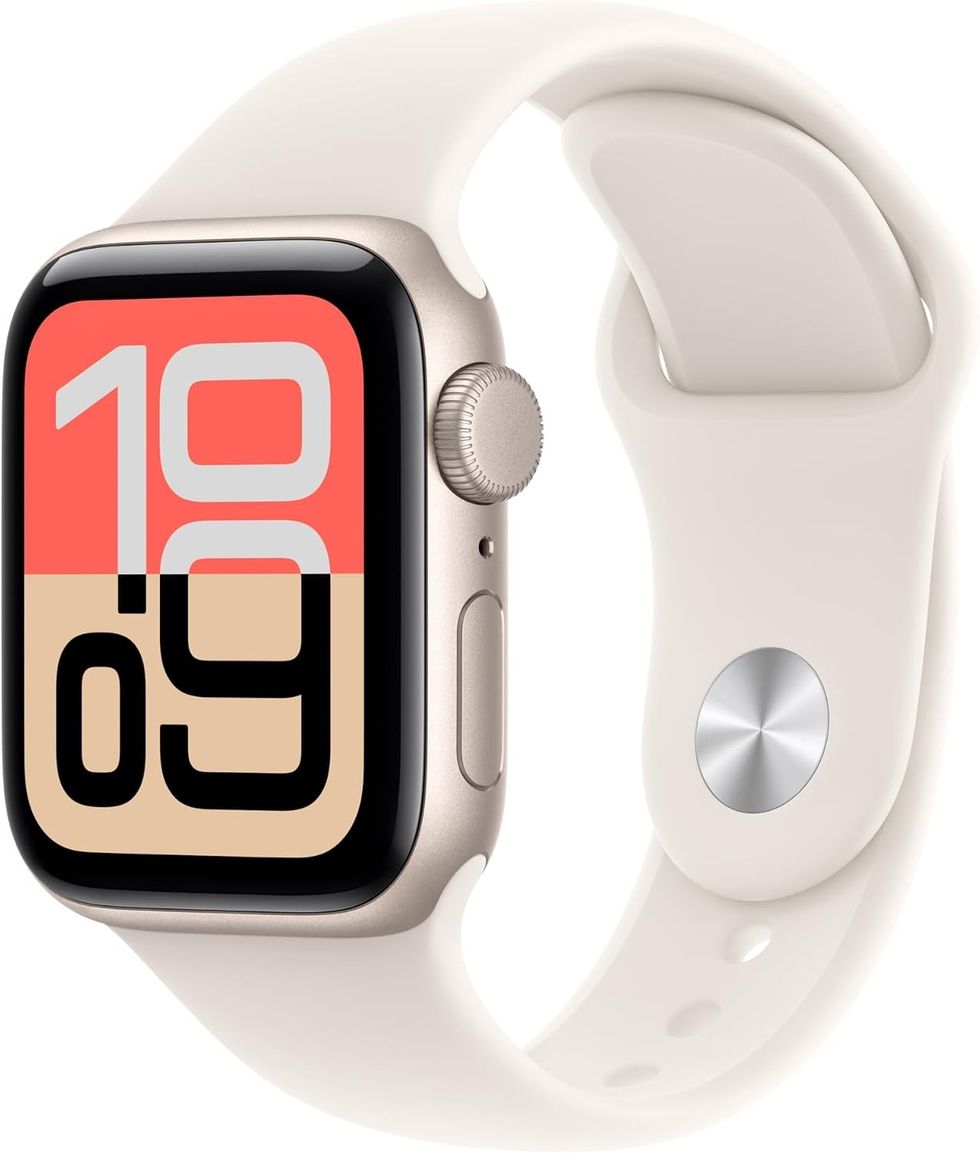

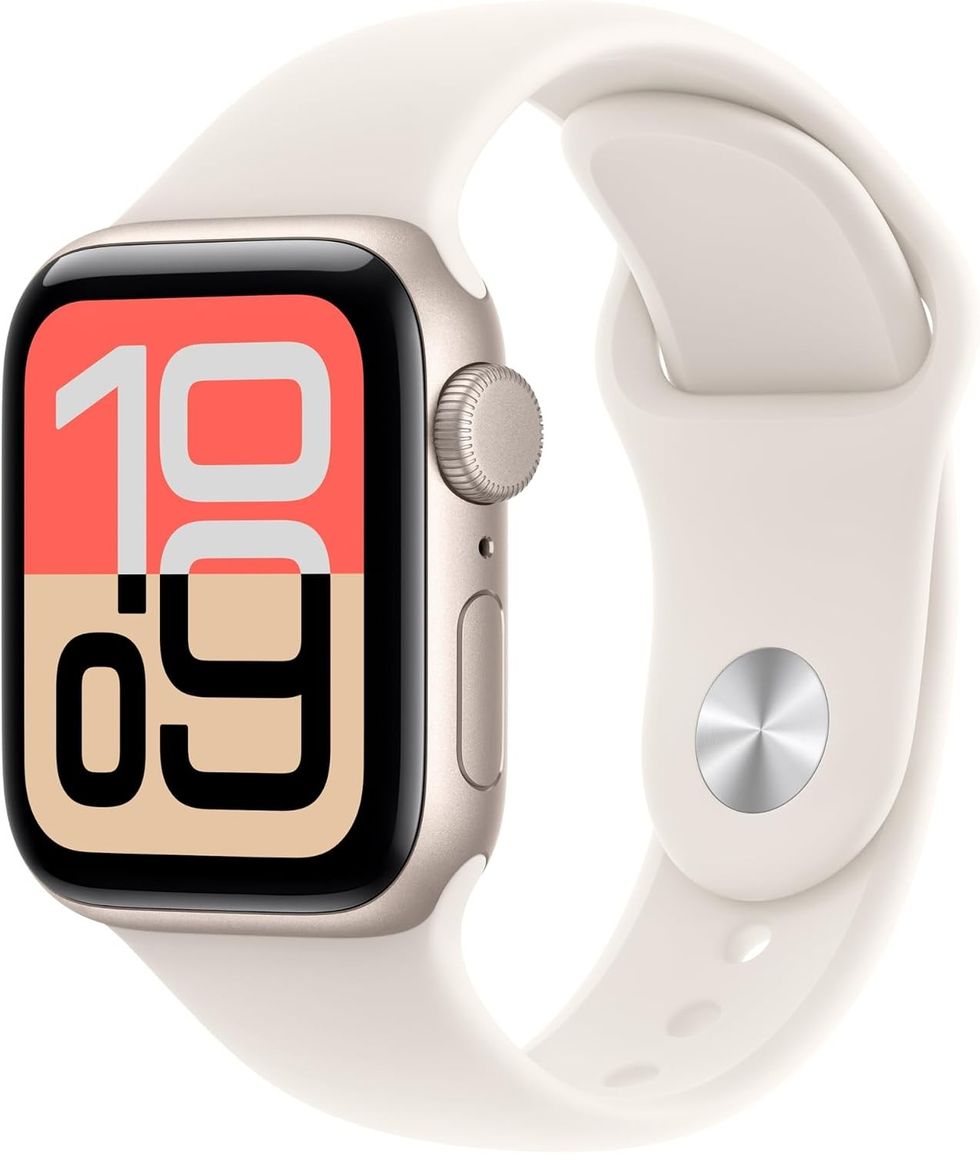 Apple Watch SE Amazon
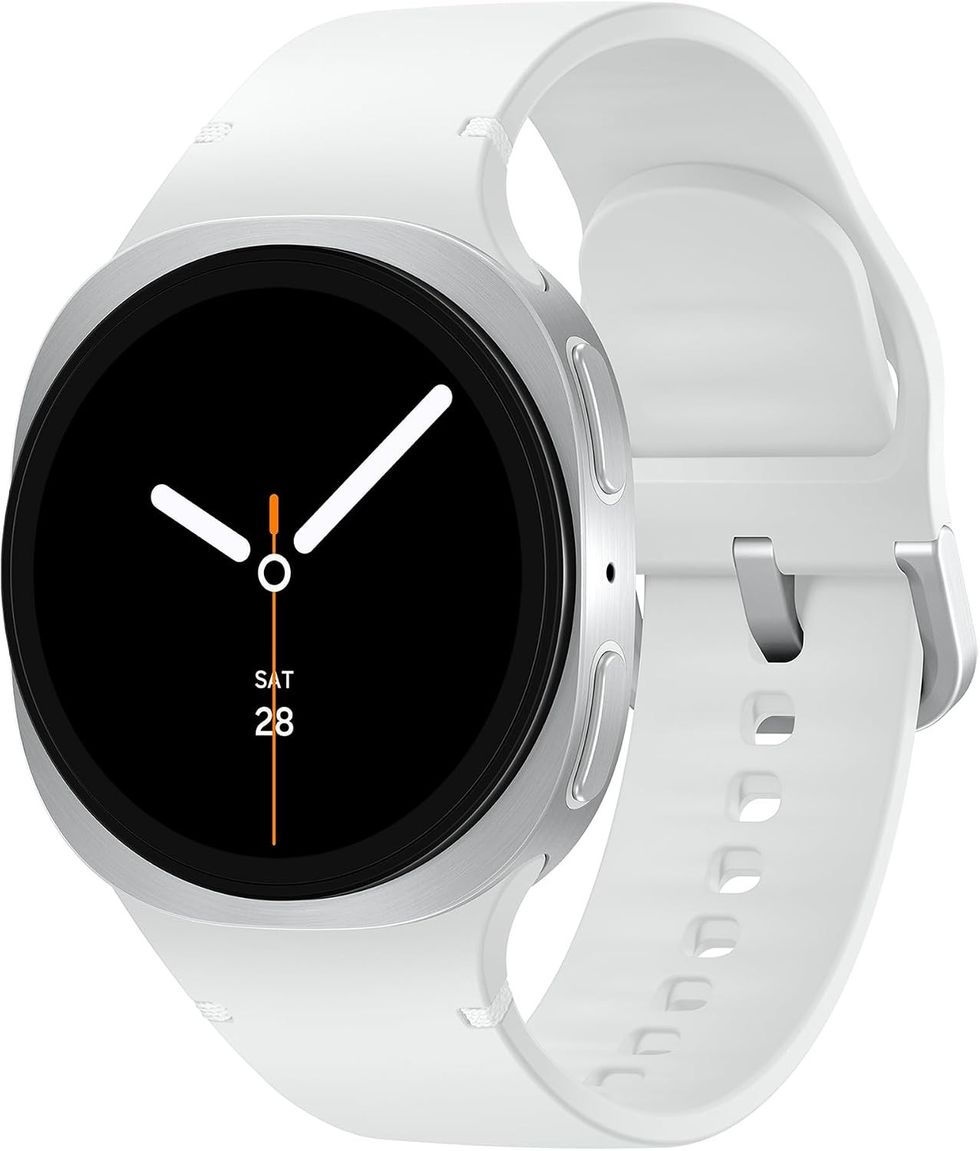
 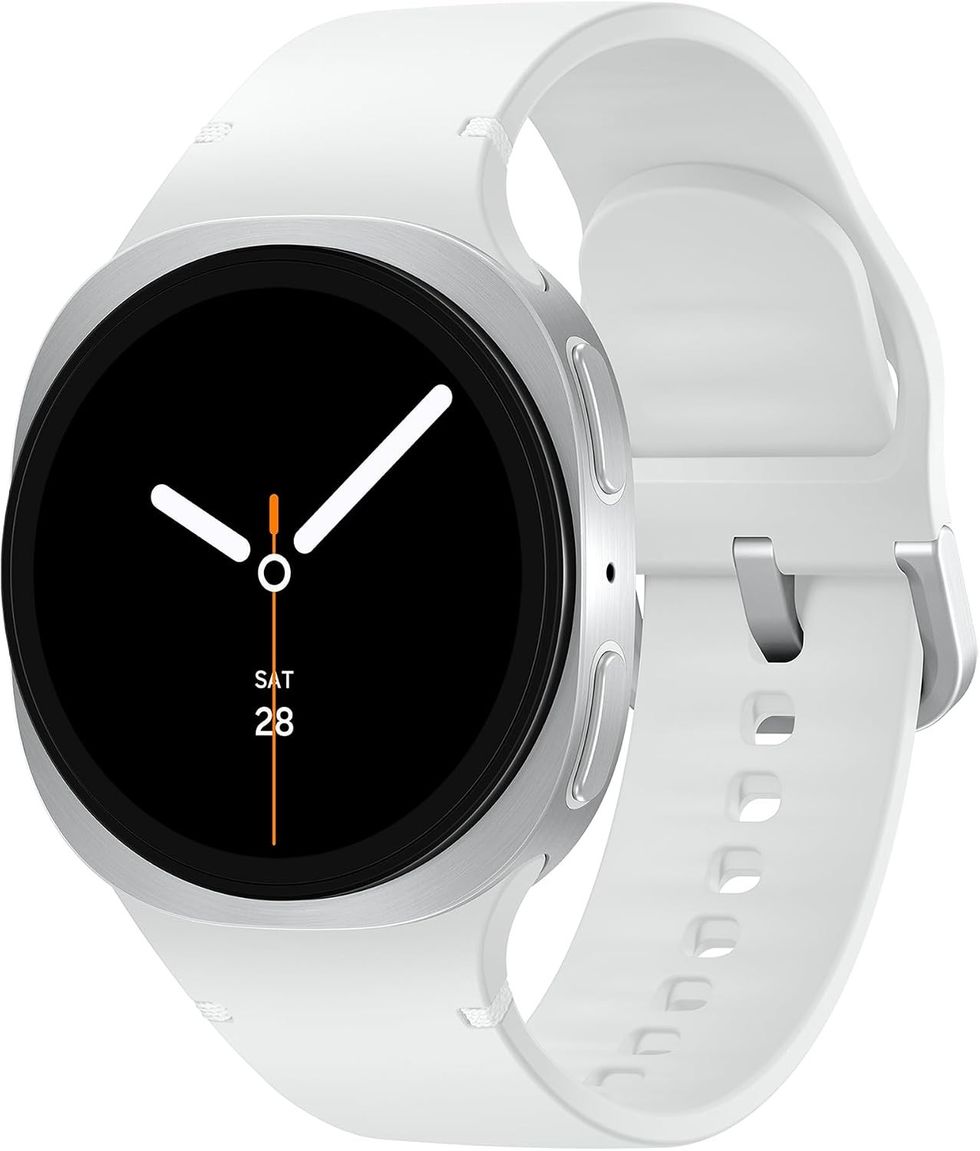 Samsung Galaxy Watch Amazon
  Garmin Forerunner Amazon
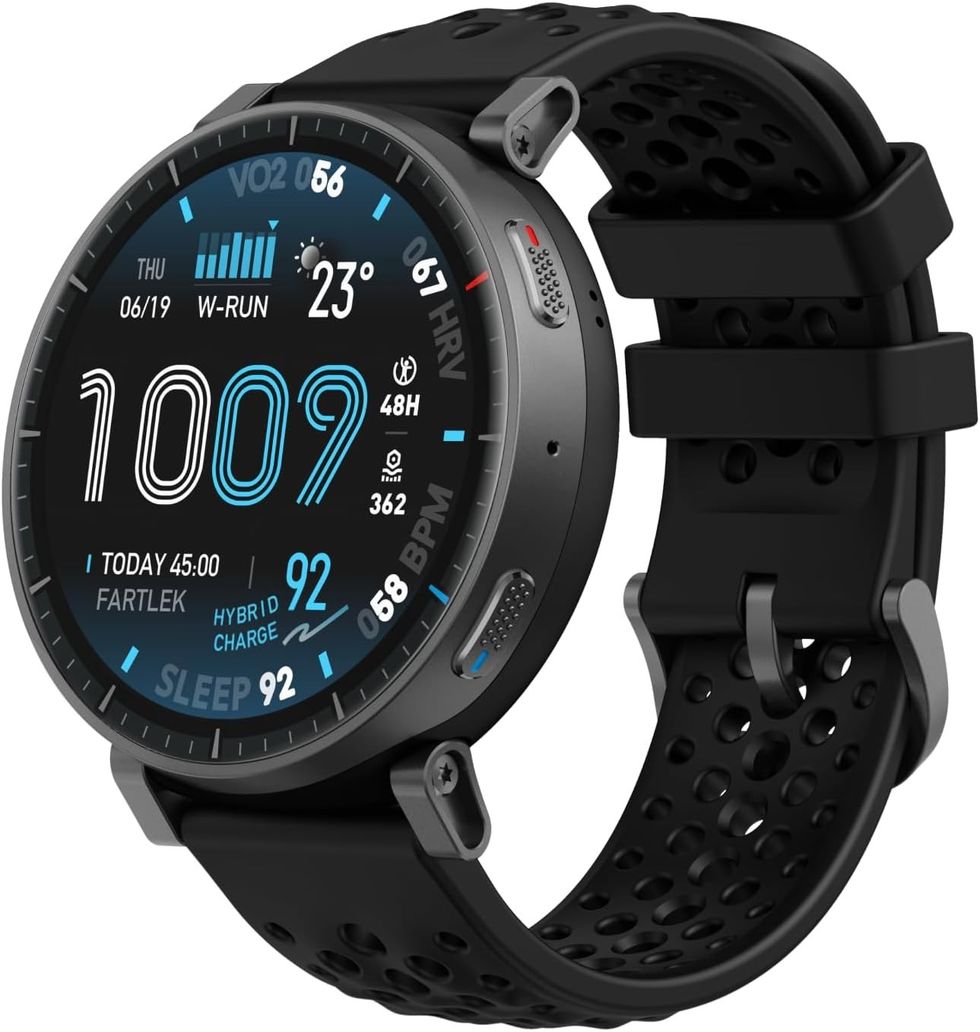
 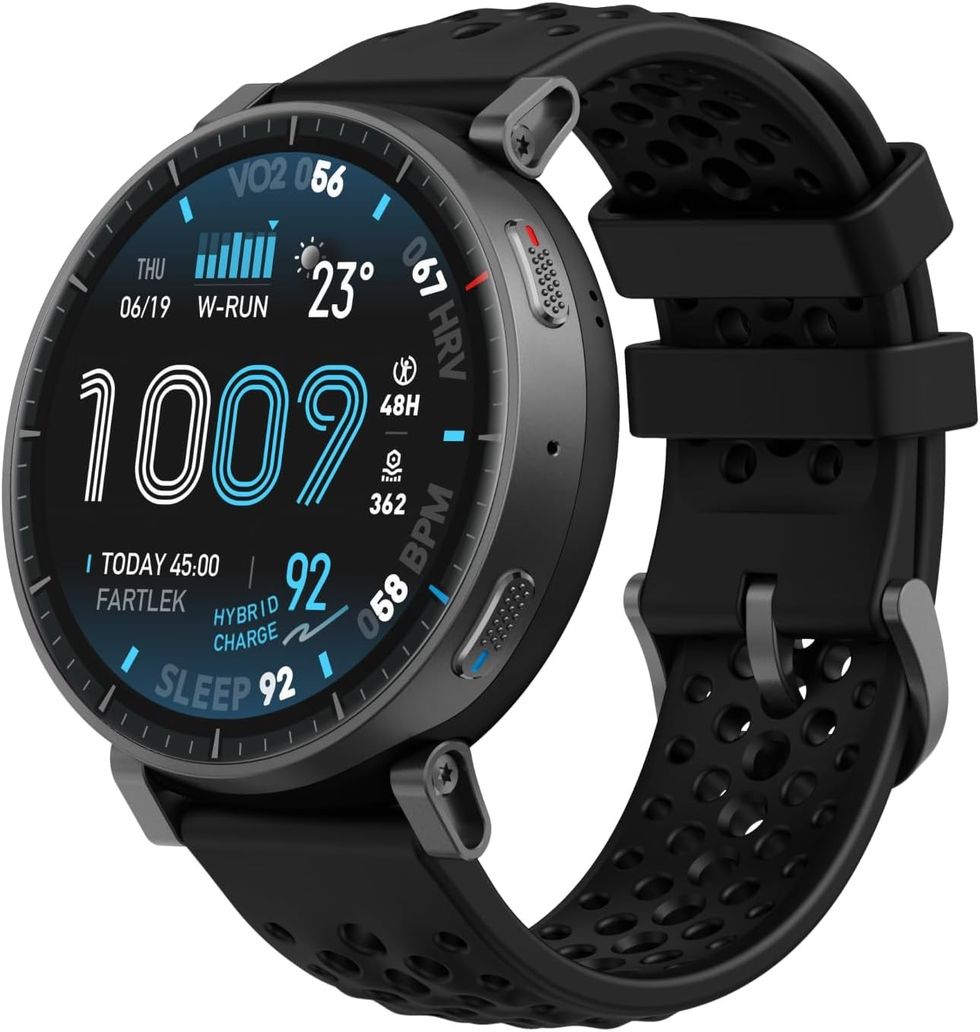 Amazfit Active Amazon
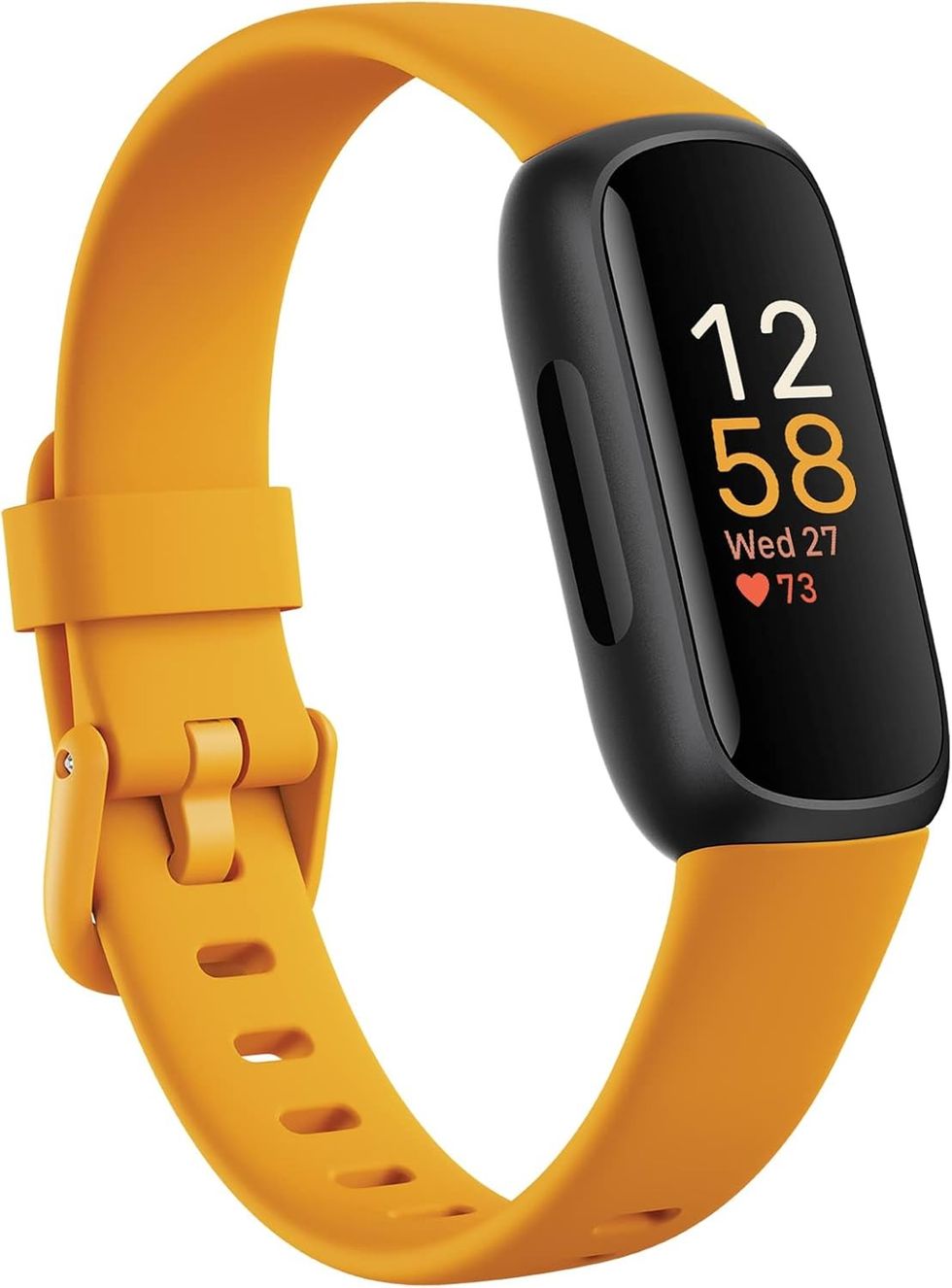
 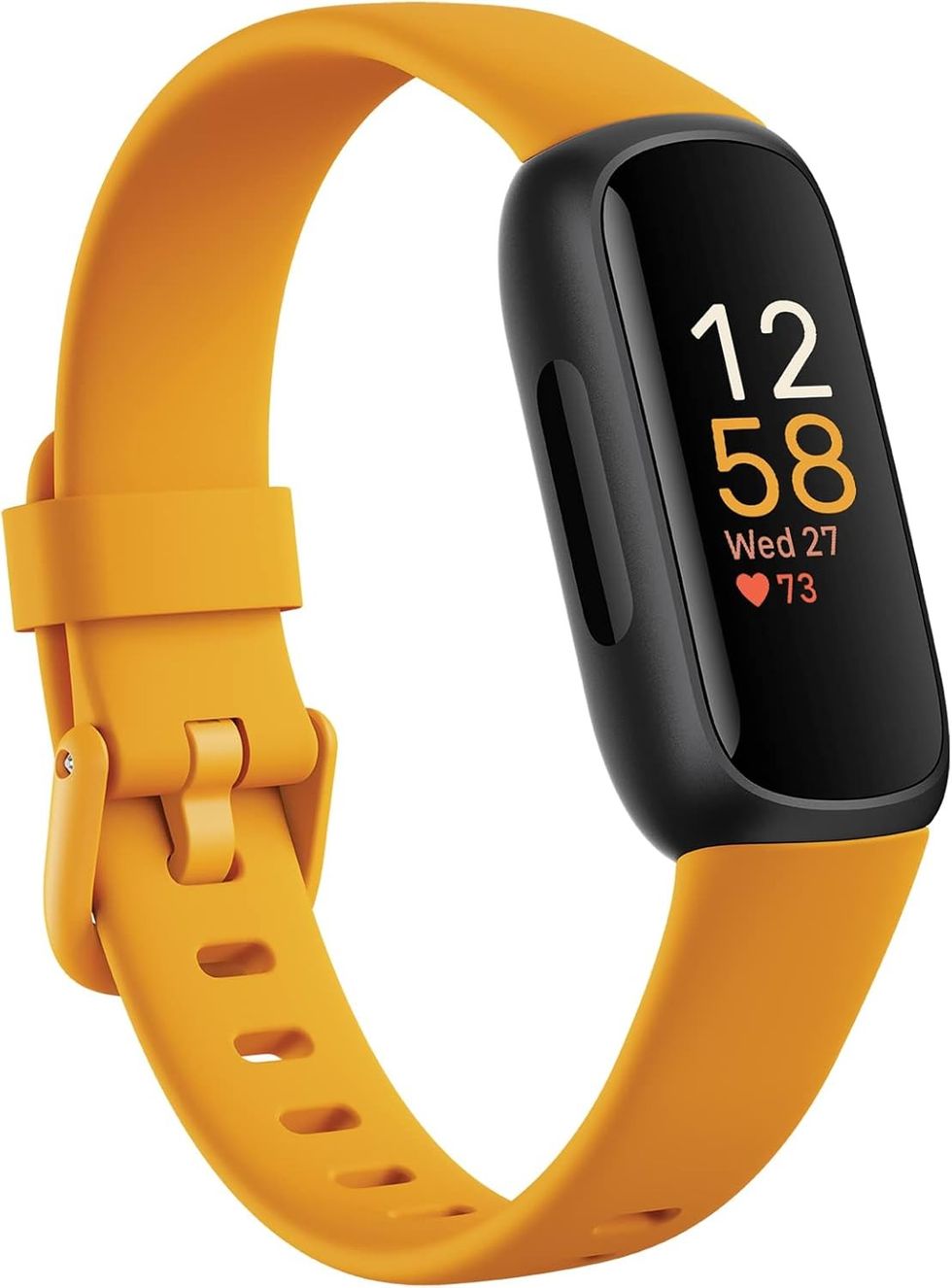 Fitbit Inspire Amazon
 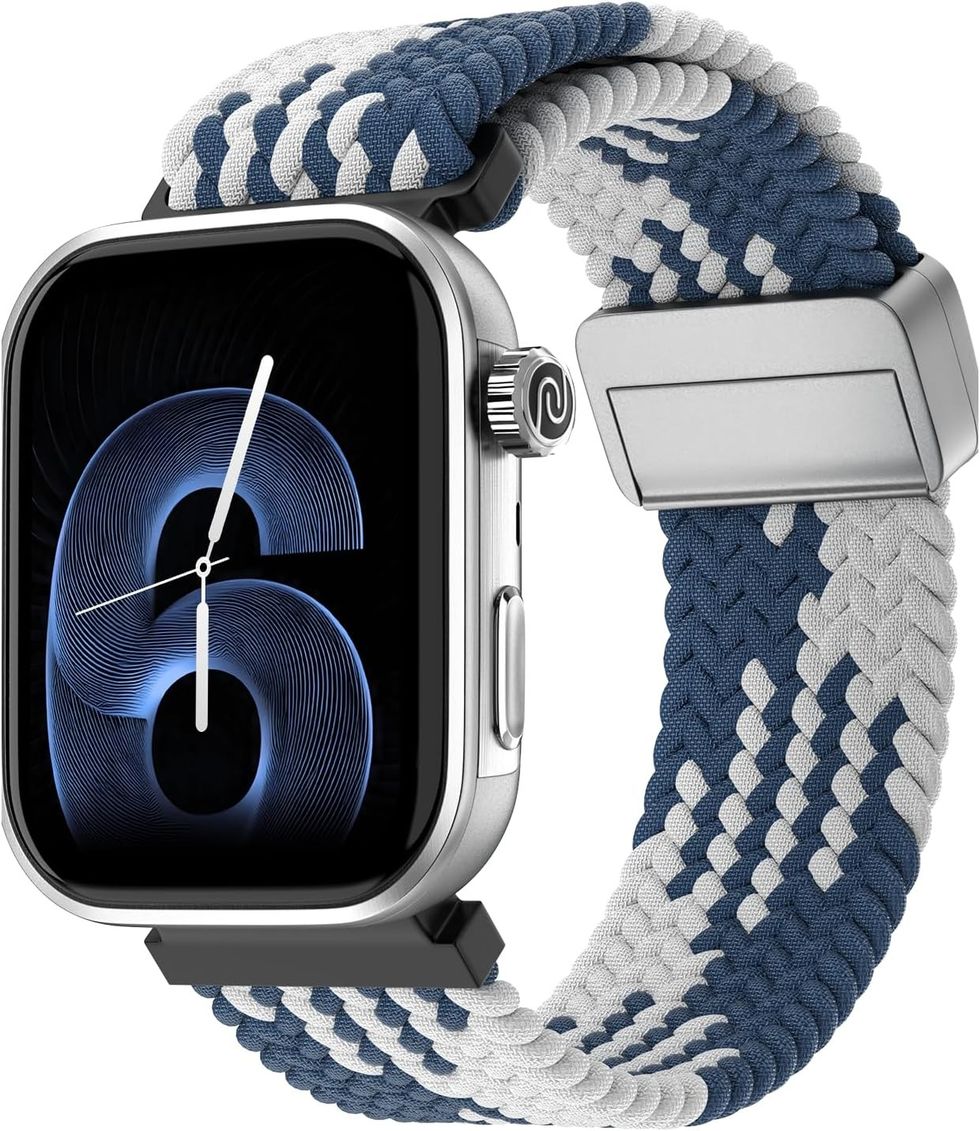 Noise ColorFit Smartwatch Amazon
 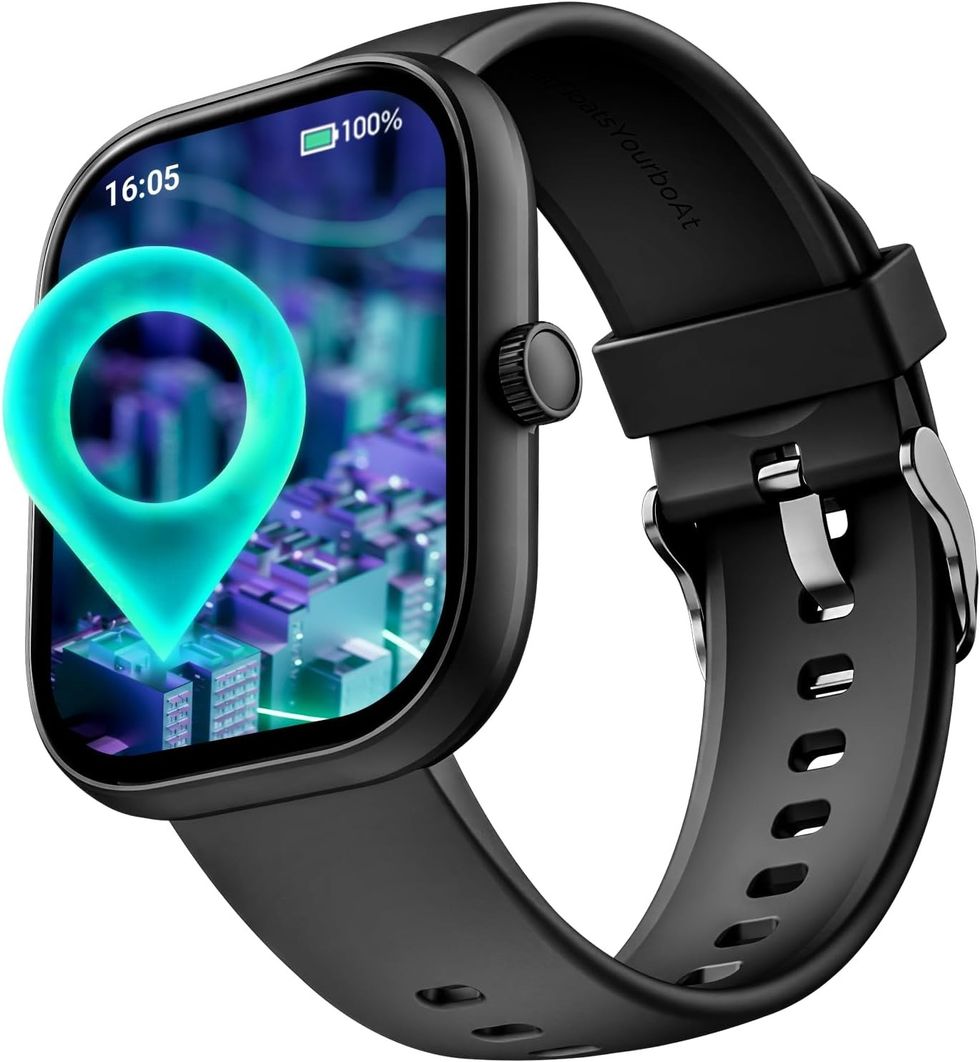 boAt Wave Smartwatch Amazon
 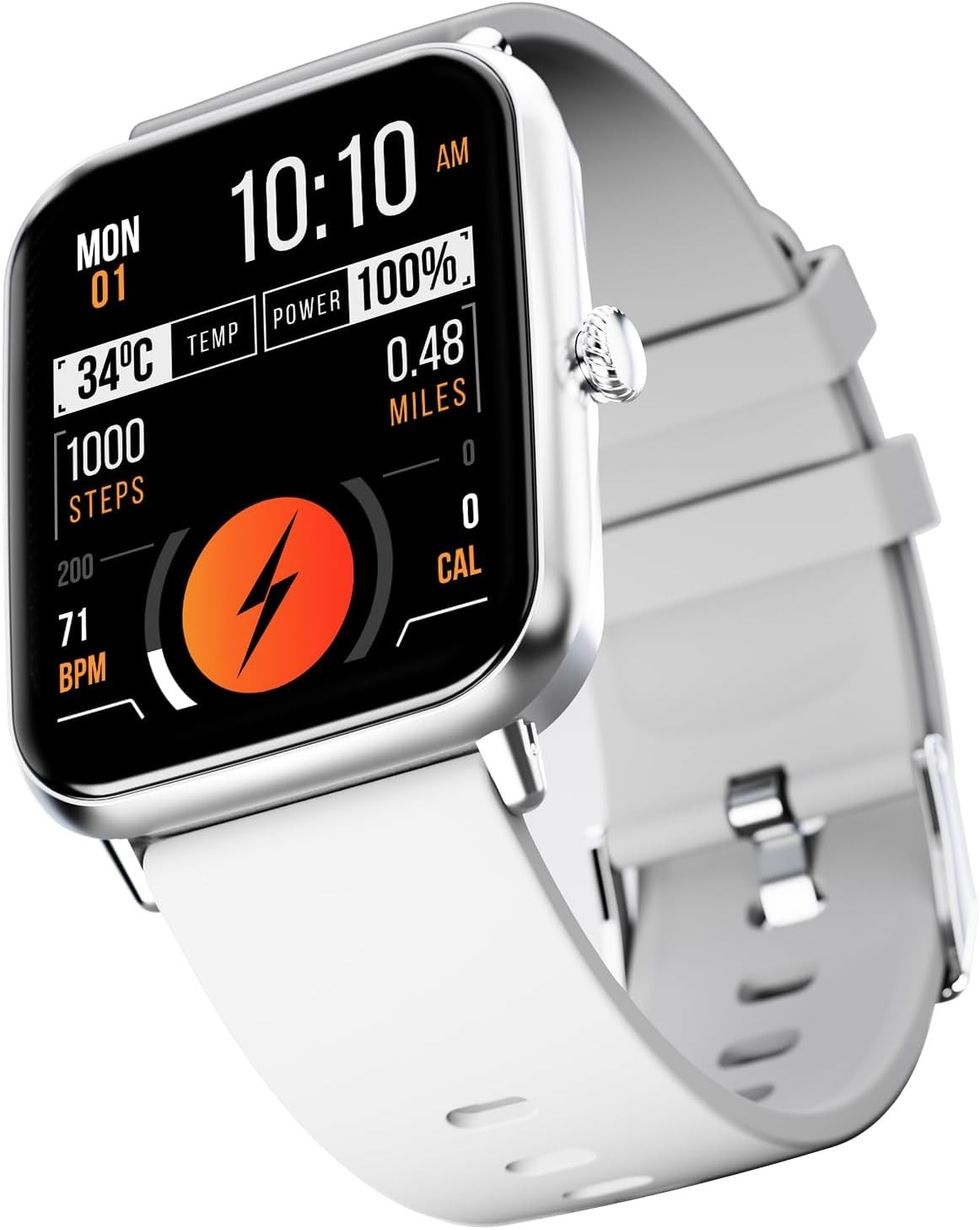 Fire-Boltt Smartwatch Amazon
 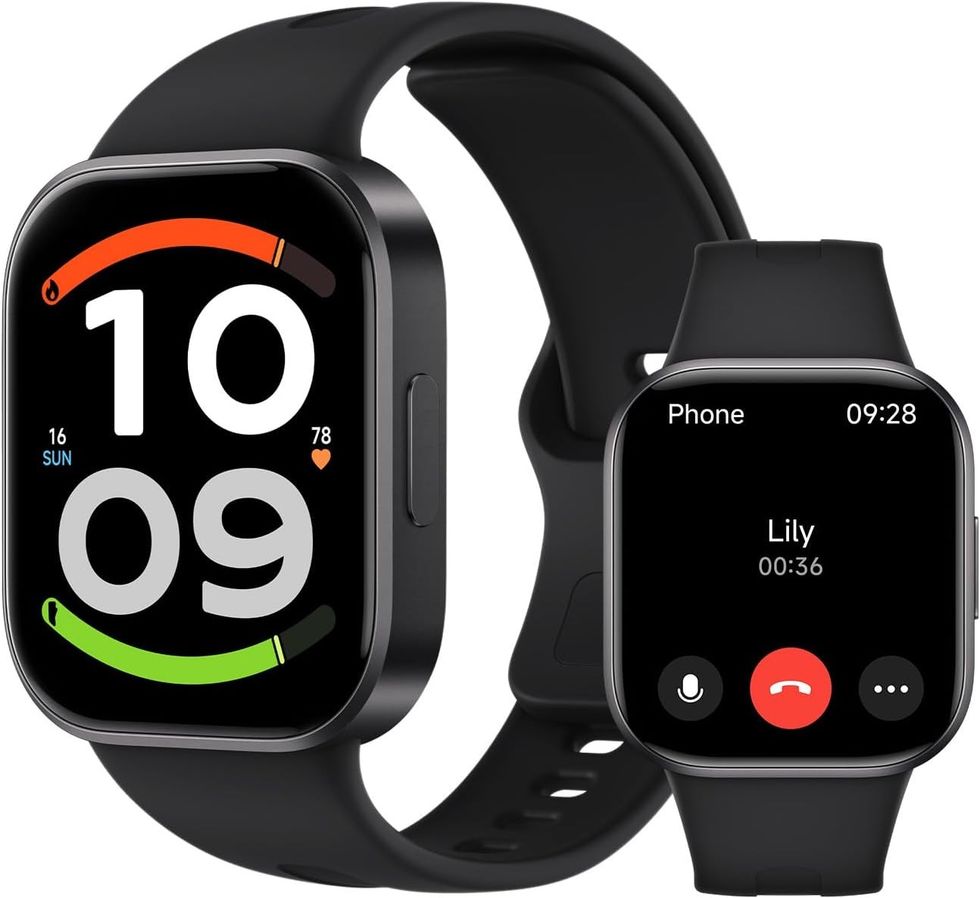 Redmi Watch Amazon
 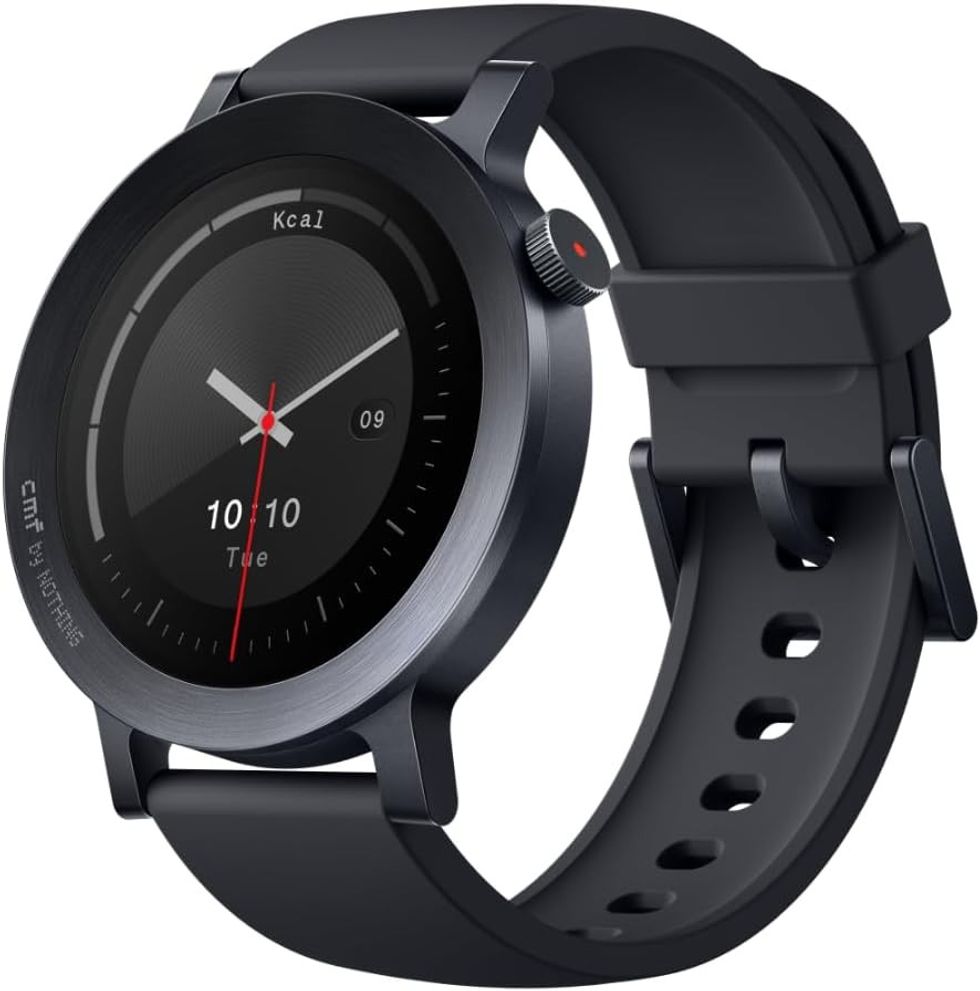 CMF Watch Pro Amazon

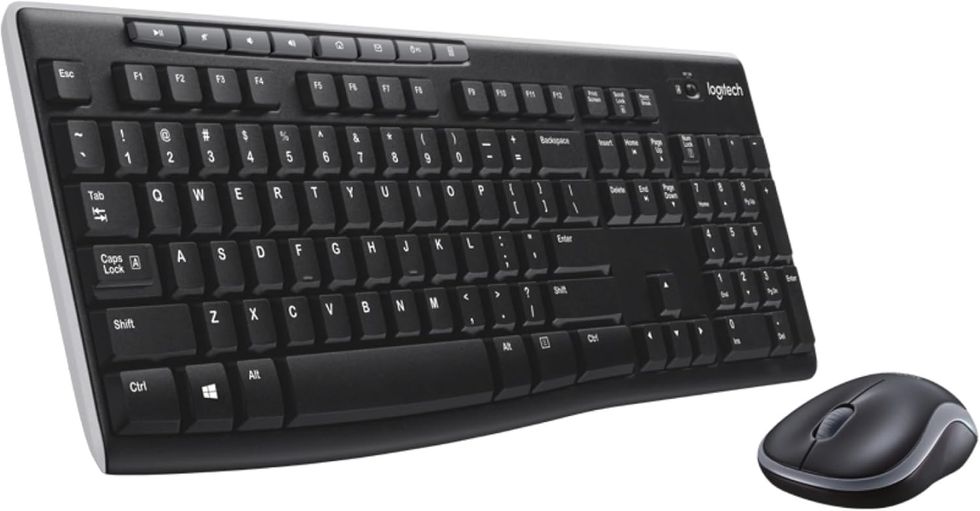
 AmazonLogitech Wireless Keyboard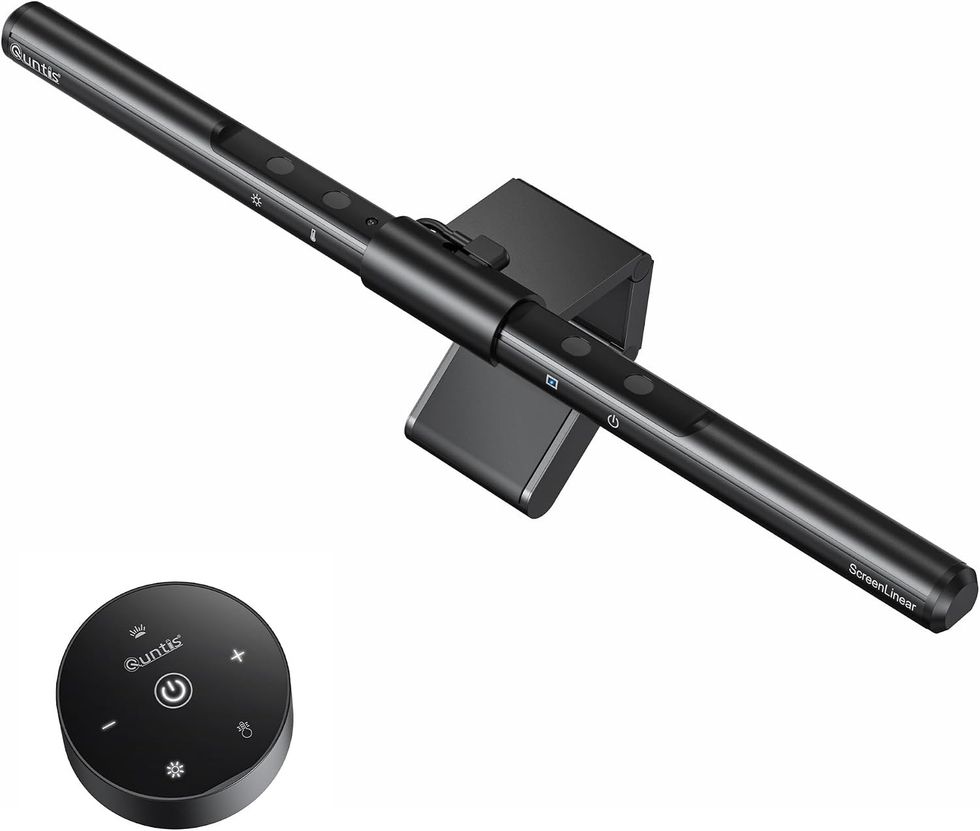


 Portronics Adjustable Laptop Stand Amazon
 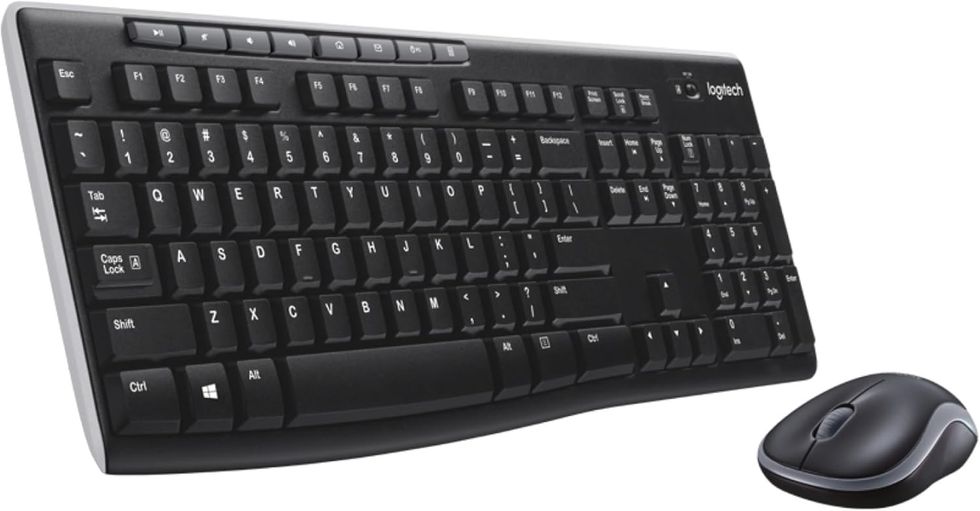 Logitech Wireless Keyboard Amazon
 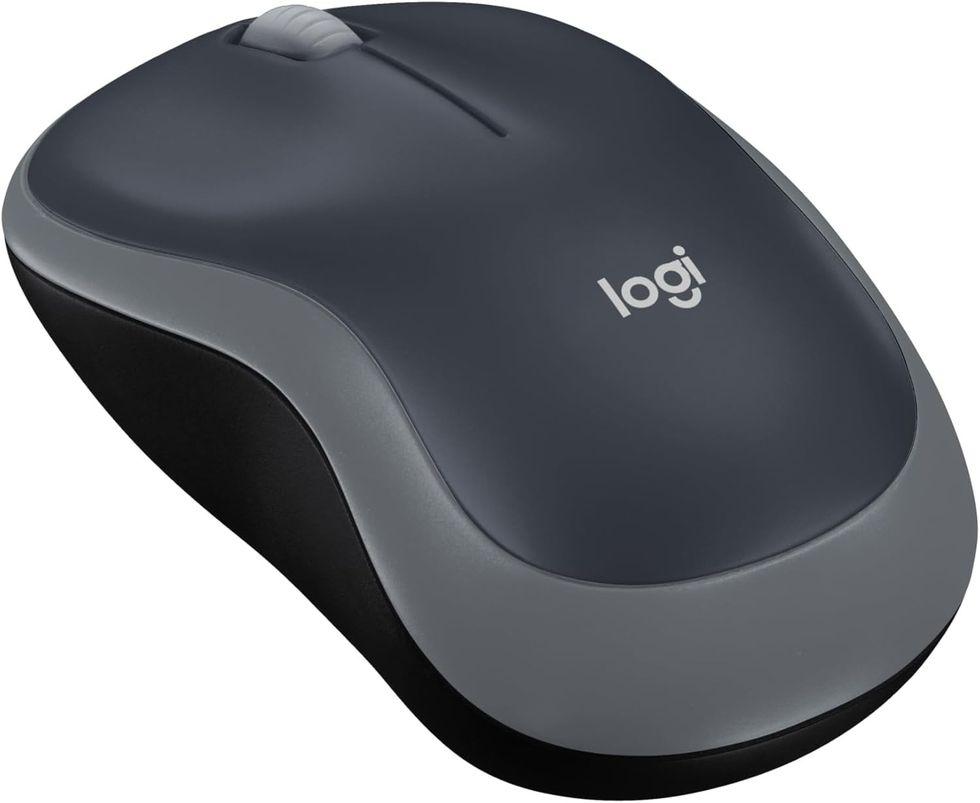 Logitech Wireless Keyboard Amazon
 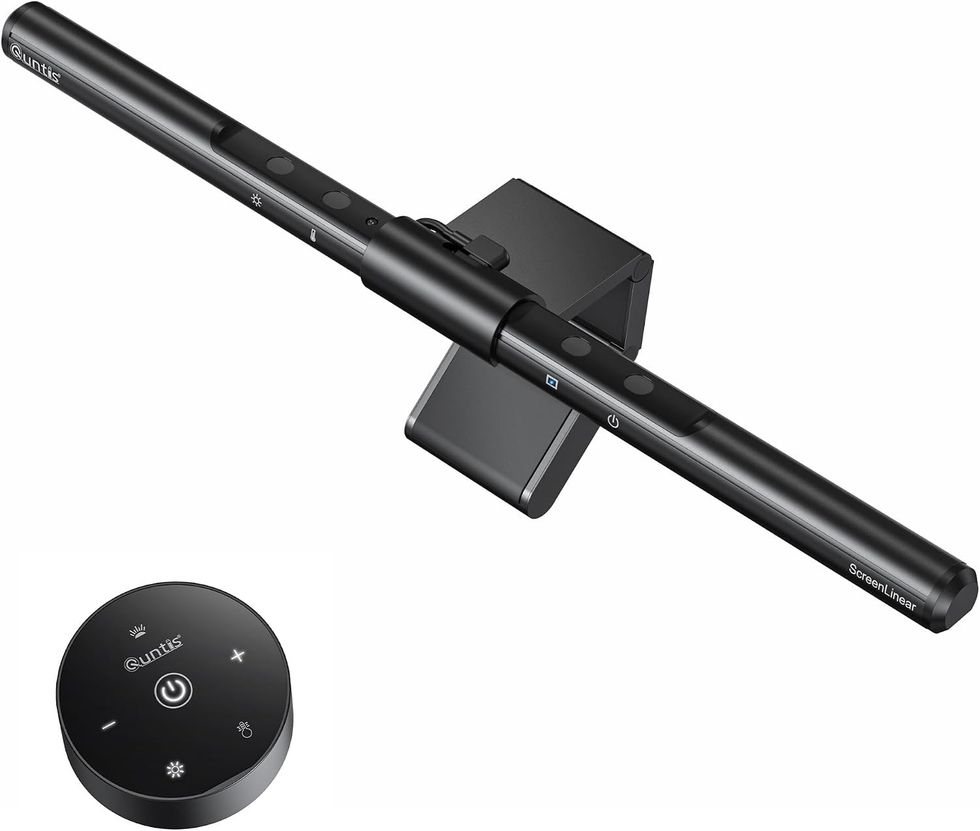 Zebronics Monitor Light Bar
 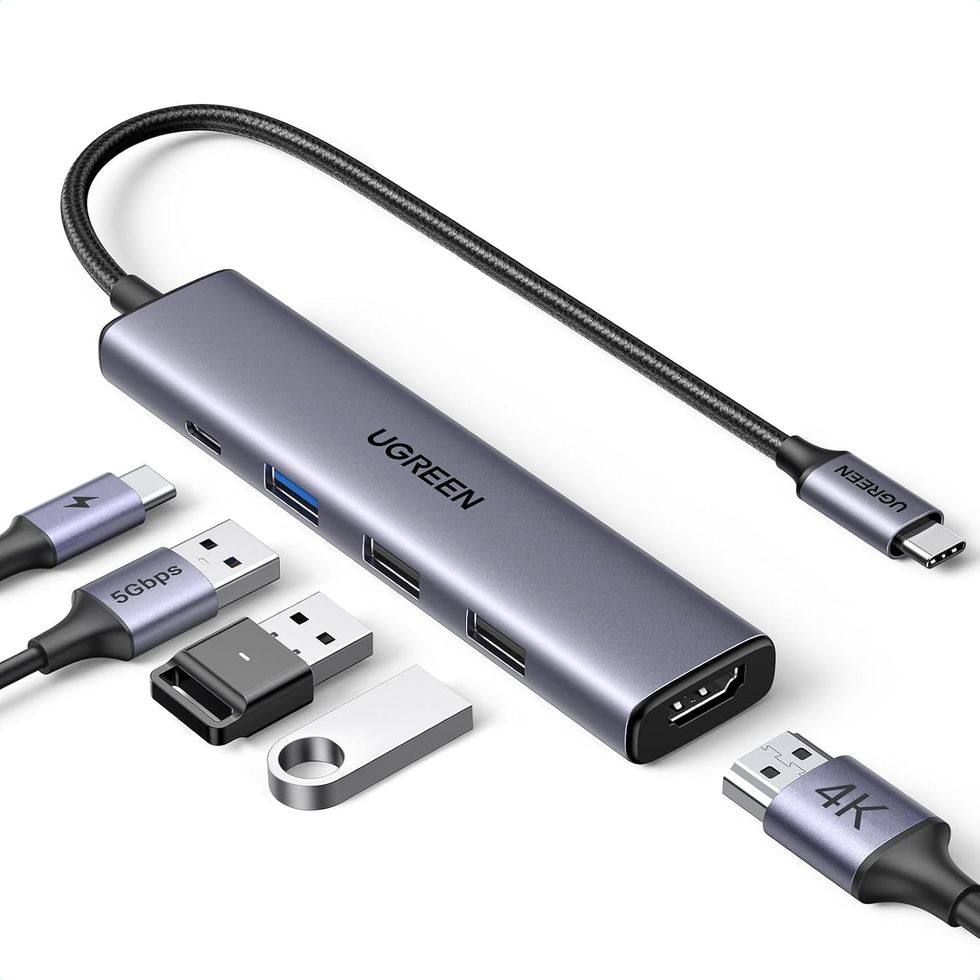 USB-C Multiport Hub Amazon
  Ergonomic Mouse Pad Amazon