
- California has barred Waymo from testing and operating driverless vehicles on state freeways, citing an imminent public safety hazard.
- The decision follows incidents involving construction zones and California Highway Patrol vehicles in November.
- Waymo has paused commercial freeway rides across its US markets, but continues offering driverless services on surface streets.
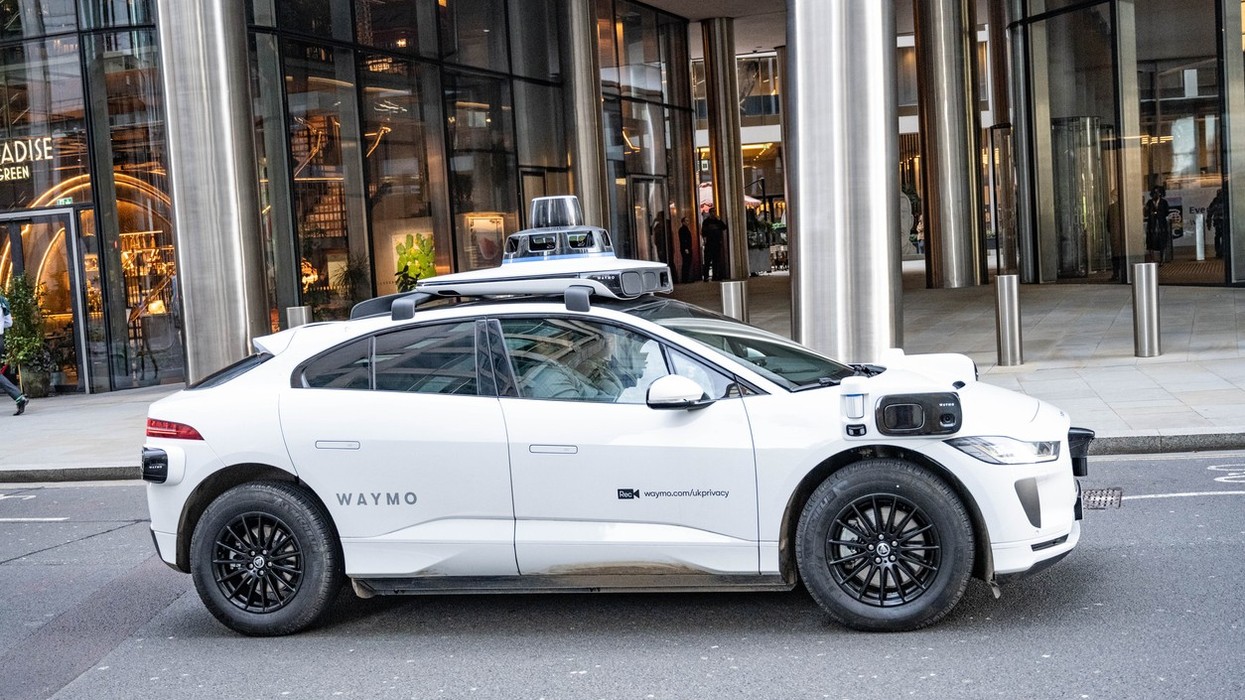
Alphabet-owned Waymo has suspended commercial robotaxi rides on freeways across the US after California regulators barred its driverless vehicles from state highways over safety concerns.
The California Department of Motor Vehicles (DMV) imposed the restriction on November 11, following a series of incidents in which Waymo vehicles entered active construction zones and struggled to respond to traffic controls.
The agency said the company's driverless freeway operations posed an "imminent hazard to public safety", citing the potential risks to construction workers, vehicles and equipment.
The restriction covers both testing and commercial operations involving driverless Waymo vehicles on California freeways. It will remain in place until the company demonstrates that it has taken effective corrective action to address the problems identified by regulators.
In response, Waymo said it had temporarily restricted commercial freeway rides across all the markets where it offers the service, including the San Francisco Bay Area, Los Angeles, Phoenix, Miami and Austin.
The company said the decision was intended to allow it to evaluate its performance, while its robotaxis continue operating on surface streets.
"Safety is at the foundation of everything we do," a Waymo spokesperson said. The company added that it was working with California regulators and other state officials to resume freeway operations.
The suspension is a setback for Waymo's expansion plans. The company began offering fully autonomous freeway rides to paying passengers in November 2025, after more than a decade of testing.
What prompted California to restrict Waymo's robotaxis?
The DMV cited two incidents in early November that raised concerns about how the autonomous vehicles respond to unexpected freeway conditions.
On November 5, three Waymo vehicles entered an active construction closure on US Highway 101 near Burlingame, California. The vehicles entered an area where construction workers, equipment and other vehicles were present.
A day later, another Waymo robotaxi encountered California Highway Patrol vehicles conducting a traffic break on Interstate 280 in San Francisco.
Video of the second incident circulated online, showing the driverless vehicle attempting to move past patrol cars that were controlling traffic. The maneuver raised questions about whether the autonomous system could properly interpret instructions and actions by law enforcement officers.
California DMV spokesperson Jonathan Groveman said the agency's decision followed recurring incidents involving vehicles entering restricted construction areas.
"The Department determined that Waymo's driverless freeway operations pose an imminent hazard to public safety due to recurring incursions by its vehicles into active construction zones where construction workers, vehicles and equipment are present," he said.
The regulator also pointed to similar incidents in May, despite earlier restrictions and corrective measures introduced by the company.
Waymo said the recent construction-zone encounters on US Highway 101 did not involve injuries or collisions. However, the regulator's concern was that vehicles entering restricted areas could endanger workers and other road users.
The restriction will remain until Waymo provides evidence that its vehicles can reliably detect and respond to construction zones, emergency vehicles and other changing road conditions.
Is this the first time Waymo has faced safety concerns?
No. The company has previously faced scrutiny over how its robotaxis handle road closures and unexpected situations.
In May 2026, Waymo paused freeway rides while it worked to improve its vehicles' response to construction zones. The company later updated its autonomous driving software and resumed freeway services in July.
It also recalled nearly 3,900 vehicles in June after identifying problems involving its software's ability to recognise certain road closures and construction conditions.
The latest incidents suggest that the earlier changes have not fully resolved regulators' concerns about the vehicles' behavior in complex freeway environments.
Waymo remains the largest robotaxi operator in the US by autonomous miles driven and has been expanding its services across major cities. Its commercial ride-hailing operations now cover multiple markets, with surface-street services continuing despite the freeway suspension.
The company says its ride-hailing service continues to provide more than half a million trips each week on surface streets.
The wider autonomous vehicle industry is also facing growing scrutiny as competitors enter the market. Tesla is developing its own robotaxi network, while Amazon-backed Zoox has begun limited driverless operations in the US.
For Waymo, the immediate challenge is demonstrating that its technology can respond safely not only to predictable traffic patterns but also to temporary construction closures, emergency vehicles and police traffic controls.
Freeway access is important to the commercial model because it allows robotaxis to cover longer distances and reach destinations such as airports more quickly. Losing that capability across its operating markets could affect journey times and the convenience of its service.
The company has not announced when commercial freeway rides will resume. Its return will depend partly on the outcome of its review and whether California regulators are satisfied with the corrective measures.