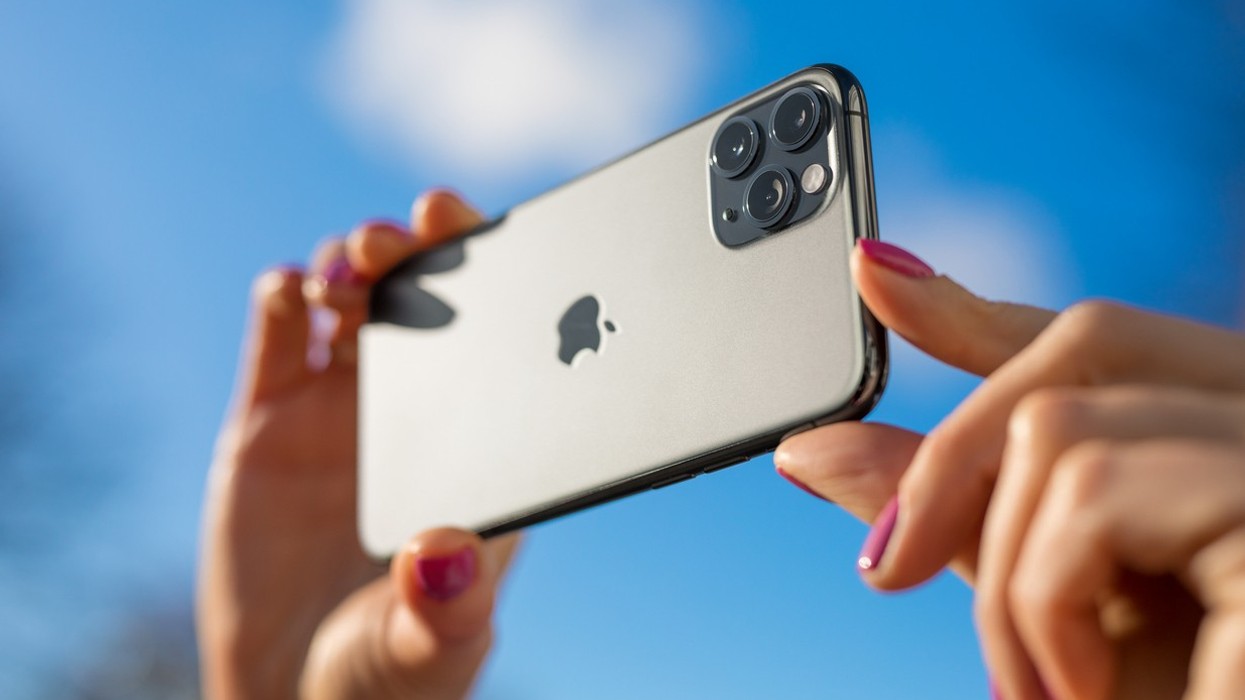

Apple is facing a major privacy lawsuit in Illinois after a federal court allowed a class action over its Photos app to move forward. The case alleges that Apple collected users' biometric data without obtaining the consent required under Illinois law.
The lawsuit was first filed in 2020 in St. Clair County Circuit Court before Apple moved it to the US District Court for the Southern District of Illinois. Plaintiffs claim that since at least 2017, the Photos app has scanned every uploaded image for faces and created unique "faceprints," or facial feature vectors, to organize photos. They argue that this amounts to collecting biometric information without users' permission, violating the Illinois Biometric Information Privacy Act (BIPA).
On June 5, 2026, US District Judge Nancy J. Rosenstengel certified three classes of Illinois iPhone users, allowing the lawsuit to proceed as a class action. The judge ruled that the key legal questions are common to all class members and do not require individual review.
The plaintiffs estimate that as many as 6.5 million Illinois residents could be included in the case. Depending on how damages are calculated under BIPA, Apple's potential financial exposure could range from approximately $6.5 billion to $32.5 billion.
However, changes to Illinois law in 2024 limited BIPA damages to one claim per person instead of one claim for every scan. In 2026, the Seventh Circuit Court of Appeals ruled that the change applies retroactively, reducing Apple's possible liability. The same appeals court also rejected Apple's challenge to the class certification on June 30, allowing the case to continue.
Apple has argued that the facial feature vectors created by the Photos app do not qualify as biometric identifiers because they cannot reconstruct a person's face or directly identify someone by name. So far, those arguments have not persuaded the courts.
The lawsuit is separate from another Illinois biometric privacy case filed in July 2026 that targets Apple's Face ID and Attention Detection features.