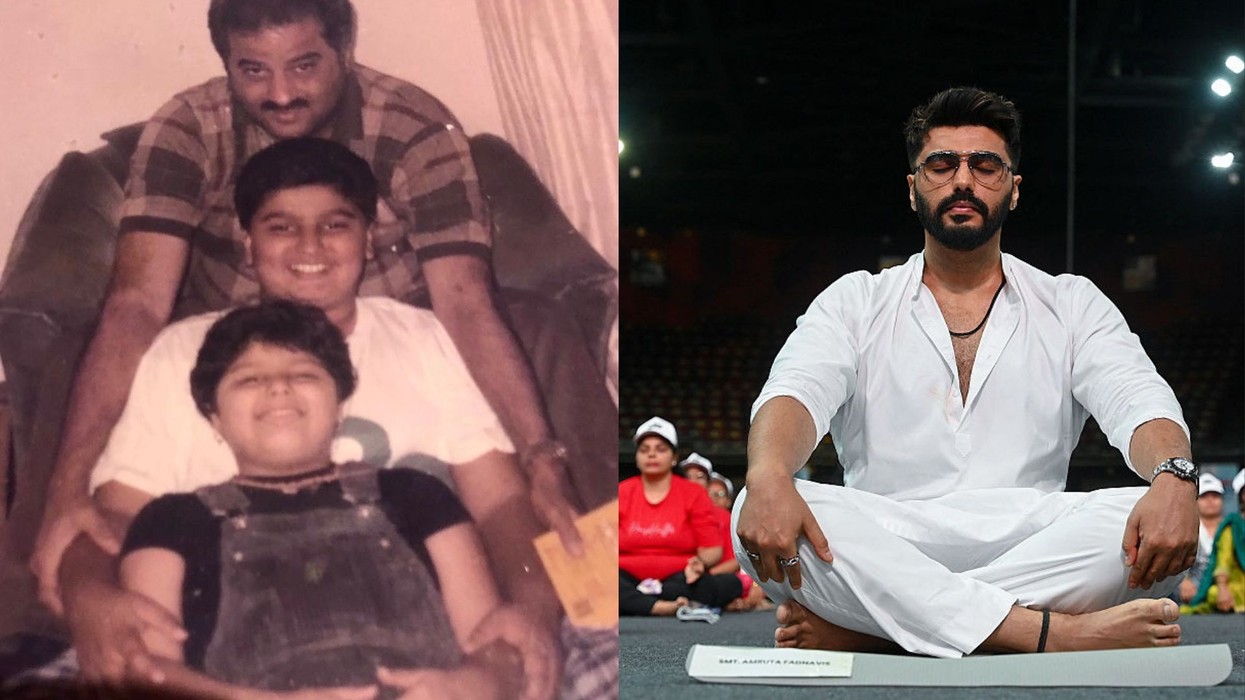

For years, Arjun Kapoor’s fitness journey was measured by numbers, kilograms lost, roles prepared for, and expectations met. But the actor says the most meaningful change did not happen on the scale. It happened in his mindset.
After a long battle with obesity and the pressures of maintaining a certain image in the entertainment industry, Kapoor says he has learned that health is not about chasing quick transformations or fitting into unrealistic timelines. Today, fitness is less about deadlines and more about creating a balanced lifestyle built around routine, therapy, and self-care.
In a conversation with Esquire, Kapoor opened up about how his approach to exercise, mental health, and personal growth has changed. He explained that earlier in his career, fitness was often connected to upcoming projects and the pressure to look a certain way on screen.
“I’ve never lacked awareness or effort. The reality is simply that my body works differently. What someone else might achieve in three months could take me six. At some point I realised I had to stop measuring myself against those timelines and start enjoying the process instead.”
The actor said that comparing his progress to others made his fitness journey more stressful. Instead of focusing on long-term health, he found himself working toward short-term goals linked to film schedules.
“Earlier my thinking was always, ‘My film starts in three months, so I have to look my best by then.’ That pressure changes your relationship with fitness. You stop enjoying it, and your body almost resists it.”
Kapoor’s struggle with weight has been well documented. At age 16, he weighed around 150 kg and later began a major transformation before entering Bollywood. Over approximately four years, he lost nearly 50 kg. However, he has also spoken about regaining weight during periods when professional pressure and body expectations affected his physical and emotional well-being.
“Over the years I’ve lost fifty kilos, gained some in between, then lost another twenty kilos. I became an actor and found myself struggling with weight again because I wanted to look a certain way for the audience. That kind of pressure drains you mentally and physically. This year, fitness wasn’t about an agenda. It was simply for me, and that’s made all the difference.”
For Kapoor, creating a healthier life meant building structure. He said having complete freedom over his schedule initially seemed appealing, but it eventually created challenges.
“The biggest change was learning to say no. You have to ask yourself whether it genuinely makes sense for you and whether it adds value to your life.”
The actor explained that too much flexibility made it easier to lose consistency. Without a routine, healthy habits became harder to maintain.
“Initially, though, that freedom can become dangerous. Suddenly there’s no structure. You sleep and wake when you want, meetings revolve around your schedule, your trainer adjusts to you, and before you know it, convenience starts turning into complacency.”
One of the biggest changes he made was moving his workouts to the morning. Kapoor said starting his day with exercise helped him stay accountable and more focused.
“The first change I made was shifting my workouts to the morning. I’m naturally a late sleeper and an overthinker, but training first thing gave me accountability. The second was creating structure. Now I work out before diving into meetings, work and social plans, which helps me stay present instead of constantly rushing from one thing to the next. They’re all small habits, but together they’ve made a huge difference.”
Beyond physical health, Kapoor credits therapy with helping him develop emotional stability. He described mental health support as an essential part of his routine.
“Therapy has become non-negotiable. I don’t miss it.”
The actor said therapy helped him become more comfortable with solitude and reflection.
“I spend time with my friends, with my sister and with myself. I’m no longer afraid of silence or of sitting alone with my thoughts. I’ve found enough structure in that silence that it no longer feels uncomfortable.”
Kapoor also shared that he has changed the way he views rest and personal time. Previously, he rarely took breaks because he felt work always needed to come first. Now, he makes space for travel and experiences outside his career.
“Earlier, I never took holidays. Two or three days felt like a luxury because I always thought, ‘How can I take time off? I have to work.’ Now I can disappear for ten days if I want to.”
His journey highlights a broader lesson about sustainable health: meaningful change often comes from consistency, self-awareness, and emotional well-being rather than extreme goals.
Kapoor has described obesity as a lifelong health challenge, not simply a matter of appearance.
“Not many know, but I have been battling obesity for the longest time. I was just not a fat kid, it was a health issue.”
For the actor, the goal is no longer perfection. It is balance, creating habits that support both physical health and mental resilience while letting go of the pressure to constantly prove himself.







Katrina Kaif reacts to postpartum beauty comments, reveals her 'skin became sensitive' and 'feeling best matters more'