
- Iran says it is not holding talks with the US at this time.
- Trump says a deal with Iran is close and negotiations will start Monday.
- Iran and Oman are discussing a temporary safe route through the Strait of Hormuz.
- Iran says no new mediator has joined the US-Iran talks.
- Experts say any future agreement may build on the June Memorandum of Understanding.
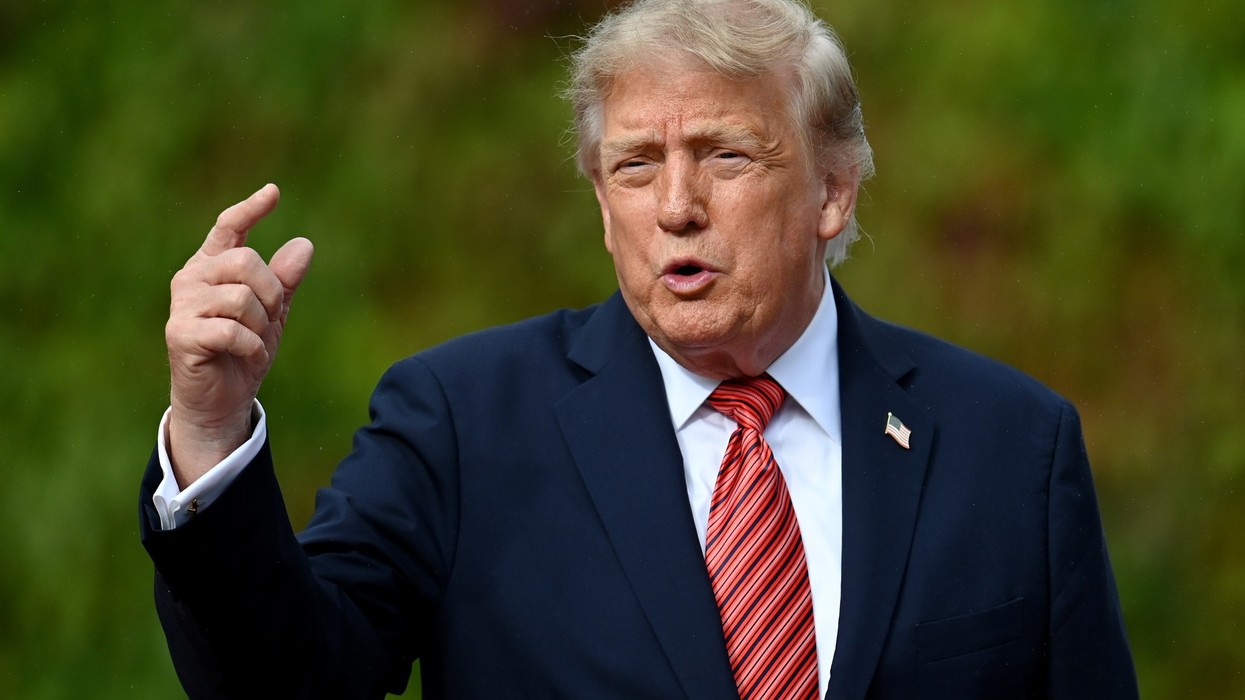
Iran has denied that it is currently holding talks with the United States, even as president Donald Trump said a new agreement with Tehran is close. Trump said negotiations are expected to begin on Monday (3), but Iranian officials rejected that claim.
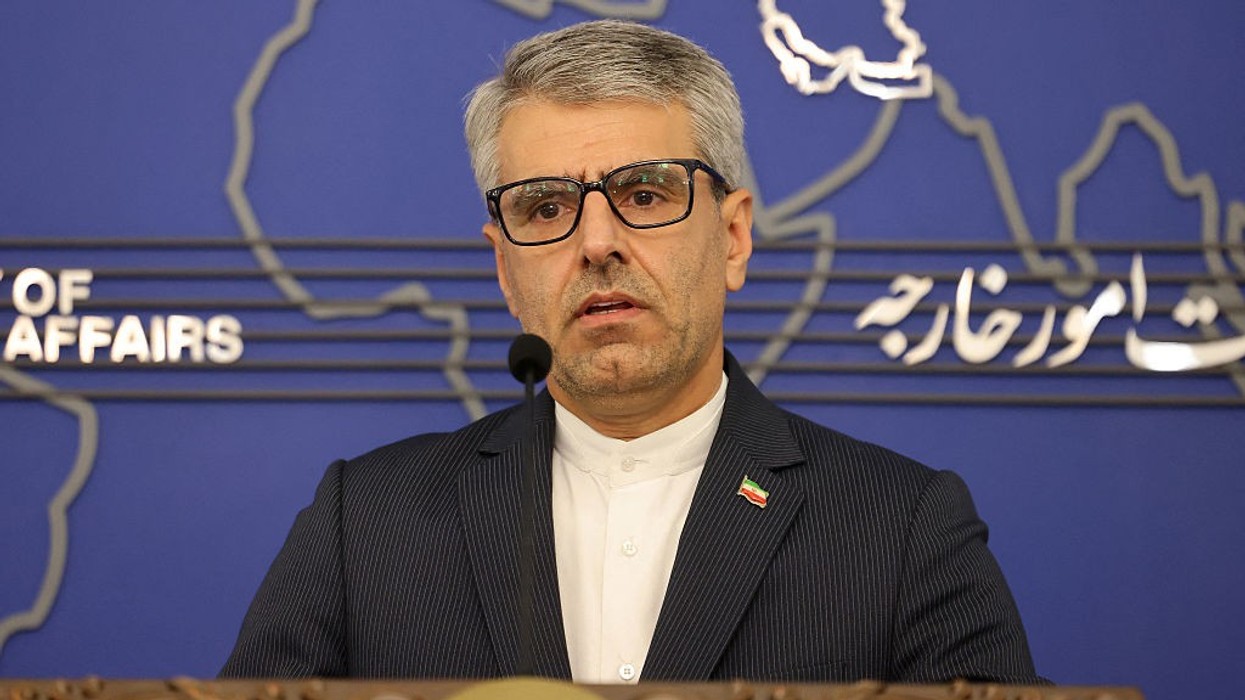
Iranian foreign ministry spokesperson Esmaeil Baghaei told reporters that there are no direct discussions taking place with Washington.
“We are not going to host a delegation or be guests of a country during these days.”
Baghaei also said Iran is working with Oman on a temporary shipping route through the Strait of Hormuz. The proposed route would include separate entry and exit lanes to help ensure safe navigation. However, he stressed that an agreement with Oman alone would not reopen the strategic waterway.
“But it is not a sufficient condition.”
He said the Strait remains affected because of recent military actions.
“The Strait of Hormuz is not closed due to differences of opinion between Iran and Oman.”
“The Strait of Hormuz has been in trouble due to the military aggression by the US and the Zionist regime.”
Baghaei added that ending US attacks on Iran is necessary before normal shipping can fully resume.
The spokesperson also rejected reports that a new country has become a mediator between Iran and the United States. He said China is helping to reduce regional tensions but is not acting as a new mediator.
“Therefore, our Chinese friends are trying to use their capacities to prevent the situation from escalating.”
“In this regard, China, like a number of other countries, is helping.”
He also clarified the existing diplomatic channels.
“Pakistan is a mediator in issues related to Iran and the US. Qatar also helps in cases where necessary.”
Baghaei also spoke about the conflict in Yemen. He said the issue should be handled separately from the recent fighting involving Iran.
“We have already said that the issue of Yemen must be resolved through dialogue.”
“Linking any issue to the war against Iran is a form of evasion of responsibility.”
He also blamed the United States and its allies for instability across the Middle East.
“Responsibility for everything that happens in the region and beyond lies first with the US, and then with those who are accomplices of the aggressor.”
The Iranian official also argued that recent military actions have affected the entire region.
“It is a war against the entire region and against the security of all countries in the region.”
Meanwhile, regional experts believe any future US-Iran agreement could be based on the Memorandum of Understanding reached in June. Sultan Barakat, a professor at Hamad Bin Khalifa University in Qatar, said both sides may return to the points already discussed.
According to Barakat, both countries appear to agree that Iran should have a role in the future of the Strait of Hormuz and that nuclear negotiations could be postponed for now. However, difficult issues remain, including the removal of US sanctions and Iran’s demand for $300 billion in damages.
Barakat also questioned whether a lasting agreement can be achieved. He said Trump often announces progress before negotiations are completed.
“He seems to always announce the destination before investing in the road to get there.”
Despite the mixed messages from Washington and Tehran, Gulf countries continue to support efforts to reduce tensions and prevent a wider regional conflict.