
Highlights:
- Trump calls Hamas' disarmament a critical step toward peace.
- Hamas links disarmament to Israel's full withdrawal from Gaza.
- Many Palestinians still oppose Hamas giving up its weapons.
- Key details about disarmament remain unclear.
- Israel's position could determine whether the agreement succeeds.
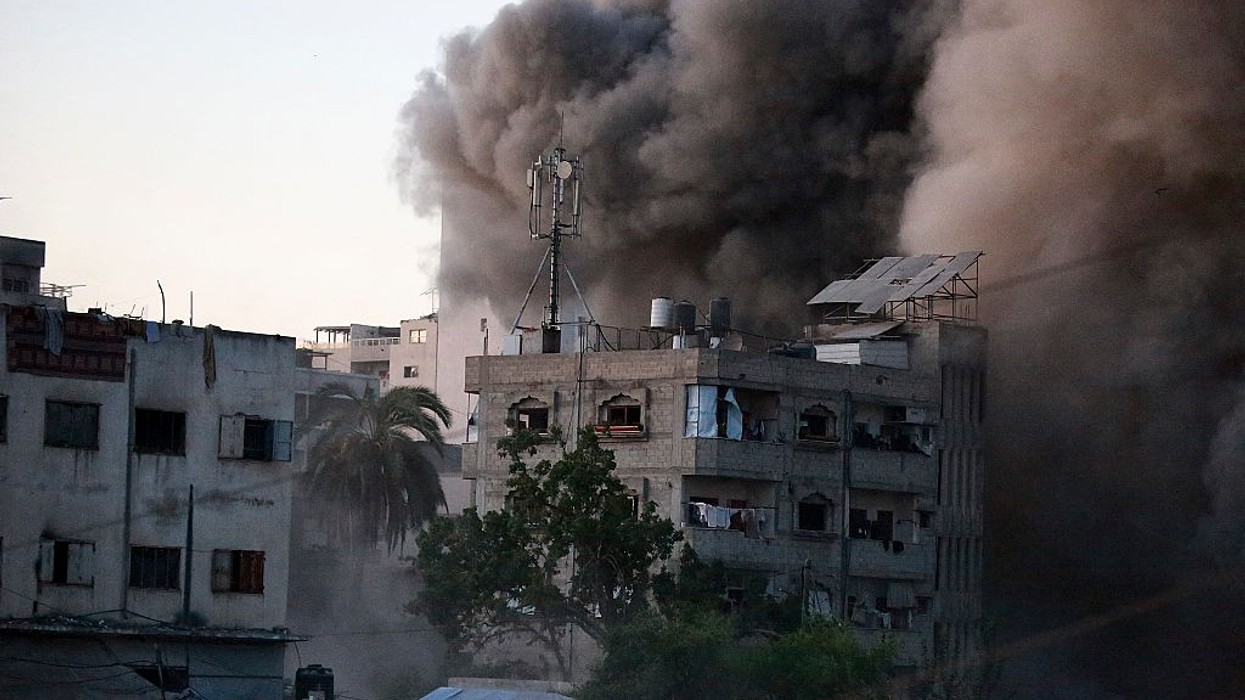
President Donald Trump has announced that Hamas and other armed groups in Gaza have agreed to disarm, describing the move as a major step toward ending years of conflict.
According to Trump, the agreement would allow a Palestinian committee to take over governing Gaza while Israeli forces withdraw from the territory under the terms of his 20-point peace plan. Trump said both Hamas and Israel accepted the framework last October.
Hamas officials have acknowledged that they agreed to the process. However, one member of the negotiating team said the group's willingness to disarm depends on Israel fully withdrawing from Gaza.
If implemented, the agreement could reshape the political and security landscape of the region. However, many important questions remain unanswered, and significant political obstacles still stand in the way.
Hamas faces a historic decision
If Hamas ultimately agrees to fully disarm, it would represent one of the biggest shifts in the organization's history.
Founded in 1987, Hamas emerged during the First Intifada with two primary goals: resisting Israel's occupation of the West Bank, Gaza Strip, and East Jerusalem, while also challenging Fatah's leadership within Palestinian politics.
The group's official position has long emphasized armed resistance. In its 2017 charter, Hamas stated it "rejects any attempt to undermine the resistance and its arms". It also declared that "armed restistance … is regarded as the strategic choice for protecting the principles and the rights of the Palestinian people".
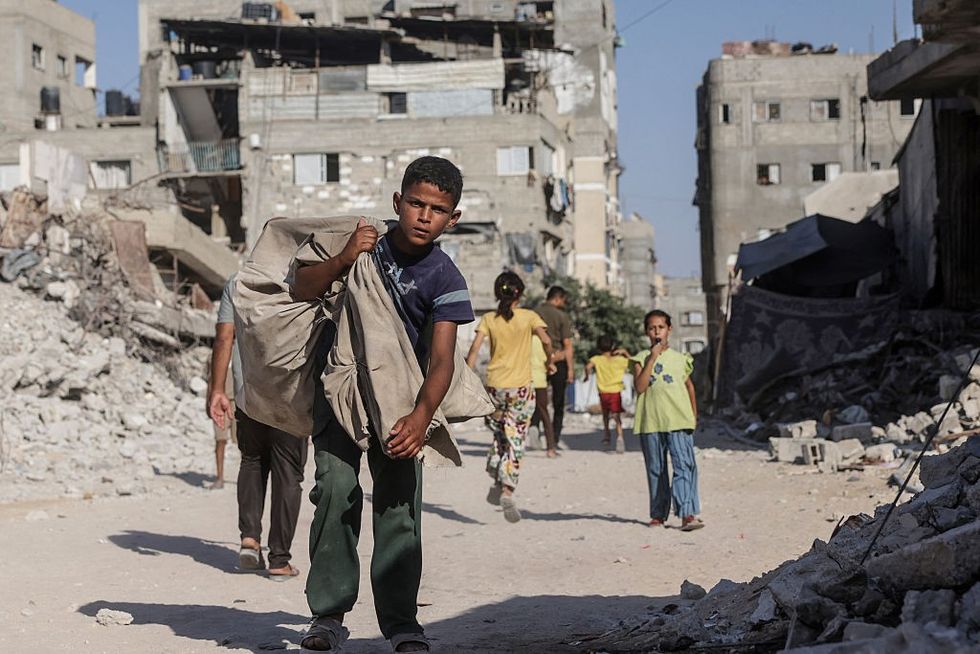 A Palestinian boy carrying a bag over his shoulder walks through a heavily damaged street in Khan Yunis in the southern Gaza Strip on July 31, 2026. Hamas said on July 31, 2026, it had agreed to a deal announced by the US president to end its war with Israel, which includes it handing over its weapons to a Palestinian governing committee and the gradual withdrawal of Israeli forces from Gaza. Getty Images
For many Palestinians, Hamas' military wing is closely connected to the broader struggle for Palestinian statehood. Even Palestinians who disagree with Hamas politically or oppose its Islamist ideology often view its armed resistance as a way of challenging Israel's occupation.
Public opinion reflects that reality.
According to polling conducted by the Palestinian Center for Policy and Survey Research (PCPSR) in October 2025, 60 per cent of Palestinians surveyed approved of Hamas' performance. Support was stronger in the West Bank than in Gaza. The same survey found that 69 per cent opposed Hamas giving up its weapons, including 87% in the West Bank and 55 per cent in Gaza.
Those numbers suggest Hamas could risk losing significant public support if it fully disarms without achieving meaningful political gains.
At the same time, some analysts believe agreeing to disarm and stepping away from governing Gaza could be a strategic decision. It may allow Hamas to rebuild its organization after suffering major losses during the war while preserving political influence among Palestinians.
Big questions about how disarmament would work
Although Trump's announcement generated international attention, many practical details remain unclear.
Early reports indicate that disarmament would involve much more than simply handing over weapons. Hamas would also be expected to dismantle its military infrastructure throughout Gaza, including tunnels, weapons factories, storage facilities, and heavy weapons.
However, years of fighting have devastated much of Gaza, making it difficult to determine how much of that infrastructure still exists.
The exact size of Hamas' remaining arsenal is also uncertain. While some recent estimates suggest the group still possesses tens of thousands of assault rifles, anti-tank rockets, and other weapons, actual numbers may be significantly lower after months of intense fighting.
Another unanswered question is who would oversee the disarmament process.
A US official told the BBC that a third-party committee would supervise and verify the process, but no additional information has been released about who would serve on that committee or how inspections would be conducted.
There is also uncertainty about whether the agreement applies only to Gaza.
Hamas maintains a presence in the West Bank and East Jerusalem, where tensions and violence continue. It remains unclear whether members operating in those areas would also be required to surrender their weapons.
Violence involving Israeli settlers and Palestinians in the West Bank has continued throughout the conflict, raising further questions about whether armed Palestinian groups would be willing to completely abandon military activity outside Gaza.
Israel's response may decide the agreement's future
Even if Hamas moves forward with disarmament, Israel's position may ultimately determine whether the peace plan succeeds.
Initial reports indicate that Israeli officials have raised concerns about Trump's proposal.
According to an Israeli official quoted by the Times of Israel:
"There will be no Israeli withdrawal from the Yellow Line in the Gaza Strip before Hamas is disarmed and the Strip is fully demilitarised."
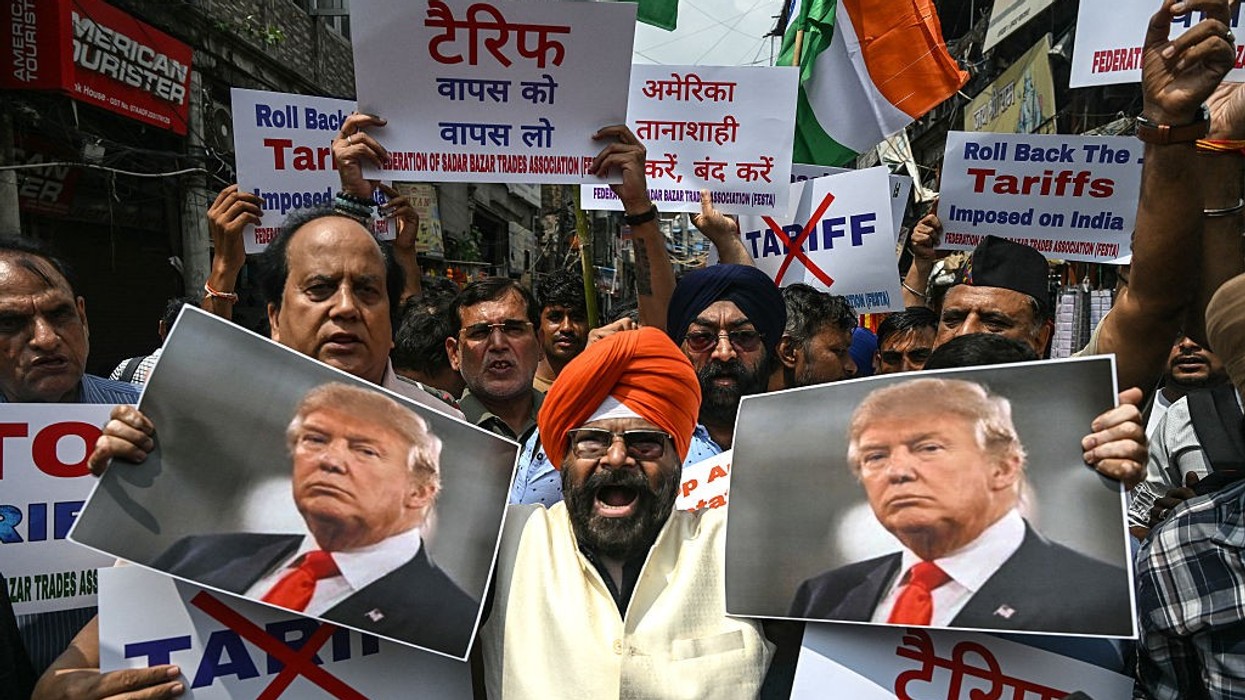
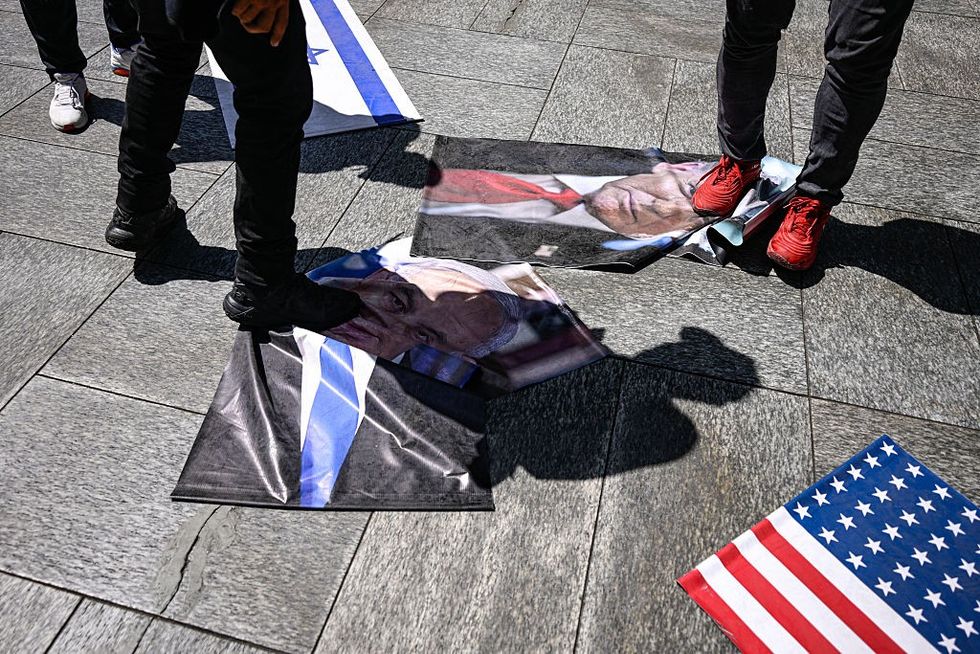 Protesters trample on photographs of Israeli Prime Minister Benjamin Netanyahu and U.S. President Donald Trump, along with Israeli and U.S. flags during a rally in Caracas on July 24, 2026, protesting the presence and influence of the United States and Israel in the country, one month after the June 24 earthquakes. Recovering from the earthquakes in Venezuela will take years, the Red Cross said on July 24, one month on from the June 24 disaster that killed more than 5,000 people. Getty Images
That position highlights a potential disagreement over sequencing. Hamas says Israel must fully withdraw before disarmament is completed, while Israeli officials appear to want complete disarmament before any military withdrawal.
The political climate inside Israel could also complicate negotiations.
Only weeks before Trump's announcement, Israel's far-right defense and finance ministers proposed establishing three "nahal" outposts in northern Gaza. Historically, these military-agricultural outposts have often preceded the creation of permanent Israeli settlements.
Critics argue that expanding Israeli settlements could undermine confidence in the peace process and make future negotiations even more difficult.
Trump's ability to keep both sides committed may prove decisive. Reports suggest the White House has already begun increasing pressure on Israeli Prime Minister Benjamin Netanyahu to support the agreement.
A US official said Trump would be "very disappointed" if Israel blocked progress on the peace plan.
Whether the agreement ultimately succeeds will depend not only on Hamas following through with disarmament, but also on Israel's willingness to withdraw its forces and support the broader political framework. Until those questions are resolved, the proposed deal remains an important diplomatic breakthrough—but one whose outcome is still far from certain.





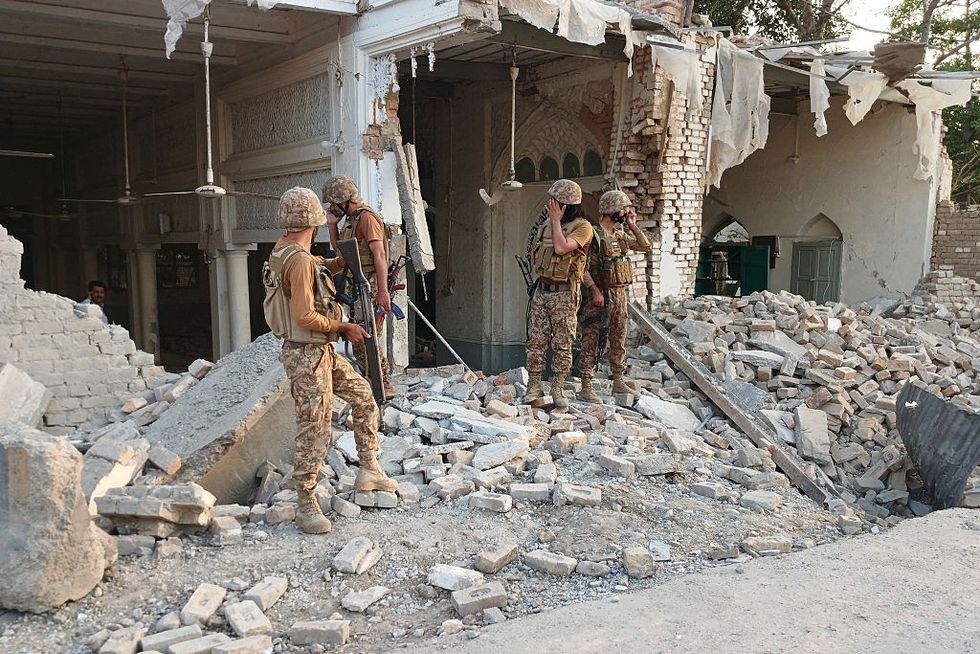 Army personnel stand amid the rubble following an explosion inside the police headquarters at Kohat in Pakistan's Khyber Pakhtunkhwa province on September 18, 2026. An explosion at a historic police headquarters in northern Pakistan on September 18 killed at least eight people and wounded 35 more, officials said, with the country's president swiftly blaming a militant group. Getty Images
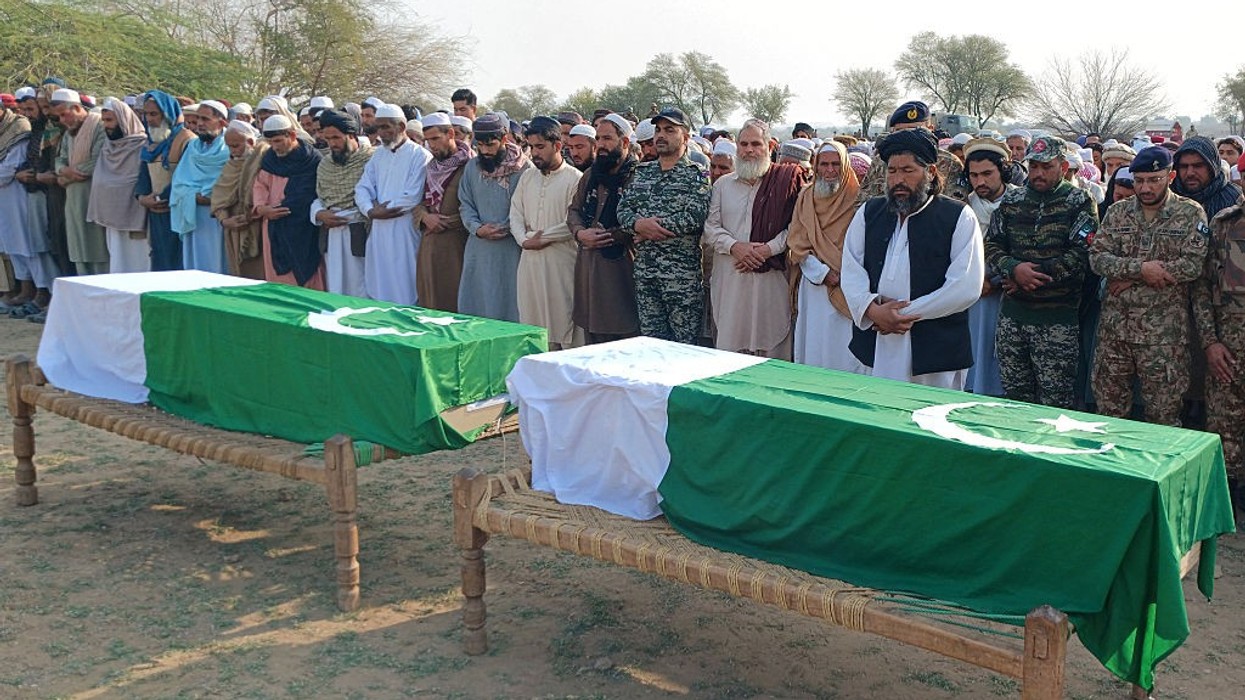
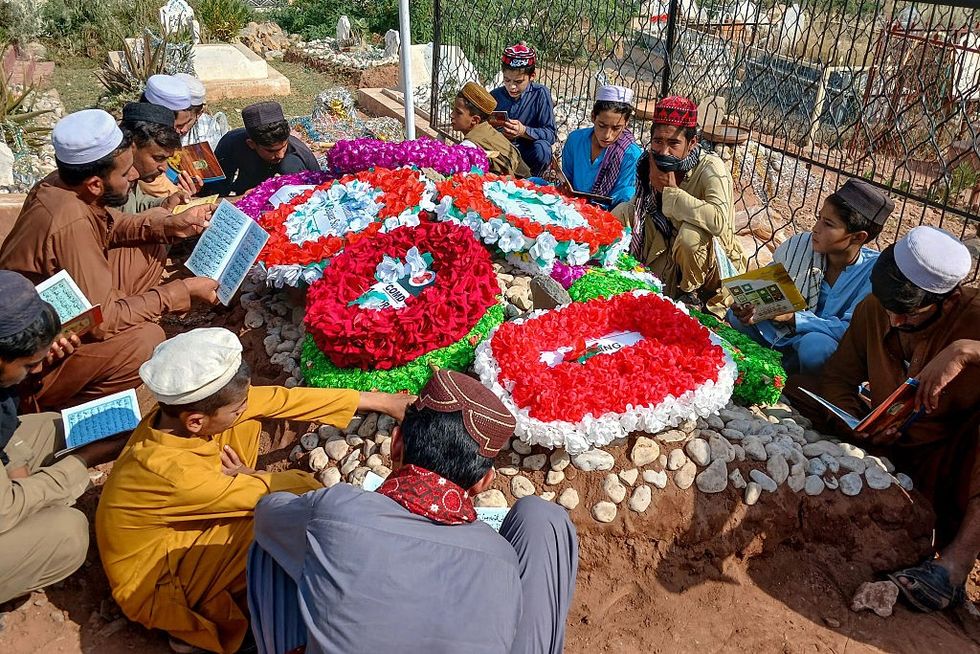 Mourners read the holy Quran while sitting around the grave of a paramilitary personnel of the Frontier Corps (FC) who was killed during the Afghanistan-Pakistan border clashes, in Kohat on October 17, 2025. A ceasefire along the frontier between Afghanistan and Pakistan was holding on October 16, officials on both sides said, after dozens of troops and civilians were killed in cross-border clashes.Getty Images